
When it comes to providing optimal growing conditions for your plants, one crucial element is often overlooked: shade. Extreme temperatures can be detrimental to plant growth, causing stress and damage that can impact yields and overall health. That’s where shade cloth percentages come in – a simple yet effective solution for protecting your plants from harsh weather conditions.
But choosing the right shade cloth percentage can be daunting, with options ranging from 20% to 95%. With so many choices available, it can be challenging to determine which one is best suited to your specific needs. In this article, we’ll explore the importance of selecting the perfect shade cloth percentage for your plants, discussing how different percentages affect growth and providing practical tips for making an informed decision. By the end of this article, you’ll know exactly what to look for when shopping for shade cloth.
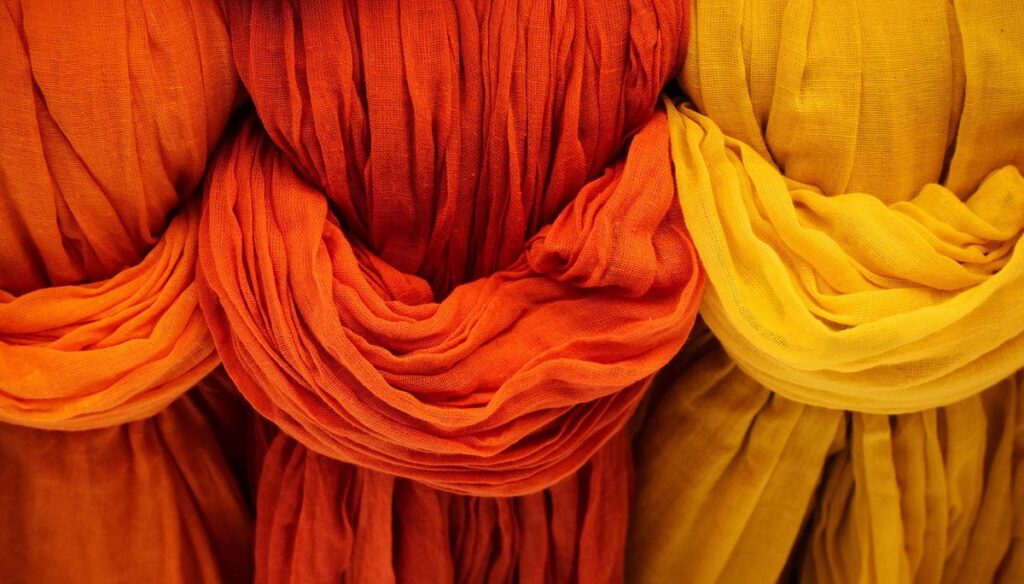
Understanding Shade Cloth and Its Importance
When it comes to choosing the right shade cloth percentage for your plants, understanding how shade cloth works is crucial. Let’s take a closer look at what shade cloth is and why it matters for plant care.
What is Shade Cloth?
Shade cloth is a versatile and essential tool for gardeners and greenhouse owners who want to protect their plants from excessive sunlight. Its primary purpose is to filter out the intense rays of the sun, preventing damage to leaves, stems, and flowers. By doing so, it allows plants to receive gentle, diffused light that promotes healthy growth and development.
There are several types of shade cloth materials available, including polyethylene and polyester. Polyethylene shade cloth is a popular choice due to its affordability, durability, and water resistance. Polyester shade cloth, on the other hand, offers excellent UV protection and is often used in high-temperature environments. When choosing a shade cloth material, consider factors such as climate, plant type, and desired level of light filtration.
When properly installed, shade cloth can make a significant difference in your plants’ growth and productivity. For example, using a 30% shade cloth can reduce soil temperature by up to 10°F (5°C), which can be beneficial for sensitive seedlings or root development.
Benefits of Using Shade Cloth
Using shade cloth for plants offers numerous benefits that can significantly impact their health and growth. One of the primary advantages is protection from extreme temperatures. Shade cloth acts as a barrier between your plants and direct sunlight, preventing heat stress and damage caused by scorching temperatures. This is particularly crucial during peak sun hours or in regions with intense sunlight.
By shielding your plants from excessive heat, you also reduce their stress levels. Plants under shade cloth experience lower transpiration rates, which helps prevent moisture loss and maintains optimal humidity levels. As a result, they tend to grow more robustly and produce healthier foliage.
In addition, using shade cloth promotes improved growth rates. By regulating temperature fluctuations and maintaining a stable environment, you enable your plants to focus their energy on growth rather than coping with heat stress. This results in increased yields, better fruit quality, and overall enhanced plant performance.
Measuring Your Plants’ Needs: How to Determine the Right Shade Cloth Percentage
When it comes to choosing the right shade cloth percentage for your plants, determining their specific needs is crucial. Let’s explore how to assess your plants’ requirements in detail.
Assessing Sunlight Intensity in Your Area
When assessing sunlight intensity in your area, it’s essential to consider the specific needs of your plants. A simple way to determine this is by using a light meter, which can measure the amount of light present in a given space. These devices are typically inexpensive and easy to use, providing instant results that will help you make informed decisions about shade cloth percentage.
Another tool for assessing sunlight intensity is a sun chart, a graphical representation of sunlight patterns throughout the day. By observing the chart, you’ll be able to identify areas with direct or indirect light, as well as periods of intense sunlight. This information will enable you to pinpoint specific regions in your garden that may require more shade.
To accurately determine the amount of shade required, observe your plants’ behavior over a few days. Notice which areas receive scorching sun and cause leaves to wilt, and which spots are shadier and promote healthy growth. By combining light meter readings with sun chart observations and plant behavior analysis, you’ll be able to precisely gauge sunlight intensity in your area.
Choosing the Correct Shade Cloth Percentage Based on Plant Type
When it comes to choosing the correct shade cloth percentage for your plants, one of the most critical factors is selecting a percentage that matches the specific needs of each plant species. Different plants have varying levels of tolerance for sunlight and heat, and using the wrong shade cloth percentage can either over-protect or under-protect them.
For delicate flowers, such as orchids and African violets, it’s essential to choose a higher shade cloth percentage, typically in the range of 50% to 70%. This will provide sufficient protection from intense sunlight without causing the plants to become leggy. Vegetables like tomatoes and peppers also require around 50-60% shade cloth percentage, as they prefer moderate temperatures between 65°F to 75°F.
In contrast, tropical plants like ferns and bromeliads thrive in brighter conditions and can tolerate up to 40% shade cloth percentage. However, it’s crucial to note that this is not a one-size-fits-all solution, and you should research the specific needs of each plant species you’re growing. By choosing the right shade cloth percentage for your plants, you’ll be able to create an optimal environment for them to thrive in.
Common Shade Cloth Percentages: What They Mean and How to Apply Them
Understanding shade cloth percentages can be overwhelming, so let’s break down what each percentage means for your plants. From 30% to 95%, we’ll explore how to apply each one effectively.
Understanding Mesh Sizes and Their Effects
When choosing the right shade cloth percentage for your plants, it’s essential to understand how mesh size affects the amount of light allowed through. A crucial factor in determining the right shade cloth is its mesh size – essentially, how many openings or threads per square inch are woven into the fabric.
A larger mesh size provides more light penetration while a smaller one filters it out. Imagine looking at a piece of fabric: a loose weave allows more sunlight to pass through than a tight one. This is because there’s more open space between the threads in a coarser mesh, allowing for greater light transmission. Conversely, smaller mesh sizes trap more light within the shade cloth.
For example, a 30% shade cloth with an 11/16″ (17.5 mm) mesh size allows about 70% of direct sunlight to pass through. Compare this to a similar 30% shade cloth but with a smaller 3/8″ (9.5 mm) mesh: in this case, only around 50% of direct sunlight reaches the plant. By choosing the correct mesh size for your plants’ specific needs, you can optimize their growth and health while controlling light exposure.
Applying Different Shade Cloth Percentages for Optimal Results
When it comes to choosing the right shade cloth percentage for your plants, understanding the different options available is crucial. One of the most common shade cloth percentages used is 30%. This percentage provides a moderate level of shading, ideal for plants that require partial sunlight but also need some protection from intense midday sun.
For example, in a greenhouse setup, using 30% shade cloth can help regulate temperature and prevent overheating during summer months. Alternatively, in an outdoor garden, it can be used to filter direct sunlight and reduce stress on plants during extreme weather conditions. Some indoor growing spaces may also benefit from 30% shade cloth, especially when growing sensitive plants or during periods of intense artificial lighting.
Another common shade cloth percentage is 50%. This level of shading provides more protection than 30%, making it suitable for plants that require more extensive shade. For instance, in a greenhouse with tropical plants, using 50% shade cloth can help maintain a consistent temperature and reduce water loss through transpiration. In contrast, outdoor gardens may use this percentage to create a shaded area for plants that prefer dappled light or have specific watering needs.
How to Measure the Effectiveness of Your Shade Cloth Setup
To accurately determine if your shade cloth setup is meeting its purpose, you’ll need to track key metrics such as temperature reduction and plant health.
Monitoring Plant Growth and Development
Regular monitoring of plant growth and development is crucial to ensure that your shade cloth setup is meeting the needs of your plants. This process involves tracking changes in plant height, leaf color, and overall health over time. To do this effectively, take regular photographs or notes on plant progress, noting any significant changes.
Adjusting shade cloth percentages based on observed growth patterns can significantly impact plant health. For instance, if you notice that your plants are becoming leggy due to excessive light exposure, it may be necessary to reduce the shade cloth percentage to prevent damage from intense sunlight. Conversely, if plants appear stressed or pale due to insufficient light, increasing the shade cloth percentage can help promote healthier growth.
Some key indicators of plant stress include yellowing leaves, reduced leaf size, and an overall decline in plant vigor. By monitoring these signs closely, you can make informed decisions about adjusting your shade cloth setup to ensure optimal growing conditions for your plants.
Adjusting Shade Cloth Percentages as Plants Mature
As plants mature and grow, their shade cloth requirements often change. It’s essential to monitor your plants’ responses to the current shade level and adjust the percentage accordingly. One sign that indicates a need for more shade is leaf scorching or browning, especially on the edges or tips of leaves. This can be caused by excessive exposure to direct sunlight.
On the other hand, if you notice an overgrowth of foliage or weak stems, it may be a sign that your plants are receiving too much shade and not enough light. In this case, increasing the shade cloth percentage by 10-20% can help balance the light intensity.
To adjust shade cloth percentages effectively, keep a close eye on your plants’ growth habits and respond promptly to changes in their condition. It’s also crucial to consider factors such as plant species, climate, and time of day when making adjustments. By regularly monitoring and adjusting the shade cloth percentage, you can create an optimal growing environment that promotes healthy plant growth and development.
Common Mistakes to Avoid When Using Shade Cloth for Your Plants
When using shade cloth for your plants, it’s easy to get caught up in the excitement of creating a perfect growing environment and overlook some critical mistakes that can harm your plants. Let’s review these common errors to avoid.
Over-Shading: The Silent Killer of Plant Growth
When you’re trying to protect your plants from harsh sunlight, it’s easy to get caught up in providing too much shade. Over-shading is a common mistake that can have serious consequences for the health and growth of your plants.
Stunted growth is one of the most noticeable effects of over-shading. When plants aren’t getting enough direct sunlight, they often struggle to produce chlorophyll, which is essential for photosynthesis. As a result, they may appear pale or washed out, and their leaves may become smaller and less vibrant. This can be especially problematic in plants that rely on intense sunlight to thrive.
But over-shading does more than just slow down growth – it also weakens the roots of your plants. When plants are struggling to produce energy, they often prioritize root growth over leaf growth, which can lead to a robust but shallow root system. This makes them more susceptible to disease and pests, as their weakened immune systems are less able to fight off infections.
In severe cases, over-shading can even lead to the death of your plants. This is particularly true for young seedlings or sensitive varieties that are already vulnerable to stress. By paying attention to the amount of shade you’re providing, you can avoid this common mistake and give your plants the best chance at thriving.
Under-Shading: Allowing Too Little Light Through
When you allow too little light through with under-shading, it can have severe consequences for your plants. One of the most common issues is scorching, where the intense sunlight causes damage to the leaves and stems. This can be especially problematic during peak sun hours when the sun’s rays are strongest. Leaf burn is another issue that arises from under-shading, as the plants’ delicate tissues become damaged from excessive light exposure.
To avoid these problems, it’s essential to choose a shade cloth percentage that balances light transmission with protection from harsh sunlight. A good rule of thumb is to select a shade cloth with a higher percentage for areas receiving direct sun, and a lower percentage for shaded or filtered areas. For example, if you’re growing tomatoes in a spot that receives intense afternoon sun, consider using a 50% shade cloth to filter out some of the direct rays. This will help prevent scorching and promote healthy growth.
Conclusion and Next Steps for Optimizing Your Shade Cloth Setup
Now that you’ve chosen the perfect shade cloth percentage for your plants, it’s time to think about how to optimize your setup. The next steps will help you make the most of your investment. Start by inspecting your existing shade cloth installation and identifying areas where it may be loose or sagging. Tighten any loose sections to ensure even coverage and prevent damage from wind or pests.
Consider adding support structures like wooden stakes or wire mesh to maintain stability and keep debris away. This will not only prolong the life of your shade cloth but also promote healthy plant growth.
Frequently Asked Questions
Can I use shade cloth for plants that require full sun?
Yes, you can use shade cloth for plants that need full sun, but it’s essential to choose the right percentage based on your specific climate and plant requirements. A lower percentage (20-30%) may be sufficient during peak summer months when the sun is strongest.
How do I determine if my plants are over-shaded or under-shaded?
Monitor your plant growth and development closely. If you notice signs of stress, such as weakened stems or lack of color, it may indicate that your shade cloth percentage is too high or low. Adjust accordingly to ensure optimal growing conditions for your plants.
Can I use the same shade cloth percentage for all my plants?
No, different plant species have varying requirements when it comes to light and temperature. Some plants thrive in partial shade (40-50%), while others need full sun (0% to 20%). Research specific recommendations for each plant type or consult with a gardening expert to determine the ideal shade cloth percentage.
How often should I inspect my shade cloth setup?
Regularly inspect your shade cloth every 1-2 months, especially during seasonal changes. Ensure that it’s still providing adequate protection from excessive sunlight and hasn’t become damaged or torn. Make adjustments as needed to maintain optimal growing conditions for your plants.
What’s the difference between woven and non-woven shade cloth?
Woven shade cloth has a mesh size of 10-20 microns, while non-woven shade cloth has an open-weave design that allows for more airflow and light penetration. Woven shade cloth is ideal for plants requiring high temperatures (40-60%), whereas non-woven shade cloth suits plants needing cooler conditions (50-70%).