
Are you ready to take your gardening game to the next level? If so, you’re probably familiar with the concept of raised bed frames. But are you aware of their numerous benefits for soil quality and crop yields? Raised beds offer a more efficient way to grow plants by improving drainage, reducing soil compaction, and increasing accessibility. With the right materials and design, you can create a thriving garden that’s perfect for small spaces or large plots alike.
In this article, we’ll explore different types of raised bed frames, including wood, metal, and composite options. We’ll also discuss budget-friendly alternatives and share expert tips on how to build and maintain your own raised beds. Whether you’re a seasoned gardener or just starting out, you’ll learn how to create a bountiful harvest with the help of raised bed frames.
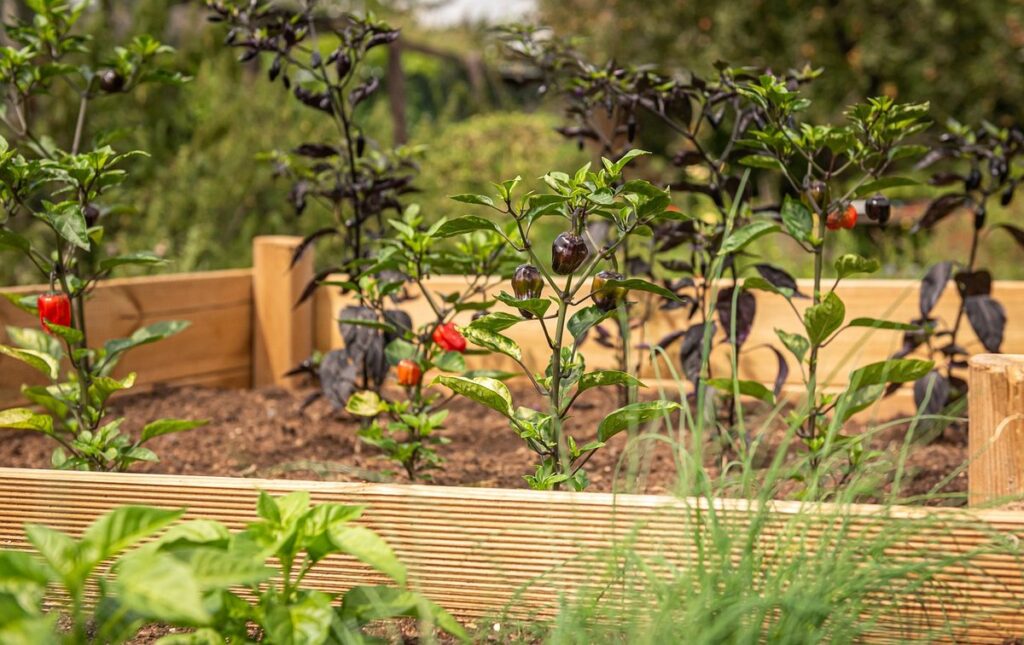
Benefits of Using a Raised Bed Frame
When you’re using a raised bed frame, one of the most significant advantages is that it allows for better drainage and air circulation around your plants. This results in healthier roots and overall growth.
Improving Soil Quality and Drainage
Raised bed frames offer numerous benefits when it comes to soil quality and drainage. One of the most significant advantages is the improved growing conditions for plants. By elevating the soil, you create a more aerated environment that allows roots to breathe and grow freely. This can lead to healthier, stronger plants with increased yields.
In traditional gardens, soil compaction often occurs due to foot traffic or heavy rainfall. Raised bed frames help mitigate this issue by keeping the soil above ground level. As a result, water and air can penetrate more easily, reducing the risk of waterlogged areas that can lead to root rot and other problems.
Proper drainage is also crucial for healthy plant growth. Elevated beds allow excess water to flow away from the roots, preventing overwatering and its associated issues. To maximize these benefits, make sure to include a layer of organic matter, such as compost or well-rotted manure, in your raised bed frame. This will not only improve soil structure but also provide essential nutrients for your plants.
By incorporating raised bed frames into your garden design, you can significantly enhance the quality and fertility of your soil, creating an ideal environment for optimal plant growth.
Space-Saving and Versatility
One of the greatest advantages of raised bed frames is their ability to maximize space in small gardens or on balconies and patios. With a little creativity, you can grow an impressive array of fruits, vegetables, and flowers in even the tiniest of areas.
When it comes to choosing a shape and size for your raised bed frame, consider the layout of your garden or outdoor space. For example, if you have a narrow balcony, a long, rectangular bed might be more practical than a square one. Alternatively, if you have a compact patio with limited floor space, a circular or round bed could help make the most of every inch.
You’ll also find that raised bed frames come in a wide range of materials, from durable hardwoods and composite plastics to lightweight and eco-friendly recycled wood options. This variety allows you to choose a frame that not only fits your garden’s layout but also suits your lifestyle and budget.
By selecting a versatile raised bed frame, you can grow multiple crops in succession without having to worry about wasted space or soil degradation. Plus, the elevated design makes it easier to plant, maintain, and harvest your garden – perfect for small spaces where every inch counts!
Increased Crop Yields
When you invest time and effort into creating a thriving garden, one of the most satisfying rewards is a bountiful harvest. Raised bed frames can play a significant role in achieving this goal by increasing crop yields significantly. One major reason for this boost is better soil structure. Unlike traditional in-ground gardening, raised beds allow you to control the type and quality of soil used, resulting in improved drainage and air circulation.
As a result, plant roots grow deeper and stronger, leading to healthier plants that are more resilient to pests and diseases. In fact, studies have shown that raised bed gardens can experience a 20-30% increase in crop yields compared to traditional in-ground gardening methods. By using a raised bed frame, you can also reduce soil-borne diseases such as fungal infections, which can be devastating to your crops.
To maximize the benefits of your raised bed garden, make sure to use high-quality potting mix specifically designed for container gardens. Also, ensure that your raised beds have adequate drainage holes to prevent waterlogged soil conditions. With proper care and maintenance, you can enjoy a more productive harvest than ever before with the help of a well-designed raised bed frame.
Types of Raised Bed Frames
When it comes to building your raised bed, you’ve got several frame options to choose from. Let’s take a look at some of the most popular types.
Wooden Raised Bed Frames
When it comes to raised bed frames, wooden options are a popular choice among gardeners. One of the primary benefits of using wooden raised bed frames is their natural, aesthetically pleasing appearance that can blend seamlessly into any garden design. Additionally, wood is a sustainable material that can be sourced locally, reducing transportation costs and carbon emissions.
However, there are some drawbacks to consider. Wooden raised beds require regular maintenance to protect them from rot, decay, and insect damage. This can involve applying a waterproof sealant or stain on a yearly basis, which may add to the overall cost of ownership. Cedar wood is often preferred for its natural resistance to rot and insects, but it can be more expensive than other types of wood.
Another option worth considering is recycled wood, which not only reduces waste but also offers an eco-friendly alternative. When choosing a wooden raised bed frame, consider factors such as durability, maintenance requirements, and budget to make an informed decision that suits your needs.
Plastic Raised Bed Frames
Plastic raised bed frames have gained popularity in recent years due to their affordability and ease of installation. One of the primary benefits of using plastic raised bed frames is their durability. They are made from high-density polyethylene (HDPE), which can withstand harsh weather conditions, including extreme temperatures, rain, and sunlight.
However, their maintenance requirements might be a concern for some gardeners. While they are easy to clean with soap and water, they can become brittle over time and may crack or break if not handled carefully. Additionally, plastic raised bed frames can retain heat from the sun, which can cause plant roots to cook in warm weather.
In terms of environmental impact, it’s essential to consider the production process and potential end-of-life disposal methods for plastic raised bed frames. While they are made from a non-toxic material, their manufacturing process often involves large amounts of energy and resources. When choosing a plastic raised bed frame, look for ones made from recycled materials or those that can be easily recycled at the end of their life cycle.
It’s also worth noting that some plastic raised bed frames may contain BPA or other chemicals that can leach into soil over time. Be sure to check the manufacturer’s specifications and reviews from other gardeners before making a purchase.
Metal Raised Bed Frames
Metal raised bed frames offer a durable and long-lasting solution for your garden. Made from steel or aluminum, these frames can withstand harsh weather conditions and heavy loads. One of the key benefits is their rust resistance, thanks to a galvanized coating that prevents corrosion.
However, it’s essential to note that metal frames can still corrode over time, especially if exposed to high levels of moisture. Regular maintenance, such as applying a rust-inhibiting coat, can help mitigate this issue. Additionally, some users have reported difficulty with assembly and disassembly due to the frame’s rigidity.
Despite these drawbacks, many gardeners swear by metal raised bed frames for their durability and low maintenance requirements. For example, a study by the University of California found that metal raised beds increased crop yields by 20% compared to traditional soil-based gardens. If you’re considering metal frames, look for ones with a thick, rust-resistant coating and consider adding a layer of protection, such as a waterproof liner, to ensure longevity.
Materials and Durability
When selecting a raised bed frame, it’s essential to consider the materials used, as they significantly impact the structure’s durability and longevity in your garden. We’ll explore the key factors to look for here.
Wood Types and Rot Resistance
When it comes to choosing the right wood for your raised bed frame, understanding the natural rot resistance properties of different types is crucial. Some woods are more resistant to rot and decay than others, making them ideal for outdoor use.
Cedar, for example, is a popular choice for raised beds due to its natural oils that repel insects and resist rot. It’s also aromatic, which helps to deter pests. Redwood and cypress are other options with good rot resistance, although they may require more maintenance than cedar.
On the other hand, woods like pine and spruce have lower resistance to rot and may need to be treated with preservatives or sealants to extend their lifespan. Pressure-treated lumber can also be used, but it contains chemicals that can leach into the soil and potentially harm plants.
Consider using sustainably sourced woods whenever possible, as they are often naturally more resistant to rot and decay. Always inspect your wood choices carefully before building your raised bed frame to ensure you’re selecting the most durable option for your garden.
Plastic and UV Resistance
When it comes to choosing a raised bed frame, one aspect to consider is the material’s durability and ability to withstand outdoor conditions. Plastic materials are often used due to their affordability and ease of maintenance, but they can be prone to damage from UV light.
Prolonged exposure to sunlight can cause plastic to become brittle, fade, or even crack over time. This can lead to a compromised structure that may not support the weight of plants, soil, or weather conditions. For instance, some plastic materials may turn yellow or develop a chalky texture due to UV degradation.
To combat this issue, look for UV-resistant plastics that are specifically designed for outdoor use. These materials often contain additives or pigments that help absorb and block UV rays. Some popular options include high-density polyethylene (HDPE) and polypropylene (PP), which offer improved resistance to sunlight and weathering. When selecting a raised bed frame, ensure the plastic material is labeled as “UV-resistant” or has passed testing for outdoor use. This will help extend the lifespan of your garden bed and ensure it remains safe and secure.
Metal and Rust Protection
When it comes to choosing a raised bed frame, metal is often a popular choice due to its durability and affordability. However, one major concern with metal frames is rust, which can compromise the structure’s integrity and even contaminate the soil.
To protect metal frames from rust, galvanizing is a common method. This process involves coating the metal in a layer of zinc, which acts as a barrier against corrosion. Galvanized metal frames are ideal for gardens located in areas with high rainfall or exposure to saltwater, as they provide excellent protection against rust.
Another effective method is powder coating, where a layer of protective paint is applied to the metal frame. This process offers superior durability and resistance to scratches, making it an excellent choice for raised bed frames that will be subject to frequent use. Some manufacturers also offer a combination of both galvanizing and powder coating for added protection.
Regular maintenance, such as inspecting your frame for signs of rust and addressing them promptly, is essential in extending the life of your metal raised bed frame. By taking these simple steps, you can enjoy a sturdy and long-lasting raised bed that will support your garden’s growth for years to come.
Maintenance and Care
To ensure your raised bed frame lasts for years to come, it’s essential to follow proper maintenance and care techniques that we’ll cover in the following steps. Proper care will also help protect against pests and diseases.
Watering and Irrigation Systems
When it comes to maintaining your raised bed garden, proper watering and irrigation systems are crucial for ensuring healthy plant growth. Overwatering can be just as detrimental as underwatering, which is why it’s essential to invest in a reliable irrigation system.
There are several types of irrigation systems available for raised beds, each with its own advantages. Drip irrigation systems deliver water directly to the roots of plants, reducing evaporation and runoff. Soaker hoses are another popular option, releasing water slowly along their length to provide consistent moisture levels. For smaller gardens or specific areas that require extra attention, a micro-sprinkler system can be an excellent choice.
When selecting an irrigation system for your raised bed frame, consider the size of your garden, soil type, and plant requirements. Be sure to choose a system that’s easy to install and maintain, as well as compatible with your existing plumbing setup. Regularly inspect and clean your irrigation system to ensure optimal performance and extend its lifespan.
Mulching and Weed Control
Mulching around raised bed frames is one of the most effective ways to retain moisture, suppress weeds, and regulate soil temperature. As you’re choosing the right raised bed frame for your garden, consider incorporating mulching into your maintenance routine. Organic mulches like wood chips, bark, or straw are ideal choices as they break down over time and add nutrients to the soil.
To control weeds effectively around raised beds, adopt a multi-layered approach. First, use a weed barrier or landscape fabric under the bed frame to prevent weeds from growing upwards. Next, apply a 2-3 inch layer of mulch on top to suppress weeds that try to germinate. Regularly replenish the mulch as it breaks down and inspect your raised beds for any new weed growth. Another effective method is to use hand weeding or tool-based weeding techniques to remove unwanted plants manually.
Remember, mulching is not a one-time task; it requires regular maintenance to ensure its effectiveness.
Seasonal Preparation and Clean-up
As the growing season comes to an end, it’s essential to prepare and clean up your raised bed frames to ensure they’re ready for the next season. Before you start, take a moment to inspect your frame for any damage or wear and tear. Check for loose screws, rusted metal, or any signs of rotting wood.
To disassemble your raised bed frame, follow these steps: first, remove all plants and debris from the bed. Next, take out any irrigation systems or trellises. If your frame is made of wood, gently pry apart the planks to inspect for any damage or rot. If you have a metal frame, simply unscrew the bolts that hold it together.
Once disassembled, clean each component thoroughly with soap and water. This will prevent pests and diseases from overwintering in the bed. Finally, store your raised bed frame components in a dry, well-ventilated area to protect them from moisture and pests. By following these simple steps, you’ll be ready to start planning for next season’s garden in no time!
Budget-Friendly Options
You’re looking for a raised bed frame that won’t break the bank, but still offers quality and durability. We’ve got you covered with some budget-friendly options to consider.
DIY Raised Bed Frames
Building your own raised bed frame using cost-effective materials is an excellent way to save money and have complete control over its design. You can repurpose old pallets, bricks, or stones to create a unique and personalized structure that fits perfectly into your garden.
One of the main benefits of DIY projects is that you can customize the size and shape of your raised bed frame to suit your specific needs. Whether you want a narrow pathway through your garden or a large area for growing vegetables, a self-built frame gives you the flexibility to create whatever design works best for you.
Consider using reclaimed wood, like old fencing or decking, which not only adds character to your garden but also reduces waste and environmental impact. You can also get creative with other materials like recycled plastic, metal, or bamboo. With a little imagination and elbow grease, you can create a sturdy and functional raised bed frame that fits your budget and style.
When choosing the right materials, keep in mind factors like durability, weight capacity, and weather resistance to ensure your DIY project lasts for years to come.
Repurposed Materials
One of the most budget-friendly and creative ways to build a raised bed frame is by repurposing old materials. Old pallets are an excellent choice for this purpose. They’re readily available, inexpensive, and can be easily disassembled to create the desired frame size.
You can find pallets in various sizes and types at local hardware stores, Craigslist, or Facebook Marketplace. Once you have your pallets, start by cleaning them thoroughly and removing any nails or staples. Next, disassemble the pallet into individual planks and use a saw or a miter saw to cut them to the required length.
For added stability, consider adding wooden brackets between the frame members. You can also repurpose old crates or wooden boxes to create a more rustic look. Another option is to combine different types of materials, such as pallets and wood planks, for a unique design.
When using repurposed materials, make sure to seal the wood with a weather-resistant finish to protect it from rotting or warping. This will also help extend the life of your raised bed frame.
Local Sales and Discounts
When it comes to finding affordable raised bed frames, exploring local sales and discounts can be a great way to save money without compromising on quality. Start by checking online marketplaces like Craigslist, Facebook Marketplace, or local online classifieds for second-hand raised bed frames at discounted prices.
You can also visit your local community centers, gardening clubs, or non-profit organizations that often give away free or low-cost materials, including raised bed frames. Keep an eye out for garage sales or estate sales in your neighborhood where you might find raised bed frames at a fraction of their original price.
Another option is to check with local nurseries or gardening supply stores if they have any pre-owned or demo models available for sale. Some stores may also offer discounted prices on new products that are slightly damaged or scratched, which can be a great way to get a good deal on a raised bed frame. Be sure to inspect the frame thoroughly before making a purchase, and don’t hesitate to negotiate the price if you find any flaws.
Conclusion
Now that you’ve found the perfect raised bed frame for your garden, let’s summarize the key takeaways to ensure a successful and enjoyable gardening experience.
Recap of Key Points
When it comes to choosing the right raised bed frame for your garden, there are several key points to keep in mind. Throughout this article, we’ve discussed the benefits of using a raised bed frame, from improved drainage and soil quality to increased accessibility and space-saving design.
We explored different types of frames, including wooden, metal, plastic, and composite materials, each with their own unique characteristics and advantages. For example, wood is a popular choice due to its natural appearance and durability, while metal frames are often more affordable and require less maintenance. Plastic frames, on the other hand, offer excellent resistance to rot and insects.
In terms of maintenance, we highlighted the importance of choosing a frame that’s easy to clean and maintain, such as one made from composite materials or with removable parts. We also discussed budget-friendly options, including DIY kits and second-hand materials, which can help reduce costs without sacrificing functionality.
Some other key takeaways include considering your climate and soil type when selecting a frame material, ensuring proper drainage and irrigation systems are in place, and being mindful of the overall size and design to accommodate your specific gardening needs. By keeping these factors in mind, you’ll be well on your way to creating a thriving raised bed garden that brings joy and satisfaction for years to come.
Remember, choosing the right raised bed frame is an investment in your garden’s health and productivity. With a little research and planning, you can select the perfect frame to meet your unique needs and preferences.
Frequently Asked Questions
Can I use recycled materials for my raised bed frame?
You can definitely get creative with repurposed materials! Consider using old pallets, reclaimed wood, or even plastic containers to create a unique and eco-friendly raised bed frame. Just make sure the materials you choose are durable and suitable for outdoor gardening.
How do I handle drainage issues in my raised bed frame?
To address drainage concerns, incorporate a slight slope (about 1-2%) into your raised bed design to allow water to flow away from plants’ roots. You can also add a layer of gravel or broken pottery at the bottom to improve drainage and prevent waterlogged soil.
Can I grow large trees in my raised bed frame?
While raised beds are ideal for smaller plants, you may not be able to accommodate large trees due to space constraints and root growth limitations. However, consider planting multiple smaller plants that can thrive together, or using vertical gardening techniques like trellises or arbors.
What’s the best way to protect my raised bed frame from pests?
To safeguard your raised bed against pests, use physical barriers like row covers or fine mesh screens to keep insects out. You can also incorporate natural pest control methods, such as companion planting (e.g., marigolds repel nematodes) and maintaining a balanced ecosystem.
Can I adjust the height of my raised bed frame during different seasons?
Some raised beds are designed with adjustable heights or removable legs to accommodate seasonal changes in plant growth. Consider adding extensions or adjusting your existing bed’s height as needed to ensure optimal growing conditions for your plants throughout the year.