
Are you tired of manually watering your plants or over-relying on chemical-laden fertilizers? A plant sprayer can be a game-changer for gardening success, and we’re about to dive into the ultimate guide on how to make the most of it. By investing in a good plant sprayer, you’ll not only save time but also reduce your environmental footprint by minimizing water waste and chemical usage. But with so many types of sprayers out there, choosing the right one can be overwhelming. That’s why we’ve put together this comprehensive guide to cover everything from benefits and best practices to tips on how to maintain your plant sprayer for optimal results. Whether you’re a seasoned gardener or just starting out, read on to discover how a plant sprayer can revolutionize your gardening experience.
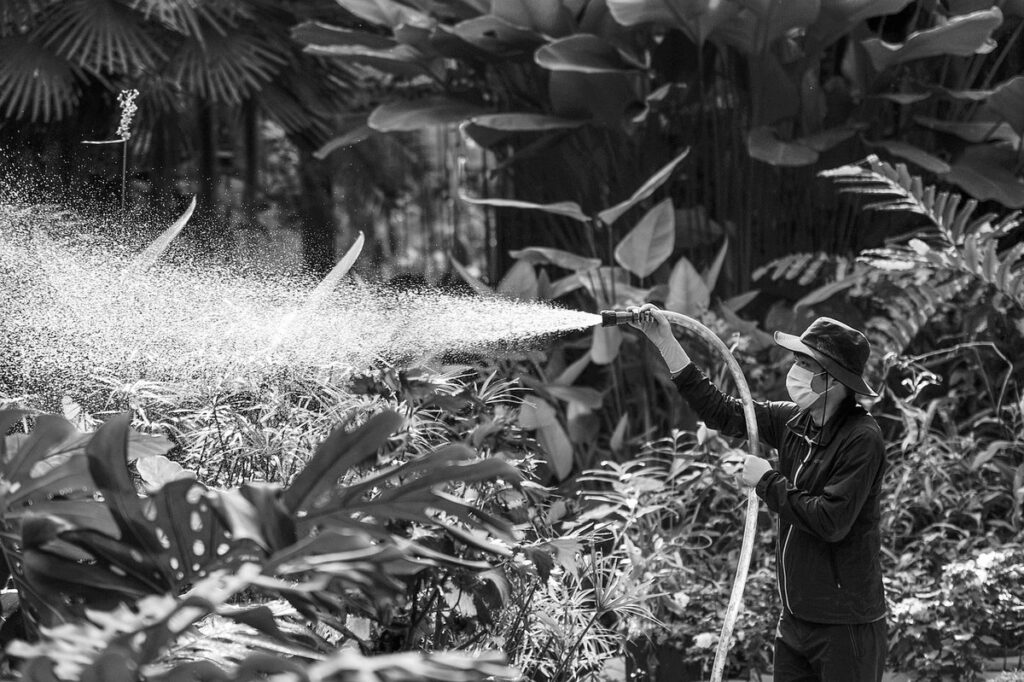
Understanding Plant Sprayers
When it comes to plant sprayers, understanding their functionality and components is crucial for efficient use. In this next part, we’ll delve into the inner workings of these gardening tools.
What is a Plant Sprayer?
A plant sprayer is a handheld device used to distribute water or liquid solutions evenly and efficiently onto plants. Its primary purpose is to provide an adequate amount of moisture, nutrients, and other essential substances directly to the roots or leaves of plants. This tool has become an indispensable asset for gardeners, farmers, and landscape professionals alike.
A plant sprayer can be used in various gardening applications, including watering lawns, gardens, and indoor plants. It’s particularly useful for delicate or hard-to-reach areas, such as between pavers or under dense foliage. When filled with a fertilizer solution, it helps promote healthy growth and reduces waste by targeting specific plant needs.
When selecting a plant sprayer, consider factors like capacity, nozzle type, and material durability. Choose one that suits your gardening style and the size of your project. With proper use and maintenance, a plant sprayer can be a valuable addition to any gardener’s toolkit, providing efficient and targeted care for plants of all types.
Importance of Plant Sprayers in Gardening
Plant sprayers have become an indispensable tool for gardeners, and it’s easy to see why. Not only do they make watering a more efficient process, but they also provide numerous benefits over traditional manual watering methods.
One of the most significant advantages of using plant sprayers is their ability to conserve water. By delivering targeted droplets directly to the roots of plants, you can reduce evaporation and runoff, ensuring that every drop counts. This is especially crucial in areas with water restrictions or for gardeners who need to manage their water consumption.
Another benefit of plant sprayers is their precision and accuracy. Unlike manual watering methods, which can lead to overwatering and underwatering, sprayers allow you to apply the perfect amount of moisture to each plant, promoting healthy growth and preventing damage from excess water.
Types of Plant Sprayers
When it comes to choosing the right plant sprayer, understanding your options is key. Let’s dive into the main types of plant sprayers available for gardeners and farmers alike.
Manual Plant Sprayers
Manual plant sprayers are a simple yet effective way to deliver water or fertilizers to plants. These handheld devices typically consist of a bottle, nozzle, and handle, making them easy to use and clean. One of the main advantages of manual plant sprayers is their portability – they can be taken anywhere, making them ideal for small gardens, greenhouses, or even indoor plants.
In addition to their convenience, manual sprayers are also cost-effective and require minimal maintenance. However, one major disadvantage is that they can be time-consuming to use, especially when spraying large areas. This can lead to fatigue and may not be suitable for individuals with mobility issues.
Manual plant sprayers are best used for small-scale applications or for delicate plants that require a gentle touch. They’re also perfect for applying fertilizers, pesticides, or other chemicals to specific areas of the plant without causing damage to surrounding foliage. To get the most out of your manual plant sprayer, be sure to choose one with a fine nozzle and adjust the spray pattern according to the type of application.
Automatic Plant Sprayers
Automatic plant sprayers are designed to make watering your plants easier and more efficient. These devices typically feature a timer-controlled spray nozzle that waters your plants at set intervals, allowing you to schedule watering sessions in advance.
One of the main benefits of automatic plant sprayers is their ability to reduce overwatering, which can be detrimental to plant health. By controlling the amount of water delivered, these sprayers help prevent root rot and other issues associated with excessive moisture. They’re also perfect for busy individuals who may not have the time to manually water their plants every day.
In ideal applications, automatic plant sprayers are best suited for indoor plants that require consistent watering schedules, such as ferns or peace lilies. They can be placed in a corner of the room and connected to a water source via a hose or tube. Simply set the timer according to your plant’s needs, and let the device do the work for you.
When choosing an automatic plant sprayer, consider the type of plants you’re caring for and their specific watering requirements. This will help you select a model that meets their needs effectively.
Battery-Powered Plant Sprayers
Battery-powered plant sprayers have become increasingly popular among gardeners and landscapers due to their portability, convenience, and eco-friendliness. These sprayers are perfect for those who need to water plants on-the-go or in areas where access to electricity is limited.
One of the significant advantages of battery-powered plant sprayers is their lightweight design, making them easy to carry around. This feature allows users to quickly and efficiently water multiple plants without feeling weighed down. Additionally, these sprayers often come with adjustable nozzles, enabling precise watering control.
When it comes to eco-friendliness, battery-powered plant sprayers are an attractive option. They eliminate the need for extension cords or generators, which can be noisy and polluting. Furthermore, many of these sprayers are designed with environmentally responsible materials, such as BPA-free plastic and durable components.
To get the most out of your battery-powered plant sprayer, ensure you regularly clean it to maintain optimal performance. Also, choose a model with a long-lasting battery life to minimize downtime.
Benefits of Using a Plant Sprayer
Using a plant sprayer has numerous advantages for gardeners, from saving time and effort to achieving precise water distribution. Let’s explore these benefits in detail!
Water Conservation
Using a plant sprayer can have a significant impact on conserving water in gardening. When used correctly, these devices can help you achieve efficient watering practices that not only reduce waste but also promote healthy plant growth.
One of the primary ways plant sprayers aid in water conservation is by minimizing evaporation and runoff. Unlike traditional sprinkler systems, which can lose up to 50% of their water supply due to evaporation and overspray, plant sprayers deliver a precise stream of water directly to the roots of your plants. This targeted approach significantly reduces waste and ensures that every drop counts.
To make the most of your plant sprayer, focus on using it at the right time. For example, consider watering in the early morning or evening when temperatures are cooler, reducing evaporation rates. Additionally, avoid overwatering by checking the soil moisture before each use. A general rule of thumb is to water plants when the top 1-2 inches of soil feels dry to the touch.
When choosing a plant sprayer, look for models with adjustable nozzles and flow rates to accommodate your specific watering needs. Some popular types include handheld sprayers, hose-end sprayers, and even battery-operated options that allow you to water from anywhere in the garden without lugging around heavy hoses.
Reduced Chemical Use
When using a plant sprayer, one of the most significant benefits is the reduction of chemical usage in gardening. By switching to a more efficient and targeted application method, you can significantly decrease the amount of chemicals needed for pest control and fertilization.
Not only does this reduce the environmental impact, but it also minimizes exposure risks for gardeners and their families. With a plant sprayer, you can precision-spray areas that need attention, leaving surrounding plants untouched. This approach allows for the use of organic products, which are gentler on plants and the environment.
The benefits of using organic products are numerous. They promote soil health, increase crop resilience, and foster biodiversity in your garden. Many organic fertilizers and pest control methods are also more cost-effective in the long run. For example, compost tea is a natural fertilizer that can be made at home with minimal equipment, providing essential nutrients to plants without adding synthetic chemicals.
By incorporating a plant sprayer into your gardening routine, you’ll not only reduce chemical usage but also promote healthier and more sustainable gardening practices.
Improved Soil Health
Using a plant sprayer can have a significant impact on soil health, reducing erosion and improving water absorption. Soil degradation is a growing concern worldwide, with over 30% of the world’s arable land suffering from erosion. Plant sprayers help to minimize this problem by delivering targeted watering to specific areas, reducing runoff and preventing topsoil loss.
When you use a plant sprayer, you’re also improving the soil’s ability to absorb water. This is especially important during periods of drought or water scarcity, as healthy soil can store more moisture than dry soil. A study by the USDA found that well-managed soils with high organic matter content can hold up to 20% more water than poorly managed soils.
To maximize the benefits of your plant sprayer on soil health, make sure to use a gentle spray setting and avoid overwatering. This will help prevent compaction and promote healthy root growth. Regularly monitoring soil moisture levels and adjusting your watering schedule accordingly can also help maintain optimal soil conditions.
Choosing the Right Plant Sprayer
When it comes to selecting a plant sprayer, there are many factors to consider, from nozzle types to flow rates and pressure levels, so let’s break down your options.
Key Features to Consider
When selecting a plant sprayer, there are several key features to consider to ensure you get the right tool for the job. Pressure is one of the most critical factors to think about. Look for a sprayer that can reach high pressures (usually above 3000 psi) to effectively penetrate thick vegetation and stubborn weeds.
Another essential feature is flow rate, which measures how much liquid the sprayer can deliver per minute. A higher flow rate typically means faster coverage, but it also increases water usage. Choose a sprayer with an adjustable flow rate to accommodate different watering tasks.
The material of the sprayer is also crucial. Durable materials like stainless steel and brass are resistant to corrosion and can withstand harsh chemicals. Avoid plastic or aluminum sprayers, which may crack or corrode over time. Consider your specific needs and the environment you’ll be using the sprayer in when making this decision.
Brand Comparison and Reviews
When it comes to choosing the right plant sprayer for your gardening needs, understanding the various brands available can be overwhelming. Let’s take a closer look at some of the most popular plant sprayer brands, their product offerings, prices, and customer reviews.
Gardena is a well-known brand in the gardening industry, offering a wide range of plant sprayers with advanced features such as adjustable nozzles and comfortable grips. Their products are generally priced between $20 to $50, making them an affordable option for many gardeners. With an average rating of 4.5 stars on Amazon, Gardena’s plant sprayers have received rave reviews from customers who appreciate their ease of use and effectiveness.
Another popular brand is Fimco, known for its high-quality, commercial-grade plant sprayers. Their products are typically more expensive than Gardena’s, ranging from $50 to $100. However, many customers swear by Fimco’s durability and ability to handle heavy-duty gardening tasks. With an average rating of 4.7 stars on Amazon, it’s clear that Fimco has earned a loyal following among gardeners.
When selecting a plant sprayer brand, consider your specific needs and budget. If you’re looking for affordability and ease of use, Gardena may be the way to go. On the other hand, if you require a heavy-duty sprayer with advanced features, Fimco might be the better choice. Be sure to read customer reviews and compare prices before making a decision.
Some notable mentions include:
* Scotts: Known for their wide range of gardening products, including plant sprayers that cater to specific gardening tasks such as weed control and fertilizer application.
* Miracle-Gro: Offers a variety of plant sprayers with innovative features like adjustable spray patterns and built-in measuring cups.
* Greenworks: Provides eco-friendly plant sprayers with advanced features such as precision nozzles and comfortable grips.
When choosing between these brands, consider factors such as price, product features, and customer reviews to find the best fit for your gardening needs.
Tips for Maintenance and Care
Regular maintenance and care are crucial to extend the lifespan of your plant sprayer and ensure it continues to perform optimally. To keep your sprayer in good condition, start by cleaning it after each use. This involves rinsing the tank, nozzle, and other parts with warm soapy water, followed by a thorough rinse with clean water.
To prevent clogging and mineral buildup, mix 1 tablespoon of white vinegar with 1 gallon of water in the tank. This solution will help dissolve any mineral deposits and prevent future buildup. For tougher stains or stubborn residue, use a soft-bristled brush to gently scrub the affected areas.
It’s also essential to store your sprayer properly when not in use. Disconnect the hose from the nozzle, drain excess water from the tank, and hang it upside down to dry. This will help prevent bacterial growth and extend the life of the sprayer. By following these simple maintenance tips, you’ll be able to enjoy optimal performance from your plant sprayer for years to come.
Best Practices for Using a Plant Sprayer
To get the most out of your plant sprayer, it’s essential to follow some best practices that’ll help you use it safely and effectively every time. We’ve got you covered with our top tips inside!
Safety Precautions
When using a plant sprayer, safety should always be your top priority. To ensure you’re protected while spraying plants, start by wearing protective gear. This includes long-sleeved shirts, pants, and closed-toe shoes to prevent skin contact with potential irritants or chemicals.
A face mask or respirator can also help filter out airborne particles or fumes from the spray. Safety goggles or glasses are essential for protecting your eyes from any accidental sprays or chemical splashes. Be sure to choose a protective gear set that fits well and is designed specifically for gardening tasks.
It’s equally important to follow handling instructions for your plant sprayer. Always read the manual carefully before use, and familiarize yourself with the device’s parts and functions. Keep the sprayer away from children and pets, and store it in a secure location when not in use. Regularly clean and maintain your sprayer to prevent clogs and ensure optimal performance.
Watering Techniques
Using a plant sprayer is not just about distributing water; it’s also an opportunity to adopt optimal watering techniques that promote healthy growth and prevent water waste. One of the key strategies for covering large areas efficiently is to use a wide fan tip on your sprayer, which allows you to reach up to 10 feet in diameter with a single pass.
When spraying large areas, it’s essential to maintain a steady pace while keeping the nozzle moving in a slow and deliberate motion. This will ensure even coverage without creating puddles or runoff. To avoid overwatering, keep an eye on your plants’ responses to watering and adjust your technique accordingly.
To achieve optimal results with your plant sprayer, remember to water at the base of the plants rather than getting the leaves wet. This reduces the risk of fungal diseases and allows the soil to absorb the right amount of moisture. By adopting these techniques, you’ll be able to provide your plants with the perfect balance of hydration and air circulation, ultimately contributing to their overall health and well-being.
Troubleshooting Common Issues
Clogged nozzles are one of the most frustrating issues you can encounter with a plant sprayer. To prevent this, make sure to clean your nozzle regularly by soaking it in warm soapy water. For stubborn clogs, try using a mixture of equal parts water and white vinegar. Apply the solution to the nozzle and let it sit for 10-15 minutes before rinsing thoroughly.
Another common issue is low pressure, which can be caused by a variety of factors including air leaks or dirty filters. To address this, check your sprayer’s seals and connections for any signs of wear or damage. Replace them if necessary. Also, ensure that the filter is clean and free from debris. If you’re still experiencing issues, try priming the pump to remove any air pockets.
It’s also essential to regularly maintain your plant sprayer by lubricating moving parts and storing it in a dry place when not in use. This will help extend its lifespan and prevent clogs. By following these simple tips, you can minimize common problems with your plant sprayer and enjoy optimal performance.
Frequently Asked Questions
Can I use a plant sprayer on all types of plants?
Yes, a well-maintained plant sprayer can be used for various plant species, including flowers, vegetables, fruits, and trees. However, it’s essential to consider the specific needs of your plants, such as their watering requirements and sensitivity to certain chemicals.
How often should I clean my plant sprayer?
Regular cleaning is crucial to prevent bacterial growth and maintain the effectiveness of your plant sprayer. We recommend cleaning your device after each use with mild soap and water, followed by thorough rinsing and drying.
What’s the ideal pressure setting for a plant sprayer?
The ideal pressure setting varies depending on the type of plants you’re watering and their specific needs. Generally, a low to moderate pressure setting (around 10-20 PSI) is suitable for most gardening applications. However, it’s best to consult your device’s manual or manufacturer guidelines for specific recommendations.
Can I use a plant sprayer with fertilizers or other additives?
Yes, you can use a plant sprayer with fertilizers and other additives, but be sure to follow the recommended dilution ratios and take necessary safety precautions. This includes wearing protective gloves and eyewear when handling chemicals.
How do I know if my plant sprayer is producing too much water pressure?
If your plant sprayer is producing excessive water pressure, it may lead to wasted water or damage to plants. Check for signs like uneven watering patterns, overflowing pots, or dislodged soil. Adjust the nozzle or consult your device’s manual to adjust the pressure setting accordingly.