
As a landowner or gardener, you’ve likely struggled with protecting your property from curious deer. One crucial aspect to consider when installing deer fencing is its height – too short and those pesky deer will easily jump over it; too tall and it may become a costly investment that’s not feasible for your space. But don’t worry, choosing the right deer fencing height doesn’t have to be a daunting task. In this guide, we’ll walk you through the essential factors to consider when selecting the perfect deer fencing height for your property, including local ecosystem conditions, deer behavior patterns, and compliance regulations in your area. By understanding these key elements, you’ll be able to make an informed decision that effectively keeps deer out while respecting the environment.
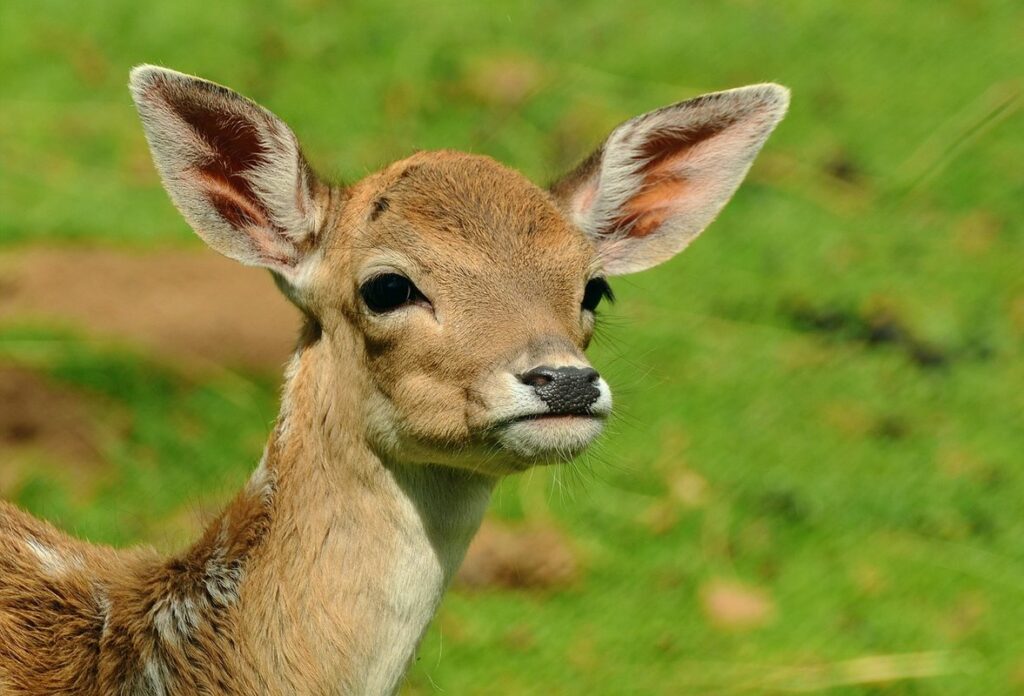
Understanding Deer Behavior and Habitat
To choose the right deer fencing height, you need to understand how deer behave and what they prefer when it comes to habitat. This knowledge will inform your decision on fence height and style.
Identifying Deer Migration Patterns
When identifying deer migration patterns on your property, it’s essential to recognize common routes and seasonal changes in behavior. Deer tend to migrate along established trails, often following natural features like streams, roads, or forest edges.
Observe the surrounding landscape and note areas with high vegetation growth, such as meadows or woodlands, which can attract deer during certain times of the year. Look for signs of deer activity, like tracks, scat, or rubs on trees. Also, consider the time of day when deer are most active: typically early morning and late evening.
Be aware that seasonal changes can significantly impact deer migration patterns. During winter months, deer may congregate in areas with food sources, such as agricultural fields or wintering grounds with abundant vegetation. Conversely, during spring and fall, deer may migrate to higher elevations or other areas with suitable habitats.
Keep a record of observed deer activity over time, noting specific dates, times, and locations. This will help you refine your understanding of local deer migration patterns and inform decisions about deer fencing height on your property.
Analyzing Local Ecosystem Factors
When analyzing local ecosystem factors, it’s essential to consider what attracts deer to an area. Food sources play a significant role, with lush vegetation and nutrient-rich soils drawing deer in. For instance, if you have a garden or orchard nearby, deer may be attracted by the availability of juicy fruits, vegetables, and other edible plants.
Similarly, water availability is another critical factor. Deer need access to clean drinking water, especially during periods of high demand, such as droughts or hot summer months. Areas with abundant water sources, like streams, rivers, or ponds, tend to attract more deer.
The type of vegetation in your area also impacts deer behavior and habitat needs. For example, if you have a mix of deciduous and evergreen trees, deer may use the forest for shelter and feeding. Consider these local ecosystem factors when determining deer fencing height, as they can influence the effectiveness of your fence. A well-designed fence should take into account both the natural attractions and escape routes used by deer in your area.
Determining Fencing Purpose and Intended Use
When deciding on the height of your deer fencing, it’s essential to determine its purpose and intended use. This will help you choose the right type of fence that meets your specific needs.
Firstly, consider whether you want to keep deer out or keep them in. If you’re looking to protect your garden or yard from deer damage, a perimeter fence with a height of at least 8 feet is recommended. This will prevent deer from easily jumping over and accessing the area. On the other hand, if you’re trying to create a habitat for deer on your property, a lower fence height may be suitable.
It’s also crucial to think about how you plan to use your fence in relation to deer behavior and movement patterns. For example, if you live near a forest or woodland area, deer are likely to travel through the region during certain times of the year, such as migration periods. In this case, a higher fence height may be necessary to prevent deer from entering your property.
Consider the size and number of deer that will be using your fence, as well as their potential escape routes and entry points. A good rule of thumb is to assume one deer can jump over 8 feet with ease, so adjust your fence height accordingly based on local regulations or expert advice.
Measuring and Assessing Deer Pressure
To determine the ideal deer fencing height, you’ll need to measure and assess deer pressure on your property, which involves understanding their behavior and habits. This will help inform your fencing decision.
Calculating Deer Density
To accurately determine whether deer fencing height is sufficient for your property, it’s essential to calculate deer density within your given area. Deer density refers to the number of deer per unit of land and can be a crucial factor in choosing the right fence height.
You can use the “Deer Density Calculator” by the Quality Deer Management Association (QDMA) to estimate deer density. This tool allows you to enter variables such as:
• Property size
• Hunting season dates
• Type of vegetation on your property
Alternatively, you can use a more traditional approach by counting deer sightings or harvest data over a specific period and dividing that number by the total area of your land.
A general rule of thumb is to assume an average deer density of 20-30 deer per square mile. However, this can vary depending on factors like habitat quality, surrounding landscape, and local regulations.
To get a more accurate reading, consider consulting with a wildlife biologist or using trail camera data to monitor deer activity on your property.
Evaluating Fencing Materials and Durability
When it comes to choosing the right deer fencing for your property, selecting durable materials is crucial to withstand deer pressure and harsh environmental conditions. A fence that can’t hold up against strong winds, heavy rainfall, or extreme temperatures won’t last long, no matter how high you build it.
Look for fencing materials that are resistant to rot, decay, and insect damage. Wood options like cedar or cypress are good choices because they naturally resist these issues. However, be aware of the wood’s natural oils, which can stain surrounding surfaces. Vinyl or PVC fencing is another popular option, as it’s low-maintenance and resistant to weathering.
Consider factors like soil type, climate, and local wildlife habits when selecting materials. For example, if you live in an area with high salt content in the soil, a fence made from aluminum or galvanized steel may corrode faster than expected. On the other hand, if your property is prone to heavy snowfall, a sturdy wooden fence might be more suitable.
When evaluating fencing durability, also consider its weight and installation requirements. Ensure the posts are anchored deep enough into the ground to withstand strong winds and animal pressure. This will prevent damage and reduce maintenance costs in the long run.
Recording Fence Maintenance and Repairs
Tracking deer fence maintenance and repairs is crucial to ensuring its longevity and effectiveness. To do this, it’s essential to establish a record-keeping system that logs every repair, replacement, and inspection of the fence over time.
Start by assigning specific tasks to individuals or teams responsible for monitoring the fence. Designate a spotter or an assigned person to walk the fence line regularly, checking for signs of damage, wear, and tear. Make note of any areas that show excessive stress, such as gates, posts, or sections prone to wind damage.
Keep a dedicated logbook or spreadsheet with columns for date, location, description of repair, materials used, and estimated cost. Include photos or notes of the repair process to aid in future reference. This record will help you identify patterns, predict potential issues, and allocate resources more efficiently. For example, if multiple repairs occur in the same area due to deer pressure, it might be necessary to reinforce that section with higher-quality fencing or adjust the existing height accordingly.
Review your records at least twice a year to assess overall fence performance, anticipate needs, and plan for upcoming maintenance tasks.
Setting Optimal Deer Fencing Height
When it comes to keeping deer out of your garden, setting the optimal fencing height is crucial. Let’s explore the ideal fencing heights for different types of deer and landscapes.
Factors Influencing Deer Jumping Ability
When determining deer fencing height, it’s essential to consider various factors that can influence a deer’s jumping ability. One significant factor is body size: larger deer are capable of clearing higher fences than their smaller counterparts. For example, white-tailed deer, which can weigh up to 300 pounds, require more substantial fencing barriers than the smaller mule deer.
Age also plays a crucial role in determining a deer’s jumping ability. Fawns, or young deer, tend to be less agile and have shorter legs than adult deer, making them less likely to clear high fences. However, as they mature and grow stronger, their jumping ability increases significantly.
Additionally, the breed of deer can also impact their jumping ability. For instance, Axis deer are renowned for their impressive leaping capabilities, with some individuals able to jump over 6 feet tall.
In reality, the most critical consideration when determining deer fencing height is the age and size of the deer in your area. By taking these factors into account, you can install a fence that effectively deters deer from jumping over it.
Evaluating Topography and Terrain Features
When evaluating topography and terrain features, it’s essential to consider their impact on deer jumping behavior and fence effectiveness. Deer are notorious for their ability to jump high and long distances, but this can be influenced by the surrounding landscape.
For example, a slope with a steep incline may encourage deer to jump higher to clear the obstacle, whereas a gentle slope might lead them to attempt lower jumps. Similarly, ridges and valleys can create channels that funnel deer towards or away from your fence. To account for these terrain features, consider the following:
* For sloping areas, increase the fence height by 1-2 feet to ensure it’s tall enough to prevent jumping.
* On ridges, reduce the fence height slightly (by 6-12 inches) as deer tend to jump more conservatively due to their reduced running speed.
* In valleys, where deer often gain speed before approaching the fence, increase the height by 1-2 feet to account for their increased energy.
Keep in mind that these are general guidelines and should be adjusted based on your specific terrain and deer population.
Averaging Fencing Heights for Optimal Effectiveness
When determining the optimal deer fencing height, it’s essential to consider the average heights at which deer tend to jump. One method for calculating this is by analyzing deer jumping patterns in various regions and habitats. For instance, a study conducted by the University of Michigan found that white-tailed deer typically clear 6-7 feet high fences, while mule deer can leap as high as 8 feet.
To calculate an average fencing height based on your specific region’s deer population, consider factors such as:
* Deer species and their respective jumping abilities
* Habitat and terrain characteristics (e.g., steep slopes, dense forests)
* Local deer populations’ known behavior patterns (e.g., migration routes, feeding grounds)
You can also consult with local wildlife experts or fencing professionals who have experience working with deer control systems. They can provide valuable insights into the average fence heights that have proven effective in your area.
Keep in mind that an optimal fence height is not a one-size-fits-all solution; it will vary depending on specific conditions. By considering regional deer behavior and jumping patterns, you can make an informed decision about the most effective fencing height for your property.
Additional Considerations for Deer-Proofing Your Property
When it comes to creating a truly deer-proof perimeter, there are several factors beyond fence height that can make all the difference in keeping those pesky critters out. We’ll explore these key considerations together next.
Plant Selection and Landscaping
When it comes to deer-proofing your property, plant selection and landscaping can play a crucial role in reducing deer attraction to certain areas. By choosing the right plants and designing your landscape with deer behavior in mind, you can minimize the need for excessive fencing or other deterrents.
For example, if you have a garden filled with deer favorites like hostas, daylilies, or coneflowers, it’s likely that these areas will continue to attract deer, regardless of your fence height. By relocating or replacing these plants with deer-resistant options, such as boxwood, yew, or ornamental grasses, you can create a more deer-deterrent landscape.
Consider the following tips when selecting plants for your property:
* Choose native plants that are less appealing to deer
* Select plants with strong scents or tastes that deer tend to avoid
* Use physical barriers, such as rocks or gravel, to block access to sensitive areas
* Incorporate visual deterrents, like reflective tape or shiny objects, to scare deer away
Using Deterrents and Repellents
When it comes to deer-proofing your property, using deterrents and repellents can be an effective way to complement your fencing efforts. These methods work by creating a negative experience for deer, making them less likely to return to your property.
Consider using scent-based repellents that mimic the smell of predator urine or hot peppers. These can be applied directly to plants, trees, or other areas where deer are frequenting. For example, products containing capsaicin, the active ingredient in chili peppers, have been shown to repel deer effectively. A study by the University of Nebraska-Lincoln found that a spray containing 10% capsaicin reduced deer browsing by 70%.
Other options include ultrasonic repellent devices, which emit sounds undetectable to humans but unpleasant for deer. These can be particularly effective when used in combination with other deterrents. Additionally, consider using physical barriers like fencing or netting to cover specific plants or areas, making it difficult for deer to access their preferred feeding spots.
By incorporating these deterrents and repellents into your deer-proofing strategy, you can increase the effectiveness of your fencing efforts and reduce the presence of deer on your property.
Long-Term Maintenance and Upkeep
While selecting the right deer fencing height is crucial for effective deer proofing, it’s equally important to consider ongoing maintenance and repairs. A fence that’s not properly maintained can become a liability, allowing deer to easily breach it and causing damage to your property.
Regular inspections should be conducted at least twice a year, after harsh weather conditions or during periods of high deer activity. Look for signs of wear, such as sagging posts, loose wire, or damaged panels. Make sure to check the fence line regularly for any gaps or weaknesses that may have developed over time.
Repairing small issues promptly can save you from costly replacements down the road. For example, a single loose post can compromise the entire fence’s integrity if left unchecked. Consider enlisting the help of a professional for more complex repairs or if you’re unsure about how to address a specific issue.
By prioritizing ongoing maintenance and repairs, you’ll ensure your deer fence continues to protect your property effectively, even after its initial installation.
Deer Fencing Height Regulations and Compliance
To ensure you’re meeting local regulations, it’s crucial to understand deer fencing height requirements that vary by state and even region within your area. This section will break down these critical guidelines for compliance.
Checking Local Zoning Laws and Ordinances
When it comes to choosing the right deer fencing height, local zoning laws and ordinances can play a significant role. Before installing your fence, it’s essential to research and comply with these regulations to avoid potential fines or even having to dismantle your fence.
To start, you’ll want to visit your local government’s website or contact their planning department directly. They should be able to provide you with information on zoning laws and ordinances regarding deer fencing heights in your area. You can also check with your homeowners’ association (HOA) if you live in a development with such an organization.
Make sure to ask about any specific height requirements, setback rules, or other regulations that may apply. Some municipalities might have strict guidelines for deer fencing, while others may be more lenient. For instance, one town might require a minimum fence height of 8 feet to protect gardens and crops from deer damage, while another nearby town might only require a height of 6 feet.
It’s also essential to note that local zoning laws can vary greatly depending on your location. A fence that complies with regulations in one area may not meet the requirements in another. Always double-check and verify the information you find to ensure compliance.
Considering Environmental Impact
When considering environmental impact, it’s essential to weigh the benefits of deer fencing against potential drawbacks. Deer fencing can disrupt natural migration patterns and corridors, potentially isolating deer populations and affecting their ability to adapt to changing environments.
To minimize these effects, choose fencing materials that allow for wildlife passage or consider installing “wildlife corridors” – narrow pathways through which animals can move freely. For example, a study in Michigan found that allowing deer to pass through a fence reduced mortality rates by 50%.
In addition to considering the type of material and design, it’s also crucial to place the fence carefully. Avoid placing fencing along water sources or migration routes to minimize disruption. When installing a new fence, consider collaborating with local wildlife experts or conservation organizations to ensure that your deer control measures align with environmental goals.
Ultimately, finding an optimal balance between effective deer control and minimal environmental impact requires careful planning and collaboration.
Ensuring Fence Compliance with Local Regulations
When selecting a deer fencing height, it’s crucial to ensure that it complies with local regulations. These regulations can vary significantly depending on factors such as the state or region you’re in, and even specific areas within that region. A good starting point is to familiarize yourself with your area’s guidelines by contacting your local animal control department or building permits office.
It’s essential to consider not just the height of your fence but also its purpose. For example, if you’re looking to deter deer from entering your property for gardening purposes, the height might be different compared to fencing around a habitat restoration project. Your jurisdiction may have specific requirements for either of these scenarios.
Before making any purchases or initiating construction, research and confirm the regulations with local authorities. Some common factors considered in regulations include visibility requirements, material types, and distance from water sources.
Conclusion: Achieving Optimal Deer Fencing Height
In conclusion, choosing the right deer fencing height is crucial for effective protection of your garden or livestock. By considering factors such as the type of deer you’re dealing with and the severity of the damage they can cause, you can make an informed decision about the optimal height for your fence. Remember to take into account any obstacles on your property that may require a taller fence, such as nearby water sources or dense foliage. For example, if you live in an area prone to frequent deer migrations, it’s better to err on the side of caution and install a higher fence to prevent potential damage. Ultimately, finding the right balance between aesthetics and functionality is key to achieving optimal deer fencing height.
Frequently Asked Questions
What if I have a sloping terrain? How do I adjust the deer fencing height accordingly?
If you have a sloping terrain, it’s essential to consider the varying elevations when determining your fence height. In areas with steeper slopes, you may need to increase the fence height to prevent deer from jumping over. Conversely, in flatter areas, you can lower the fence height while maintaining effectiveness.
Can I use permanent fencing materials for seasonal protection?
Yes. While some gardeners prefer removable fencing for flexibility, you can opt for more durable, long-lasting materials like metal or high-density polyethylene (HDPE) fencing for year-round protection from deer.
How do I handle areas with existing deer habitats on my property?
When dealing with areas that attract deer, consider creating a separate fence section to keep these animals out of your garden. This approach can help prevent deer damage while still allowing them access to their natural habitats.
Should I consider adding deterrents or repellents in conjunction with proper fencing height?
Yes. While an optimal deer fencing height is crucial for prevention, combining it with effective deterrents like motion-activated sprinklers or repellent plants can further enhance your protection against curious deer.
Can I average the deer fencing heights of different sections to achieve a uniform solution?
Yes. If you have multiple areas on your property that require varying fence heights due to topography or specific habitat conditions, averaging these heights can provide a practical and effective solution for comprehensive deer protection.