
Are you tired of watching your beautiful cacti struggle to thrive in their pots? A well-balanced cactus soil mix is crucial for optimal growth, but with so many options available, it’s easy to get overwhelmed. You might be wondering what makes a good cactus soil mix, and how to avoid common mistakes that can lead to stunted growth or root rot.
In this article, we’ll show you how to create the perfect blend of DIY ingredients or choose the best commercial options for your cacti. We’ll also share expert tips on repotting techniques to ensure a smooth transition for your plants. By following our guide, you’ll learn everything you need to know about crafting a well-balanced cactus soil mix that will help your prickly friends thrive and flourish. Whether you’re a seasoned cactus enthusiast or just starting out, this article is packed with practical advice to get you growing like a pro!
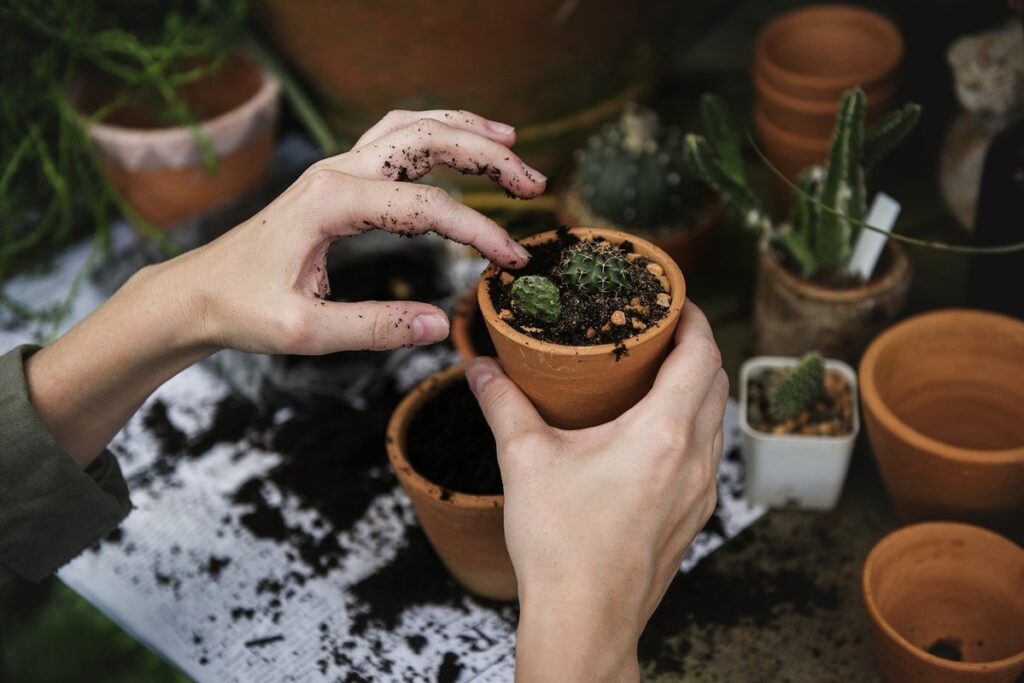
Understanding Cactus Soil Requirements
Now that we’ve discussed the basics of cactus care, let’s dive into the specifics of what your prickly friends need from their soil mix. This is where most gardeners go wrong, so keep reading to avoid costly mistakes.
What Makes a Good Cactus Soil Mix?
When it comes to choosing the right cactus soil mix, one of the most critical factors is ensuring that it contains the essential components for optimal growth. A well-balanced cactus soil mix should have three key properties: excellent drainage, sufficient water retention, and adequate nutrient content.
Drainage is perhaps the most crucial aspect, as cacti are prone to root rot if the soil is too moist. Look for a mix that contains perlite, vermiculite, or sand, which will help excess water escape quickly. Aim for a mix with at least 30% of these materials to ensure good drainage.
Water retention is also essential, as cacti need some moisture to thrive. A mix containing peat moss, coconut coir, or humus will retain enough water to keep your cactus happy. However, be cautious not to overdo it, as this can lead to waterlogged soil.
As for nutrient content, a balanced fertilizer is essential. Choose a mix that contains slow-release fertilizers like ammonium sulfate or urea. This will provide nutrients without burning your cactus’s roots. Aim for a mix with an N-P-K ratio of 10-20-10 or similar.
Common Mistakes to Avoid in DIY Cactus Soil Mixes
When creating your own DIY cactus soil mix, it’s easy to fall into common pitfalls that can harm your prickly plants. One of the most critical mistakes is over- or under-mixing ingredients. Cacti require a specific balance of sand, perlite, and compost to thrive. If you overmix, you’ll end up with a dense soil that prevents water from reaching the roots. Conversely, if you undermix, you may find yourself with a loose soil that washes away during watering.
Another mistake is using the wrong materials altogether. Some people make the mistake of using regular potting soil or garden soil, which can retain too much water and cause root rot. Alternatively, some may rely solely on sand, forgetting that cacti need organic matter to retain moisture and nutrients. To avoid these mistakes, start by combining 2-3 parts of a balanced potting mix with 1 part perlite or sand. Add small amounts of compost or worm castings to provide essential nutrients. Finally, be mindful of the pH level, as most cacti prefer slightly acidic soil (around 6.0-7.0).
The Importance of pH Levels in Cactus Soil
When it comes to providing the best possible environment for your cacti, maintaining a balanced pH level in their soil is crucial, and we’ll explore why that’s so important here.
Understanding pH Levels for Optimal Growth
Cacti are incredibly resilient plants that can thrive in a variety of environments, but their growth is heavily influenced by the pH level of their soil. The ideal pH range for cacti varies depending on the type of plant and its native habitat. For example, the popular Christmas Cactus (Schlumbergera bridgesii) prefers a slightly acidic to neutral soil pH between 6.0 and 7.5, while the majestic Saguaro Cactus (Carnegiea gigantea) thrives in well-draining soils with a more alkaline pH ranging from 7.5 to 8.5.
When it comes to choosing a cactus soil mix, understanding the ideal pH range for your specific plant is crucial. If the soil is too acidic or alkaline, it can lead to nutrient deficiencies and stunted growth. To ensure optimal growth, look for a cactus potting mix with a balanced pH level between 6.5 and 7.5. Some popular brands offer specialized mixes specifically designed for different types of cacti, so be sure to check the label or consult with a knowledgeable nursery professional to find the perfect match for your prickly friends.
How to Test and Adjust Your Cactus Soil’s pH Level
Testing and adjusting the pH level of your cactus soil is crucial to ensure your prickly friends thrive. A pH imbalance can lead to nutrient deficiencies, root damage, and even plant death. To check your cactus soil’s pH level, you’ll need a pH meter or testing kit specifically designed for soil analysis. Make sure to follow the manufacturer’s instructions for accurate results.
When taking the reading, it’s essential to take multiple measurements around 2-3 inches deep into the soil. This will give you an average pH value. If your pH test reveals that your cactus soil is too alkaline (above 7) or acidic (below 5), it’s time to make some adjustments.
To adjust the pH level, you can add sulfur to lower it or lime to raise it. However, be cautious when handling these materials, as they can cause skin irritation and eye damage. Wear gloves and protective eyewear when working with them. Start by making small adjustments (0.5-1 pH unit) and retest your soil until you reach the ideal pH range of 6.0-7.0 for most cacti species. Remember, it’s better to make gradual changes than risking shocking your plants with drastic shifts in pH levels.
Selecting the Best Commercial Cactus Soil Mix
When selecting a commercial cactus soil mix, it’s essential to consider factors such as drainage, pH level, and nutrient content that cater specifically to your cacti’s needs. Let’s explore these critical considerations together.
Brand Comparison: Pros and Cons of Popular Cactus Soil Mixes
When selecting a commercial cactus soil mix, it’s essential to compare popular options to find the best fit for your plants. Let’s take a closer look at some well-known brands: Miracle-Gro Cactus Potting Mix, Black Kow All Purpose Potting Mix, and Espoma Organic Cactus Mix.
Miracle-Gro Cactus Potting Mix is a great choice for beginners, offering good drainage and water retention capabilities. However, it may contain high levels of nitrogen, which can harm cacti if overfertilized. It also has a relatively high price point compared to other options.
Black Kow All Purpose Potting Mix is another popular option, known for its balanced pH level and ability to retain moisture. However, some users have reported issues with nutrient deficiencies in this mix, particularly nitrogen and potassium.
Espoma Organic Cactus Mix stands out as an eco-friendly choice, made from natural ingredients like worm castings and composted bark. While it may not provide the best drainage capabilities, it offers a slow release of nutrients that promote healthy root growth.
Ultimately, when choosing between these options, consider your plant’s specific needs and preferences. If you’re new to cactus care, Miracle-Gro may be the way to go due to its ease of use. However, if you prioritize organic ingredients and a more balanced nutrient profile, Espoma Organic Cactus Mix is worth considering.
Factors to Consider When Choosing a Commercial Cactus Soil Mix
When it comes to selecting a commercial cactus soil mix, there are several key factors to consider beyond just choosing a product that claims to be “cactus-friendly.” One of the most obvious considerations is price: how much are you willing to spend on a bag of soil? While it’s tempting to go for the cheapest option, keep in mind that some premium products may contain higher-quality ingredients or offer better drainage capabilities.
Look for customer reviews and ratings from other cactus enthusiasts – they can provide valuable insights into the product’s performance in real-world conditions. Consider factors like ingredient quality: is the mix made with organic materials, or are there fillers and additives present? Check the pH level of the soil to ensure it’s within a suitable range for your cacti.
You should also consider what kind of cacti you’re growing – some species require more specific conditions than others. For example, if you have sensitive plants like Christmas cactus or Easter cactus, look for a mix specifically designed for seed starting or young plants.
DIY vs. Store-Bought Cactus Soil: Which is Better?
When it comes to potting your cacti, one crucial decision is whether to use store-bought soil mix or create your own DIY blend. Let’s weigh the pros and cons of each option.
Pros and Cons of Making Your Own Cactus Soil Mix
Creating your own cactus soil mix can be a cost-effective and customized solution for your prickly friends. By mixing different ingredients, you can tailor the blend to meet the specific needs of your plants. For example, if you have a sensitive species that requires extra drainage, you can add more perlite or sand to the mix.
However, making your own cactus soil mix also has some potential drawbacks. One major con is the risk of over- or under-fertilization, as it can be challenging to balance the nutrient levels when creating a custom blend. Additionally, using locally sourced materials may not provide the same consistency and quality control that commercial potting mixes offer.
On average, making your own cactus soil mix can save you around 30% compared to buying store-bought options. But consider this: if you’re new to cacti care or unsure about creating a custom blend, it might be more cost-effective in the long run to invest in high-quality commercial potting mixes that are specifically designed for cacti and succulents.
Tips for Successfully Creating a Custom Cactus Soil Mix
Creating an effective DIY cactus soil mix can be a game-changer for your prickly friends. To get started, you’ll need to combine the right ingredients in the correct proportions. A general rule of thumb is to use 1 part peat moss or coconut coir, 1 part perlite or vermiculite, and 2 parts sand. You can adjust this ratio based on your specific cactus’s needs.
When mixing your DIY soil mix, it’s essential to avoid over-mixing. This can compact the ingredients and prevent proper drainage, which is detrimental to cacti. Instead, gently fold the ingredients together until they’re just combined. If you’re using perlite or vermiculite, be sure to break down any clumps before adding them to the mix.
Before planting your cactus in the new soil mix, test its pH level to ensure it’s within the recommended range (around 6.0-7.5). You can do this using a simple soil testing kit available at most gardening stores. If your DIY mix is too alkaline or acidic, adjust the recipe accordingly and retest until you reach the ideal pH.
Repotting Your Cactus: When and How
Now that you have your cactus soil mix, it’s time to repot your prickly friend into a fresh new home. Learn when and how to repot for optimal growth.
Signs That Your Cactus Needs a New Potting Mix
As you care for your cactus, it’s essential to monitor its growth and adjust its environment accordingly. One crucial sign that indicates your cactus needs a new potting mix is excessive root growth. If the roots have outgrown the container, they may become constricted, leading to reduced water and nutrient uptake. Check if the roots are circling or pushing against the sides of the pot; this is a clear indication that it’s time for repotting.
Another sign is waterlogging in the soil mix. Cacti prefer well-draining mixes to prevent root rot. If you notice standing water or soggy soil, it may be due to an inadequate drainage system or a too-dense mix. In such cases, repot your cactus with a fresh, well-draining potting mix.
Regularly inspecting your cactus’s growth and adjusting its environment accordingly will ensure its continued health and thriving.
Step-by-Step Guide to Repotting Your Cactus
When repotting your cacti, it’s essential to handle them with care to avoid injury from their spines. To begin, choose a well-ventilated area and gently remove the plant from its old pot, taking extra caution not to poke yourself on the stems or roots. If you’re unsure about the best approach, consider using tongs or gloves for added protection.
Next, inspect the roots to see if they’ve outgrown their container. If so, trim any circling or damaged roots with a sterile knife or pruning tool. Once prepared, place a layer of fresh cactus soil mix in the new pot – about 1-2 inches deep – and position your plant accordingly. Fill in the remaining space with more mix, leaving enough room for watering.
Avoid compacting the mix too tightly, as this can prevent proper drainage. Instead, gently firm it around the roots to secure the plant in place. Finally, water sparingly to settle the mix before placing your repotted cactus in its new home.
Common Problems Caused by Poor Soil Mixes
Using a subpar cactus soil mix can lead to frustrating problems, from root rot to nutrient deficiencies, so let’s explore these common issues together.
How Insufficient Drainage Affects Your Cactus’s Health
Poor drainage is one of the most common issues that can arise from using an inadequate cactus soil mix. When water doesn’t drain quickly enough from the soil, it can lead to a range of problems for your prickly friends.
For instance, root rot is a frequent consequence of poor drainage. When roots are constantly saturated with water, they begin to break down and decay, leading to a decline in your cactus’s overall health. Waterlogging also becomes an issue when the soil holds onto excess moisture for too long, causing your cactus to develop soft or mushy stems.
Other common issues resulting from poor drainage include fungal infections and nutrient deficiencies. When the roots are rotting away, they’re unable to absorb essential nutrients from the soil. This can weaken your cactus’s immune system and make it more susceptible to diseases.
To prevent these problems, ensure that your cactus is planted in a well-draining mix that allows excess water to escape quickly. You can also help by watering wisely – avoid overwatering, and allow the top layer of soil to dry out between waterings.
Consequences of Using Soil With Too Many Fertilizers
Using soil mixes with excessive fertilizers can have severe consequences on cactus health. When too many nutrients are present, it can lead to an overabundance of nitrogen, phosphorus, and potassium, causing the plant to become dependent on external sources of sustenance rather than developing its own root system.
This imbalance can also result in salt buildup within the soil, which can be toxic to cacti. Prolonged exposure to high levels of fertilizers can cause roots to rot, leading to a decrease in water and nutrient uptake. As a result, your cactus may begin to show signs of stress, such as yellowing or droopy stems.
If you suspect that the fertilizer content in your soil mix is too high, look for symptoms like white salt deposits on the surface or an unpleasant odor emanating from the potting mix. To avoid this issue altogether, choose a well-balanced cactus soil mix that contains natural ingredients and minimal added fertilizers.
Conclusion: Choosing the Right Cactus Soil Mix for Success
Now that you’ve learned what makes a great cactus soil mix, it’s time to put your knowledge into action and choose the perfect blend for your plants. We’ll summarize key takeaways to ensure success.
Recap of Key Takeaways
In conclusion to our comprehensive guide on choosing the right cactus soil mix, let’s recap the key takeaways that will set you up for success. By now, you should have a clear understanding of what makes a well-balanced cactus soil mix and how it affects the health and growth of your beloved prickly friends.
First and foremost, we emphasized the importance of drainage in a cactus soil mix. A mix with excellent water-holding capacity will prevent root rot and ensure that your plants receive the necessary nutrients. To achieve optimal results, look for a mix containing ingredients like perlite or sand, which help to improve drainage and prevent waterlogged soil.
Next, we discussed the significance of pH levels in cactus soil. Cacti thrive in slightly acidic to neutral soils with a pH range between 6.0 and 7.5. A mix that falls within this range will provide your plants with an optimal environment for growth. If you’re unsure about the pH level of your mix, consider investing in a pH test kit or consulting with a local nursery expert.
Nutrient content is another crucial aspect to consider when selecting a cactus soil mix. Cacti require a balanced diet of macronutrients (nitrogen, phosphorus, and potassium) as well as micronutrients like iron and magnesium. Look for a mix that contains these essential nutrients or supplement your plants with fertilizer specifically formulated for cacti.
Lastly, we highlighted the importance of selecting a reputable brand and reading reviews from other cactus enthusiasts. By doing so, you’ll gain valuable insights into the performance of different mixes and make an informed decision that meets the unique needs of your plants.
By incorporating these key takeaways into your decision-making process, you’ll be well on your way to creating an ideal environment for your cacti to flourish. Remember, selecting the right cactus soil mix is a crucial step in achieving optimal growth, so don’t hesitate to ask questions or seek advice from experts if needed.
Frequently Asked Questions
How Do I Know if My Cactus Soil Mix is Too Acidic or Alkaline?
If you’re unsure whether your cactus soil mix’s pH level is suitable for your plant, look for signs like yellowing leaves, weak growth, or even root rot. You can also test the pH level using a DIY kit or send a sample to a lab for analysis. Remember that most cacti prefer a slightly acidic to neutral pH range (around 6.0-7.0).
Can I Mix My Own Cactus Soil Mix Using Different Types of Sand?
Yes, you can create a custom cactus soil mix using various types of sand, such as play sand or perlite. However, be cautious not to overdo it with the sand content, as this can lead to poor water retention and increased risk of root rot.
How Often Should I Repot My Cactus?
Repot your cactus every 1-3 years, depending on its growth rate and pot size. A good rule of thumb is to repot your cactus when it has outgrown its container or is showing signs of waterlogging. This will give you a chance to refresh the soil mix and provide fresh nutrients.
Can I Use Regular Potting Soil for My Cacti?
No, regular potting soil can be detrimental to cacti due to its high nutrient content and poor drainage. Using regular potting soil can lead to over-fertilization, which can cause more harm than good. Stick with a well-balanced cactus-specific soil mix or create your own custom blend using the right ingredients.
How Do I Store My Cactus Soil Mix for Future Use?
Store any leftover cactus soil mix in an airtight container, away from direct sunlight and moisture. You can also label and date the container to keep track of how long it’s been stored. This will ensure that your custom blend remains fresh and effective when you need it again.