
Choosing the right apple tree rootstock for your home garden can be a daunting task, especially if you’re new to growing fruit trees. But don’t worry, I’m here to guide you through the process and help you make an informed decision. A good rootstock can mean the difference between a thriving, productive tree and one that struggles to survive. With so many varieties of apple trees available, it’s essential to consider not just your climate and soil type but also the specific needs of your chosen variety.
In this article, we’ll take a closer look at some popular apple tree rootstocks like M9, M26, and MM106. We’ll explore their strengths and weaknesses, and discuss how they can help you achieve success in your garden. Whether you’re looking to grow dwarf or semi-dwarf trees, or if you want to know more about the best options for your specific region, this guide will provide you with expert advice on selecting the perfect apple tree rootstock for your needs.
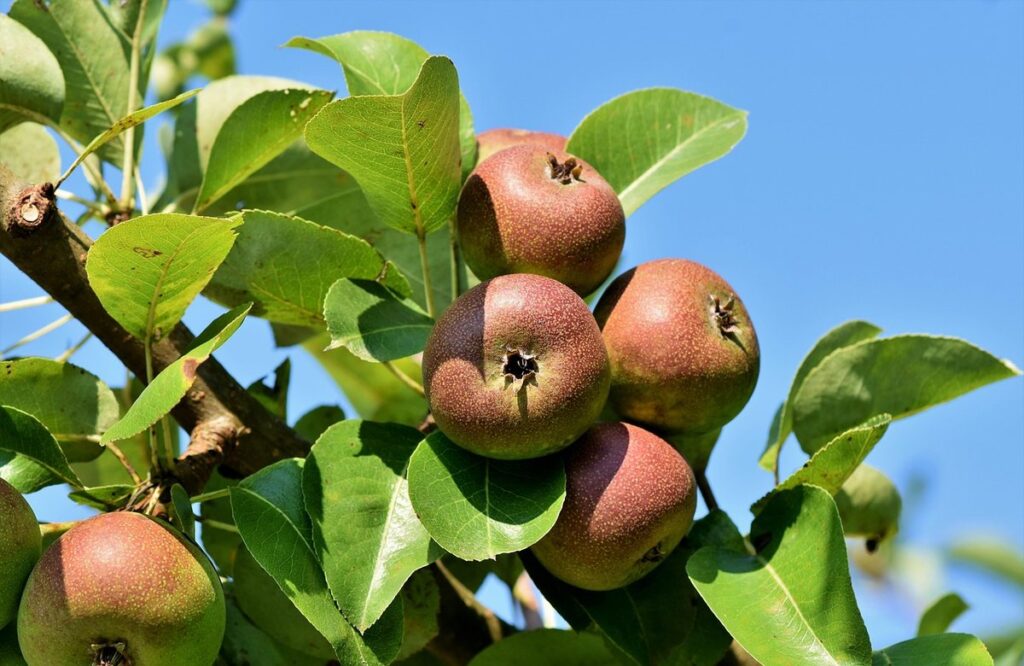
Understanding Apple Tree Rootstocks
When choosing a rootstock, understanding its characteristics and benefits is crucial for ensuring your apple tree’s success. This section breaks down the key things to know about different rootstocks.
What are Apple Tree Rootstocks?
Apple tree rootstocks play a crucial role in supporting the growth and productivity of apple trees. In simple terms, a rootstock is the lower part of an apple tree that grows underground, connecting the tree to its roots. It’s essentially the base or foundation of the entire tree system.
When choosing a rootstock for your orchard, it’s essential to consider the specific needs of your climate, soil type, and desired fruit characteristics. Different rootstocks can impact the overall performance of your apple trees in various ways. For instance, some rootstocks are bred to be more resistant to diseases or pests, while others may promote faster growth rates or earlier fruiting.
A good rootstock should not only support the tree’s physical growth but also its ability to thrive and produce high-quality fruit. By selecting the right rootstock for your specific needs, you can set your apple trees up for success from the very beginning. Some popular rootstocks include MM111, M9, and EMLA 106, each with its own unique characteristics that make them suitable for different situations.
Types of Apple Tree Rootstocks
When it comes to choosing an apple tree rootstock, understanding the different types available is crucial. There are three main categories: dwarf, semi-dwarf, and standard rootstocks.
Dwarf rootstocks, such as M9 and M26, are ideal for small spaces and heavy soil conditions. They typically grow between 8-12 feet tall and produce a compact tree that requires regular pruning to maintain its shape. Dwarf rootstocks are perfect for growers who want to maximize their space or have poor soil quality.
Semi-dwarf rootstocks, such as MM106 and MM111, are a popular choice among commercial growers. They grow between 15-20 feet tall and offer a balance between yield and tree size. Semi-dwarf rootstocks require regular pruning but produce a more vigorous tree than dwarf rootstocks.
Standard rootstocks, like Budagovsky 9 and EMLA 106, are the most widely used for commercial apple production. They grow up to 25-30 feet tall and produce a larger tree that requires minimal pruning. However, they demand well-drained soil and regular fertilization.
When selecting an apple tree rootstock, consider your available space, soil conditions, and desired level of maintenance. By choosing the right rootstock for your specific needs, you’ll be able to enjoy bountiful harvests with minimal hassle.
How Rootstocks Affect Tree Growth
When it comes to choosing the right apple tree rootstock, one of the most critical factors to consider is its impact on tree growth. Different rootstocks can significantly affect a tree’s growth rate, fruiting habits, and overall health.
For example, M9 rootstocks are known for promoting vigorous growth, but this can also lead to an increased risk of disease and pest susceptibility. On the other hand, EMLA 111 rootstocks tend to produce smaller trees with slower growth rates, which can be beneficial for compact orchards or small spaces. Research has shown that EMLA 111 rootstocks can reduce tree size by up to 30% compared to M9 (1).
Another crucial aspect to consider is the rootstock’s effect on fruiting habits. Some rootstocks, like MM106, tend to promote biennial bearing patterns, where trees produce heavy crops one year and minimal crops the next. This can be detrimental to commercial apple production. In contrast, other rootstocks like M9 can encourage more consistent yields.
When selecting a rootstock, consider your specific needs and preferences. If you prioritize compact growth or disease resistance, EMLA 111 may be the better choice. However, if you’re looking for a rootstock that promotes vigorous growth, M9 might be suitable. It’s essential to weigh these factors carefully to ensure your chosen rootstock aligns with your orchard’s goals and conditions.
(1) Referenced research: “Rootstock effects on tree performance in apple” (Journal of Fruit Science)
Factors to Consider When Selecting a Rootstock
When selecting a rootstock for your apple tree, there are several key factors to consider that will impact its health, productivity, and overall success in your orchard. Let’s take a closer look at these crucial considerations.
Climate and Soil Conditions
When selecting an apple tree rootstock, climate and soil conditions play a crucial role in determining the best choice for your orchard. Temperature tolerance is a key factor to consider, as some rootstocks are more suited to cooler or warmer climates than others. For example, rootstocks like MM.111 and MM.106 are bred for temperate climates with moderate winters and cool summers, making them ideal for areas with average temperature ranges between 30°F and 70°F (-1°C and 21°C). On the other hand, rootstocks like EMLA.111 and EMLA.118 can tolerate extreme temperatures and are better suited to warmer or colder regions.
Soil conditions also impact the choice of rootstock. Some rootstocks have superior drought resistance, making them perfect for areas with low rainfall. Others excel at nutrient uptake, improving soil fertility over time. When assessing your orchard’s climate and soil conditions, consider factors like soil type, pH level, and moisture retention. This will help you choose a rootstock that can adapt to these conditions and thrive in the long term. For instance, if your soil tends to be heavy clay or prone to waterlogging, look for rootstocks with a natural tolerance to wet conditions, such as MM.111 or EMLA.118.
Tree Variety and Intended Use
When selecting an apple tree rootstock, it’s essential to consider not just the tree variety itself but also its intended use. Are you looking to grow a fruiting tree for commercial production or an ornamental tree for shade and beauty? Different varieties have different requirements when it comes to rootstocks.
For example, trees intended for fruit production require rootstocks that promote vigor and productivity. In this case, a vigorous rootstock like MM.111 or MM.106 may be suitable. These rootstocks are known for their ability to support heavy fruit loads and promote rapid growth. On the other hand, if you’re planting an ornamental tree, you may prefer a more compact rootstock that allows for easier maintenance and pruning.
It’s also worth considering factors like climate and soil type when selecting a rootstock. For instance, trees growing in challenging environments may require more robust rootstocks to withstand drought or disease pressure. By matching your apple tree variety with the right rootstock, you can ensure a healthy and productive tree that meets your specific needs.
Rootstock Compatibility and Disease Resistance
When selecting an apple tree rootstock, it’s essential to consider its compatibility with the scion variety and disease resistance. A compatible rootstock can lead to healthier trees that are more productive and easier to maintain.
Incompatible rootstocks can result in reduced growth rates, poor fruit quality, or even graft failure. For example, some dwarfing rootstocks like M9 may not be suitable for varieties like ‘Braeburn’ or ‘Granny Smith’, which tend to grow more vigorously.
To ensure compatibility, research the specific needs of your scion variety and choose a rootstock that matches its growth habits and requirements. Disease resistance is also crucial, especially against common apple tree diseases like fire blight, powdery mildew, and root rot.
Look for rootstocks with built-in disease resistance or consider using grafting techniques to combine resistant rootstocks with susceptible scion varieties. This can help prevent the spread of disease and reduce the need for chemical treatments.
Some popular rootstocks that offer good disease resistance include MM.111, MM.106, and M9. These rootstocks have been bred to resist specific diseases and are often recommended for commercial orchards.
Popular Apple Tree Rootstocks for Home Gardeners
If you’re looking to plant a new apple tree, selecting the right rootstock can be just as important as choosing the perfect variety. We’ll explore some of the most popular options for home gardeners.
M9 Rootstock
The M9 rootstock is one of the most popular and widely used rootstocks for apple trees in home gardens. Originating from Belgium, this rootstock has gained international recognition for its exceptional characteristics that make it an ideal choice for gardeners worldwide.
Its key advantages include a moderate vigor growth rate, which allows it to produce fruit within 2-3 years after planting, making it perfect for those who want to harvest apples sooner rather than later. M9 also has a relatively low chill hour requirement, meaning it can thrive in cooler climates with fewer hours of winter chill.
However, as with any rootstock, there are potential drawbacks to consider. M9 is known to be sensitive to soil conditions and requires well-draining, fertile soil to reach its full potential. It’s also more susceptible to root-borers and other pests compared to other rootstocks.
When selecting an M9 rootstock for your home garden, ensure you have the necessary care and attention to provide it with optimal growing conditions. This will help maximize its benefits while minimizing its potential drawbacks.
M26 Rootstock
The M26 rootstock is a popular choice for home gardeners due to its compact growth habit and tolerance of challenging conditions. This semi-dwarfing rootstock produces trees that typically grow between 10-15 feet tall, making it an ideal option for smaller spaces or windy areas.
One of the key benefits of the M26 rootstock is its ability to produce a high-quality apple crop despite being grafted onto a relatively small tree. This makes it an excellent choice for gardeners who want to enjoy a bountiful harvest without sacrificing too much space. Additionally, M26 rootstocks are known to be more resistant to soil-borne diseases such as replant disease and Phytophthora.
However, it’s worth noting that M26 rootstocks can be prone to suckering, which is when the tree produces vigorous shoots from its base rather than producing fruiting branches. This can be managed with regular pruning, but it may require more maintenance than other rootstocks.
For gardeners who want to try growing apple trees on an M26 rootstock, it’s essential to plant a grafted tree from a reputable nursery and provide regular care, including watering, fertilizing, and pruning to promote healthy growth and fruiting.
MM.106 Rootstock
MM.106 rootstock is one of the most popular and widely used apple tree rootstocks among home gardeners. Developed in France, this semi-dwarf rootstock is known for its vigor, tolerance to wet soils, and disease resistance. Gardeners love MM.106 for its ability to grow a sturdy tree that’s around 15-20 feet tall at maturity.
This rootstock is suitable for a wide range of climate zones, from USDA zones 3 to 8, making it an excellent choice for gardeners with varying regional conditions. In areas with heavy rainfall or waterlogging issues, MM.106’s tolerance to wet soils makes it an attractive option. However, in dry climates, additional watering may be necessary.
In terms of soil types, MM.106 can thrive in a variety of conditions, including clay loam, silt loam, and even sandy soils with proper care. Its growth habit is upright, making it suitable for smaller spaces or container gardens. When choosing MM.106, consider its mature size and prune regularly to maintain desired shape and promote fruiting. By doing so, you can enjoy a robust and productive apple tree that meets your specific needs and climate conditions.
Growing and Caring for Apple Trees on Different Rootstocks
Now that you’ve chosen your apple tree rootstock, it’s time to learn how to grow and care for your tree successfully, regardless of its size or vigor. This section will guide you through caring for trees on various rootstocks.
Planting and Establishing
When planting and establishing apple trees on different rootstocks, it’s essential to consider the unique needs of each variety. Grafted trees, for instance, require a more delicate approach than seedlings, as the graft union is vulnerable to shock.
To begin, choose a location with full sun and well-draining soil. Dig a hole that’s about two to three times as wide as the root system, making sure not to compact the soil. For grafted trees, gently remove any burlap or packaging, taking care not to disturb the graft union.
When planting a budded tree, cut through the bud union at an angle, about 1-2 inches above the soil line. This helps prevent water from accumulating and promotes healthy growth. Water thoroughly after planting, and mulch around the base to retain moisture and suppress weeds.
In terms of rootstock considerations, dwarf and semi-dwarf trees often require shallower planting depths than standard rootstocks, typically around 1-2 inches deeper than the graft union. However, always consult your specific tree’s instructions or consult with a local nursery expert for tailored advice.
Ongoing Care and Maintenance
Caring for apple trees on different rootstocks requires attention to their specific needs. When it comes to ongoing care and maintenance, pruning is a crucial aspect of promoting healthy growth and fruit production.
Regular pruning helps control the tree’s size, shape, and promotes air circulation which can reduce disease susceptibility. For dwarfing rootstocks like M9 or M26, prune in late winter or early spring, removing any dead, diseased, or crossing branches. For more vigorous rootstocks like MM111 or MM106, prune in both winter and summer to control their size.
Fertilization is also essential for maintaining the health of your apple tree. Apply a balanced fertilizer (e.g., 10-10-10 N-P-K) in early spring, following the manufacturer’s instructions. Mulch around the base to retain moisture and suppress weeds, but keep it away from the trunk to prevent root damage.
For pest management, monitor your trees regularly for signs of pests like aphids, codling moths, or spider mites. Use integrated pest management (IPM) techniques that combine physical barriers, traps, and chemical controls when necessary.
Managing Rootstock-Related Issues
As you navigate the world of apple tree rootstocks, it’s essential to be aware of potential issues that can arise with specific varieties. Some common challenges include suckering, where shoots grow from the base of the tree instead of its trunk, and root growth problems, such as circling or forked roots.
For example, dwarfing rootstocks like M9 and M26 are more prone to suckering due to their vigorous rooting habit. To address this issue, prune your tree annually to remove any unwanted shoots, and consider applying a root stimulator to promote healthy root growth. On the other hand, root growth problems can be mitigated by using root pruning techniques or selecting rootstocks that are bred for improved root architecture.
Another challenge is dealing with rootstock-related diseases like crown gall and root rot. Regular monitoring of your tree’s health, combined with proper watering and fertilization practices, can go a long way in preventing these issues. Be sure to also select rootstocks that are resistant to common apple tree pathogens. By being proactive and informed about potential rootstock-related challenges, you’ll be well-equipped to tackle any problems that arise and keep your trees thriving.
Conclusion and Future Considerations
As we’ve explored the world of apple tree rootstocks, it’s time to summarize the key takeaways and consider what you’ll do next. This final section wraps up our conversation on this crucial aspect of orchard planning.
Recap of Key Points
In reviewing our exploration of apple tree rootstocks, it’s essential to distill the key takeaways for a successful selection. Choosing the right rootstock is crucial for your orchard’s productivity and longevity. Consider these pivotal points:
* Rootstock dwarfing ability significantly influences tree size, bearing age, and overall vigor.
* Disease resistance, climate adaptability, and soil compatibility are critical factors in selecting a suitable rootstock.
* Semi-dwarf and dwarf rootstocks are ideal for small-scale orchards or space-constrained areas.
* Full-sized trees often necessitate larger spaces due to their expansive root systems.
* Consider your region’s specific growing conditions when choosing between rootstocks bred for different climates.
Ultimately, the optimal rootstock will depend on your specific needs and circumstances. By carefully evaluating these key factors, you’ll be well-equipped to make an informed decision that benefits both your orchard and its long-term sustainability.
Emerging Trends and Future Research
As we continue to advance in our understanding of apple tree rootstocks, several emerging trends and future research directions are shaping the industry. One exciting area is the development of new varieties with improved disease resistance and climate resilience. Researchers are working on breeding programs that combine desirable traits from different rootstock species, such as improved growth rates or drought tolerance.
For example, the ‘EMLA 111’ rootstock has shown promising results in Europe for its resistance to fire blight, a devastating disease affecting apple trees worldwide. Similarly, researchers in the United States are exploring the potential of Asian pear rootstocks to enhance disease resistance and adaptability in apples.
As consumers increasingly demand sustainably grown produce, tree breeding programs will focus on developing rootstocks that require fewer inputs and have lower environmental impact. This shift is driven by the growing awareness of climate change and its effects on agriculture. As an apple grower, staying informed about these emerging trends can help you make more informed decisions when selecting a suitable rootstock for your orchard.
Frequently Asked Questions
Can I use the same rootstock for multiple types of apple trees?
No, it’s essential to choose a rootstock that is compatible with your specific tree variety. Different varieties have varying growth habits, and using an incompatible rootstock can lead to reduced productivity or even tree failure.
How long does it take for a newly planted apple tree on a dwarf rootstock to start producing fruit?
The time frame varies depending on factors like climate, soil quality, and tree care. Generally, you can expect a dwarf apple tree on a M9 or M26 rootstock to start producing fruit within 2-3 years after planting.
Can I grow an apple tree on a rootstock that’s not specifically designed for my region’s climate?
While it’s possible, choosing a rootstock suitable for your local climate is crucial for ensuring the tree’s health and productivity. Some rootstocks are bred to perform better in specific conditions, so selecting one that’s adapted to your area will help minimize potential challenges.
How do I determine which apple tree rootstock is best for my specific soil type?
Consult with a local nursery or gardening expert who can assess your soil conditions and recommend suitable rootstocks. They can also provide guidance on how to amend the soil if necessary, ensuring your tree gets off to a healthy start.
Can I graft a new scion onto an existing apple tree using a different rootstock?
It’s not recommended to change rootstocks mid-stream, as this can cause stress to the tree and potentially lead to reduced productivity. If you need to replace or upgrade your rootstock, it’s usually best to plant a new tree with the desired rootstock from the beginning.