
Are you ready to fall in love with one of the most stunning flowering trees out there? With over 20 incredible magnolia tree varieties to choose from, selecting the perfect one for your garden can be a daunting task. But don’t worry, we’re here to guide you through the process! Whether you’re looking for compact options that fit snugly in small spaces or large-scale statement pieces, understanding how to choose the right magnolia tree for your climate, soil, and space needs is key.
In this article, we’ll explore the wonderful world of magnolias and help you discover which variety will thrive in your garden. From the elegant Southern Magnolia to the compact Saucer Magnolia, we’ll break down the unique characteristics of each type, including their growth habits, flowering patterns, and ideal growing conditions. By the end of this article, you’ll be equipped with the knowledge you need to find the perfect magnolia tree for your garden and make it a beautiful focal point for years to come!
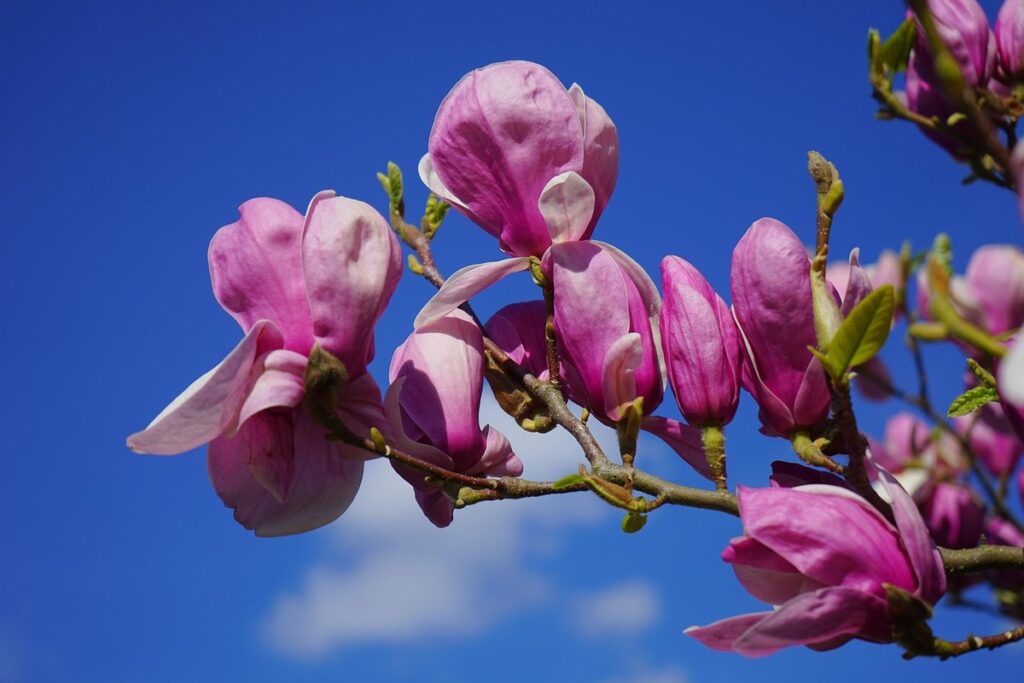
Choosing the Right Magnolia for Your Garden
When it comes to selecting a magnolia tree for your garden, you’ll want to consider factors such as climate, space, and desired bloom color. Let’s break down these key considerations together!
Understanding the Key Factors in Selecting a Variety
When selecting a magnolia tree variety for your garden, it’s essential to consider several key factors that will determine its success and longevity. Climate is one of the most critical considerations, as some magnolias are more tolerant of heat or cold than others. For example, if you live in an area with extremely hot summers, you’ll want to choose a variety like ‘Butterfly’ or ‘Jane’, which can handle high temperatures.
Soil type is another crucial factor to consider, as magnolias have different soil preferences. Some varieties prefer well-draining acidic soils, while others can tolerate alkaline soils. Make sure to research the specific soil requirements of your chosen variety to ensure it thrives in your garden’s conditions. Available space is also a consideration, as some magnolia trees can grow quite large. Ensure you have enough room for the tree to mature without overcrowding other plants or structures.
By carefully considering these factors, you’ll be able to choose a magnolia variety that will bring joy and beauty to your garden for years to come.
Popular Types of Magnolias for Small Gardens
If you’re looking to add some beauty and elegance to your small garden, consider planting one of these popular magnolia varieties that thrive in compact spaces. One such variety is ‘Butterfly’, a compact tree that grows up to 10 feet tall and wide, making it perfect for smaller gardens. Its large, fragrant flowers are a stunning shade of pink with darker purple undertones, adding a pop of color to any space.
Another popular variety for small gardens is ‘Ann’, which grows to be around 6-8 feet tall and wide. This tree boasts large, cupped flowers in a vibrant yellow hue that bloom in late spring, attracting pollinators to your garden. For those looking for a more compact option with a similar growth habit to ‘Butterfly’, consider planting ‘Jane’. This variety grows up to 6-8 feet tall and wide, featuring beautiful white flowers with a hint of pink undertones.
When choosing one of these varieties, make sure to provide them with well-draining soil and full sun to partial shade conditions for optimal growth. With proper care, you can enjoy the beauty and fragrance of your magnolia tree for years to come.
Large-Scale Options for Landscaping Projects
When it comes to large-scale landscaping projects, you’ll want to choose magnolia tree varieties that can make a statement. ‘Elizabeth’ and ‘Cleopatra’ are two popular options for this purpose. These trees grow up to 80 feet tall, providing a stunning canopy that’s perfect for creating a sense of grandeur in your garden.
‘Elizabeth’ is particularly well-suited for large landscapes due to its rapid growth rate. It can add up to 3-4 feet of height per year, allowing it to quickly fill in gaps and create a lush, dense foliage. On the other hand, ‘Cleopatra’ is known for its striking white flowers that bloom in late spring, adding a touch of elegance to your garden.
When planting these trees on a large scale, be sure to space them 30-40 feet apart to allow for proper air circulation and sunlight penetration. This will also help prevent any potential issues with disease or pests that might spread quickly among the trees. By choosing the right variety and following proper spacing guidelines, you can create a breathtaking magnolia tree landscape that’s the envy of your neighborhood.
Hybrid vs. Species Magnolias: Understanding the Differences
When choosing a magnolia tree, you’re likely wondering what sets hybrid and species varieties apart – let’s break down their key differences.
Characteristics of Purebred Magnolia Species
Purebred magnolia species are known for their unique characteristics and growth habits. One of the most distinctive features is their compact to medium size, typically growing between 10-20 feet tall and wide. This makes them an excellent choice for smaller gardens or spaces where larger varieties might be too overwhelming.
Their growth patterns can vary greatly depending on the specific species. Some purebred magnolias are deciduous, dropping their leaves seasonally, while others retain their foliage year-round as evergreen trees. For instance, Magnolia denudata is a stunning example of an evergreen variety with its large, showy white flowers.
Another notable characteristic is their bloom time and flower appearance. Purebred magnolias tend to produce more blooms than hybrid varieties, often flowering for several weeks in late spring or early summer. The flowers themselves can range from small and bell-shaped to large and star-like, depending on the species.
When selecting a purebred magnolia for your garden, consider factors like climate, soil type, and available space. By choosing a variety that suits your environment, you’ll be able to appreciate its unique characteristics and enjoy years of beautiful blooms.
Advantages of Hybrid Magnolia Varieties
Hybrid magnolia varieties have revolutionized the world of landscaping with their numerous advantages. One of the primary benefits is improved disease resistance. Unlike species-specific magnolias that are susceptible to certain diseases due to their pure genetic makeup, hybrid magnolias offer a broader range of resistance thanks to their unique genetic combinations.
For instance, the Magnolia × soulangeana ‘Lennei’ boasts exceptional resistance against fungal infections such as root rot and leaf blight. This makes it an ideal choice for gardeners who want to minimize maintenance and ensure their tree’s longevity. Furthermore, hybrid magnolias are often more adaptable to different climates and soil types.
This is particularly evident in the case of the ‘Butterfly’ cultivar, which excels in both full sun and partial shade conditions. By incorporating a mix of species from various regions, breeders have created trees that thrive in areas with varying temperature fluctuations and soil compositions. This adaptability makes hybrid magnolias highly sought after for gardeners who want to create unique landscapes that can withstand the challenges of their local environment.
When choosing a hybrid magnolia variety, consider factors such as your climate, available space, and desired growth characteristics. Research different cultivars and read reviews from fellow gardeners to determine which tree best suits your needs.
Notable Examples of Hybrids in Different Cultivars
Some notable examples of successful hybrids in different cultivars are ‘Butterfly’ and ‘Jane’. These two varieties have become increasingly popular among gardeners due to their unique characteristics and adaptability. The ‘Butterfly’ magnolia, for instance, is a cross between the Japanese Magnolia (Magnolia liliflora) and the Southern Magnolia (Magnolia grandiflora). It boasts stunning white flowers with purple spots, attracting pollinators and adding visual appeal to any landscape.
On the other hand, ‘Jane’ is a hybrid of the magnolia species Magnolia stellata and Magnolia liliifera. This variety is known for its delicate, rose-pink flowers and compact growth habit, making it an ideal choice for smaller gardens or container planting. Both ‘Butterfly’ and ‘Jane’ exemplify the benefits of hybridization in magnolias – they offer a unique combination of traits that may not be found in their parent species.
When selecting a hybrid like ‘Butterfly’ or ‘Jane’, consider factors such as climate, soil type, and available space to ensure optimal growth and flowering. By choosing the right hybrid for your specific needs, you can enjoy the beauty and benefits of these incredible trees.
Top Performing Varieties for Specific Regions and Climates
When choosing a magnolia tree variety, it’s essential to consider your local climate and region to ensure your tree thrives. We’ve selected top-performing varieties for specific regions and climates around the world.
Magnolias for Hot and Humid Climates
If you’re looking to grow magnolias in hot and humid climates, there are several varieties that can thrive in these conditions. One of the most popular choices is the Saucer Magnolia (Magnolia × soulangeana). This variety is known for its stunning flowers and ability to tolerate high temperatures and humidity.
Another option is the Southern Magnolia (Magnolia grandiflora), which is native to the southeastern United States. It’s a large tree with glossy evergreen leaves and produces fragrant white flowers in the summer. However, it requires regular pruning to maintain its shape and size.
The Ashe Magnolia (Magnolia ashei) is also well-suited for hot and humid climates. It has beautiful yellow flowers that appear in late spring and early summer, and its deciduous leaves provide a striking contrast to the evergreen foliage of other magnolia varieties.
When planting magnolias in hot and humid climates, be sure to choose a variety that’s resistant to heat and humidity stress. Also, make sure to plant them in well-draining soil to prevent root rot and other problems. With proper care and attention, these trees can provide beauty and shade for years to come.
Hardy Varieties for Cooler Temperatures
If you’re looking to plant a magnolia tree in a cooler climate, there are several hardy varieties that can thrive in temperatures as low as USDA zone 4. One of the most cold-hardy options is the ‘Jane’ variety, which can tolerate temperatures down to -20°F (-29°C). Another excellent choice is the ‘Red Dawn’, which has shown exceptional cold hardiness and can withstand temperatures as low as -15°F (-26°C).
For those living in even colder climates, consider planting a ‘Butterfly’ or ‘Yellow Bird’ magnolia. These varieties have demonstrated an ability to tolerate extreme cold snaps and can thrive in zones 3 and 4.
When selecting a hardy variety for your cooler climate, be sure to choose one that is grafted onto a rootstock specifically bred for cold hardiness. This will help the tree withstand potential frosts and freezes.
In addition to choosing the right variety, proper planting techniques are also crucial. Plant magnolia trees in well-draining soil and avoid areas where water may collect. This will help prevent root rot and ensure your tree’s health and longevity.
Southern Magnolias: Adaptable Options for Specific Regions
When choosing a magnolia tree variety for specific regions, it’s essential to consider factors like climate, soil type, and available space. For regions with hot summers and mild winters, Southern Magnolias are an excellent option. These adaptable trees thrive in USDA zones 5-9 and can tolerate humidity levels common in the Southeast.
Some popular varieties include ‘Bracken’s Brown Beauty’, known for its compact growth habit and rich brown flowers, and ‘Southern Star’, which boasts large white blooms that light up gardens from spring to fall. When selecting a Southern Magnolia, look for cultivars with a high tolerance for heat stress, such as ‘Jane’ or ‘Butterfly’.
These trees also perform well in areas with full sun to partial shade and well-drained acidic soil. For example, the ‘Bracken’s Brown Beauty’ thrives in zones 6-9 and can grow up to 10 feet tall, making it an excellent choice for smaller gardens. By choosing region-specific magnolia varieties, gardeners can ensure these stunning trees receive optimal growing conditions and provide years of beauty and structure to their outdoor spaces.
Unique Features of Popular Magnolia Varieties
Let’s take a closer look at some of the most popular magnolia varieties, and discover what sets them apart from one another in terms of unique features.
Flower Form and Size in Select Magnolias
When it comes to flower form and size, magnolia varieties offer an incredible range of diversity. Take, for instance, the Saucer Magnolia (Magnolia × soulangeana), whose flowers are often described as saucer-shaped, measuring up to 12 inches wide and 8 inches deep. In contrast, the Jane Magnolia (Magnolia ‘Jane’) boasts larger blooms that can reach up to 14 inches in diameter.
The Star Magnolia (Magnolia stellata) is another notable example, with its small, star-shaped flowers appearing in late winter to early spring. These delicate flowers are often a pale pink color and measure around 2-3 inches in diameter. If you’re looking for a variety with truly show-stopping blooms, consider the Coughlan’s Blue Magnolia (Magnolia ‘Coughlan’s Blue’). Its large, fragrant flowers can reach up to 12 inches across, adding a touch of drama to any landscape.
When selecting a magnolia variety based on flower form and size, remember that these characteristics are often linked to factors like climate, soil quality, and maintenance habits. Research the specific needs of your chosen variety to ensure you’re providing the best environment for its blooms to thrive.
Interesting Bark Patterns on Certain Trees
As you explore the diverse world of magnolia tree varieties, one unique aspect to observe is their distinctive bark patterns. Certain species exhibit remarkable textures and colors that set them apart from others. Take, for instance, the Southern Magnolia (Magnolia grandiflora). Its smooth, gray bark often develops shallow furrows with age, creating a subtle yet striking pattern.
The Ashe’s Magnolia (Magnolia ashei) boasts a distinctive “alligator skin” texture on its reddish-brown bark. This peculiar appearance is due to the presence of small, raised scales that give it an almost scaly look. On the other hand, the Sweetbay Magnolia (Magnolia virginiana) features a smooth, gray bark with occasional, shallow furrows.
When selecting or pruning your magnolia tree, consider the bark pattern as well. For example, if you prefer a more rugged appearance, the Ashe’s Magnolia might be an ideal choice. If you desire a smoother look, opt for the Southern Magnolia instead. Whatever variety you choose, observe and appreciate its unique bark patterns – they can add character to your landscape in ways both functional and aesthetically pleasing.
Leaf Shapes and Colors Among Various Species
One of the most striking features that set magnolia tree varieties apart from one another is their distinctive leaf shapes and colors. While many people associate magnolias with large, showy flowers, their leaves are often just as impressive.
For instance, the Sweet Bay Magnolia (Magnolia virginiana) boasts dark green, elliptical-shaped leaves with a glossy finish. In contrast, the Southern Magnolia (Magnolia grandiflora) has larger, more ovate leaves that turn bronze in the fall. If you’re looking for a magnolia tree variety with striking leaf coloration, consider the Saucer Magnolia (Magnolia × soulangeana), which features beautiful purple-tinged leaves.
When choosing a magnolia tree variety based on its leaf shape and color, keep in mind factors like your climate and soil type. For example, trees that thrive in warmer climates may not tolerate frost as well as those native to cooler regions. By considering these factors and selecting a variety with the right growth habits, you can enjoy the unique beauty of magnolia leaves year-round.
Some other notable leaf shape and color differences include:
• The Star Magnolia (Magnolia × stellata), which has smaller, more delicate leaves that are a vibrant green in spring
• The Jane Magnolia (Magnolia ‘Jane’), with its compact growth habit and variegated yellow-green leaves
Tips for Planting and Caring for Magnolias
To grow a healthy magnolia, it’s crucial to understand how to properly plant and care for these beautiful trees. Learn expert tips on soil selection, watering, and pruning in this helpful section.
Essential Pre-Planting Considerations
When planting a magnolia tree, it’s crucial to consider several essential factors before digging that first hole. Site selection is paramount, and you should choose a location with full sun to partial shade, depending on the specific variety. Ensure the area has good air circulation to prevent fungal diseases. Avoid low-lying areas where water may collect, as this can lead to root rot.
Soil preparation is equally important. Magnolias prefer slightly acidic to neutral soil pH (5.5-7.0). Test your soil and amend it if necessary. Add organic matter like compost or well-rotted manure to improve drainage and fertility. Remove any debris, rocks, or weeds that could compete with the tree for water and nutrients.
When handling a root ball, be gentle but firm. Gently loosen the roots on the bottom half of the ball using a fork or your fingers. This helps prevent circling roots that can cause problems in the future. Finally, inspect the root ball for any signs of damage or disease before planting. By paying attention to these pre-planting considerations, you’ll set your magnolia tree up for success and establish a strong foundation for years to come.
Post-Planting Care: Mulching, Watering, and Pruning
After planting your magnolia tree, proper post-planting care is crucial for its healthy growth and development. Mulching around the base of the tree helps retain moisture, suppresses weeds, and regulates soil temperature. Organic mulch like wood chips or bark is ideal, as it breaks down over time and adds nutrients to the soil.
Water your magnolia tree regularly, especially during its first year after planting. Aim for about 1 inch of water per week, either from rainfall or irrigation. However, avoid overwatering, which can lead to root rot and other problems. Check the soil moisture by inserting a finger into the soil up to the knuckle; if it feels dry, it’s time to water.
Pruning is another essential post-planting care practice for magnolia trees. Remove any dead or damaged branches in late winter or early spring, cutting them back to about 12 inches from the trunk. This encourages new growth and maintains the tree’s natural shape. Regular pruning also helps promote air circulation, reducing the risk of disease. For young magnolias, prune annually; for mature trees, prune every 2-3 years.
When mulching or pruning, be mindful of your magnolia tree’s specific needs. Some varieties may require more frequent watering or have unique pruning requirements.
Common Problems and Their Solutions for a Healthy Magnolia Tree
As you care for your magnolia tree, it’s essential to be aware of potential problems that can arise and know how to address them promptly. Pests like scale insects, aphids, and spider mites can infest the tree, causing damage to leaves and flowers. To control these pests, use insecticidal soap or neem oil according to the product instructions.
Diseases such as root rot, leaf spot, and powdery mildew can also affect your magnolia tree. Regularly inspect your tree for signs of disease, like yellowing leaves or black spots. If you notice any issues, treat the affected area with a fungicide specifically designed for ornamental trees.
Another common problem is nutrient deficiency, which can lead to weak growth and poor flowering. To prevent this, fertilize your magnolia tree annually with a balanced fertilizer (10-10-10 NPK). Apply it in early spring when new growth begins, following the manufacturer’s instructions.
Proper watering habits are also crucial for maintaining a healthy magnolia tree. Be cautious not to overwater, as this can cause root rot and other issues. Water your tree deeply once or twice a week, depending on weather conditions. By being proactive and addressing these potential problems, you’ll be able to enjoy your beautiful magnolia tree’s blooms and foliage for years to come.
Frequently Asked Questions
What’s the ideal time to plant a magnolia tree in my region?
Before planting, it’s crucial to choose the right season for your climate. In general, fall or early spring are excellent times to plant magnolias, as they tend to have better establishment rates and less risk of pest damage. However, consult with local nurseries or gardening experts to determine the best planting time specific to your region.
How do I care for my magnolia tree during extreme weather conditions?
To ensure your magnolia tree’s health and longevity, take precautions during hot and humid summers by providing adequate water supply and possibly offering some shade. In colder temperatures, mulch around the base and consider wrapping younger trees with burlap to protect them from frost damage.
Can I grow multiple magnolia varieties together in the same garden?
Yes! Magnolias can be grown alongside other plants, but be mindful of their mature size and space requirements. Choose compact or dwarf varieties for smaller gardens, and ensure sufficient air circulation between trees to prevent disease spread.
How long does it take for a newly planted magnolia tree to start flowering?
The time it takes for your magnolia tree to bloom after planting depends on factors like soil quality, watering habits, and the specific variety. Generally, you can expect flowers within 3-5 years of planting. However, some compact varieties might bloom sooner.
What are some common pests or diseases that affect magnolia trees?
Magnolias are susceptible to pests like aphids, scales, and spider mites, as well as fungal diseases such as powdery mildew and root rot. Regular monitoring, proper watering, and pruning can help prevent infestations and diseases. If issues arise, consult with local gardening experts or use organic pest control methods whenever possible.