
When it comes to giving your houseplants the best chance at thriving, selecting the right potting mix is crucial. With so many options available, it can be overwhelming to choose the perfect blend for your plants’ needs. But don’t worry, I’ve got you covered! In this article, we’ll delve into the world of potting mixes and explore the different types, key ingredients, and even DIY options to create your own custom mix.
We’ll start by looking at the various types of potting mixes available, including their benefits and drawbacks. From general-purpose blends to specialized mixes designed for specific plant groups, you’ll learn which one is right for your indoor garden. We’ll also break down the essential ingredients found in top-notch potting mixes, such as peat moss, perlite, and vermiculite. And, if you’re feeling crafty, we’ll share some simple DIY recipes to create your own unique potting mix.
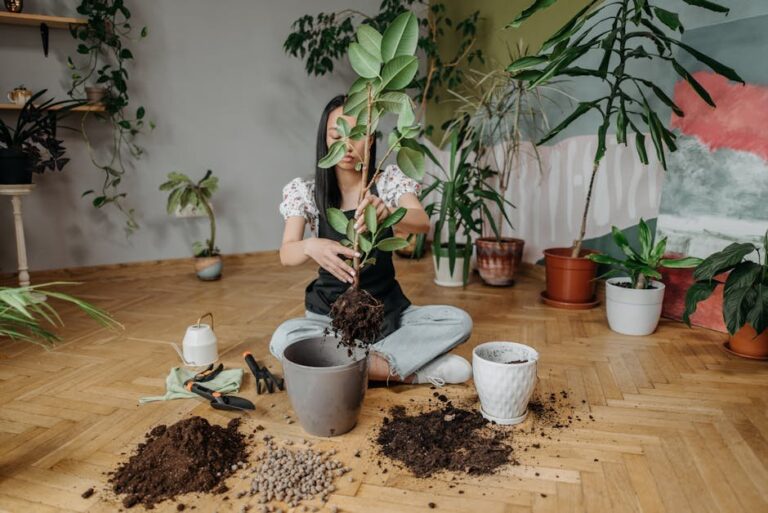
Understanding the Importance of Potting Mix
A good potting mix is essential for healthy houseplants, providing a balance of nutrients and water retention that can make all the difference in their care. Let’s explore why this foundation matters.
What is Potting Mix and Why Is It Essential?
When it comes to giving your houseplants the best possible start in life, one crucial component is often overlooked: potting mix. So, what exactly is potting mix? Simply put, it’s a specially designed blend of ingredients that provides essential nutrients and support for plant growth in containers.
Potting mix serves several purposes. Firstly, it helps to retain moisture and prevent waterlogged soil conditions by balancing water retention with good drainage. This is particularly important for houseplants, which can be prone to overwatering due to their confined spaces. Secondly, potting mixes often contain added fertilizers that provide a boost of essential nutrients for optimal plant growth.
But why is potting mix so crucial? Without it, your plants may struggle to absorb vital nutrients from the soil, leading to weakened roots and ultimately, poor health. In fact, using regular garden soil in containers can be detrimental to houseplants as it compacts over time, starving the roots of oxygen and causing root rot.
When selecting a potting mix for your houseplants, look for a blend that is specifically designed for indoor use, contains organic matter like peat moss or coconut coir, and has good air porosity to prevent waterlogging. By choosing the right potting mix, you’ll be giving your plants the best chance of thriving in their container homes.
Common Mistakes to Avoid When Selecting a Potting Mix
When selecting a potting mix for your houseplants, it’s easy to make mistakes that can have negative consequences for your plants’ health. One common error is choosing a potting mix with the wrong pH level. While most houseplants prefer slightly acidic to neutral soil (pH 6-7), some may require more alkaline or acidic conditions. For example, African Violets and Begonias thrive in acidic soils with a pH between 5.5 and 6.5.
Another mistake is overlooking ingredients like perlite or vermiculite, which are essential for good drainage and aeration. Without these components, your potting mix can become waterlogged, leading to root rot and other problems. A general-purpose potting mix may not provide the necessary structure and moisture retention for plants with high water requirements.
To avoid these mistakes, read the label carefully and consider your plant’s specific needs. Look for a potting mix that is specifically designed for indoor plants or houseplants, as these products typically have the right balance of ingredients to support healthy growth.
Types of Potting Mix: A Comprehensive Overview
Let’s take a closer look at the different types of potting mixes, each with its unique characteristics and benefits for your houseplants. From organic to inorganic, we’ll explore them all.
Inorganic vs. Organic Potting Mixes: What’s the Difference?
When it comes to choosing a potting mix for your houseplants, you’ll likely come across two main categories: inorganic and organic. While both types can be effective, they have distinct differences in terms of their ingredients, benefits, and drawbacks.
Inorganic potting mixes are typically made from synthetic materials like peat moss, vermiculite, or perlite. These components help with drainage and aeration but may lack the natural nutrients that plants need to thrive. Inorganic mixes are often cheaper and can be beneficial for plants that require high water retention, such as African Violets.
On the other hand, organic potting mixes are made from natural ingredients like coconut coir, worm castings, or compost. These materials provide a more balanced nutrient profile, promote healthy microbial growth, and can help prevent overwatering. Organic mixes tend to be pricier but offer better long-term benefits for your plants.
When deciding between inorganic and organic potting mixes, consider the specific needs of your houseplants. If you’re looking for cost-effective option or dealing with high-humidity plants, an inorganic mix might suffice. However, if you prioritize natural ingredients and want to create a nutrient-rich environment for your plants, opt for an organic mix.
Specialized Potting Mixes for Specific Plant Needs
When it comes to choosing the right potting mix for your houseplants, some plants have specific requirements that regular mixes can’t meet. That’s where specialized potting mixes come in – designed specifically for certain plant types or growing conditions.
For instance, tropical plants like orchids and bromeliads thrive in acidic and well-draining potting mixes. These mixes contain ingredients such as peat moss and perlite, which help to prevent waterlogging and provide the necessary acidity for these plants’ sensitive roots.
On the other hand, cacti and succulents require a mix that drains excess moisture quickly. Look for mixes containing ingredients like sand or grit, which help to improve drainage and prevent root rot.
Other specialized potting mixes cater to specific growing conditions, such as those designed for indoor seed starting, propagation, or hydroponic systems. When shopping for a potting mix, consider the specific needs of your plants and choose a mix that addresses their unique requirements. This ensures optimal growth and reduces the risk of root diseases or nutrient deficiencies.
Key Ingredients to Look for in a High-Quality Potting Mix
When shopping for a top-notch potting mix, look for specific ingredients that will help your houseplants thrive and avoid potential problems. A well-balanced blend of organic matter is key to healthy roots.
Peat Moss: A Staple Ingredient in Many Potting Mixes?
When it comes to potting mixes, you’ll often find peat moss listed as one of the main ingredients. But what’s its purpose, and why is it so widely used? Peat moss is a type of partially decayed plant matter that has been harvested from bogs and peatlands. It serves several functions in a potting mix: retaining moisture, suppressing weed growth, and providing structure.
One of the benefits of peat moss is its ability to lock in water, which helps plants maintain consistent hydration levels. This is especially important for houseplants that are prone to drying out quickly. Additionally, peat moss has a slightly acidic pH level, which can be beneficial for acid-loving plants like African Violets and Begonias.
However, there are some potential drawbacks to consider. Over-reliance on peat moss can lead to excessively acidic potting mixes, which may not suit the needs of all plant species. Some houseplants prefer a more neutral or alkaline pH level, so it’s essential to balance out the acidity with other ingredients like perlite or vermiculite.
To use peat moss effectively in your potting mix, aim for a ratio that’s around 20-30% peat moss to other ingredients. This will allow you to reap its benefits while minimizing any potential drawbacks. Remember to also choose a high-quality peat moss that’s free of contaminants and additives.
Perlite vs. Vermiculite: What’s Best for Your Plants?
When it comes to choosing the best potting mix for your houseplants, two common ingredients that often come up are perlite and vermiculite. Both of these materials serve as additives to improve drainage and aeration, but they have some key differences.
Perlite is a type of volcanic glass that is heat-treated to create small white or gray particles. It’s an excellent choice for potting mixes because it helps retain moisture while allowing excess water to drain quickly. Perlite also aids in root growth by preventing waterlogged soil conditions. One disadvantage of perlite is its tendency to break down over time, which can lead to a loss of effectiveness.
Vermiculite, on the other hand, is a mica mineral that expands when heated. It’s a great option for potting mixes because it retains moisture and suppresses weed growth. Vermiculite also provides excellent insulation against extreme temperatures. However, its tendency to retain too much water can lead to root rot if not used correctly.
When deciding between perlite and vermiculite, consider the specific needs of your plants. If you live in a dry climate or have plants that prefer well-draining soil, perlite may be the better choice. However, if you’re looking for a material that retains moisture and provides insulation, vermiculite could be the way to go.
How to Choose the Right Potting Mix for Your Houseplants
When it comes to choosing a potting mix for your houseplants, there are many factors to consider, from drainage to fertility. Selecting the right one can make all the difference in their health and happiness.
Considerations Based on Plant Type and Growth Habits
When selecting a potting mix for your houseplants, it’s essential to consider the unique needs of different plant types. For instance, tropical plants like ferns and peace lilies thrive in moist environments and require potting mixes with high water-holding capacity. Look for mixes containing ingredients like peat moss or coconut coir, which retain moisture but also allow for good drainage.
On the other hand, succulents are drought-tolerant and require well-draining potting mixes to prevent root rot. Avoid mixes with high organic matter content, as they can retain too much water. Instead, opt for mixes containing perlite or vermiculite, which improve soil structure and facilitate efficient moisture release.
Consider the growth habits of your plants as well. For example, climbing plants like ivy and clematis need potting mixes that support their vigorous growth, while compact plants like African violets require a more controlled environment. By choosing a potting mix tailored to your plant’s specific needs, you’ll promote healthy growth, prevent disease, and enjoy the full beauty of your houseplants.
Environmental Factors: Climate, Humidity, and Temperature
When choosing a potting mix for your houseplants, it’s essential to consider the environmental conditions they’ll be exposed to. Climate, humidity, and temperature can significantly impact the performance of the potting mix and affect plant growth.
In hot and dry climates, you’ll want to select a potting mix that retains moisture but also drains well to prevent waterlogged soil. Look for mixes containing ingredients like coconut coir or perlite, which help retain moisture while preventing root rot. On the other hand, in humid environments, you may prefer a mix with better drainage properties to prevent water from accumulating around the roots.
Temperature is another critical factor. If your plants are exposed to extreme temperature fluctuations, choose a potting mix that can buffer these changes. Some mixes contain ingredients like vermiculite or peat moss, which help regulate soil temperature and maintain a stable root environment.
When adapting to environmental factors, remember that houseplants require different levels of moisture and nutrients depending on their climate. Be sure to research the specific needs of your plants and select a potting mix that addresses these requirements.
DIY Potting Mix vs. Store-Bought Options: Weigh the Pros and Cons
When it comes to potting mix, you’ve got two main options: making your own at home or buying a pre-mixed store-bought option. Let’s weigh their pros and cons together.
Making Your Own Potting Mix at Home
Creating a custom potting mix at home is easier than you think. With just a few simple ingredients and some basic knowledge of what houseplants need to thrive, you can craft the perfect blend for your indoor plants. Start by collecting a combination of peat moss, vermiculite or perlite, compost, and other organic matter like coconut coir or worm castings.
To begin, mix 2-3 parts of a base material (such as peat moss) with one part of perlite or vermiculite. This will help with drainage and prevent waterlogged soil. Next, add in your chosen compost or fertilizer, starting with a small amount (about 10%) and adjusting to taste. Don’t forget to include some organic matter like coconut coir or worm castings for added nutrients.
Some common household items can also be repurposed as potting mix ingredients, such as used coffee grounds or tea bags, which are rich in nitrogen and phosphorus. Experiment with different ratios of materials to create a customized blend that suits your specific plant’s needs. This approach allows you to control the ingredients and avoid harsh chemicals found in some commercial mixes.
Store-Bought Options: Convenience or Hidden Costs?
When it comes to potting mixes for houseplants, store-bought options are often the go-to choice due to their convenience. However, before you reach for that bag of premixed soil, consider the potential hidden costs. Store-bought potting mixes can be pricey, especially if you’re buying high-quality brands.
Moreover, many commercial potting mixes contain additives and chemicals that may not be suitable for your plants in the long run. Some common culprits include fertilizers, wetting agents, and preservatives that can harm your plant’s roots or alter their natural growth patterns.
On the other hand, DIY potting mixes allow you to customize the ingredients according to your specific needs and preferences. By mixing together a blend of peat moss, perlite, vermiculite, and compost, you can create a tailored soil mix that suits your plants’ requirements.
If you do opt for store-bought options, be sure to read the labels carefully and choose mixes with minimal additives. Look for products labeled as “organic” or “natural,” which may contain fewer chemicals than their conventional counterparts.
FAQs: Frequently Asked Questions About Potting Mix
We’ve put together a list of frequently asked questions about potting mix to help clarify any doubts you may have when choosing the best one for your houseplants. Below, we answer some common concerns.
Debunking Common Myths and Misconceptions
Choosing the right potting mix can be overwhelming, especially with all the misconceptions floating around. Let’s tackle some of the most common myths and set the record straight.
Many gardeners swear by using tap water for their houseplants, but is it really a good idea? Tap water can contain high levels of chlorine and fluoride, which can harm your plants over time. On the other hand, rainwater or distilled water is a much better option as it’s free from these chemicals. If you don’t have access to either, simply letting tap water sit overnight before using it will allow some of the chlorine to evaporate.
Another myth is that potting mix needs to have a specific pH level for optimal plant growth. While pH levels can be important in certain situations, most houseplants are adaptable and can thrive in a wide range of pH levels. In fact, over-testing your potting mix’s pH can be more harm than good, as it can disrupt the delicate balance of beneficial microbes in the soil.
It’s also been suggested that using organic potting mixes is the only way to go for houseplants. However, this isn’t entirely true. While organic mixes are great for certain plants, many houseplants actually prefer a balanced mix with both organic and inorganic components.
Best Practices for Repotting Houseplants with New Potting Mix
When repotting houseplants with new potting mix, it’s essential to transition them smoothly to avoid shocking the roots. Start by gently removing the plant from its old container, taking care not to damage the roots. If the roots have grown too large for the pot, consider pruning them lightly to encourage new growth.
Next, inspect the roots and remove any dead or circling roots to promote healthy growth in the new mix. To reduce transplant shock, use a balanced fertilizer at half the recommended strength when watering your plant after repotting. This will help your plant adjust to the new potting mix and prevent root damage.
New potting mixes are typically formulated with improved drainage, which can be beneficial for houseplants prone to waterlogged soil. However, some plants may require more time to adapt to the new mix’s structure. Monitor your plant closely after repotting, adjusting watering schedules as needed to prevent overwatering or underwatering. With proper care and patience, your houseplant should thrive in its new potting mix within a few weeks.
Frequently Asked Questions
How long does it take for a houseplant to adjust to a new potting mix?
It may take anywhere from a few days to a week or more for your houseplants to fully adjust to a new potting mix. Keep an eye on their watering needs, as some plants might require less water initially due to the changed mix.
Can I use potting mix with fertilizers already added in containers with poor drainage?
Yes, it’s not recommended to use potting mixes with built-in fertilizers in containers with poor drainage. This can lead to fertilizer burn and root damage. Instead, opt for a balanced, water-soluble fertilizer that you can apply according to your plant’s needs.
How do I repot my houseplants if they’re sensitive to transplant shock?
To minimize transplant shock, choose the right time of year for repotting (spring or summer) and handle the roots gently. Water your plants well before repotting and provide a stable environment after the transfer. Monitor their condition closely and adjust your care routine as needed.
Can I mix different types of potting mixes to create my own blend?
Yes, you can experiment with mixing different types of potting mixes to suit specific plant needs. Keep in mind that this requires some trial and error to ensure the correct balance of ingredients for optimal growth.
What’s a good rule of thumb for re-potting frequency based on plant size?
As a general guideline, repot your houseplants when their roots have filled the container or you notice visible signs of nutrient depletion (usually every 6-12 months). Larger plants typically require less frequent repotting.