
If you’re like many gardeners, you know how frustrating it can be to deal with struggling berry plants. One common issue is nutrient deficiencies, which can lead to weak growth, reduced yields, and even plant death. Choosing the right fertilizer for your berries can be overwhelming, especially when considering the numerous organic and synthetic options available. But don’t worry – we’ve got you covered! In this article, we’ll break down the essential nutrients your berry plants need to thrive, explore natural alternatives to conventional fertilizers, and provide guidance on how to apply them effectively. We’ll also troubleshoot common issues that may arise, so you can get the most out of your berry plants and enjoy a bountiful harvest. Let’s dive in!
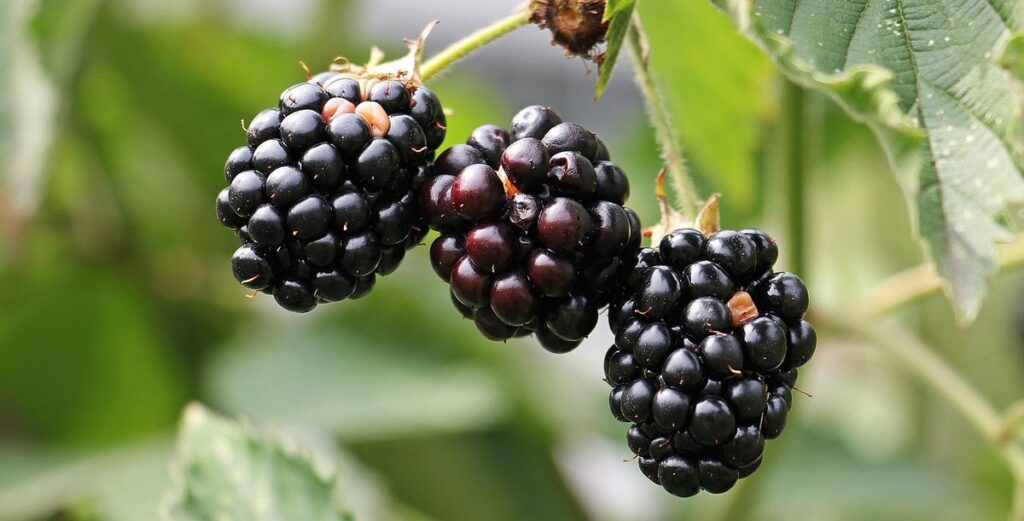
Understanding Your Berry Plant’s Nutritional Needs
To ensure your berry plant is thriving, you need to understand its specific nutritional needs and how they differ from one variety to another. Let’s break down what nutrients are essential for optimal growth and productivity.
Types of Nutrients Essential for Healthy Growth
When it comes to choosing the best berry plant food, understanding the types of nutrients essential for healthy growth is crucial. Berry plants require a balanced mix of macronutrients and micronutrients to produce optimal yields.
Macronutrients like nitrogen (N), phosphorus (P), and potassium (K) are often referred to as NPK. These three elements play a vital role in plant development, from leaf growth to fruit production. Nitrogen promotes healthy foliage and green color, while phosphorus supports root development and flower formation. Potassium helps with overall plant health and resistance to disease.
In addition to these macronutrients, micronutrients like iron (Fe), magnesium (Mg), and sulfur (S) are also essential for berry plants. Iron is necessary for photosynthesis and chlorophyll production, while magnesium supports enzyme function and nutrient uptake. Sulfur helps with defense against pests and diseases.
To ensure your berry plant food provides all these nutrients, look for a balanced fertilizer with an NPK ratio of 10-10-10 or similar. You can also consider adding micronutrient supplements specifically formulated for berry plants. By providing the right mix of macronutrients and micronutrients, you’ll be giving your berries the best chance to thrive and produce a bountiful harvest.
Common Deficiencies in Berry Plants
Berry plants, like all living organisms, require a balanced diet of essential nutrients to thrive. However, deficiencies in certain micronutrients can significantly impact their growth and production. One common deficiency is boron deficiency, which can lead to reduced fruit set, smaller berries, and lower yields.
Boron plays a crucial role in plant cell wall development, nutrient uptake, and sugar transport. A boron deficiency can be identified by symptoms such as yellowing leaves, stunted growth, and poor flower bud formation. To avoid this issue, ensure that your berry plants receive adequate boron through fertilization or soil amendments.
Another common deficiency is related to calcium, which is essential for cell wall development, root growth, and nutrient uptake. Calcium deficiencies can lead to blossom end rot, a condition characterized by soft, sunken areas on the fruit’s surface. To prevent this, maintain optimal calcium levels in your soil through fertilization or compost addition.
Monitoring your berry plants’ nutritional needs and addressing potential deficiencies promptly is key to optimizing their growth and production. Regular soil testing and fertilization can help ensure that your plants receive the necessary micronutrients for healthy development.
Selecting the Right Type of Fertilizer
When choosing a fertilizer for your berry plants, selecting the right type is crucial to ensure you’re giving them exactly what they need. Let’s dive into the different types available and how to pick the best one.
Organic vs. Synthetic Fertilizers: Which is Best?
When it comes to selecting the right fertilizer for your berry plants, one of the most important decisions is whether to use organic or synthetic fertilizers. Both types have their benefits and drawbacks that you should be aware of before making a decision.
Organic fertilizers are made from natural ingredients such as animal waste, plant-based materials, and minerals. They tend to release nutrients slowly over time, promoting healthy soil biota and reducing the risk of nutrient burn. Organic options like compost or manure tea can also improve soil structure and fertility. However, they may be more expensive and take longer to see results.
Synthetic fertilizers, on the other hand, are made from chemical compounds that provide a quick burst of nutrients. They’re often cheaper than organic options but can harm soil health if overused. Excessive use of synthetic fertilizers can lead to nutrient imbalances, soil acidification, and even groundwater contamination. For example, studies have shown that long-term application of synthetic nitrogen fertilizers can reduce soil microbial activity by up to 70%.
Ultimately, the best choice between organic and synthetic fertilizers depends on your specific needs and preferences. If you prioritize soil health and are willing to invest time and money, organic options may be the way to go. However, if you need a quick fix or have limited resources, synthetic fertilizers can still provide benefits. Be sure to follow the recommended application rates and take steps to minimize environmental impact.
Natural Alternatives to Synthetic Fertilizers
If you’re looking for natural alternatives to synthetic fertilizers for your berry plants, there are several options worth considering. One popular choice is compost tea, a liquid solution made by steeping compost in water. This method provides beneficial microorganisms that help break down nutrients and make them available to your plants.
Fish emulsion is another option, a liquid fertilizer made from the remains of fish. It’s rich in nitrogen, phosphorus, and potassium, making it an excellent choice for promoting healthy plant growth. To use fish emulsion, simply dilute it with water according to the manufacturer’s instructions and apply it to your plants’ roots or leaves.
Bone meal is a natural source of phosphorus that can be used to promote root development and overall health in your berry plants. It’s often made from animal bones and is slow-release, meaning it provides nutrients over an extended period. To use bone meal, mix it into the soil according to the recommended rate and let it do its work.
Organic Berry Plant Food Options
If you’re looking for a more natural approach to fertilizing your berry plants, organic options are definitely worth considering. This section explores some of the best choices available.
Compost as a Nutrient-Rich Soil Amendment
Compost is an incredibly valuable nutrient-rich soil amendment that can greatly benefit your berry plants. By incorporating compost into your soil, you’re essentially providing a boost of essential nutrients and improving the overall health and fertility of the soil. This is particularly important for berry plants, which thrive in well-draining, rich soils.
To create effective compost piles, start by collecting organic materials such as vegetable scraps, fruit peels, coffee grounds, and leaves. Aim to maintain a mix of 2/3 “brown” materials (dried leaves, straw) and 1/3 “green” materials (fresh grass clippings, food waste). Ensure the pile is moist but not soggy, with a temperature that reaches at least 130°F within a few days. Allow the compost to break down for several weeks before adding it to your soil.
When applying compost, mix it into the top 6-8 inches of soil around the plants. A general rule of thumb is to use about 2-3% compost by volume in each layer. With regular maintenance and proper application, compost can significantly improve soil structure, fertility, and overall health – leading to healthier, more productive berry plants.
Homemade Berry Plant Fertilizers
When it comes to organic berry plant food options, making your own homemade fertilizers is a fantastic way to provide your plants with essential nutrients while reducing waste and saving money. One of the simplest recipes is a banana peel fertilizer. Simply bury 2-3 banana peels around the base of your berry plant, or mix them into the soil. The high levels of potassium in banana peels will promote healthy growth and fruiting.
Another great option is to use eggshells as a calcium-rich fertilizer. Crush the shells and mix them into the soil, where they’ll slowly release their nutrients over time. You can also boil the eggs and then bury the crushed shells around your plants for an extra boost of calcium.
Finally, coffee grounds are a rich source of nitrogen, making them perfect for fertilizing berry plants. Simply sprinkle 1-2 cups of used coffee grounds around the base of your plant, or mix them into the soil. These household items can make all the difference in keeping your berry plants healthy and thriving. By repurposing these everyday waste products, you’ll be reducing your environmental impact while growing delicious, nutrient-rich berries.
Synthetic Berry Plant Food Options
When it comes to synthetic berry plant food, there are several options available that can promote healthy growth and high yields. Let’s take a look at some of these alternatives.
Balanced N-P-K Ratios for Optimal Growth
When it comes to choosing the best berry plant food, one crucial factor to consider is the N-P-K ratio. This stands for Nitrogen-Phosphorus-Potassium, and it’s essential for optimal growth and development of your berry plants. A balanced N-P-K ratio ensures that your plants receive the necessary nutrients to thrive.
Ideally, a berry plant food should have an N-P-K ratio of 10-10-10 or 20-20-20. This means that for every unit of Nitrogen (N), there are equal units of Phosphorus (P) and Potassium (K). However, the best ratio may vary depending on the specific needs of your plants.
For example, berry plants like strawberries and raspberries require a higher concentration of N to promote fruiting. On the other hand, blueberries prefer a lower N-P-K ratio with more emphasis on P for root development. To choose the right product, read the label carefully and look for products specifically formulated for berry plants or those that offer customizable ratios.
It’s also essential to note that some products may have additional micronutrients like magnesium or sulfur, which can be beneficial in certain situations.
Slow-Release Fertilizers: Benefits and Drawbacks
Slow-release fertilizers have gained popularity among berry growers for their ability to provide plants with nutrients over an extended period. This type of fertilizer releases nutrients as the plant needs them, promoting healthy growth and development.
One significant benefit of slow-release fertilizers is improved soil health. By releasing nutrients gradually, they reduce the risk of over-fertilization, which can lead to soil degradation and contamination. Slow-release fertilizers also promote a balanced nutrient intake for berry plants, reducing the need for frequent applications.
However, there are potential drawbacks to consider. Some studies have shown that slow-release fertilizers can contribute to environmental pollution if not properly managed. For instance, excess nutrients from these fertilizers can leach into waterways, causing eutrophication and harming aquatic life. To minimize this risk, berry growers should carefully follow the manufacturer’s instructions for application rates and timing.
To get the most out of slow-release fertilizers, it’s essential to choose a product that matches your soil type and plant requirements. Some popular options include ammonium sulfate-based and sulfur-coated urea-based fertilizers. When selecting a slow-release fertilizer, consider factors such as nutrient content, release rate, and compatibility with your berry variety.
Using Berry Plant Food Effectively
Now that you’ve chosen the best berry plant food for your garden, let’s explore how to use it effectively to promote healthy growth and lush fruit production. Proper application techniques are key.
Timing of Application for Maximum Impact
When to apply berry plant food can significantly impact its effectiveness. The timing of application varies depending on the growth stage of your plants. For newly planted berries, start with a balanced fertilizer at planting time. This helps establish a strong root system and promotes healthy growth.
As your plants begin to bud, switch to a high-phosphorus fertilizer to promote blooming and fruiting. Apply this type of fertilizer about 2-4 weeks after budding starts. High phosphorus levels encourage flower development and fruit set.
During the active growing season, use a balanced fertilizer (e.g., 10-10-10 NPK) every 4-6 weeks to maintain plant health and promote vigorous growth. Be cautious not to over-fertilize during this stage, as excessive nitrogen can lead to weak stems and reduced fruit quality.
When harvesting berries, you may want to apply a foliar spray of micronutrients (e.g., copper, boron) to enhance flavor and texture. This is particularly beneficial for berry varieties that are prone to nutrient deficiencies.
Tips for Mixing Fertilizers with Water Safely
When mixing fertilizers with water to feed your berry plants, it’s essential to do so safely and responsibly. First, always read the instructions on the fertilizer label carefully, as different products may have varying dilution ratios. Typically, you’ll need to mix 1-2 tablespoons of fertilizer per gallon of water.
To minimize environmental impact, consider using a watering can or a hose with a spray nozzle to distribute the fertilizer evenly and avoid runoff. Also, fertilize at room temperature to prevent the fertilizer from dissolving too quickly. This will help reduce waste and prevent over-fertilization.
Additionally, wear gloves when handling fertilizers, as some may cause skin irritation. If you’re using a liquid fertilizer, make sure to rinse your equipment thoroughly afterward to avoid contamination. By following these simple steps, you can ensure safe and effective application of berry plant food while protecting the environment and yourself.
Troubleshooting Common Berry Plant Food Issues
Got stuck with a berry plant food problem? This section is here to help you troubleshoot common issues and get your plants back on track.
Identifying Signs of Nutrient Deficiencies
As you tend to your berry plants, it’s essential to recognize signs of nutrient deficiencies to provide targeted care. Yellowing leaves are often a telltale sign that your plant is lacking nitrogen, magnesium, or iron. Check the color and pattern of discoloration; if it’s just the edges, magnesium deficiency might be the culprit.
Stunted growth can indicate inadequate fertilization, particularly with phosphorus or potassium. Compare your plant to others in similar conditions – if it’s noticeably smaller, there could be an issue with nutrient uptake. Reduced fruit production is another common symptom of nutrient deficiencies, often related to lack of calcium, magnesium, or boron.
Keep an eye out for these visual cues and take action promptly to avoid long-term damage. Regularly inspect your plants’ leaves, stems, and roots to identify potential issues. If you notice any unusual symptoms, research the likely cause and adjust your fertilization schedule accordingly.
Effective Ways to Correct Soil Imbalances
Correcting soil imbalances is crucial to maintaining the health and productivity of your berry plants. Over-fertilization can lead to an overabundance of nutrients in the soil, causing more harm than good. If left unchecked, this can result in nutrient deficiencies, reduced crop yields, or even plant death.
To correct soil imbalances caused by over-fertilization, it’s essential to remove excess nutrients. One method is to leach the soil by allowing water to flow through it, washing away any accumulated salts and fertilizers. This process helps maintain a balanced pH level and prevents nutrient buildup. Another approach is to use organic matter like compost or manure to balance out the soil’s nutrient levels.
It’s also vital to identify the root cause of the imbalance and adjust your fertilizer application accordingly. For example, if you’ve applied too much nitrogen-rich fertilizer, reduce its frequency or switch to a more balanced formula. Regular soil testing can help you stay on top of these issues before they become severe problems for your berry plants.
To prevent over-fertilization from occurring in the first place, consider implementing a fertilization schedule tailored to your specific climate and plant variety. This will ensure that your berries receive just what they need without overwhelming them with too many nutrients.
Frequently Asked Questions
Can I use leftover vegetable scraps to make a nutrient-rich compost for my berry plants?
Yes, you can definitely repurpose your kitchen waste to create a nutrient-rich soil amendment for your berries! Composting is an excellent way to recycle organic materials and provide essential nutrients to your plants. Just be sure to balance the carbon-to-nitrogen ratio in your compost pile and avoid adding too many “green” materials like fresh vegetables, which can attract pests.
How often should I reapply fertilizer to my berry plants, especially if they’re growing in containers?
The frequency of fertilization depends on factors such as soil type, plant variety, and weather conditions. As a general rule, apply a balanced fertilizer once a month during the growing season (spring-fall) and a slow-release formula in early spring or late summer to provide sustained nutrition. For container-grown berries, consider more frequent applications (every 2-3 weeks) due to faster nutrient depletion.
What are some common mistakes gardeners make when mixing fertilizers with water for application?
Yes, overmixing can cause the fertilizer to become too concentrated and potentially damage your plants. Also, using tap water high in chlorine or fluoride can harm your berries. Always mix fertilizers with distilled or rainwater, and follow the recommended dilution ratio carefully to avoid overfertilization.
Can I use a single all-purpose fertilizer for my berry plants, or do they require specific blends?
While an all-purpose fertilizer can provide some benefits, it’s best to choose a product specifically formulated for fruiting crops like berries. These fertilizers typically have a balanced NPK ratio (e.g., 10-10-10) and may include additional micronutrients essential for optimal growth.
How long does it take for berry plants to show signs of nutrient deficiencies after applying fertilizer?
Yes, it can take several weeks or even months for nutrient deficiencies to become apparent. However, if your berries are exhibiting symptoms like yellowing leaves, reduced fruit production, or stunted growth, inspect the soil and adjust your fertilization schedule accordingly. Regular monitoring and corrective action can prevent severe damage to your plants.