
If you’re looking to create a beautiful and low-maintenance garden, consider incorporating perennials into your prairie design. Perennials are an excellent choice for prairie gardens because they can thrive in areas with varying soil conditions and climate types. However, selecting and maintaining the right perennials for your specific environment is crucial. Climate and soil assessment is key to choosing perennials that will not only survive but also flourish in your garden.
This article will guide you through the process of selecting and maintaining perennials in your prairie garden. We’ll discuss assessing climate and soil conditions, as well as troubleshooting common issues that may arise. By the end of this article, you’ll have a better understanding of how to create a stunning and sustainable prairie garden with perennials that require minimal upkeep.
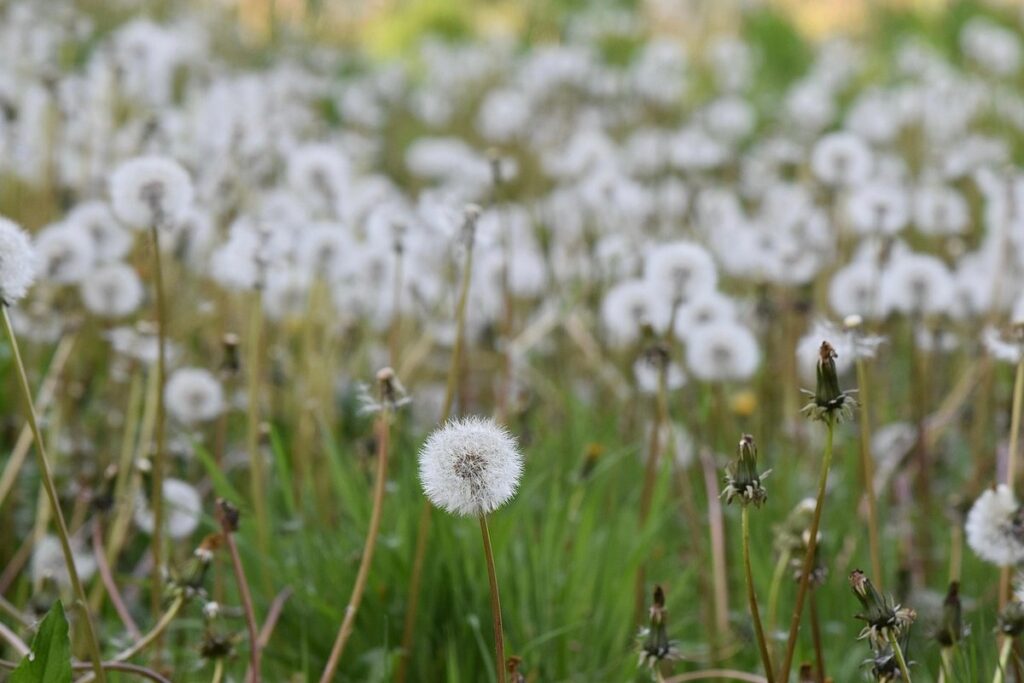
Understanding Your Prairie Garden Climate and Soil Conditions
To create a thriving prairie garden, it’s essential to understand your local climate and soil conditions, as these factors will greatly influence the types of perennials that succeed in your landscape. Take note of your region’s temperature fluctuations and precipitation patterns.
Assessing Sunlight and Temperature Tolerance
When selecting perennials for your prairie garden, it’s essential to consider their sunlight and temperature tolerance. Different species have varying requirements when it comes to these factors, which can significantly impact their growth and survival.
Some perennials are tolerant of full sun (six hours or more of direct sunlight), while others prefer partial shade (four to six hours of indirect sunlight). For example, native grasses like Big Bluestem and Little Bluestem thrive in full sun conditions. On the other hand, plants like Coreopsis and Echinacea perform well in partial shade.
Temperature tolerance is also crucial, as perennials may struggle or even perish if exposed to extreme temperatures. In general, prairie perennials can tolerate a wide range of temperatures, from -20°F to 100°F (-29°C to 38°C). However, some species like Bee Balm and Blazing Star are more sensitive to heat and require some afternoon shade.
When assessing the sunlight and temperature tolerance of your chosen perennials, consider their specific requirements. Research each plant’s needs and match them with your garden’s conditions. By doing so, you’ll create a thriving prairie garden that showcases the beauty and diversity of native plants.
Analyzing Soil pH and Nutrient Requirements
Soil testing is an essential step in creating a thriving prairie garden. It allows you to understand your soil’s pH level and nutrient requirements, which will help you choose perennials that can tolerate or thrive in those conditions.
A neutral soil pH of 6.0-7.0 is ideal for most prairie plants, but many species can adapt to acidic (pH 5.5-6.0) or alkaline (pH 7.1-8.0) soils as well. For example, Indian grass and big bluestem are tolerant of slightly acidic soils, while coneflowers and black-eyed susans prefer slightly alkaline conditions.
Some perennials have specific nutrient requirements. Bee balm, for instance, thrives in moist, fertile soils with a pH between 6.0-7.0, while little bluestem prefers well-drained soils with moderate fertility. Consider your soil’s nutrient levels when selecting perennials to ensure they receive the necessary nutrients to grow and bloom healthily.
When interpreting your soil test results, note the nutrient levels (e.g., nitrogen, phosphorus, potassium) and adjust your fertilization strategy accordingly. This will help you provide your perennials with exactly what they need to flourish in their environment.
Identifying Native and Non-Native Plant Options
When it comes to creating a thriving prairie garden, choosing the right perennials is crucial. One of the most important decisions you’ll make is whether to incorporate native or non-native plants into your landscape. Native plants have evolved over time to thrive in your specific region’s climate and soil conditions, making them a low-maintenance option that requires less watering and fertilizing.
On the other hand, non-native perennials can bring a unique aesthetic to your garden but often require more maintenance and care. However, it’s essential to be aware of the potential risks associated with introducing non-native plants into your ecosystem. Some non-natives can outcompete native species for resources, leading to an imbalance in the environment.
To mitigate this risk, consider using non-native perennials that are specifically bred for prairie gardens and have been designed to be more compact or less invasive. For example, the non-native perennial coneflower (Echinacea) is a popular choice for prairie gardens because it attracts pollinators and requires minimal maintenance.
When selecting either native or non-native perennials, always choose varieties that are suitable for your specific climate zone and soil type. A good rule of thumb is to choose plants that are at least 50% hardy in your area, ensuring they can withstand local weather conditions. By doing your research and selecting the right perennials for your prairie garden, you’ll be well on your way to creating a thriving ecosystem that requires minimal maintenance and care.
Selecting Perennials for Structure and Texture
When selecting perennials for your prairie garden, don’t forget to consider structure and texture to add depth and interest to your landscape. This mix of tall and short, smooth and feathery plants is essential for a thriving prairie look.
Incorporating Grasses for Vertical Interest and Movement
Grasses play a vital role in adding depth and movement to a prairie garden, making them an essential component of any thriving meadow. When it comes to selecting grasses for vertical interest, consider species like big bluestem (Andropogon gerardii) or little bluestem (Schizachyrium scoparium), which provide year-round interest with their unique seed heads and foliage.
For added texture and movement, incorporate shorter grasses like Indian grass (Sorghastrum nutans) or switchgrass (Panicum virgatum). These species can be used as a backdrop for taller perennials, creating a visually appealing contrast. When selecting grasses for different growing conditions, consider the soil type, moisture levels, and sunlight requirements.
Some species like blue grama (Bouteloua gracilis) thrive in dry to medium soils, while others like buffalo grass (Buchloe dactyloides) prefer well-drained soils with moderate moisture. By mixing and matching different grasses that provide year-round interest and adaptability to various growing conditions, you can create a dynamic and engaging prairie garden that showcases the beauty of native grasses.
Choosing Bulbs and Spring-Flowering Perennials
When it comes to choosing bulbs and spring-flowering perennials for your prairie garden, you’ll want to focus on plants that provide a vibrant start to the growing season. One of the most stunning groups is spring-blooming perennials like peonies, irises, and crocuses.
These flowers typically bloom from late winter through early spring, often before other perennials have even started growing. For example, crocuses usually bloom in late February or March, while peonies follow a bit later, around April or May. Consider planting these bulbs in clusters to create a colorful display that will catch the eye.
When selecting these plants for your prairie garden, keep their growth habits and care requirements in mind. Many spring-flowering perennials require minimal maintenance but need well-draining soil and full sun to partial shade. Be sure to plant them at the right depth to ensure proper blooming. For instance, peonies prefer a slightly acidic soil pH and should be planted 1-2 inches deeper than their rhizome.
Incorporating Shrubs and Small Trees for Depth and Year-Round Interest
When it comes to creating a thriving prairie garden, incorporating shrubs and small trees can add depth and year-round interest while providing habitat for local wildlife. These plants offer structure and texture that perennials alone may not be able to provide.
Look for species like dogwood (Cornus florida), red osier dogwood (Cornus sericea), or shrub dogwood (Cornus racemosa) which are all native to the prairie region. Not only do they offer a striking winter silhouette, but their flowers attract pollinators and birds in the spring.
When selecting shrubs and small trees for your prairie garden, consider factors like mature size, growth rate, and water requirements. For example, a slow-growing shrub like beautyberry (Callicarpa americana) may be a better choice if you have limited space or need to conserve resources.
Remember to also choose species that attract local wildlife by providing food, shelter, or breeding grounds. Some examples include the serviceberry (Amelanchier canadensis), which produces berries in the summer and attracts birds in the fall, or the paperbark maple (Acer griseum), whose exfoliating bark provides habitat for small animals.
By incorporating shrubs and small trees into your prairie garden, you’ll not only enhance its beauty but also create a more diverse and resilient ecosystem.
Maintaining a Diverse and Resilient Prairie Garden
To ensure your prairie garden remains thriving, you’ll want to focus on strategies for maintaining its diversity and resilience over time. This involves careful planning and regular upkeep.
Understanding the Role of Companion Planting and Succession Planting
Incorporating companion planting and succession planting into your prairie garden is crucial for maintaining its diversity and resilience. Companion planting involves pairing plants that benefit from each other’s growth, such as tall plants providing shade for shorter ones or those with different watering needs.
For example, you can pair tall grasses like big bluestem (Andropogon gerardii) with low-growing prairie flowers like black-eyed Susan (Rudbeckia hirta). The grasses will provide shelter and support for the smaller plants during harsh weather conditions. Similarly, plants like bee balm (Monarda didyma) repel pests that target nearby flowers.
Succession planting, on the other hand, involves planting different species at different times to ensure a continuous bloom period throughout the growing season. This can help prevent over-reliance on any single plant and maintain biodiversity. For instance, you can plant spring-blooming perennials like pasque flower (Pulsatilla occidentalis) in early spring, followed by summer-blooming species like coneflower (Echinacea purpurea). By incorporating these strategies into your prairie garden, you’ll create a more resilient and thriving ecosystem.
Implementing Mulching and Water Conservation Techniques
Effective mulching and water conservation techniques are essential to reduce maintenance needs, mitigate drought stress, and promote soil health in a prairie garden. Mulch acts as a protective barrier that retains moisture, suppresses weeds, and regulates soil temperature. When selecting mulch for your prairie garden, choose organic options like wood chips or straw that will eventually break down and add nutrients to the soil.
To implement effective mulching, apply 2-3 inches of mulch around plants, keeping it a few inches away from stems to prevent moisture accumulation. Replenish mulch as needed, ideally every spring and fall. Mulching also helps reduce watering needs by retaining soil moisture. Aim to water your prairie garden deeply but infrequently to encourage deep root growth.
Water conservation is equally crucial in maintaining a healthy prairie garden. Group plants with similar watering requirements together, and avoid overwatering which can lead to disease and pests. Monitor rainfall and adjust irrigation schedules accordingly. A rain gauge or soil moisture meter can help you determine when to water your prairie garden.
Encouraging Beneficial Insects and Pollinators through Plant Selection
When selecting perennials for your prairie garden, it’s essential to choose plants that not only provide aesthetic value but also support the local ecosystem. One critical aspect of maintaining a diverse and resilient prairie garden is encouraging beneficial insects and pollinators through plant selection.
Incorporating plants that attract beneficial insects and pollinators can have a significant impact on ecosystem balance and biodiversity. For example, coneflowers (Echinacea spp.) are a favorite among bees and butterflies, while black-eyed Susans (Rudbeckia hirta) attract lacewings and parasitic wasps. These plants provide nectar-rich flowers that support the feeding needs of pollinators.
To create a pollinator-friendly prairie garden, aim to include a mix of annuals and perennials with varying bloom times to ensure a constant food source throughout the growing season. Some other beneficial plant species for your consideration include butterfly milkweed (Asclepias tuberosa) and wild indigo (Baptisia tinctoria). By incorporating these plants into your prairie garden, you’ll not only attract pollinators but also contribute to a more balanced ecosystem.
Common Mistakes to Avoid When Selecting Perennials for a Prairie Garden
When selecting perennials for your prairie garden, it’s easy to get carried away with excitement and overlook some crucial considerations that can make or break your landscape. Avoid these common mistakes to ensure a thriving prairie garden.
Overlooking Maintenance Needs and Growth Habits
When selecting perennials for your prairie garden, it’s easy to overlook some crucial factors that can make all the difference between a thriving oasis and a struggling landscape. One common pitfall is underestimating maintenance needs. For instance, some perennials like coneflowers (Echinacea spp.) require staking to prevent them from toppling over in strong winds, while others like black-eyed Susans (Rudbeckia hirta) need regular deadheading to promote more blooms.
It’s also essential to consider growth habits when choosing perennials for your prairie garden. For example, plants with aggressive spreaders can outcompete smaller species and create an imbalanced ecosystem. Yarrow (Achillea millefolium), for instance, can quickly colonize an area if not managed properly. To avoid these issues, research the mature size and growth habits of each perennial before planting.
To ensure a balanced and thriving prairie garden, make sure to factor in maintenance needs and growth habits when selecting perennials. Consider companion planting, where you pair plants with different growing requirements to create a harmonious environment. By taking these factors into account, you’ll be well on your way to creating a beautiful and resilient prairie garden that requires minimal upkeep over time.
Neglecting Erosion Control and Soil Stabilization
When selecting perennials for your prairie garden, it’s easy to overlook one of the most critical aspects: erosion control and soil stabilization. A prairie garden is all about mimicking nature, but if you neglect this crucial element, you’ll be doing more harm than good in the long run.
Perennials with deep root systems are essential for preventing erosion and ensuring the stability of your garden. Plants like coneflowers (Echinacea spp.) and black-eyed susans (Rudbeckia hirta) have extensive root networks that help hold soil in place, even during heavy rainfall or strong winds. These perennials not only prevent erosion but also promote healthy soil structure by adding organic matter as they grow.
On the other hand, some perennials like prairie clover (Dalea purpurea) and blue wild indigo (Baptisia australis) have roots that stabilize soil while minimizing water runoff. They create microhabitats for beneficial insects and microorganisms to thrive, which in turn improves soil fertility and overall garden health.
Make sure to include a mix of perennials with different root depths and habits to ensure your prairie garden remains stable over time.
Seasonal Care for a Thriving Prairie Garden
To ensure your prairie garden stays healthy and thriving, we’ll explore seasonal care tasks to keep it looking its best from spring to fall. Let’s dive into those essential care tips!
Spring: Pruning and Planting Strategies
As spring arrives, it’s essential to tend to your prairie garden with care. This is an excellent time to prune dead plant material that may have accumulated over winter, allowing new growth to emerge and preventing the spread of disease. Take a close look at your perennials – if you notice any dead or damaged stems, cut them back to about 3-4 inches from the ground using clean pruning tools.
Now is also an excellent time to divide overgrown perennials like coneflowers, black-eyed Susans, and grasses. This will not only give your plants more room to grow but also prevent overcrowding, which can lead to reduced flowering and disease susceptibility. To do this, dig around the plant carefully, gently separating the roots with a fork or spade.
As you’re pruning and dividing, keep an eye out for any new additions that need to be planted. Whether it’s a newly acquired perennial or a replacement for a non-performing variety, spring is a great time to get these established in your prairie garden. Plant at the right depth – usually about 2-3 times as deep as the root system – and water thoroughly.
Summer: Water Management and Pest Control
When choosing perennials for your prairie garden, it’s essential to consider their water management and pest control needs. During dry spells, water conservation is crucial to prevent stress on plants. To efficiently manage water, incorporate drought-tolerant species like Little Bluestem (Schizachyrium scoparium) or Switch Grass (Panicum virgatum). These plants have adapted to survive with minimal rainfall and can thrive in areas with low watering needs.
Regularly monitoring your garden for signs of pest infestation is also vital. Keep an eye out for aphids, whiteflies, and spider mites that feed on plant sap, causing damage to foliage and flowers. To mitigate these pests, adopt integrated pest management (IPM) strategies that incorporate physical barriers, cultural controls, and targeted treatments. For example, hand-picking aphid colonies or using neem oil to control infestations.
Maintaining a balanced ecosystem is key to minimizing pest populations. Plant native species like Black-eyed Susan (Rudbeckia hirta) or Prairie Coneflower (Echinacea purpurea), which attract beneficial insects and pollinators that help regulate pest populations. By choosing the right perennials and implementing effective water management and pest control strategies, you can maintain a thriving prairie garden ecosystem even during dry spells.
Fall: Cleaning Up and Preparing for Winter Dormancy
As fall sets in, it’s essential to give your prairie garden some TLC to ensure it’s prepared for winter dormancy. Cleaning up debris is a crucial step, so take the time to remove dead plants, weeds, and spent flowers. This will not only create a tidy appearance but also prevent disease from spreading to healthy plants.
Cutting back perennials is another critical task. While some prairie plants like coneflowers and black-eyed Susans can be left standing, others like grasses and sedges should be cut back to about 3-4 inches above ground level. This helps protect the crown of the plant from harsh weather conditions and prevents damage from snowplows or heavy snowfall.
Finally, apply a layer of mulch or protective covering to shield roots from freezing temperatures. Organic mulches like wood chips or straw are excellent choices, as they retain moisture and regulate soil temperature. Apply a 2-3 inch layer around plants, keeping it a few inches away from the crown to prevent rot. This simple step will go a long way in safeguarding your prairie garden for the cold winter months ahead.
Troubleshooting Common Issues in Your Prairie Garden
Despite their beauty, prairie gardens can be challenging to maintain. If you’re experiencing issues with your perennials, don’t worry – we’ve got some common problems and solutions to help you troubleshoot.
Identifying Pests and Diseases and Developing a Management Plan
Identifying pests and diseases in your prairie garden is crucial for maintaining its health. Begin by inspecting your plants regularly, looking for signs of damage such as holes in leaves, yellowing or browning foliage, and distorted growth. Common pests like aphids, slugs, and snails can be controlled using neem oil, horticultural soap, or copper tape around plant stems.
Some diseases that affect prairie gardens include powdery mildew and leaf spot. Prevent the spread of these diseases by watering plants in the morning to allow for good air circulation and reducing overhead watering. Fungal diseases thrive in moist environments, so ensure your garden receives adequate sunlight and has proper drainage.
To develop a management plan, start by identifying the pests or diseases present in your garden. Research their life cycles and habits to determine the most effective control methods. Consider using natural predators or introducing beneficial insects like ladybugs or lacewings to control aphid populations. Also, maintain good garden hygiene by removing weeds, debris, and infested plants to prevent the spread of disease.
Dealing with Weed Invasions and Overgrowth
Dealing with weed invasions and overgrowth is an inevitable part of maintaining a prairie garden. Weeds can quickly outcompete even the most robust perennials, reducing their growth and beauty. To prevent this, regular maintenance is crucial. Set aside time each week to walk through your garden, removing weeds by hand before they produce seeds.
Hand-weeding is effective for small areas or isolated weed patches. For larger infestations, consider solarizing the soil. This involves covering the area with clear plastic sheeting, allowing the sun’s heat to kill weed roots. Be sure to remove any weeds above ground first and lay the plastic directly on top of the bare soil.
It’s also essential to choose perennials that are naturally resistant to common prairie weeds. Some species, like coneflowers and black-eyed Susans, have evolved alongside these weeds and can thrive in their presence. By selecting plants with built-in weed tolerance and staying on top of maintenance, you’ll enjoy a more resilient and beautiful prairie garden over the long term.
Frequently Asked Questions
Can I mix native and non-native perennials in my prairie garden, or is it best to stick with one type?
When combining native and non-native perennials, consider the potential risks of introducing invasive species that may outcompete native plants. To minimize this risk, choose non-native perennials that are known for their low invasiveness and adaptability to local conditions.
How often should I water my prairie garden, especially during periods of drought or extreme weather?
Water your prairie garden when the top 2-3 inches of soil feels dry to the touch. During extended dry spells, water deeply but infrequently to encourage deep root growth in perennials. Monitor local weather forecasts and adjust watering schedules accordingly.
Are there specific tools or equipment I should have on hand for maintaining my prairie garden?
Invest in a few essential tools like a sturdy trowel, pruning shears, and a rake. These will help with tasks like planting, pruning, and mulching, making maintenance more efficient and effective.
What’s the best way to handle weed invasions and overgrowth in my prarie garden?
Regularly inspect your garden for weeds, removing them before they spread. Consider implementing a mulching strategy or using a layer of landscape fabric to suppress weed growth. Monitor your soil pH and nutrient levels to prevent conditions that may encourage weed proliferation.
Can I plant perennials during any time of the year, or are there specific seasons when it’s best to do so?
While spring is often considered an ideal planting season, some perennials thrive better in fall or even early winter. Be sure to research specific planting times for each species and consider factors like soil temperature, moisture levels, and potential frost events.