
When it comes to creating a thriving vegetable garden, there are many factors to consider. But one often overlooked aspect is the type of mulch you use to protect and nurture your plants. Mulch is more than just a pretty layer on top of your soil – it’s a crucial tool for regulating temperature and moisture levels, reducing soil erosion, and preventing weeds from taking over. With so many types of mulch available, from organic matter like wood chips and bark to inorganic options like gravel and stone, choosing the right one can be overwhelming. In this article, we’ll break down the benefits of using mulch in vegetable gardens and provide a comprehensive guide on how to select the perfect mulch type for your specific plants and garden conditions, ensuring you get the best results from your gardening efforts.
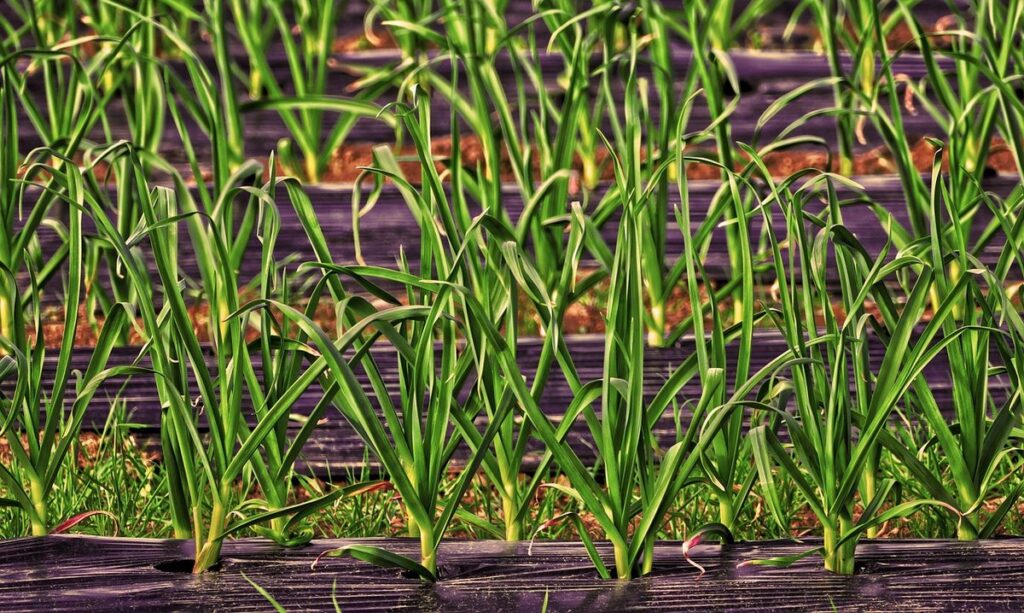
Benefits of Using Mulch in Vegetable Gardens
Using mulch in your vegetable garden offers numerous benefits, including improved soil health and reduced weed growth. Let’s explore these advantages up close!
Reduces Soil Erosion and Water Loss
Mulch plays a crucial role in maintaining the health and productivity of your vegetable garden. One of its most significant benefits is reducing soil erosion and water loss, which can significantly impact plant growth and overall yields.
When you don’t have enough mulch covering the soil, it’s exposed to the elements, leading to erosion. Rainfall and irrigation can cause water to flow over the surface, taking topsoil with it. Without a barrier in place, your garden can become a barren wasteland quickly. To prevent this, apply a 2-3 inch layer of mulch around plants to hold the soil in place.
However, common mistakes like applying too little mulch or not maintaining its depth over time can worsen erosion and water loss issues. Mulch also helps retain moisture by reducing evaporation from the soil surface, allowing your plants to absorb more water when needed. This makes it an essential component of efficient irrigation systems.
Regulates Soil Temperature and Moisture Levels
Using mulch in your vegetable garden has numerous benefits, and one of the most significant advantages is its ability to regulate soil temperature and moisture levels. This is particularly important for vegetables that are sensitive to extreme temperatures and water fluctuations.
By applying a layer of mulch, you can keep the soil cooler during hot summer days and warmer during chilly nights. This helps to promote healthy root growth, as most vegetables prefer a consistent soil temperature between 60°F and 80°F (15°C and 27°C). For example, tomatoes thrive in temperatures above 55°F (13°C), while peppers prefer it slightly warmer.
To optimize soil conditions, choose a mulch type that is effective at retaining moisture but also allows for some water penetration. Organic materials like wood chips or bark shavings work well, as they help to retain soil moisture while allowing excess water to drain through. Aim for a 2-3 inch layer of mulch around your vegetable plants, and replenish it as needed to maintain optimal soil conditions. By doing so, you’ll be creating an ideal environment for your vegetables to grow strong and healthy.
Common Mulch Types for Vegetable Gardens
When it comes to choosing a mulch type, understanding the options is crucial. Let’s explore the most common and effective mulches perfect for your vegetable garden setup.
Organic Mulches: Compost, Straw, and Bark
Organic mulches are an excellent choice for vegetable gardens, and compost, straw, and bark are three popular options. Compost is a nutrient-rich mulch that improves soil health and fertility. It’s easy to make at home by collecting kitchen scraps and yard waste, or you can purchase it from local suppliers. However, compost can be expensive if purchased in large quantities, and it may attract pests like rodents.
Straw is another eco-friendly option that suppresses weeds and retains moisture. It’s lightweight and easy to spread, making it a great choice for vegetable gardens with poor soil structure. However, straw can harbor seeds from invasive plants, so make sure to source it from a reputable supplier.
Bark, particularly cedar bark, has natural insect-repelling properties that can help protect your vegetables from pests. It’s also acidic, which can help lower the pH of alkaline soils. However, cedar bark can be expensive and may retain moisture, potentially leading to root rot if not properly managed.
When using any of these organic mulches, make sure to apply a 2-3 inch layer around plants, keeping it a few inches away from plant stems to prevent rot. Replenish the mulch as needed to maintain its effectiveness and keep your vegetable garden thriving.
Inorganic Mulches: Plastic, Rubber, and Metal
When it comes to vegetable gardens, inorganic mulches are often overlooked as an option. However, they can be effective at retaining moisture and suppressing weeds, making them a viable choice for gardeners. Let’s take a closer look at three types of inorganic mulches: plastic sheeting, rubber mulch, and metal mesh.
Plastic sheeting is a popular choice among gardeners due to its ease of installation and affordability. However, it can retain heat, potentially scorching nearby plants. It’s also not biodegradable, which can harm the environment if not disposed of properly. If you choose to use plastic sheeting, make sure to weigh it down with rocks or sand to prevent it from blowing away in windy conditions.
Rubber mulch is made from recycled tires and provides a weed-suppressing barrier that lasts for several years. It’s also resistant to rot and insects, making it a great choice for areas prone to pests. However, rubber mulch can be expensive compared to other options and may not provide the same aesthetic appeal as organic mulches.
Metal mesh is another option for inorganic mulching, providing excellent airflow and allowing water to penetrate to the roots of plants. It’s also durable and resistant to rot and insects. One drawback is that it can be noisy when exposed to wind, and its installation can be more complex than other options.
Characteristics to Consider When Choosing a Mulch Type
When selecting the perfect mulch for your vegetable garden, there are several key characteristics to consider, such as durability and moisture retention. This affects how well it protects your plants.
Moisture Retention Capacity
When choosing a mulch type for your vegetable garden, one crucial characteristic to consider is its moisture retention capacity. Different mulches retain water at varying rates, which can significantly impact plant growth and health.
For instance, organic mulches like wood chips and bark contain a high amount of natural oils that help retain moisture in the soil. These oils create a barrier between the soil and the air, reducing evaporation and maintaining optimal moisture levels for longer periods. In contrast, inorganic mulches like plastic sheeting provide an impermeable layer that completely prevents water loss from the soil.
To maintain optimal moisture levels, make sure to apply a 2-3 inch layer of your chosen mulch type around plants. This will not only reduce evaporation but also regulate soil temperature and prevent weed growth. It’s essential to note that excessive mulching can lead to an over-saturation of the soil, so be sure to monitor moisture levels regularly and adjust your mulch application accordingly.
In addition, consider incorporating compost or well-rotted manure into your mulch blend for enhanced water retention capabilities. These organic materials have a higher water-holding capacity than most mulches, making them an excellent choice for areas with low rainfall or intense sunlight.
Durability and Longevity
When choosing a mulch type for your vegetable garden, it’s essential to consider its durability and longevity. The lifespan of mulch varies significantly depending on the material, environmental conditions, and maintenance practices.
Organic mulches like wood chips or bark can last anywhere from 6 months to 2 years, depending on how well they’re maintained. Regular replenishment and mixing with other materials can help extend their lifespan. On the other hand, inorganic mulches such as rubber or plastic can last longer – up to 5 years or more – but may require occasional replacement due to degradation.
Factors like temperature fluctuations, moisture levels, and sunlight exposure also impact a mulch’s durability. For instance, some organic mulches may break down faster under intense heat or high rainfall. To maximize the lifespan of your chosen mulch, ensure it’s applied at the recommended depth (typically 2-3 inches) and keep the soil consistently moist but not waterlogged.
Ultimately, the longevity of your mulch is directly tied to its initial quality and maintenance habits. By choosing a suitable material and practicing proper care, you can enjoy years of weed suppression, moisture retention, and nutrient-rich soil for your vegetable garden.
Specialized Mulch Options for Vegetable Gardens
For a truly thriving vegetable garden, you’ll want to consider specialized mulches that cater to its unique needs. From acidic-friendly options to pest-repelling varieties, we’ve got you covered.
Acid-Loving Plants: Sphagnum Moss and Pine Straw
If you’re cultivating acid-loving plants like blueberries, azaleas, or strawberries in your vegetable garden, selecting the right mulch is crucial for their well-being. These plants require a more acidic environment to thrive, and not all mulches can provide the necessary acidity.
A suitable option for these plants is sphagnum moss. It’s naturally acidic, has excellent water retention properties, and suppresses weeds effectively. To use it as a mulch, simply layer it around 1-2 inches thick around your acid-loving plants. Sphagnum moss also helps retain moisture in the soil, reducing the need for frequent watering.
Another alternative is pine straw. It’s another acidic material that breaks down slowly and won’t alter the soil pH quickly. Pine straw mulch can be layered up to 3-4 inches deep around your acid-loving plants. This allows it to effectively suppress weeds while allowing adequate air circulation around the plants’ roots.
When using either of these mulches, keep in mind that they will eventually break down and need replenishing. Monitor their condition regularly and replenish as necessary to maintain optimal acidity levels for your plants.
Warm-Season Crops: Coconut Husk and Cocoa Mulch
When it comes to warm-season crops like tomatoes, peppers, and eggplants, choosing the right mulch can make a significant difference in their growth and productivity. Two specialized mulch options that excel in this regard are coconut husk and cocoa mulch.
Coconut husk, for instance, is an excellent choice for warm-season crops due to its high water-holding capacity and resistance to decomposition. This means it helps retain moisture in the soil, reducing the need for frequent watering. Its coarse texture also allows for good air circulation around plant roots, preventing fungal diseases that thrive in humid environments.
Cocoa mulch, on the other hand, is a rich source of nutrients like nitrogen, phosphorus, and potassium, which promote healthy growth and fruit production. It’s also relatively acidic, with a pH level between 5.5 and 6.5, making it suitable for plants that prefer slightly acidic conditions.
When using coconut husk or cocoa mulch, be sure to apply a 2-3 inch layer around your plants, keeping it a few inches away from the stem to prevent rotting. Both mulches can help suppress weeds, regulate soil temperature, and retain moisture – giving your warm-season crops the best possible chance to thrive.
DIY Mulch Options for Vegetable Gardeners
If you’re looking to reduce waste and save money, making your own mulch is a great option for vegetable gardeners on a budget. Here are some creative DIY mulch ideas.
Composting at Home
Composting at home is a simple and effective way to create nutrient-rich mulch for your vegetable garden. By turning kitchen scraps and yard waste into compost, you can reduce waste, conserve water, and improve soil health. To get started, gather the right materials: a designated composting area, a mix of “green” (nitrogen-rich) and “brown” (carbon-rich) materials, and a tool for mixing.
Begin by collecting kitchen scraps like fruit and vegetable peels, tea bags, and coffee grounds. Balance these with yard waste such as leaves, grass clippings, and shredded newspaper. Aim for a 2:1 or 3:1 brown-to-green ratio to maintain optimal composting conditions.
Maintain your pile’s moisture by keeping it damp, like a damp sponge. Avoid overwatering, which can lead to anaerobic conditions that produce unpleasant odors. Every few days, turn the pile with a tool to aerate and speed decomposition. Within 6-12 months, your kitchen scraps will transform into rich, earthy compost ready for use as mulch in your vegetable garden.
Reusing Household Materials as Mulch
As vegetable gardeners, we’re often encouraged to reduce waste and live more sustainably. One creative way to do this is by reusing household materials as mulch in our gardens. You might be surprised at the number of items you can repurpose as effective mulches.
Newspaper, for instance, makes an excellent mulch due to its high carbon-to-nitrogen ratio and ability to suppress weeds. Simply shred or tear the pages into manageable pieces and spread them evenly around your plants. Cardboard is another great option – just be sure to cut it into smaller squares or strips so that it doesn’t form dense mats that can prevent water from reaching the soil.
Coffee grounds are also a popular choice, rich in nitrogen and phosphorus, making them an excellent fertilizer as well as mulch. Simply sprinkle a 1-2 inch layer around your plants and keep it moist to allow the nutrients to release slowly into the soil. Other household items like tea bags, eggshells, and even hair clippings can be used in moderation as part of a mulching strategy that’s both eco-friendly and budget-conscious.
Maintenance and Upkeep of Vegetable Garden Mulch
Now that you’ve chosen the perfect mulch for your vegetable garden, let’s talk about how to keep it looking its best throughout the growing season. Proper maintenance is key to getting the most out of your mulched beds.
Regular Mulching Tasks
To keep your mulched areas looking their best and performing optimally, it’s essential to establish regular mulching tasks as part of your garden maintenance routine. This includes tools like a rake, trowel, and garden fork for efficient material distribution and removal.
You should aim to add new mulch layers every spring and fall, taking care to replenish the area with a 2-3 inch layer. Mulch also needs regular replenishment during the growing season to maintain its effectiveness in retaining moisture and suppressing weeds.
When replenishing existing mulch, focus on evenly spreading it over the area, ensuring a uniform thickness of at least 1-2 inches. Leave some space around plant stems for air circulation and prevent excessive moisture buildup. Remove any debris or weeds that may have sprouted beneath the mulch, using your trowel to gently lift and dispose of them.
Additionally, inspect your mulched areas regularly for signs of wear, such as cracking or breaking down, and replenish accordingly. By incorporating these regular tasks into your garden maintenance schedule, you’ll be able to enjoy the benefits of effective mulching throughout the growing season.
Troubleshooting Common Mulch-Related Issues
When dealing with vegetable garden mulch, it’s not uncommon to encounter issues that can hinder plant growth and productivity. One of the most pressing concerns is mulch degradation, which occurs when the organic material breaks down too quickly. This can lead to a loss of nutrients and create an environment conducive to pests and diseases.
To combat mulch degradation, consider replenishing your mulch layer every 6-12 months. You can also mix in some slow-release fertilizers or compost to provide a steady supply of nutrients. Additionally, keep the mulch depth at around 2-3 inches to prevent over-decomposition.
Pests and diseases are another common issue that affects vegetable garden crops. To mitigate these problems, choose mulch types that repel pests or inhibit disease growth. For example, cedar mulch is known for its ability to deter rodents and insects, while cypress mulch has natural oils that prevent fungal growth. Regularly inspect your garden for signs of pests or diseases, and take swift action if you notice any issues.
By being proactive in addressing these common issues, you can enjoy a thriving vegetable garden with healthy plants and minimal maintenance requirements.
Conclusion: Selecting the Right Mulch Type for Your Vegetable Garden
Now that we’ve explored various mulch types, it’s time to summarize key takeaways and provide you with a clear guide on selecting the perfect mulch for your vegetable garden.
Recap of Key Takeaways
As we conclude our discussion on selecting the right mulch type for your vegetable garden, let’s recap the key takeaways. Choosing a suitable mulch is crucial to ensure healthy plant growth and optimal garden performance. This decision should be based on specific plant needs and garden conditions.
Consider the unique requirements of each vegetable variety when selecting a mulch type. For example, plants like tomatoes and peppers benefit from acidic mulches that help maintain soil pH levels, while cucumbers and squash prefer a more neutral mulch to avoid disrupting their nutrient uptake.
It’s also essential to evaluate your garden’s microclimate and choose a mulch that addresses its specific needs. Mulchs with high water-holding capacity are ideal for dry or drought-prone areas, while those with built-in pest control properties can be beneficial in gardens plagued by pests like slugs and snails.
Incorporating these considerations into your decision-making process will help you select the most suitable mulch type for your vegetable garden. By choosing a mulch that meets specific plant needs and garden conditions, you’ll create an optimal environment for healthy growth and increased productivity.
Final Tips for Optimizing Mulch Use in Your Vegetable Garden
As you’ve successfully incorporated mulch into your vegetable garden, it’s essential to continue optimizing its use for maximum benefits. To take your mulching game to the next level, remember that there’s always room for improvement and experimentation.
Start by monitoring the moisture levels in your soil and adjusting your mulching strategy accordingly. For instance, if you notice that your plants are drying out quickly, consider adding a thicker layer of organic mulch or exploring alternative materials with better water-retention properties.
Another key aspect to focus on is maintaining a balanced ecosystem within your garden bed. Regularly inspect your mulched areas for signs of pests, diseases, and weeds. Implement integrated pest management techniques, such as introducing beneficial insects or using physical barriers, to minimize chemical interventions.
Additionally, don’t be afraid to experiment with different types of mulch and layering combinations to find what works best for your specific climate and garden conditions. Keep track of your observations and note the results – this will help you refine your approach over time. By embracing a continuous improvement mindset and staying attuned to your garden’s unique needs, you’ll unlock the full potential of mulching in your vegetable garden.
Frequently Asked Questions
Can I use mulch from my neighbor’s yard, or does it need to be specifically sourced for gardening?
While it might seem convenient to repurpose mulch from your neighbor’s yard, it’s essential to ensure that the material is safe and beneficial for your garden. Check with your neighbor about the type of materials used and their potential impact on your soil health. If it’s a reputable source, such as organic wood chips or bark, you can use it. However, if the mulch contains weed seeds, pesticides, or heavy metals, it may harm your plants.
How often should I replenish my mulch layer to maintain its effectiveness?
The frequency of replenishing your mulch depends on various factors, including the type of mulch, climate, and plant growth rate. Generally, you’ll need to add a new layer every 1-3 years, or when the existing mulch breaks down significantly. For example, if using organic mulches like compost or straw, you may need to replenish more frequently due to their higher decomposition rates.
Are there any specific considerations for using mulch in raised beds versus in-ground gardens?
When using mulch in raised beds, it’s crucial to choose a type that allows adequate drainage and doesn’t compact easily. Organic mulches like coconut husk or cocoa mulch work well, as they retain moisture while preventing waterlogging. In contrast, in-ground gardens may benefit from more durable mulches like plastic or rubber, which can withstand heavy rainfall and soil compaction.
Can I use mulch to suppress weeds completely, or is it a long-term solution?
Mulch can significantly reduce weed growth, but it’s not a foolproof method for complete suppression. Regularly removing weeds by hand or using complementary techniques like crop rotation will help maintain a healthy balance in your garden. Mulch acts as a barrier, preventing new seeds from germinating and making it easier to remove existing weeds.
How do I determine the right depth of mulch layer for my specific vegetable garden?
Aim for a 2-3 inch thick layer of mulch for optimal results. This depth allows for effective weed suppression and moisture retention without risking waterlogging or soil compaction. If you’re unsure, start with a smaller amount (1-2 inches) and monitor your plants’ responses, adjusting the depth as needed based on their growth and your specific climate conditions.