
Are you tired of high-maintenance lawns or bare spots in your yard? If so, it’s time to consider the benefits of groundcover plants for full sun areas. Not only do they require less upkeep than traditional grass, but they can also thrive in harsh conditions with minimal watering. In this article, we’ll explore some of the best drought-tolerant groundcovers that love basking in the sun, including succulents and creeping thyme. We’ll cover everything you need to know about planting and caring for these low-maintenance wonders, as well as troubleshooting common issues that may arise. By the end of this post, you’ll have a solid understanding of how to create a stunning and sustainable full sun groundcover garden that’s perfect for hot spots in your yard.
Choosing the Right Groundcovers
When it comes to selecting groundcovers for full sun, there are several factors to consider to ensure you choose a plant that thrives in your specific climate and conditions. Let’s break down what to look for.
Types of Groundcovers Suitable for Full Sun
When it comes to groundcovers that can handle full sun, there are several types of plants that excel in warm and sunny conditions. Succulents are a popular choice for areas with intense sunlight, as they have adapted to store water in their leaves, stems, or roots, allowing them to survive with minimal watering. Some examples of succulent groundcovers include Echeveria, Sedum, and Crassula.
Creeping thyme is another low-growing option that can thrive in full sun. This fragrant herb spreads quickly, forming a dense mat of tiny leaves and producing small white flowers in the spring. It’s perfect for areas with foot traffic, as it can be walked on without getting damaged.
Sedum, also known as stonecrop, is a drought-tolerant groundcover that comes in a variety of shapes and sizes. Its thick, fleshy leaves can store water, allowing it to survive long periods without watering. Some popular types of sedum include Sedum spurium and Sedum sarmentosum.
When choosing a succulent or creeping thyme as a groundcover for your full-sun area, make sure to plant them in well-draining soil to prevent root rot. Also, be mindful of the amount of water you give them, as overwatering can lead to problems like fungal diseases and pest infestations.
Factors to Consider When Selecting a Groundcover
When selecting a groundcover for full sun areas, there are several key factors to consider. First and foremost, think about the soil type in your garden. Different groundcovers thrive in different types of soil, ranging from sandy to clay-based. For example, sedum is a low-maintenance option that can tolerate poor soil conditions, while creeping thyme prefers well-draining soil with good air circulation.
Moisture levels are another crucial consideration. Some groundcovers, such as vinca minor and periwinkle, require consistent moisture to prevent scorching in full sun. Others, like succulents and sedum, can survive with minimal watering. Consider the local climate and rainfall patterns when choosing a groundcover that fits your region’s water requirements.
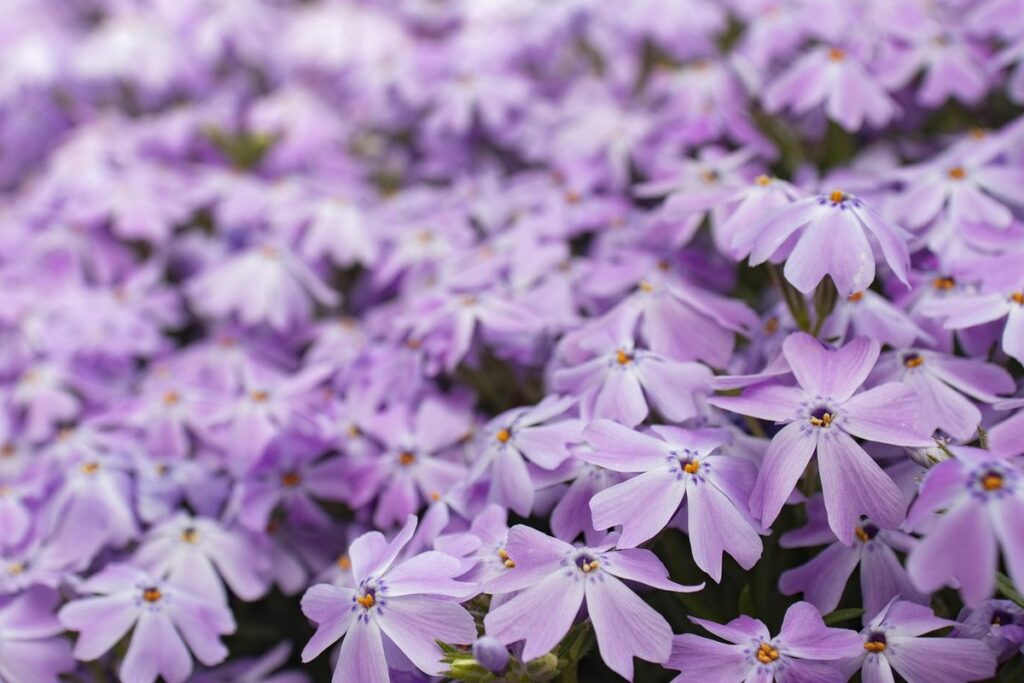
Maintenance requirements are also essential to consider. If you’re short on time or prefer a hands-off approach, choose a groundcover that requires minimal pruning and upkeep, like creeping juniper or sweet woodruff. On the other hand, if you enjoy gardening, select a more demanding option that will reward your attention with vibrant flowers and foliage, such as phlox or creeping veronica.
Planting and Care Instructions
To ensure you get the best results from your chosen groundcover, follow these essential planting and care instructions carefully, including watering, pruning, and fertilizing tips.
Preparing the Soil for Full Sun Groundcovers
Before planting full sun groundcovers, it’s essential to prepare the soil to ensure they receive the right conditions for growth. Start by removing weeds and debris from the area using a combination of physical removal and hand tools like hoes or cultivators. This will prevent competition for water and nutrients.
Next, test your soil pH and adjust it if necessary to accommodate your chosen groundcover’s requirements. Most full sun groundcovers thrive in well-draining, slightly acidic soils (pH 6.0-7.0). If your soil is too dense or heavy clay, consider adding organic matter like compost or mulch to improve drainage and structure.
When incorporating organic matter, follow the recommended application rates to avoid overloading the soil with nutrients. A general rule of thumb is to add 2-3 inches of compost or well-rotted manure per square foot. This will also help retain moisture in the soil, reducing the need for frequent watering. By taking these steps, you’ll create an ideal environment for your full sun groundcovers to establish and thrive.
Watering and Irrigation Techniques for Full Sun Groundcovers
When it comes to full sun groundcovers, proper watering and irrigation techniques are crucial for their survival. These plants can be prone to drying out quickly due to intense sunlight, making regular watering essential.
As a general rule of thumb, water your full sun groundcovers when the top 1-2 inches of soil feels dry to the touch. The frequency of watering will depend on factors such as climate, soil type, and plant species. In hot and dry climates, you may need to water every 2-3 days, while in cooler regions, it’s best to water once a week.
To avoid overwatering, which can lead to root rot and other issues, make sure to check the soil moisture before watering. A simple way to do this is by inserting your finger into the soil up to the knuckle; if the soil feels dry, it’s time to water. It’s also essential to use a drip irrigation system or soaker hose, which delivers water directly to the roots of the plants, reducing evaporation and runoff.
Remember, it’s better to err on the side of caution and underwater than overwater your full sun groundcovers.
Popular Groundcover Plants for Full Sun
If you’re looking for vibrant plants that can thrive in full sun, we’ve got you covered. Here are some popular groundcover options perfect for those sunny spots in your yard.
Succulents as a Groundcover Option
If you’re looking for a low-maintenance groundcover option that can thrive in full sun areas, succulents are an excellent choice. These versatile plants come in a wide range of species, each with its unique characteristics and benefits.
Some popular succulent varieties suitable as groundcovers include Sedum, Sempervivum, and Echeveria. They’re perfect for areas with poor soil or where regular watering is not possible. Succulents can tolerate extreme temperatures, making them ideal for areas that receive direct sunlight for most of the day.
To care for succulent groundcovers, it’s essential to provide good drainage. Plant them in well-draining soil or raised beds to prevent waterlogged soil. Water them sparingly, allowing the top inch of soil to dry out between watering sessions. Fertilize them during the growing season (spring-fall) with a balanced fertilizer.
When choosing succulent groundcovers, consider their growth habits and spread. Some varieties can form dense mats or trails, while others may grow upright. Select species that fit your desired look and maintenance level. With proper care, succulents can create stunning displays of color and texture in full sun areas.
Creeping Thyme: A Low-Growing Groundcover for Full Sun
Creeping thyme is an excellent choice for low-maintenance groundcover in full sun areas. This fragrant, spreading herb forms a dense mat of tiny leaves and produces small pink flowers in the summer. Not only does it thrive in full sun, but it can also tolerate some foot traffic, making it perfect for busy garden paths or walkways.
To grow creeping thyme successfully, ensure that your soil is well-draining and has a pH between 6.0 and 7.0. Water sparingly, as this plant is drought-tolerant and excessive moisture can lead to root rot. Prune back the stems after flowering to maintain shape and promote new growth.
A great benefit of using creeping thyme as a groundcover is its ability to suppress weeds. By spreading quickly and forming a dense mat, it outcompetes weeds for space and light, reducing the need for herbicides or other weed control methods. With proper care, creeping thyme can spread up to 12 inches per year, making it an excellent choice for large areas that require minimal maintenance.
Design Ideas for Incorporating Groundcovers into Your Garden
When incorporating groundcovers into your full-sun garden, you’ll want to consider creative ways to showcase these low-maintenance plants in visually appealing arrangements. Let’s explore some inspiring design ideas to get started!
Using Groundcovers to Create a Drought-Tolerant Garden
Using groundcovers to create a drought-tolerant garden is a game-changer for full sun areas. By strategically incorporating these low-maintenance plants, you can enjoy a lush and vibrant landscape without breaking the bank on water bills.
When designing a drought-tolerant garden with groundcovers, start by choosing plants that have deep root systems, which allow them to access moisture deeper in the soil. Some excellent options include succulents like sedum or creeping juniper. These plants can thrive in full sun and require minimal watering, making them perfect for areas where water conservation is a priority.
To create a visually appealing design, interplant groundcovers with other drought-tolerant plants to create a layered effect. For example, plant low-growing succulents like sedum or creeping thyme between larger shrubs or perennials. This will not only add texture and interest but also reduce soil temperature and retain moisture.
When selecting groundcovers for your drought-tolerant garden, be sure to consider their mature size and spread. Some groundcovers can become invasive if left unchecked, so it’s essential to choose varieties that are specifically bred for containment. With a little planning and creativity, you can create a stunning and water-efficient garden that brings joy and beauty to your outdoor space all year round.
Incorporating Groundcovers into a Full Sun Perennial Border
When designing a full sun perennial border, incorporating groundcovers can add depth, texture, and visual interest. To create a stunning display, consider layering different textures and heights of plants. For example, pair low-growing, spreading sedums like Sedum spurium with taller perennials like coneflowers or black-eyed Susans. This combination creates a layered effect that adds visual appeal.
To enhance the look, incorporate groundcovers with contrasting foliage colors, shapes, and sizes. For instance, combine the golden leaves of Creeping Jenny (Lysimachia nummularia ‘Aurea’) with the deep green foliage of Hostas or boxwood. This mix creates a visually appealing contrast that draws the eye through the border.
When selecting groundcovers for your full sun perennial border, remember to consider their mature size and growth habits to ensure they won’t overwhelm other plants. By thoughtfully combining different textures, colors, and heights, you can create a beautiful, dynamic display that showcases the beauty of full sun groundcover plants.
Troubleshooting Common Issues with Full Sun Groundcovers
We know you’ve invested time and effort into planting full sun groundcovers, but things can go wrong. Don’t worry, we’ll walk you through common issues to troubleshoot and resolve quickly.
Dealing with Pests and Diseases in Full Sun Groundcovers
When growing full sun groundcovers, it’s essential to be aware of common pests and diseases that can affect these plants. Aphids, whiteflies, and spider mites are frequent visitors to sunny gardens, feeding on sap and causing curled or distorted leaves. To prevent infestations, keep your garden clean by removing weeds and debris where pests like to hide. Regularly inspect your plants for signs of aphid activity, such as sticky honeydew droplets or a soapy residue on leaves.
To treat an infestation, use insecticidal soap or neem oil, following the product’s instructions carefully. Some groundcovers are more susceptible to certain pests than others; for example, creeping thyme can be vulnerable to spider mites in hot summer months. Powdery mildew is another common issue affecting full sun groundcovers, often caused by high humidity and poor air circulation. Improve soil drainage, prune plants regularly, and avoid overwatering to reduce the risk of powdery mildew outbreaks.
Fixing Common Care Mistakes for Full Sun Groundcovers
When growing full sun groundcovers, it’s easy to fall into common care mistakes that can harm their health and appearance. One of the most significant errors is overwatering, which can lead to root rot and kill off these delicate plants. Check your soil regularly to ensure it’s not too moist, and consider using a moisture meter for more accurate readings.
Another mistake is under-maintenance, where groundcovers are neglected, resulting in weeds taking over and the plant becoming leggy or sparse. Make sure to mow or trim back your full sun groundcover plants regularly, about once a month during peak growing seasons. This not only maintains their shape but also encourages new growth and prevents invasive species from sprouting.
It’s also worth noting that some groundcovers require division every few years to maintain their density and health. For example, creeping thyme and sedum can become leggy if not divided regularly. Be sure to research the specific needs of your groundcover plant to avoid these common pitfalls and keep it thriving in full sun conditions.
Conclusion
When choosing groundcover plants for full sun, it’s essential to consider their specific needs, including watering, pruning, and fertilization. By selecting plants that thrive in these conditions, you’ll be rewarded with a low-maintenance yet beautiful landscape. In conclusion, groundcovers are an excellent option for areas receiving full sun, providing not only aesthetic appeal but also erosion control and weed suppression.
With the right selection and care, your garden will flourish under full sun exposure. Remember to choose plants that are adapted to local conditions and have a high tolerance for heat and dry spells. By following this guide, you’ll be well-equipped to create a stunning groundcover landscape that brings joy and serenity to your outdoor space.
Frequently Asked Questions
Can I plant groundcovers in areas with poor soil quality?
Groundcovers can thrive in poor soil, but it’s essential to prepare the soil properly before planting. Add organic matter like compost or well-rotted manure to improve soil structure and fertility. This will help your groundcover plants establish themselves more effectively.
How often should I water my groundcovers in full sun areas?
Watering frequency depends on weather conditions, soil type, and plant species. Water your groundcovers when the top inch of soil feels dry to the touch. In extreme heat or drought, you may need to water every 2-3 days. However, overwatering can be detrimental, so monitor your plants’ response to watering schedules.
Can I use a single type of groundcover for an entire yard?
While it’s possible to choose one groundcover species for the whole yard, it might lead to a uniform and potentially monotonous landscape. Consider mixing different types of groundcovers with varying growth habits, textures, and flowering times to create visual interest and diversity.
How do I prevent pests like aphids or whiteflies from infesting my groundcovers?
Regularly inspect your plants for signs of pests. Use neem oil or insecticidal soap as a preventative measure against aphids and whiteflies. Prune infected areas to prevent the spread, and ensure good air circulation around your plants to reduce humidity that can foster pest growth.
Can I use groundcovers in containers instead of in-ground planting?
Yes! Groundcovers can thrive in containers, providing a low-maintenance solution for small spaces or areas with poor soil conditions. Choose a container with good drainage, and use a well-draining potting mix to prevent waterlogged soil. Be prepared to water more frequently than in-ground plants due to the higher water-holding capacity of containers.