
If you’re like many gardeners, you may be struggling to find the perfect solution for shady areas in your yard. Not all plants thrive in low-light conditions, and even fewer can handle high foot traffic and moisture levels that come with groundcover areas. But don’t worry – we’ve got you covered! In this article, we’ll explore the top-performing groundcover plants that can tolerate shade and help create a beautiful and low-maintenance garden design. From selecting the right plant for your specific conditions to learning how to care for them properly, we’ll cover everything you need to know. By the end of this post, you’ll have all the information you need to transform those shady areas into lush, vibrant oases that add curb appeal to your home without breaking a sweat.
Understanding Groundcover Plants in Shade
When it comes to shade, not all groundcovers are created equal. In this next part of our guide, we’ll delve into the specifics of choosing the right groundcover for shaded areas.
What Are Groundcover Plants?
When it comes to shady spots in our gardens, finding plants that can thrive and add visual interest can be a challenge. This is where groundcover plants come into play. But what exactly are groundcover plants? Simply put, they’re low-growing plants that spread quickly and cover large areas, making them perfect for those hard-to-reach corners or slopes.
One of the best things about groundcovers is their ability to suppress weeds. By spreading out rapidly and forming a dense mat, they prevent weeds from taking hold in the first place. This not only saves time spent on weeding but also reduces the need for herbicides or other chemicals. For example, creeping thyme (Thymus serpyllum) is an excellent groundcover that can be walked on, and its tiny leaves make it difficult for weeds to grow.
Groundcovers are also incredibly effective at reducing erosion, especially in sloping areas. By holding soil in place with their roots, they prevent landslides and keep your garden looking neat and tidy. Plus, many groundcovers produce beautiful flowers or foliage that add color and texture to your garden.
Benefits of Using Groundcover Plants in Shade
When it comes to managing shade areas in your garden, groundcover plants can be a game-changer. Not only do they provide an attractive and low-maintenance solution, but they also offer several benefits that can improve the overall health and appearance of your yard.
One of the most significant advantages of using groundcover plants in shade is their ability to reduce the need for frequent mowing. By spreading out and covering a large area, these plants create a dense mat of foliage that suppresses weeds and eliminates the need for regular trimming. For example, Creeping Thyme (Thymus serpyllum) is an excellent choice for shaded areas as it forms a compact, weed-suppressing mat that only needs occasional pruning.
Groundcover plants also provide a natural barrier against pests and diseases. By planting a dense layer of foliage, you can prevent weeds from germinating and reduce the risk of pest infestations. For instance, Vinca minor (Periwinkle) is known for its ability to crowd out weeds and create an inhospitable environment for pests.
When selecting groundcover plants for shade areas, choose species that are tolerant of low light conditions and have a dense growth habit. This will ensure that your plants thrive in the shaded environment and provide long-lasting benefits.
Selecting Groundcover Plants for Shade
When choosing groundcovers for shaded areas, it’s essential to select plants that thrive in low-light conditions and can tolerate varying moisture levels. This selection guide will help you make an informed decision.
Considerations for Choosing Groundcover Plants
When selecting groundcover plants for your shady area, it’s essential to consider several factors that will determine their success. First and foremost, think about the amount of sunlight the area receives, even if it’s labeled as a shade garden. Some plants can tolerate partial shade or dappled light, while others require full shade.
Also, take into account the soil type in your garden. Does it drain well, or is it prone to waterlogging? Certain groundcover plants are more adaptable to wet conditions than others. For example, creeping thyme (Thymus serpyllum) and sweet woodruff (Galium odoratum) can thrive in areas with poor drainage.
Maintenance needs should also be a consideration. If you have limited time for gardening, choose low-maintenance groundcover plants like vinca minor or pachysandra. These options are relatively easy to care for and require minimal pruning or upkeep.
Lastly, consider the mature size of the plant and how it will spread over time. You want to ensure that your chosen groundcover won’t overcrowd other plants in the area or compete with them for resources like water and nutrients.
Types of Groundcover Plants Suitable for Shade
When it comes to finding the perfect groundcover plants for shade, there are several popular options that thrive in low-light conditions and require minimal maintenance. One such option is Ajuga, also known as Bugleweed. This evergreen perennial spreads quickly to form a dense mat, making it an excellent choice for areas with deep shade. Its delicate blue or purple flowers add a touch of color in the spring, but the real benefit lies in its ability to suppress weeds and retain moisture.
Another option is Pachysandra, a slow-growing, low-maintenance plant that tolerates deep shade and dry soil. It’s an ideal choice for areas with poor soil quality, as it can thrive in conditions where other plants might struggle. Vinca minor, or Periwinkle, is another popular groundcover that excels in shade. Its blue-purple flowers bloom in the spring, and its dark green leaves provide a lush texture throughout the year.
In addition to these options, consider the specific needs of your garden when choosing a groundcover plant for shade.
Planting and Caring for Groundcover Plants in Shade
To grow healthy groundcovers in shade, you’ll need to know the best techniques for planting and caring for these low-maintenance plants. Let’s dive into the specifics of their care.
Preparing the Soil for Groundcover Plants
When it comes to planting groundcover plants in shade, preparing the soil is an essential step that often gets overlooked. But don’t make this mistake! Before you start planting, take some time to loosen the soil to a depth of 8-10 inches. This will allow the roots of your new groundcovers to grow deep and establish themselves firmly.
Now, let’s talk about adding organic matter to improve soil fertility. Mix in some compost or well-rotted manure to give your plants a nutrient-rich environment to thrive in. Compost is like a multivitamin for your soil, providing essential nutrients that will boost the health of your groundcovers. You can also use peat moss or leaf mold if you don’t have access to compost.
Remember, good soil preparation sets the stage for healthy and vibrant plants. By loosening the soil and adding organic matter, you’ll create an ideal environment for your groundcover plants to flourish in shade conditions. Don’t skip this step – it’s worth the extra effort!
Watering and Maintenance Tips
When it comes to maintaining the health and appearance of your groundcover plants in shade, regular watering and fertilization are crucial. Overwatering can be detrimental to these plants, so make sure to check the soil moisture regularly by inserting a finger into the soil up to the first knuckle. If the soil feels dry, it’s time to water. Aim for about 1-2 inches of water per week, either from rainfall or irrigation.
Fertilization is also essential for promoting healthy growth and vibrant colors in your groundcover plants. Use a balanced, slow-release fertilizer (10-10-10 NPK) during the growing season, typically spring and summer months. Be sure to follow the manufacturer’s instructions for application rates to avoid over-fertilizing, which can damage the plants.
Regular pruning is another important maintenance task to maintain your groundcover plants’ shape and promote new growth. Use a sharp, clean pair of gardening shears or clippers to trim back leggy stems or remove any dead or damaged leaves. This will not only keep the plants looking their best but also encourage them to spread and cover more area over time.
Common Groundcover Plants for Shade
If you’re looking to cover large areas of your yard without sacrificing style, we’ve got some fantastic shade-tolerant groundcovers that’ll fit the bill perfectly. Let’s explore a few popular options.
Perennials That Thrive in Shade
When it comes to adding color and texture to your shaded garden, perennials are an excellent choice. Among these, Lamium, Phlox, and Sedum stand out for their exceptional ability to thrive in shade.
Lamium, also known as Spotted Deadnettle, offers delicate white or purple flowers that bloom throughout the spring and summer months. It’s a versatile option, growing between 6-12 inches tall, making it perfect for edges, containers, or mass planting.
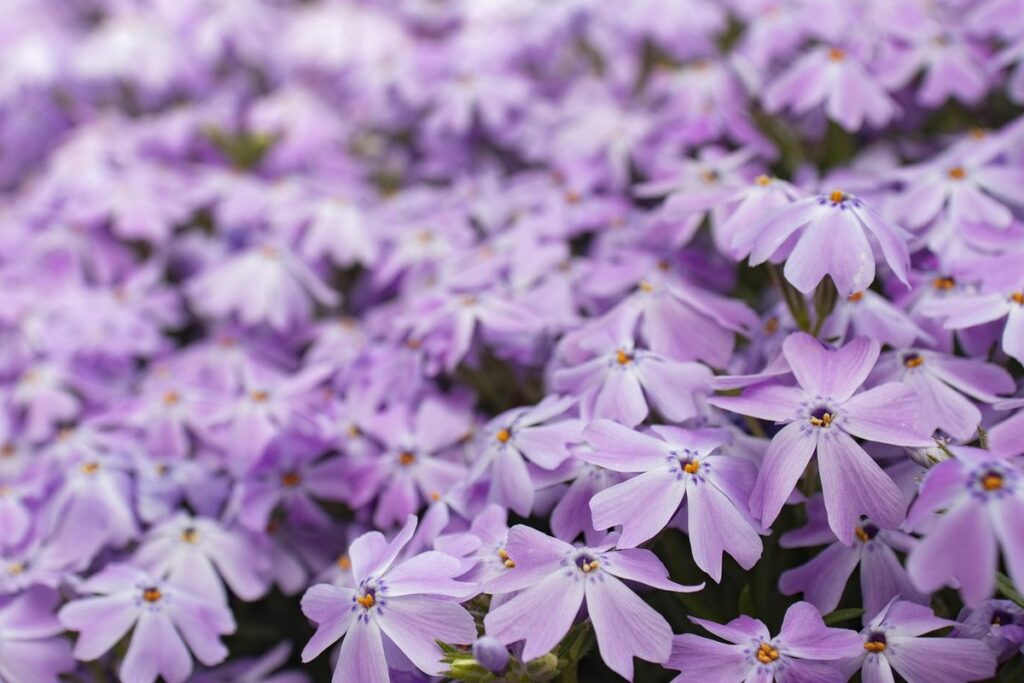
Phlox is another favorite among gardeners, providing vibrant pink, purple, or white blooms from mid to late summer. These plants grow relatively low, around 4-8 inches tall, and are ideal for woodland gardens or shady borders.
Sedum, a succulent perennials that store water in their thick leaves, is perfect for dry shade areas where other plants may struggle to survive. They produce white, pink, or yellow flowers from mid to late summer and come in various heights, ranging from 6-12 inches tall.
These low-maintenance options will not only add visual appeal to your shaded garden but also require minimal upkeep, making them a great choice for busy gardeners or those looking for an easy-to-grow solution.
Annuals That Can Tolerate Shade
If you’re looking to add some vibrancy to your shaded areas without committing to long-term investments like perennials, consider incorporating annuals that can tolerate shade into your landscape. Coleus is a popular choice for its striking foliage and ability to thrive in low-light conditions. Its large leaves come in an array of colors, making it easy to find a variety that complements your existing decor.
Impatiens are another great option for shady areas, offering a burst of color with their vibrant flowers. They’re relatively low maintenance and can be used as a border plant or container filler. Petunias may not be the first choice when thinking about shade-tolerant plants, but they can still add a pop of color to your shaded spaces.
When choosing annuals for shady areas, keep in mind that they’ll require more frequent watering and fertilization than their sun-loving counterparts. Regularly inspect your plants for signs of stress or disease, and adjust your care routine accordingly. With the right conditions and attention, these annual options can add a vibrant splash to your shaded landscapes without breaking the bank.
Designing with Groundcover Plants in Shade
When designing with groundcovers in shade, consider using plants that thrive under low light conditions to minimize maintenance and create a lush atmosphere. This can be achieved with a variety of options.
Creating a Cohesive Look
When selecting groundcover plants for shade, it’s essential to consider how they will contribute to a cohesive look in your garden. This can be achieved by choosing plants with similar growth habits and foliage textures. For instance, if you’re aiming for a lush, layered effect, select groundcovers that have varying heights and spread rates. On the other hand, if you prefer a uniform appearance, opt for plants with uniform growth patterns.
Consider pairing tall-growing plants like Ajuga or Lamium with shorter varieties like Creeping Thyme or Dwarf Mondo Grass. This combination creates visual interest while maintaining a cohesive look. Additionally, choosing plants with complementary foliage textures adds depth and variety to your garden. For example, combining the glossy leaves of Pachysandra with the delicate, fern-like foliage of Vinca minor creates an appealing contrast.
Remember, consistency is key when creating a cohesive look with groundcover plants in shade. By selecting plants that work well together in terms of growth habit and texture, you’ll create a visually stunning garden that’s easy to maintain.
Mixing Groundcover Plants with Other Plants
When it comes to designing with groundcover plants in shade, one of the most effective ways to create a visually appealing landscape is to combine them with other shade-loving plants. This approach not only adds depth and interest but also helps to create a diverse ecosystem.
Consider pairing groundcovers like English ivy or creeping thyme with shrubs such as rhododendron or azalea. These plants complement each other in terms of texture, foliage color, and bloom time, creating a dynamic and engaging landscape. For example, the delicate white blooms of creeping thyme can add a pop of color under the large leaves of a rhododendron.
You can also combine groundcovers with perennials like hostas or astilbe to create a layered look. This is particularly effective in areas with dappled shade, where the foliage and flowers of these plants can thrive. Just be sure to choose groundcovers that are low-growing and spreading, so they don’t compete with taller plants for resources.
Remember to plant a mix of flowering and non-flowering plants to ensure year-round interest and to attract pollinators like bees and butterflies. With a little planning, you can create a stunning shade garden that showcases the beauty of groundcover plants and other shade-loving varieties.
Troubleshooting Common Issues with Groundcover Plants in Shade
Some groundcovers may struggle in shady areas, and knowing what to expect can help you troubleshoot common problems with these plants. Let’s dive into some of the most common issues that arise when growing groundcover in shade.
Dealing with Pests and Diseases
When it comes to maintaining healthy groundcover plants in shade, dealing with pests and diseases is an essential part of the process. One common pest that can affect groundcover plants is slugs and snails, which thrive in moist environments often found under shaded areas. To control these pests, use copper tape around planters or individual pots as they don’t like to cross over it.
Another common issue is root weevil damage, where larvae eat the roots of the plants, causing them to decline and die. To prevent this, ensure your soil pH level remains within a suitable range for your groundcover plant species. Regularly inspecting your plants can also help catch any potential problems early on.
Diseases such as powdery mildew and leaf spot are common in shaded areas due to moisture retention. Fungal diseases like these can be managed using organic fungicides or neem oil, applied according to the product’s instructions. It is essential to remove any infected leaves and dispose of them properly to prevent further spreading.
In some cases, cultural practices may be contributing factors, such as overwatering, poor air circulation, or high humidity levels. Adjust your watering schedule to avoid frequent waterlogging.
Overcoming Challenges Like Poor Drainage or Nutrient Deficiencies
When growing groundcover plants in shady areas, you may encounter challenges like poor drainage or nutrient deficiencies that can hinder their growth. Poor drainage occurs when water doesn’t evaporate quickly enough, leading to root rot and other problems.
To address this issue, choose groundcovers with a deep root system, such as creeping thyme or vinca minor, which are more resistant to wet conditions. You can also improve soil structure by incorporating organic matter like compost or well-rotted manure. Raised beds or containers with good drainage holes will also help mitigate the problem.
Nutrient deficiencies often arise due to inadequate fertilization. Select groundcovers that require minimal maintenance, such as ajuga or pachysandra, which prefer acidic soils and need fewer nutrients. If your soil lacks essential nutrients like nitrogen, phosphorus, or potassium, consider using a balanced fertilizer at planting time or during the growing season.
Monitor your plants regularly to catch signs of nutrient deficiency early on, including stunted growth, yellowing leaves, or reduced flowering.
Frequently Asked Questions
Can I Mix Different Types of Groundcover Plants for Shade Together?
Yes, mixing different types of groundcover plants for shade is a great way to create a unique and dynamic look in your garden. However, make sure to choose plants with similar growing conditions and moisture levels to ensure they thrive together. Consider factors like sun tolerance, soil type, and maintenance requirements when selecting multiple groundcovers.
How Do I Prevent Pests and Diseases from Afflicting My Groundcover Plants in Shade?
To prevent pests and diseases from affecting your groundcover plants in shade, maintain good gardening practices such as regular watering, pruning, and fertilization. Remove weeds and debris to reduce the risk of attracting unwanted pests. Also, inspect your plants regularly for signs of disease or infestation, and take prompt action if you notice any issues.
What’s the Best Way to Prepare My Soil for Groundcover Plants in Shade?
Preparing your soil is crucial before planting groundcover plants in shade. Test your soil pH and adjust it accordingly. Add organic matter like compost or well-rotted manure to improve soil fertility and structure. Also, consider aerating your soil to enhance drainage and reduce compaction.
Can I Use Groundcover Plants in Shade for Erosion Control?
Yes, groundcover plants can be an effective solution for erosion control in shady areas. Choose plants with deep roots or a dense growth habit to hold the soil in place. Consider plants like creeping thyme, vinca minor, or pachysandra, which are known for their ability to stabilize slopes and prevent soil erosion.
How Do I Know Which Groundcover Plant is Suitable for My Specific Shade Conditions?
To determine which groundcover plant is best suited for your specific shade conditions, consider the amount of sunlight your area receives, as well as the soil type, moisture levels, and temperature fluctuations. Research different types of groundcovers and their respective tolerance ranges to ensure you choose a plant that will thrive in your environment.