
When it comes to building or upgrading your greenhouse, one crucial aspect to consider is the roofing material. The right choice can make all the difference in protecting your plants from harsh weather conditions while also staying within your budget. With so many options available, from polycarbonate and glass to corrugated metal and more, selecting the perfect greenhouse roofing material for your climate can be a daunting task. In this article, we’ll break down the best greenhouse roofing materials for various climates and budgets, exploring their durability, cost-effectiveness, and overall performance. Whether you’re a seasoned gardener or just starting out, we’ll provide expert advice to help you make an informed decision and choose the perfect roofing material for your greenhouse needs.
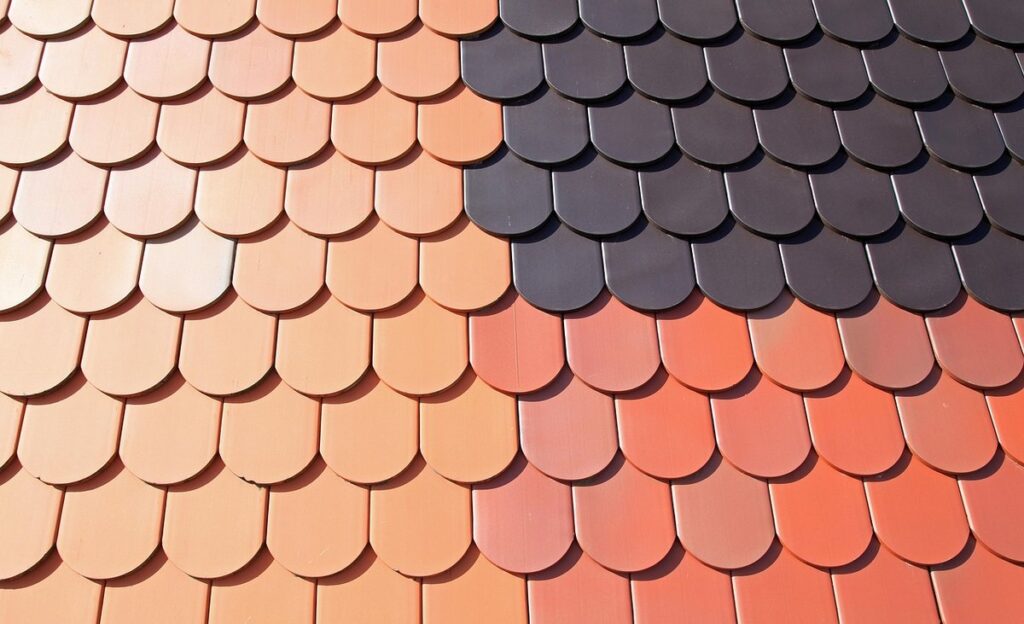
Choosing the Right Roofing Material
When selecting a roofing material for your greenhouse, one of the most critical decisions is choosing the right type to suit its specific needs and climate. This section will walk you through various options to consider.
Factors to Consider
When selecting the right greenhouse roofing material, there are several key factors to consider. First and foremost, you need to think about your local climate. Different climates require different types of roofing materials. For example, if you live in an area with heavy snowfall or intense sunlight, you’ll want a material that can withstand these conditions without compromising the integrity of your greenhouse.
Another crucial factor is budget. Greenhouse roofing materials can range from affordable to very expensive, so it’s essential to set a budget before making a decision. Consider not only the upfront cost but also the long-term costs associated with maintenance and replacement. A durable material may be more expensive upfront, but it will save you money in the long run.
Durability is also a critical consideration. You want a material that can withstand exposure to the elements for years to come without cracking or breaking down. Consider materials like polycarbonate, which offers excellent durability and impact resistance.
Additionally, consider factors such as UV protection, insulation properties, and ease of installation when selecting your greenhouse roofing material.
Popular Options for Different Climates
When it comes to choosing the right greenhouse roofing material, climate plays a crucial role. Different regions require specific materials that can withstand extreme temperatures, humidity levels, and weather conditions.
For cold climates, polycarbonate sheets are an excellent option. They provide excellent insulation properties, keeping warmth inside the greenhouse while allowing sunlight to pass through. This makes them ideal for regions with harsh winters and limited sunlight during winter months. Some popular brands offering high-quality polycarbonate sheets include Palram and SunGuard.
In hot climates, aluminum or copper roofing materials are recommended. These metals have natural reflective properties that help reflect solar radiation, reducing heat gain inside the greenhouse. Additionally, they provide excellent durability and resistance to corrosion. A notable example is a rooftop greenhouse in Arizona, USA, which features an aluminum roofing system designed specifically for extreme temperatures.
In temperate regions, fiberglass or ETFE (ethylene tetrafluorethylene) materials are suitable options. They offer moderate insulation properties and can be easily integrated with other materials. For instance, a greenhouse in California, USA, uses a combination of fiberglass and polycarbonate sheets to provide optimal temperature control and ventilation.
When selecting a roofing material for your greenhouse, remember to consider the local climate, budget, and desired outcome. It’s essential to choose a material that balances performance, durability, and aesthetics to ensure a thriving and productive greenhouse environment.
Cost-Effective Solutions
When it comes to choosing a cost-effective greenhouse roofing material, there are several options that offer excellent value for money without compromising on quality or performance. One such option is polycarbonate roofing panels. These lightweight and shatter-resistant panels provide excellent insulation, UV protection, and durability, making them an ideal choice for greenhouses.
Another cost-effective option is PVC (polyvinyl chloride) roofing sheets. These sheets are made from durable and flexible materials that offer exceptional weather resistance and can withstand extreme temperatures. They are also easy to install and maintain, making them a popular choice among greenhouse owners.
To make the most of these cost-effective options, consider using a hybrid roofing system that combines different materials to achieve optimal performance. For example, you could use polycarbonate panels for the main structure and PVC sheets for the secondary roof or walls. This approach not only reduces costs but also provides excellent insulation and durability.
When selecting cost-effective greenhouse roofing materials, it’s essential to consider factors such as initial installation costs, maintenance requirements, and long-term performance. By doing your research and choosing the right material for your specific needs, you can create a functional and efficient greenhouse that meets your budget constraints.
Types of Greenhouse Roofing Materials
When choosing a greenhouse roof, you’ll want to consider several types of materials that offer varying degrees of durability and functionality. From polycarbonate to fiberglass, there are many options to explore.
Polycarbonate Roofing Sheets
Polycarbonate roofing sheets are an increasingly popular choice for greenhouses due to their unique combination of durability and light transmission. One of the primary benefits of polycarbonate roofing is its exceptional UV resistance, which helps extend the lifespan of the material by protecting it from degradation caused by prolonged sunlight exposure.
In terms of weight, polycarbonate roofing is relatively lightweight compared to glass or metal options, making it easier to install and maintain on greenhouses with limited structural support. However, this also means that it may not be suitable for high-wind areas where added weight can provide extra stability.
To choose the right polycarbonate roofing sheet for your greenhouse, consider factors such as thickness (typically ranging from 2-16mm) and panel size. Thicker sheets offer greater durability but may compromise on light transmission, while larger panels can simplify installation but may increase transportation costs.
Glass Roofing Options
When it comes to selecting the right glass for your greenhouse roof, you have several options to consider. Two popular types of glass used in greenhouse roofs are tempered glass and laminated glass.
Tempered glass is a popular choice due to its durability and resistance to breakage. It’s designed to shatter into small, blunt pieces when broken, reducing the risk of injury from sharp edges. This type of glass is ideal for greenhouses that are exposed to harsh weather conditions or high winds. For example, if you live in an area prone to hurricanes or tornadoes, tempered glass can provide an added layer of protection.
Laminated glass, on the other hand, offers excellent insulation properties and reduces noise pollution. It’s made by sandwiching a layer of plastic between two layers of glass. This design helps to reduce heat transfer and keep your greenhouse cool in the summer and warm in the winter. Additionally, laminated glass can provide UV protection, which is essential for plants that are sensitive to intense sunlight.
When deciding between tempered and laminated glass, consider factors such as budget, climate, and plant type. Both types of glass have their advantages, and choosing the right one will depend on your specific needs and preferences.
Corrugated Metal Roofing
Corrugated metal roofing is an increasingly popular choice for greenhouses due to its durability and resistance to harsh weather conditions. One of the primary benefits of corrugated metal roofing is its ability to withstand heavy rainfall, hail, and high winds without sustaining significant damage. This makes it an ideal option for regions prone to extreme weather events.
In terms of maintenance, corrugated metal roofing requires minimal upkeep. It can be easily installed over existing structures or as part of a new build, making it a cost-effective solution. The smooth surface also allows for easy cleaning and water runoff. However, one potential drawback is the risk of rust if not properly coated with a protective layer.
It’s essential to note that corrugated metal roofing can be noisy during rainfall due to its ridged design. This may be a consideration for greenhouses located near residential areas or where noise levels are a concern. To minimize this issue, consider adding sound-absorbing materials like insulation or sound-dampening panels beneath the roof.
When choosing a corrugated metal roofing system, ensure that it is specifically designed for greenhouse applications and meets local building codes and regulations. Consult with manufacturers to determine the best product for your climate and specific needs.
Sustainably Sourced Materials
When it comes to choosing a roofing material for your greenhouse, selecting sustainably sourced materials is crucial for reducing your environmental footprint. Let’s explore some eco-friendly options together in this section.
Recycled Plastic Roofing
Recycled plastic roofing materials are gaining popularity in greenhouse construction due to their eco-friendliness and potential cost savings. These materials are made from post-consumer waste, such as plastic bottles, containers, and other packaging materials that would otherwise end up in landfills.
Using recycled plastic for your greenhouse roof can help reduce the carbon footprint of your project. For instance, a study by the University of California found that using recycled plastic roofing can reduce greenhouse gas emissions by up to 70% compared to traditional roofing materials. This is because recycled plastic requires less energy to produce and transport, resulting in lower emissions.
To get started with recycled plastic roofing, look for suppliers that offer durable and UV-resistant products specifically designed for greenhouses. Some popular options include polycarbonate sheets made from 100% post-consumer waste or polypropylene membranes that can withstand harsh weather conditions. When selecting a material, consider factors like insulation value, water resistance, and lifespan to ensure the best results for your greenhouse.
When installing recycled plastic roofing, follow these tips: ensure proper ventilation to prevent heat buildup, use a sturdy frame to support the weight of the materials, and apply a sealant to prevent leaks. With careful planning and installation, recycled plastic roofing can provide years of reliable service while promoting sustainability in your greenhouse project.
Solar Panels as a Roofing Option
When it comes to selecting sustainable roofing materials for greenhouses, few options are as exciting as solar panels. Integrating solar panels into a greenhouse roof can provide numerous benefits, from energy efficiency to reduced carbon footprint.
One of the most significant advantages of solar panels on greenhouses is their ability to generate electricity while also providing shade and protection from the elements. This dual functionality makes them an attractive option for growers who want to reduce their reliance on external power sources. In fact, a study by the National Renewable Energy Laboratory found that installing solar panels on a greenhouse can reduce energy costs by up to 75%.
To get started with integrating solar panels into your greenhouse roof, consider the following steps:
* Assess your energy needs and determine how much electricity you require
* Choose a suitable type of solar panel for your greenhouse, taking into account factors such as climate, space constraints, and budget
* Consult with a professional installer to ensure proper installation and integration with existing systems
By incorporating solar panels into your greenhouse roof, you can not only reduce your carbon footprint but also generate revenue through net metering programs or selling excess energy back to the grid.
Maintenance and Durability
When it comes to choosing a durable greenhouse roofing material, understanding its long-term performance is crucial for your investment’s success. This section dives into maintenance and durability considerations to help you make an informed decision.
Long-Term Performance Expectations
When selecting a greenhouse roofing material, it’s essential to consider its long-term performance expectations. Different materials have varying maintenance requirements and potential lifespans, which can impact the overall durability of your greenhouse.
For instance, PVC (polyvinyl chloride) roofs are known for their excellent resistance to weathering and UV degradation, but they may not be as durable as other options like ETFE (ethylene tetrafluorethylene). While PVC roofs typically last 10-15 years, ETFE roofs can last up to 20-30 years. However, ETFE requires more maintenance than PVC due to its higher risk of punctures and scratches.
Some roofing materials, such as polycarbonate and acrylic, are prone to yellowing over time, which can affect the greenhouse’s light transmission. Regular cleaning and inspection can help extend their lifespan, but it may be necessary to replace them every 5-7 years.
In addition to material-specific factors, environmental conditions also play a significant role in determining long-term performance. Greenhouses in areas with high wind speeds or extreme temperatures may require more frequent maintenance and repairs.
Troubleshooting Common Issues
Leaks and water damage are among the most common issues that can arise with greenhouse roofs. If you notice water droplets forming on the interior surface of the roof, it’s likely due to a leak. Check the joints and seams for signs of wear or damage, as these areas are prone to leaks. Inspect the flashing around vents, skylights, and other openings for proper installation.
If you’ve identified a leak, address it promptly to prevent further damage. Clean the area thoroughly before applying a patching compound specifically designed for your roofing material. Allow the compound to dry completely according to the manufacturer’s instructions. In some cases, re-sealing or replacing damaged flashing may be necessary. Regularly inspect and maintain your greenhouse roof to catch issues early on.
Preventative measures can also help mitigate potential problems. Ensure that all joints are properly sealed during initial installation and perform routine inspections to identify any developing issues before they become major problems.
Comparison of Greenhouse Roofing Materials
When choosing a greenhouse roof, it’s essential to consider various materials that offer different benefits and drawbacks. Let’s compare some popular options in terms of durability, cost, and performance.
Pros and Cons Summary
When comparing different greenhouse roofing materials, it’s essential to weigh the advantages and disadvantages of each option. Polycarbonate sheets are a popular choice due to their durability and impact resistance, but they can be expensive and prone to scratches.
On the other hand, glass roofs provide excellent natural light transmission and can last for decades with minimal maintenance. However, they can be heavy and may require additional structural support, which adds to the overall cost.
Corrugated metal roofing is a budget-friendly option that’s easy to install and can withstand harsh weather conditions. Nevertheless, it can be noisy during rainfall and may not provide adequate insulation.
Acrylic sheets offer a balance between durability and affordability, but they can be more prone to scratches and UV degradation compared to polycarbonate or glass.
When choosing a greenhouse roofing material, consider the specific needs of your project, including budget, climate, and desired level of maintenance. This will help you make an informed decision that balances the pros and cons of each option.
Case Studies and Real-World Examples
Real-world examples of successful greenhouse projects can provide valuable insights into the effectiveness of different roofing materials. One notable example is a polyethylene-covered greenhouse in Florida that withstood 140 mph winds during Hurricane Irma, while another, made from polycarbonate panels, maintained its structural integrity despite being exposed to intense sunlight for over 300 days.
In contrast, a project utilizing Teflon-coated fiberglass showed significant heat retention and reduced energy costs. These examples highlight the importance of selecting the right roofing material based on local climate conditions and performance requirements.
To replicate such successes in your own greenhouse project, consider the following factors: durability, UV resistance, and thermal insulation properties. Analyze the specific needs of your greenhouse, including wind and weather exposure, temperature fluctuations, and potential for condensation buildup. This detailed assessment will enable you to make an informed decision about the most suitable roofing material for your green house.
Frequently Asked Questions
How Do I Know Which Roofing Material is Best for My Specific Climate?
When selecting a roofing material, it’s crucial to consider your local climate conditions. A general rule of thumb is to choose materials that can withstand extreme temperatures, heavy rain, or intense sunlight. If you live in an area with frequent hail storms, for instance, look for materials with impact resistance.
Can I Use the Same Roofing Material for Both My Greenhouse and Attached Outbuildings?
While it’s technically possible to use the same roofing material for both structures, consider their specific needs. If your outbuilding requires more durability due to heavy usage or harsh weather conditions, choose a material that meets those demands. Conversely, if your greenhouse has unique climate requirements, prioritize its needs.
How Do I Determine the Cost-Effectiveness of Different Roofing Materials?
Cost-effectiveness is often determined by a material’s lifespan and maintenance requirements. Calculate the long-term cost per square foot by considering initial installation costs, replacement rates, and any necessary repairs or replacements. This will help you make an informed decision based on your specific budget.
Can I Install My Own Greenhouse Roofing Material, or Do I Need Professional Help?
While some roofing materials are easier to install than others, it’s essential to consider your level of expertise and the complexity of the project. If you’re not comfortable with DIY installation or have limited experience with roofing materials, consult a professional to ensure proper installation and avoid potential pitfalls.
How Can I Ensure My Greenhouse Roofing Material Lasts for Decades?
To maximize longevity, choose high-quality materials that are resistant to degradation from UV exposure, extreme temperatures, or weather-related damage. Regular maintenance, such as cleaning and inspecting the roof regularly, will also help extend its lifespan. Consider factors like warranties, durability ratings, and customer reviews when selecting your roofing material.