
Are you looking to add some color and vibrancy to your garden’s boundaries? Look no further than flowering hedge plants! Not only do they provide a beautiful natural screen, but they also attract pollinators and add texture to your outdoor space. With so many varieties to choose from, selecting the right one can be overwhelming. In this article, we’ll explore the different types of flowering hedge plants that are perfect for your garden, including tips on how to plant them and maintain their blooms throughout the seasons. From compact shrubs to tall trellises, we’ll cover it all. Whether you’re a seasoned gardener or just starting out, our expert advice will help you maximize blooms and beauty in your flowering hedge plants.
Choosing the Right Flowers
When selecting flowering hedge plants for your garden, choosing the right varieties is crucial to ensure they thrive and bring the desired beauty to your outdoor space. This decision can be overwhelming, but we’re here to guide you through it.
Factors to Consider Before Selecting a Flowering Hedge Plant
When selecting a flowering hedge plant for your garden, it’s essential to consider several key factors that will ensure its health and success. First and foremost, you need to think about the climate in your area. Different regions have varying temperature ranges and weather conditions, which can impact how well a particular plant thrives.
For instance, if you live in an area with harsh winters, you’ll want to choose plants that are tolerant of frost and cold temperatures. Some excellent options for flowering hedge plants that can withstand cooler climates include rosemary, lavender, and boxwood. On the other hand, if you reside in a warmer region, consider planting hibiscus, bougainvillea, or lantana.
Another critical consideration is soil type. Make sure to choose a plant that is suitable for your local soil conditions. Some flowering hedge plants prefer well-draining soil and full sun, while others can tolerate shade and moist environments.
Lastly, think about the amount of sunlight your garden receives. Most flowering hedge plants require at least 4-6 hours of direct sunlight per day to bloom profusely. If your garden is partially shaded or receives indirect light, select plants that are adapted to these conditions, such as azalea, rhododendron, or camellia.
In terms of maintenance, also consider the plant’s water requirements and pruning needs to ensure you can provide the necessary care for it to flourish.
Popular Types of Flowering Hedges
When it comes to choosing the right flowering hedge plants for your garden, there are numerous options to consider. Among the most popular types of flowering hedges are shrubs like roses, hydrangeas, and lavender. Each of these varieties offers unique features and benefits that can enhance the beauty and functionality of your outdoor space.
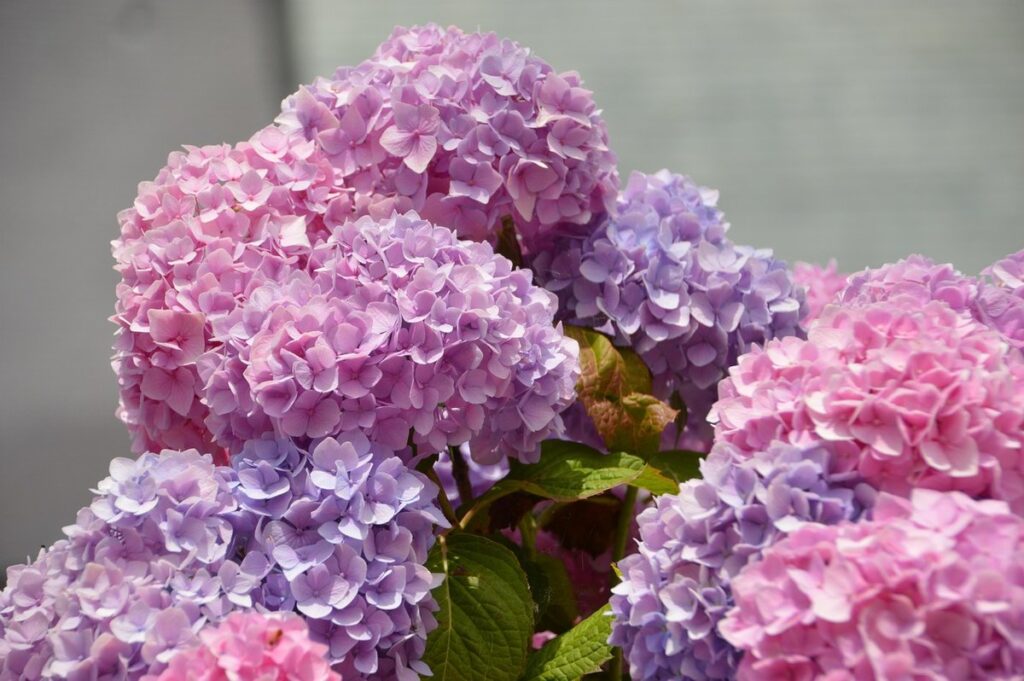
Roses, for instance, are a classic choice for flowering hedges due to their stunning blooms and fragrance. They come in a wide range of colors and varieties, making them suitable for various garden styles. Hydrangeas, on the other hand, provide an excellent option for those seeking a low-maintenance hedge that still offers impressive flowers. Their large, showy blooms can thrive in partial shade, adding depth to your garden’s landscape.
Lavender is another popular choice for flowering hedges, prized for its calming fragrance and drought tolerance. Its delicate purple hue adds a touch of elegance to any garden setting. When selecting one of these options, consider factors such as climate, soil type, and desired level of maintenance to ensure the best results for your specific garden needs.
Considerations for Small Gardens or Spaces
When it comes to small gardens or spaces, selecting the right flowering hedge plants can be a bit more challenging. However, there are many compact or dwarf varieties that thrive in tight spaces and can still provide vibrant displays of color.
If you have limited space, look for shrubs that grow no taller than 2-3 feet (60-90 cm) and have a narrow spread. Some excellent options include Dwarf Lavender, Boxwood, and Rosemary. These plants not only require minimal maintenance but also tolerate pruning well, making them perfect for hedges.
For even smaller areas, consider using container-grown flowering hedge plants. This will allow you to move the plant around as needed or replant it in a different location when it outgrows its space. Some popular options include compact Roses, Dwarf Hydrangeas, and Miniature Camellias. When choosing container sizes, remember that smaller pots dry out faster, so make sure to water them regularly.
By selecting the right flowering hedge plants for your small garden or space, you can enjoy a beautiful display of color without sacrificing valuable real estate.
Planting and Maintenance Tips
To get the most out of your flowering hedge plants, you’ll want to learn some essential planting and maintenance tips that will keep them thriving for years to come. Here are our top recommendations.
Preparing the Soil for Flowering Hedge Plants
When preparing the soil for flowering hedge plants, it’s essential to get the fundamentals right. First, test the pH levels of your soil to determine if it’s suitable for your chosen species. Most flowering hedges prefer a slightly acidic to neutral soil pH (between 6.0 and 7.0). If your soil is too alkaline or acidic, you may need to adjust the pH using lime or sulfur.
In addition to testing pH levels, adding organic matter such as compost or well-rotted manure can greatly benefit your flowering hedge plants. This will not only improve soil structure but also provide essential nutrients for healthy growth. A general rule of thumb is to add 2-3 inches of compost on top of the soil and mix it in before planting.
Other factors to consider include drainage, sunlight, and air circulation. Ensure that the area receives adequate sunlight (at least six hours a day) and has good air circulation to prevent fungal diseases. Avoid compacting the soil too much during preparation, as this can lead to poor root growth and reduced flowering performance. By getting these basics right, you’ll set your flowering hedge plants up for success and enjoy a vibrant display of color all season long.
Planting Techniques for Maximum Bloom
When it comes to planting flowering hedge plants, employing various techniques can significantly impact their growth and bloom potential. One technique is staggered planting, which involves spacing plants at different depths to create a layered effect. This method not only adds visual interest but also helps promote air circulation, reducing the risk of disease. To achieve this look, simply plant some shrubs at standard depth while others are set in slightly deeper or shallower positions.
Another key aspect of promoting healthy growth is proper mulching. Mulch acts as a barrier against weeds and retains moisture in the soil, minimizing water loss due to evaporation. However, be cautious not to over-mulch, as this can cause plant suffocation. Instead, aim for a thin layer (about 2-3 inches) around each plant.
Regular pruning is also crucial for maximizing bloom potential. Prune your flowering hedge plants in late winter or early spring before new growth begins. Remove any dead wood and shape the shrubs to maintain their desired size and shape. This encourages bushy growth, which promotes more blooms throughout the growing season.
Regular Maintenance Tasks for Flowering Hedges
To keep your flowering hedge plants thriving and looking their best, regular maintenance is crucial. This includes tasks such as watering, fertilizing, and pest management.
Watering should be done with care, taking into account the specific needs of your plant variety. Overwatering can lead to root rot and other issues, while underwatering will result in yellowed leaves and weak growth. Aim for about 1-2 inches of water per week, either through rainfall or irrigation. To make watering easier, consider installing a drip irrigation system that delivers water directly to the roots.
Fertilization is also essential for promoting healthy growth and blooming. Feed your hedge plants with a balanced fertilizer during the growing season (spring-fall), following the manufacturer’s instructions. Consider using organic options like compost or manure tea, which provide long-term benefits without harming the environment. For pest management, keep an eye out for common issues like aphids, whiteflies, and spider mites. Use neem oil or insecticidal soap to control infestations, taking care to follow product instructions carefully.
These routine tasks will go a long way in maintaining your flowering hedge plants’ overall health and appearance. Remember to also prune your hedges regularly to maintain shape and encourage new growth. By incorporating these habits into your gardening routine, you’ll enjoy beautiful blooms for years to come.
Benefits and Uses of Flowering Hedge Plants
Flowering hedge plants offer a multitude of benefits, from adding beauty and vibrancy to your outdoor space, to providing natural barriers for security and wildlife habitat support.
Landscaping and Aesthetic Value
When it comes to landscaping design, flowering hedge plants play a vital role in creating a visually appealing and inviting outdoor space. Not only do they add color and vibrancy to the area, but they also contribute significantly to curb appeal. A well-manicured and blooming hedge can instantly elevate the appearance of your home’s exterior, making it more attractive to potential buyers if you ever decide to sell.
In fact, studies have shown that homes with beautifully maintained landscaping features, such as flowering hedges, can increase property value by up to 15%. This is because a well-designed outdoor space can create a sense of warmth and welcome, making visitors feel like they’re stepping into a beautiful oasis. To maximize the aesthetic value of your flowering hedge plants, consider the following tips: plant a mix of species with varying bloom times to ensure year-round color; prune regularly to maintain shape and promote healthy growth; and incorporate complementary flowers or shrubs to create a cohesive look.
By incorporating flowering hedge plants into your landscaping design, you can significantly enhance the curb appeal and property value of your home.
Wildlife Attraction and Biodiversity
When it comes to attracting pollinators and other wildlife, flowering hedge plants play a vital role. One of the most significant benefits of these plants is their ability to attract bees and butterflies. Many species of flowers, such as lavender and rosemary, are rich in nectar and pollen, making them a magnet for these important insects.
In addition to pollinators, flowering hedges can also attract birds and beneficial insects like ladybugs and lacewings. For example, planting a hedge of coneflowers or black-eyed Susans can provide a haven for goldfinches and other bird species that feed on the seeds of these flowers. To maximize the wildlife attraction potential of your flowering hedge, choose a mix of plants that bloom at different times to provide a constant source of nectar and pollen.
Consider incorporating native plants into your landscape design, as they tend to attract local pollinators and are more likely to thrive in their natural environment. By selecting the right combination of flowers for your climate and region, you can create a thriving ecosystem that supports a diverse range of wildlife.
Fragrance and Sensory Experience
When it comes to flowering hedge plants, their fragrance and sensory experience are often overlooked benefits. However, certain varieties can create an immersive experience for gardeners and visitors alike. For instance, lavender (Lavandula spp.) and rosemary (Rosmarinus officinalis) emit distinctive, calming scents that can be released through pruning or crushing the leaves.
To incorporate these fragrant plants into your outdoor space, consider planting them in areas where you’ll pass by frequently, such as along walkways or near seating areas. You can also prune them regularly to release their oils and enhance their fragrance.
Other flowering hedge plants like honeysuckle (Lonicera spp.) and jasmine (Jasminum spp.) produce sweet, heady fragrances that are perfect for perfuming evening gatherings or romantic dinners. To use these scents effectively, plant them near outdoor living areas or in containers that can be moved to create different sensory experiences.
By incorporating fragrant flowering hedge plants into your garden design, you can create a multisensory experience that engages visitors and enhances the overall ambiance of your outdoor space.
Common Challenges and Solutions
Many of you may be wondering how to tackle common problems that can arise when growing flowering hedge plants, such as pests and diseases. We’ll walk through some practical solutions to these issues.
Dealing with Pests and Diseases
When it comes to maintaining your flowering hedge plants, dealing with pests and diseases is an inevitable part of the process. Pests like aphids, whiteflies, and spider mites can cause significant damage to leaves, stems, and flowers, while diseases such as powdery mildew, root rot, and leaf spot can be just as devastating.
To prevent pest infestations, inspect your plants regularly for signs of insects or eggs, and introduce natural predators like ladybugs or lacewings. For severe cases, use insecticidal soap or neem oil according to the product’s instructions. Diseases can often be prevented by providing good air circulation, watering at soil level, and avoiding overfertilization.
If you do encounter a pest or disease issue, act quickly to minimize damage. Remove any heavily infested or diseased plants from the area, and disinfect your pruning tools between cuts. Treat affected areas with a fungicide or insecticide specifically designed for use on flowering hedge plants, following the product’s instructions carefully.
Some popular natural remedies for common pests and diseases include using garlic spray to repel aphids and nematodes to combat grubs.
Pruning and Shaping Techniques for Different Plant Types
Pruning and shaping are essential tasks for maintaining the shape and promoting healthy growth of flowering hedge plants. However, different plant types require unique techniques to ensure they thrive.
For instance, boxwood hedges benefit from regular pruning to maintain a dense, neat appearance. Use sharp, clean tools to remove any dead or damaged leaves, and trim new growth to encourage bushy development. For rosemary and lavender hedges, consider using hedge shears to remove the top 1/3 of the plant in early spring, promoting new growth and preventing it from becoming leggy.
Conifers like English boxwood and Arborvitae can be shaped with a combination of hand pruning and shearing. Remove any dead or diseased branches, then use the shears to maintain the desired shape, taking care not to cut too much at once. When dealing with more delicate plants like azaleas and rhododendrons, it’s best to prune immediately after they finish blooming, as this minimizes damage to their flower buds.
Remember to always make clean cuts, removing no more than 1/3 of the plant at a time, and to water thoroughly after pruning to prevent stress. With practice and patience, you’ll be able to master the art of pruning and shaping your flowering hedge plants for optimal health and appearance.
Conclusion
Now that you’ve learned about the various types of flowering hedge plants, it’s time to put your newfound knowledge into action. When selecting the perfect flowering hedge for your garden, remember to consider factors such as climate, soil type, and maintenance requirements. Don’t be afraid to experiment with different varieties to find the one that thrives in your unique environment.
By following the tips and advice outlined in this guide, you’ll be well on your way to creating a stunning and vibrant flowering hedge that brings joy and beauty to your outdoor space. Remember to plant at the right time of year, provide adequate care and maintenance, and enjoy the rewards of your hard work as your hedge blooms into a breathtaking display of color and life. With these simple steps, you’ll be able to add a touch of magic to your garden that will be enjoyed for years to come.
Frequently Asked Questions
Can I mix different types of flowering hedge plants to create a diverse landscape?
You can definitely combine different types of flowering hedge plants to create a unique and dynamic landscape. This is known as a “mixed border.” By choosing plants with varying bloom times, foliage textures, and growth habits, you can ensure that your hedge remains attractive throughout the growing season. Just be sure to consider factors like soil type, sun exposure, and climate when selecting which plants to combine.
What if I have limited space for my flowering hedge plant – are there compact options available?
There are many compact flowering hedge plants that thrive in smaller spaces. Consider dwarf varieties of lavender, rosemary, or boxwood, which can grow up to 3-4 feet tall and require minimal maintenance. You can also consider using a trellis or espalier system to train taller plants to fit into smaller areas.
How often should I prune my flowering hedge plant for maximum blooms?
Pruning frequency will depend on the specific type of flowering hedge plant you have, as well as your desired level of bloom production. In general, it’s best to prune your hedge in late winter or early spring, just before new growth begins. This helps promote healthy growth and encourages blooming.
Can I use flowering hedge plants for a wildlife-friendly garden?
Flowering hedge plants are an excellent choice for creating a wildlife-friendly garden! Many varieties attract pollinators like bees and butterflies, while others provide berries or seeds for birds and small mammals. Consider incorporating native plant species that are rich in nectar and pollen to support local biodiversity.
How do I deal with pests or diseases affecting my flowering hedge plant?
To prevent and address pest and disease issues, make sure to choose healthy plants from a reputable nursery or supplier. Regularly inspect your plants for signs of stress, such as yellowing leaves or black spots. Implement integrated pest management strategies like using natural pesticides, practicing good hygiene, and maintaining a balanced ecosystem.