
Are you tired of wasting precious water on your garden? Do you dream of having a low-maintenance landscape that still looks beautiful and lush? Well, you’re in luck! Drought-tolerant shrubs are all the rage right now, and for good reason. Not only do they conserve water, but they also require less pruning and upkeep than traditional varieties.
By choosing drought-tolerant shrubs, you can enjoy a stunning garden without breaking the bank (or the environment). In this comprehensive guide, we’ll walk you through everything you need to know about selecting, planting, and caring for these amazing plants. From understanding their specific needs to tips on how to combine them with other water-conserving elements, we’ve got you covered.
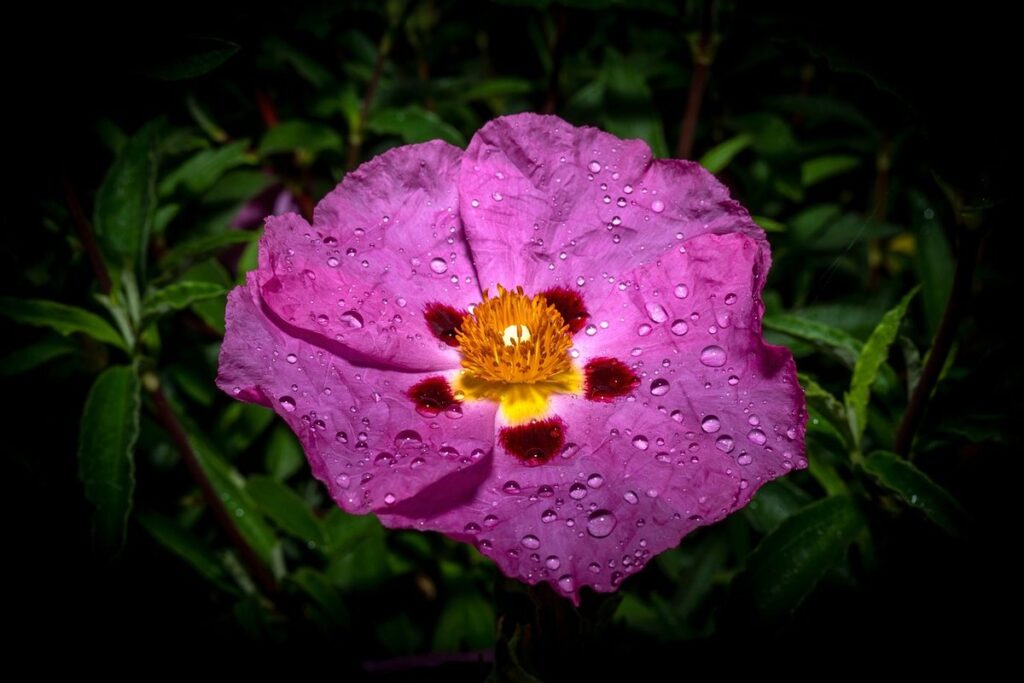
What are Drought-Tolerant Shrubs?
If you’re new to drought-tolerant shrubs, let’s start at the beginning and explore what these amazing plants have to offer in terms of hardiness. You’ll learn exactly how they thrive in dry conditions.
Characteristics of Drought-Tolerant Shrubs
A drought-tolerant shrub is more than just a plant that can survive with minimal watering – it’s a game-changer for gardeners and landscapers. To be considered drought-tolerant, a shrub must have several key characteristics.
One of the most significant features is its ability to adapt to low water conditions through deep roots. These roots allow the shrub to absorb moisture from the soil more efficiently, making it less dependent on frequent watering. This adaptation also enables the shrub to survive during extended periods of drought.
Another characteristic is the shrub’s ability to conserve water by storing it in its leaves and stems. Some drought-tolerant shrubs can even go dormant during dry spells, reducing transpiration and conserving energy. Additionally, these shrubs often have small leaves or waxy surfaces that reduce water loss through evaporation. By selecting shrubs with these characteristics, gardeners can enjoy lush greenery without the constant worry of watering.
Advantages of Planting Drought-Tolerant Shrubs
Planting drought-tolerant shrubs offers numerous advantages that can greatly benefit you and the environment. One of the most significant benefits is water conservation. Drought-tolerant shrubs require significantly less watering than their non-drought-tolerant counterparts, making them an excellent choice for areas experiencing frequent dry spells or water restrictions.
Not only do drought-tolerant shrubs conserve water, but they also reduce maintenance needs. Since they’re adapted to thrive in dry conditions, you won’t need to worry about frequent pruning or fertilizing. This is especially beneficial for busy homeowners or those new to gardening.
In addition to these benefits, drought-tolerant shrubs can help prevent soil erosion and stabilize the soil around them. They also tend to be more resistant to pests and diseases, reducing the need for pesticides and other chemicals.
When selecting drought-tolerant shrubs, consider factors such as climate, soil type, and desired appearance. Choose shrubs that suit your specific needs and conditions to maximize their benefits.
Choosing the Right Drought-Tolerant Shrubs for Your Garden
When selecting drought-tolerant shrubs, it’s essential to consider factors such as climate, soil type, and intended use, to choose plants that thrive in your specific environment. This will help you make an informed decision when choosing the right shrubs for your garden.
Considerations When Selecting Drought-Tolerant Shrubs
When selecting drought-tolerant shrubs for your garden, there are several key considerations to keep in mind. First and foremost, take into account the climate of your region. If you live in an area with very hot summers or cold winters, choose shrubs that are adapted to these conditions. For example, if you’re in a desert region, look for shrubs like Texas Sage or Desert Willow that are native to arid environments.
Soil type is another crucial factor to consider. Drought-tolerant shrubs can thrive in poor soil, but they may still require some organic matter to help retain moisture. If your soil is heavy clay or sandy, choose shrubs that are tolerant of these conditions. A good rule of thumb is to select shrubs with deep root systems, which will allow them to draw water from deeper in the soil.
Finally, think about the mature size of the shrub and how it will fit into your landscape. Consider factors like growth rate, pruning requirements, and eventual spread to ensure that you’re choosing a shrub that will thrive in its intended location.
Popular Types of Drought-Tolerant Shrubs
When it comes to choosing drought-tolerant shrubs for your garden, there are several popular types to consider. Succulents and cacti are two of the most well-known options, perfect for hot and dry climates. These plants have evolved to store water in their leaves or stems, allowing them to thrive in conditions with minimal rainfall. Some popular varieties include Aloe Vera, Echeveria, and Sedum.
Mediterranean shrubs, such as Rosemary and Lavender, are also great choices for drought-tolerant gardens. These plants have adapted to the dry summers and mild winters of the Mediterranean region, making them ideal for areas with low rainfall. They require minimal watering and can tolerate full sun, making them perfect for sunny spots in your garden.
Other popular options include Oleander, Texas Sage, and Yucca. These shrubs are not only drought-tolerant but also offer beautiful flowers or foliage. When selecting any of these plants, be sure to choose varieties that suit your specific climate and soil type.
Planting and Care Tips for Drought-Tolerant Shrubs
When it comes to planting and caring for drought-tolerant shrubs, proper placement and maintenance are crucial to ensure their survival in water-scarce conditions. Let’s dive into some essential tips for optimal care.
Preparing the Soil for Planting Drought-Tolerant Shrubs
When planting drought-tolerant shrubs, it’s essential to prepare the soil correctly to ensure they thrive. A well-prepared soil will provide a solid foundation for your plants to establish themselves and withstand dry conditions.
To start, remove any debris or weeds from the area, and loosen the top 8-10 inches of soil with a shovel or tiller. This will help improve drainage and prevent waterlogging, which can be detrimental to drought-tolerant shrubs.
Next, add organic matter such as compost or well-rotted manure to enrich the soil. A 2-inch layer is sufficient for most cases, but you can add more depending on your soil’s condition. Organic matter will help retain moisture, suppress weeds, and support beneficial microbial activity.
Ensure good drainage by checking if the area slopes slightly towards a downspout or drain. If not, consider installing a French drain to direct excess water away from the roots. Additionally, avoid planting in low-lying areas where water tends to collect.
By taking these simple steps, you’ll be creating an ideal environment for your drought-tolerant shrubs to grow and flourish.
Watering Strategies for Drought-Tolerant Shrubs
When it comes to watering drought-tolerant shrubs, many gardeners make the mistake of overwatering. However, this can be detrimental to their health and even shorten their lifespan. Instead, adopt a more targeted approach with infrequent deep watering.
This involves allowing the soil to dry out slightly between waterings, which encourages the roots to grow deeper in search of moisture. To achieve this, check the soil moisture by inserting your finger into the soil up to the knuckle. If it feels dry, it’s time for a thorough soaking. Water deeply until you see water seeping from the base of the plant.
For an added layer of protection against drought stress, consider using a drought-tolerant fertilizer that provides essential nutrients without promoting excessive growth or water consumption. These fertilizers contain specialized micronutrients that help plants adapt to water scarcity and recover more quickly from dry spells.
Troubleshooting Common Issues with Drought-Tolerant Shrubs
If you’re experiencing problems with your drought-tolerant shrubs, don’t worry – we’ve got solutions. In this section, we’ll tackle common issues and provide practical tips for getting your plants back on track.
Identifying Signs of Stress in Drought-Tolerant Shrubs
As you tend to your drought-tolerant shrubs, it’s essential to be aware of common signs of stress that can indicate a need for attention. A stressed shrub may display yellowing leaves, a symptom often seen as a result of nutrient deficiency or water scarcity. However, drought-tolerant shrubs are bred to withstand dry conditions and should not exhibit significant yellowing unless there’s an underlying issue.
Droopy stems are another indicator of stress in these plants. If your shrub’s stems appear limp and lifeless, it may be a sign that the roots need more moisture than the leaves can provide. Check for root rot or fungal diseases that could be exacerbating the issue. Monitor soil pH levels as well; if they’re too high or low, it can lead to nutrient deficiencies that cause stress.
Regularly inspect your shrubs for these signs of stress and address them promptly to prevent long-term damage. Prune damaged branches, adjust watering schedules accordingly, and consider adding organic matter like compost to improve soil health. By recognizing early warning signs, you can take proactive steps to support the overall well-being of your drought-tolerant shrubs.
Solutions for Overwatering and Underwatering Drought-Tolerant Shrubs
When it comes to drought-tolerant shrubs, overwatering and underwatering can be just as detrimental as extreme temperatures or poor soil quality. Overwatering can lead to root rot, while underwatering can cause stress that makes the plant more susceptible to pests and diseases.
To address these issues, start by checking the soil moisture regularly. Stick your finger into the soil up to the knuckle, and if it feels dry, it’s time for a drink. But be cautious not to overwater – this is often the biggest mistake gardeners make when caring for drought-tolerant shrubs. A good rule of thumb is to water only when the top 2-3 inches of soil are dry.
If you’ve been overwatering your shrub, try reducing watering frequency and depth to give the roots a chance to recover. If underwatering has caused stress, increase watering gradually to prevent shocking the plant. Monitor your shrub’s response closely, adjusting your watering schedule as needed. With a little patience and attention, even drought-tolerant shrubs can thrive in challenging conditions.
Designing a Low-Water Landscape with Drought-Tolerant Shrubs
To create a stunning and water-efficient landscape, let’s dive into designing a beautiful space that requires minimal watering using drought-tolerant shrubs. We’ll explore key considerations for success.
Creating a Water-Efficient Garden Plan
When creating a water-efficient garden plan that incorporates drought-tolerant shrubs, consider the climate and soil conditions of your area. Begin by assessing the amount of sunlight and rainfall your yard receives to determine the types of plants that will thrive there.
Choose drought-tolerant shrubs that are suitable for your region’s hardiness zone, ensuring they can withstand local temperatures and moisture levels. Consider incorporating native plant species, which have adapted to your area’s climate over time. Research specific growing requirements for each selected plant, including watering needs, pruning schedules, and fertilization recommendations.
To maximize water efficiency, incorporate a layered landscape design featuring plants of varying water requirements. Incorporate mulch or groundcover around shrubs to retain moisture in the soil and suppress weeds, reducing the need for additional irrigation. Aim to use no more than 30-50 gallons of water per week for a 1,000 square-foot garden bed. Regularly review your water usage and adjust your plan accordingly to maintain a balanced ecosystem.
Integrating Drought-Tolerant Shrubs into Your Existing Landscape
When it’s time to integrate drought-tolerant shrubs into an existing landscape, it can be overwhelming. However, with a few simple steps and considerations, you can achieve a beautiful, water-efficient garden that requires minimal maintenance.
First, assess the existing landscape and identify areas where drought-tolerant shrubs would thrive. Consider factors like soil type, sunlight exposure, and space constraints. Select plants with complementary growth habits to avoid overcrowding or creating maintenance headaches. For example, pair compact shrubs with spreading groundcovers or pair tall shrubs with low-growing perennials.
Next, choose shrubs that are compatible with your existing vegetation. Research companion planting techniques to ensure a harmonious coexistence between new and existing plants. Consider the mature size of the drought-tolerant shrub and leave sufficient space for growth. A little planning upfront will save you from future pruning or replanting costs.
By thoughtfully integrating drought-tolerant shrubs into your existing landscape, you can create a stunning display that saves water and reduces upkeep – a win-win for both you and the environment!
Additional Tips and Considerations for Drought-Tolerant Shrub Care
To ensure your drought-tolerant shrubs thrive, here are some additional tips to keep in mind when it comes to pruning, watering, and pest management. These extra considerations will help you get the most out of your water-saving plants.
Mulching and Pruning for Optimal Growth
Mulching is an effective way to conserve water and maintain soil health for drought-tolerant shrubs. Organic mulch such as wood chips, bark, or leaves helps retain moisture in the soil, reducing evaporation and runoff. Apply a 2-3 inch layer of mulch around the base of your shrub, keeping it 6-8 inches away from the stem to prevent rot.
Pruning is another crucial aspect of drought-tolerant shrub care. Regular pruning maintains plant shape, promotes healthy growth, and encourages root development. Prune your shrubs in late winter or early spring to minimize water loss during the growing season. Remove dead, diseased, or damaged branches, cutting them back to a 1/4 inch above a bud or branch junction.
Water conservation is achieved through efficient pruning techniques. For example, pruning young shoots encourages bushy growth, reducing transpiration and minimizing water requirements. Prune shrubs at an angle to prevent water from collecting in the cut area and promote better healing.
Seasonal Maintenance Tasks for Drought-Tolerant Shrubs
As the seasons change, it’s essential to adjust your maintenance routine for drought-tolerant shrubs. Regular care will keep them healthy and thriving throughout the year.
During spring, fertilize your drought-tolerant shrubs with a balanced, water-soluble fertilizer to promote new growth. This is usually the ideal time to add organic matter like compost or mulch to improve soil structure and retain moisture. Consider pruning any dead or damaged branches to encourage bushy growth and prevent pests from taking hold.
In the summer months, focus on deadheading spent flowers to encourage repeat blooming and prevent seed production. Remove any weak or spindly growth to maintain shape and promote air circulation. If your shrubs are in containers, make sure they’re receiving enough water, but be cautious not to overwater, which can lead to root rot.
In the fall, continue deadheading flowers and prune any winter-hardy shrubs to prepare them for dormancy. Apply a layer of mulch or straw around the base to protect roots from freezing temperatures and retain moisture during the dry winter months.
Conclusion: Maximizing the Benefits of Drought-Tolerant Shrubs
Now that you’ve learned how to select and care for drought-tolerant shrubs, let’s recap the key benefits they bring to your garden. By following these tips, you’ll be maximizing their advantages.
Recap of Key Takeaways
In reviewing the key points from our discussion on drought-tolerant shrubs, it’s clear that these plants offer a multitude of benefits for gardens and landscapes. From their water-efficient nature to their hardiness in various climates, it’s no wonder they’re gaining popularity among gardeners and landscapers alike.
Some of the most significant takeaways include the importance of choosing shrubs suitable for your specific region and climate, as well as considering factors such as soil type and amount of sunlight. Proper care and maintenance are also crucial to ensure these plants thrive, including regular watering (but not overwatering), pruning, and fertilization.
Additionally, we’ve discussed various benefits of incorporating drought-tolerant shrubs into your garden or landscape, such as reduced water bills, improved biodiversity, and enhanced aesthetic appeal. By following the selection and care guidelines outlined in this article, you’ll be well on your way to reaping these rewards for yourself. Remember to also consider factors like size, growth rate, and potential pest issues when making your selections.
Final Thoughts on the Importance of Water Conservation
As you’ve learned about the many benefits of drought-tolerant shrubs, we hope that by now you’re convinced to make them a part of your landscaping plans. But it’s essential to remember that their water-saving capabilities are only one piece of the larger puzzle when it comes to conserving this precious resource.
By incorporating drought-tolerant shrubs into your yard, you’ll be doing your part to reduce the demand on municipal water supplies and help preserve water for future generations. It’s not just about saving money on your water bill; it’s about contributing to a more sustainable environment. To maximize their water-saving potential, make sure to plant them in well-draining soil and avoid overwatering.
As you go forward with your landscaping plans, consider the long-term benefits of drought-tolerant shrubs and the role they play in promoting water conservation. With their ability to thrive in dry conditions and require minimal watering, these shrubs are an attractive option for anyone looking to reduce their environmental footprint. By choosing drought-tolerant shrubs, you’re not only beautifying your outdoor space but also doing your part to protect this vital resource.
Frequently Asked Questions
Can I Mix Drought-Tolerant Shrubs with Other Plants that Require More Water?
Yes, you can definitely mix drought-tolerant shrubs with other plants that require more water. This is a great way to create a diverse and visually interesting garden while still conserving water. Just make sure to group the plants according to their watering needs and provide enough space for each type of plant to thrive.
How Do I Know If My Drought-Tolerant Shrubs are Receiving Enough Water?
Check the soil moisture by inserting your finger into the soil up to the first knuckle. If the soil feels dry, it’s time to water. Also, observe your shrub’s leaves and stems for signs of stress, such as yellowing or droopy leaves. Adjust your watering schedule accordingly.
Can I Use Rainwater Collection Systems with Drought-Tolerant Shrubs?
Yes! Using rainwater collection systems is a fantastic way to supplement the water needs of your drought-tolerant shrubs. This can help reduce your water bill and minimize your environmental impact. Just make sure to use a clean storage container and implement proper filtration and treatment techniques.
How Often Should I Prune My Drought-Tolerant Shrubs?
Pruning frequency depends on the specific type of shrub, but as a general rule, aim to prune 2-3 times per year for most drought-tolerant shrubs. This will help maintain their shape, promote healthy growth, and encourage blooming.
Can I Use Mulch Around My Drought-Tolerant Shrubs?
Yes! Mulching is an excellent way to retain moisture in the soil, suppress weeds, and regulate soil temperature around your drought-tolerant shrubs. Choose organic mulches like bark chips or pine straw and apply a 2-3 inch layer around the base of your plants.