
Are you tired of looking at bare fence panels? Climbing vines can add beauty, texture, and life to your outdoor space, but not all varieties are created equal. When it comes to choosing the right climbing vine for your fence, there’s more to consider than just aesthetics. With so many popular varieties to choose from – like English ivy, clematis, and wisteria – selecting the perfect one can be overwhelming. Not only do you want a plant that will thrive on your specific type of fence, but also provide long-term benefits for your garden ecosystem.
In this article, we’ll explore the best climbing vines to plant on your fence, including expert tips on selection, planting, and care. From preparation and maintenance to popular varieties that truly excel, we’ll cover everything you need to create a thriving garden ecosystem with minimal fuss.
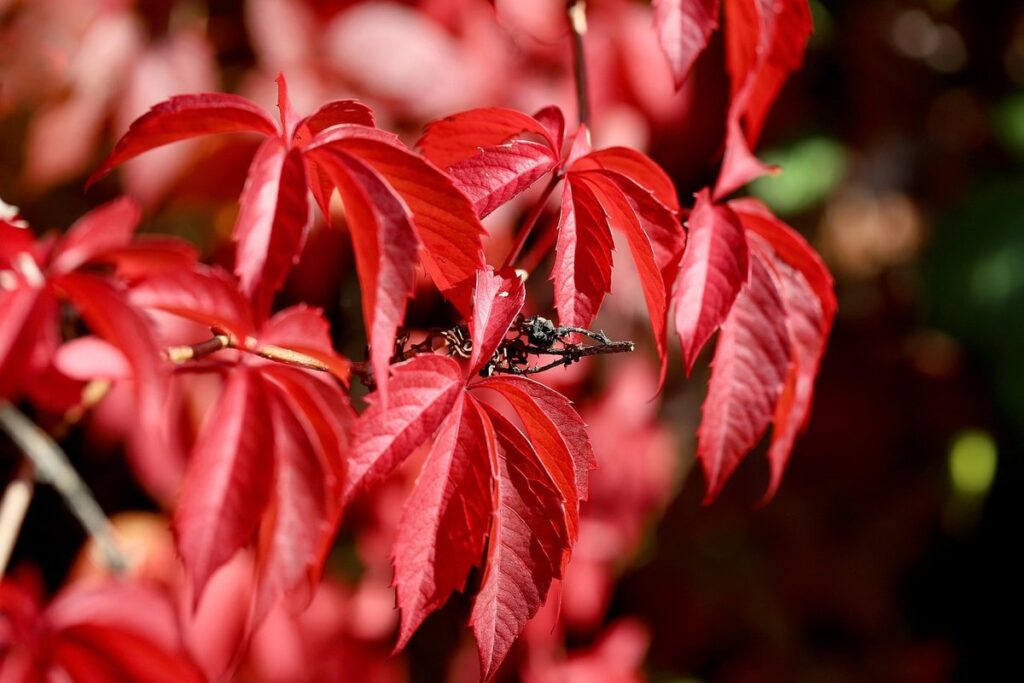
Choosing the Right Climbing Vine
When selecting a climbing vine for your fence, it’s essential to consider factors such as growth habits and climate adaptability. This will help you choose a thriving and low-maintenance addition to your outdoor space.
Considerations for Sunlight and Soil Conditions
When selecting a climbing vine for your fence, it’s crucial to consider the sunlight and soil conditions your fence receives. This will ensure that the chosen vine thrives and meets its full potential.
To determine if your fence receives sufficient sunlight, observe the area at different times of day. Most vines require at least 6 hours of direct sunlight per day, but some varieties can tolerate partial shade or even full shade. Consider the climate and time of year as well – a spot that’s shaded during winter months may receive more sunlight in summer.
Check your soil conditions by digging a small hole near the fence and examining the top layer of soil. Most vines prefer well-draining, fertile soil with a pH between 6.0 and 7.0. If your soil is heavy clay or sandy, consider adding organic matter like compost to improve its structure. By matching your vine’s requirements with the existing environment, you’ll create an ideal setting for growth and enjoyment.
When selecting a variety, consult the specific sunlight and soil needs for that plant. This will help you choose a vine that will not only look beautiful but also be healthy and robust over time.
Popular Varieties for Different Environments
When choosing a climbing vine for your fence, it’s essential to consider the specific environment where it will thrive. Different vines have varying tolerances for sunlight, soil pH, and moisture levels.
For areas with full sun (6+ hours of direct sunlight), opt for heat-tolerant vines like Passionflower (Passiflora spp.) or Honeysuckle (Lonicera spp.). These plants are perfect for warm climates and can grow up to 10 feet tall. On the other hand, if your fence receives partial shade (4-6 hours of indirect sunlight), consider varieties like Clematis or English Ivy (Hedera helix). These vines are more adaptable to shadier conditions and can still provide a lush display.
For specific soil preferences, keep in mind that some vines prefer acidic soils while others thrive in alkaline environments. For example, the Virginia Creeper (Parthenocissus quinquefolia) prefers slightly acidic to neutral soils (pH 6.0-7.0), whereas the Trumpet Vine (Campsis radicans) can tolerate a wider pH range.
When selecting a climbing vine for your fence, remember to assess your specific environment and choose a variety that suits its needs. This will ensure healthy growth and a beautiful display all year round.
Planting and Training Climbing Vines
When it comes to getting your climbing vines off to a strong start, proper planting and training techniques are essential for optimal growth. Let’s dive into the best methods for supporting these beautiful plants.
Preparing the Fence for Installation
Before installing climbing vines on your fence, it’s essential to prepare the surface for optimal growth and attachment. Start by inspecting the fence for any damage or debris that could interfere with vine growth. Clean the fence thoroughly using a mild detergent and water solution to remove dirt, grime, or old adhesives.
Next, consider adding supports such as trellises, arbors, or plant hooks to provide structural stability for your vines. These can be attached directly to the fence or placed on either side of it. For example, you could install a trellis about 3-4 feet above ground level and train your vines to climb up and over it.
When securing vines to fences using supports, ensure they are securely fastened with screws, nails, or wire. Use a sturdy material like wood or metal for the support structure, and space them evenly apart (about 2-3 feet) to allow for adequate air circulation and sunlight penetration.
Techniques for Planting and Anchoring Vines
When planting climbing vines for fences, it’s essential to choose the right technique depending on the type of vine you’re working with. For example, evergreen vines like English ivy (Hedera helix) can be planted at the base of the fence and will quickly spread upwards, providing a lush, full coverage. On the other hand, flowering vines like clematis or honeysuckle are best trained up from the ground level using trellises or supports.
To securely anchor your vines, use sturdy wires or twine to tie them to the fence posts or nearby structures. Make sure to leave enough slack for the vine to grow and move with the wind without putting excessive pressure on the anchoring points. For particularly heavy or robust vines like wisteria, you may need to install additional support systems, such as wooden stakes or a freestanding trellis.
Consider planting a few inches away from the fence to allow for easy maintenance and air circulation around the roots. This will help prevent moisture buildup and reduce the risk of root rot or other diseases that can damage your vines.
Benefits and Uses of Climbing Vines
Climbing vines can add beauty, function, and value to your outdoor space, but did you know they also offer numerous practical benefits? Let’s explore how.
Aesthetic and Functional Applications
Incorporating climbing vines into your yard can elevate its aesthetic appeal and provide numerous functional benefits. From increasing privacy to reducing noise pollution, these versatile plants can transform your outdoor space. One of the most significant advantages of using climbing vines is their ability to block unsightly views from neighboring properties, providing a sense of seclusion without sacrificing natural light.
Climbing vines also offer an effective solution for reducing noise pollution. Whether you live in a bustling city or a quiet suburban neighborhood, these plants can help mitigate external noises by creating a physical barrier between your property and the surrounding environment. To maximize this benefit, choose varieties with dense foliage that can effectively block sound waves.
Another key advantage of climbing vines is their ability to enhance curb appeal. With a variety of colors, textures, and growth habits available, you can select a species that complements your home’s architectural style and surrounding landscape. Regular pruning and training will also help maintain the desired shape and promote healthy growth, ensuring your climbing vine remains an attractive addition to your property for years to come.
When selecting climbing vines for your fence, consider factors like sunlight exposure, soil type, and maintenance requirements to ensure a thriving and visually appealing display.
Wildlife-Friendly Options for Birds and Bees
When it comes to adding climbing vines to your fence, you’re not only enhancing its aesthetic appeal but also creating a haven for local wildlife. Many varieties of climbing vines are perfect for attracting birds and bees, which is great news for both nature enthusiasts and those concerned about biodiversity.
Consider planting species like honeysuckle (Lonicera spp.), clematis (Clematis spp.), or passionflower (Passiflora spp.). These plants produce fragrant flowers that are a magnet for pollinators. For instance, the showy blooms of honeysuckle attract hummingbirds and butterflies, while bees adore the nectar-rich flowers of clematis.
By incorporating these wildlife-friendly options into your fence’s design, you’ll contribute to local biodiversity and ecological balance. This is especially important in areas where natural habitats have been fragmented or destroyed. By providing a source of food and shelter for birds and bees, you’re supporting their survival and reproduction.
Incorporating climbing vines that attract wildlife will also add an extra layer of beauty to your fence, as the lush foliage and vibrant flowers create a stunning display throughout the growing season.
Care and Maintenance of Climbing Vines
To keep your climbing vines healthy and thriving, it’s essential to understand how to properly care for them, from pruning to fertilization. We’ll walk you through the process step by step.
Watering and Fertilization Requirements
Watering and fertilizing your climbing vines are crucial steps in their overall care. Different types of vines have varying watering needs, which depend on factors like climate, soil moisture levels, and temperature fluctuations.
For example, tropical vines such as English Ivy (Hedera helix) prefer consistently moist soil but can tolerate some dryness. In contrast, drought-tolerant vines like Honeysuckle (Lonicera) require less frequent watering. Regularly check the soil moisture by inserting your finger into it or using a moisture meter.
In terms of fertilization, climbing vines benefit from balanced fertilizers with a mix of nitrogen, phosphorus, and potassium. Feed them during the growing season, typically spring to fall, when they are actively producing new growth. However, avoid over-fertilizing as this can lead to weakened root systems and reduced yields.
Some common nutrient deficiencies in climbing vines include iron deficiency, which causes yellowing leaves, and magnesium deficiency, resulting in stunted growth. Be aware of these potential issues and take corrective measures promptly by adjusting your fertilization schedule or using targeted supplements.
Pruning and Training Techniques for Optimal Growth
When it comes to climbing vines, pruning and training techniques are crucial for optimal growth. Regular pruning not only helps control the vine’s size but also promotes healthy foliage and encourages flowering. To prune effectively, inspect your vine regularly, removing dead or damaged leaves and stems. Cut back overgrown sections to maintain a balanced shape, and don’t forget to thin out interior growth to allow sunlight to reach the center of the plant.
For training, consider the direction you want the vine to grow. For example, if your fence is north-facing, train the vine to climb towards the south to maximize sunlight exposure. Adjust your pruning schedule seasonally – for instance, prune more frequently in spring and summer when vines are actively growing, and less often during fall and winter.
To accommodate structural modifications of your fence, consider using flexible trellises or adjustable stakes that can be easily moved or adjusted as needed. For added support, you can also use guy wires to secure the vine to a stable anchor point. Regular pruning and training will help ensure your climbing vines thrive year-round, adding beauty and charm to your outdoor space.
Common Challenges and Solutions
As you start growing climbing vines on your fence, you may encounter some common obstacles that can be frustrating to overcome. Let’s tackle these challenges together!
Pests and Diseases: Identification and Prevention
When it comes to growing climbing vines on your fence, one of the biggest challenges you may face is dealing with pests and diseases. These can cause serious damage to your plants, leading to reduced growth, poor flowering, and even plant death.
Some common pests affecting climbing vines include aphids, whiteflies, and spider mites. Signs of infestation can be seen as yellowing leaves, curled or distorted growth, or the presence of actual insects on the plant. Diseases such as powdery mildew and black spot are also prevalent, manifesting as a grayish-white dust or black spots on the leaves.
To prevent these issues, it’s essential to regularly monitor your plants for signs of infestation or disease. Inspect the undersides of leaves, stems, and soil for pests, and check for unusual growth patterns or discoloration. By catching problems early, you can take action to prevent them from spreading. Consider using integrated pest management techniques, such as introducing beneficial insects, practicing good sanitation, and using organic pesticides only when necessary.
Structural Integrity and Stability Concerns
When it comes to incorporating climbing vines into your fence design, one crucial consideration is ensuring structural integrity and stability. Overgrowth or poor vine management can put additional stress on the fence, potentially leading to damage or even collapse. To prevent this, choose vines that are naturally compact or slow-growing, such as clematis or honeysuckle. Regular pruning is essential to maintain a healthy balance between growth and containment.
To ensure stability, consider installing a trellis or support system specifically designed for climbing plants. This will help distribute the weight of the vines evenly and prevent damage to the fence or surrounding property. For example, a sturdy wooden trellis can be attached to the top of the fence, providing a structure for the vines to grow up while keeping them from putting too much pressure on the fence.
By being mindful of structural integrity and taking proactive steps, you can enjoy the beauty of climbing vines while protecting your fence and property.
Conclusion: Selecting the Perfect Climbing Vine
Now that you’ve learned about different types of climbing vines and their benefits, it’s time to decide which one is perfect for your fence. Let’s summarize key factors to consider when making your final selection.
Recap of Key Considerations and Options
When selecting a climbing vine for your fence, it’s essential to consider several key factors that will impact its performance and overall aesthetic appeal. Environmental conditions such as sunlight, temperature, and soil quality play a significant role in determining which vines will thrive on your fence.
In terms of desired aesthetic, think about the style and character you want to achieve with your climbing vine. Do you prefer a lush, full look or something more delicate and intricate? Consider factors like bloom color, foliage texture, and growth habit when making your selection. For instance, if you’re aiming for a tropical vibe, consider vines like passionflower or jasmine that produce showy flowers.
Functional requirements should also be at the forefront of your decision-making process. Think about maintenance needs, pruning requirements, and potential allergenic concerns. Some climbing vines can grow quite aggressive, while others are relatively low-maintenance. Research which varieties suit your lifestyle and preferences.
Consider the mature size of the vine and its growth rate to ensure it won’t outgrow your fence or become too unruly. Keep in mind that some vines require regular pruning to maintain their shape and promote healthy growth. Ultimately, weigh these factors carefully when making your final choice to guarantee a successful climbing vine installation on your fence.
Some popular options for different environments include: English ivy for shade-tolerant areas, clematis for sunny spots with well-draining soil, and grapevine for warmer climates with ample sunlight. By taking the time to evaluate these key considerations and factors, you’ll be well-equipped to select a climbing vine that brings beauty and functionality to your fence without becoming a maintenance burden.
Frequently Asked Questions
Can I plant climbing vines on any type of fence, or are there specific requirements?
Yes, not all fences are suitable for planting climbing vines. For example, if your fence is made of vinyl or aluminum, it may not provide the necessary support for the vine’s weight and growth. It’s essential to choose a fence material that can withstand the added load and consider installing trellises or other support systems as needed.
How do I ensure my climbing vines receive the right amount of sunlight and soil conditions?
When selecting a climbing vine, carefully observe the area where it will be planted. Take note of the direction your fence faces, the time of day when sunlight is most abundant, and the soil type. For example, English ivy prefers well-drained soil and partial shade to full sun. Choose a variety that thrives in similar conditions to minimize maintenance.
Can I plant climbing vines in areas with poor soil quality or high foot traffic?
While it’s possible to plant climbing vines in challenging environments, they may require more frequent watering and fertilization. If your fence is exposed to heavy foot traffic, consider using a trellis or other support system to distribute the weight of the vine. Regularly inspect your vines for signs of stress or damage.
How often should I water and fertilize my climbing vines?
Watering and fertilizing schedules will vary depending on the type of vine, climate, and soil conditions. As a general rule, water your vines when the top 2-3 inches of soil feel dry to the touch. Fertilize once or twice a year with a balanced, slow-release fertilizer. Be cautious not to over-fertilize, as this can harm the environment and attract pests.
Can I train climbing vines to grow up fences with existing plants or structures?
Yes, many climbing vines can be trained to grow alongside existing plants or through intricate trellises. However, it’s essential to plan carefully and choose a variety that is tolerant of nearby plant growth. Regular pruning and training will also help maintain the desired shape and promote healthy growth.