
When it comes to supporting your tomato plants, you’ve got two popular options: tomato cages and stakes. But which one is right for you? Understanding the differences between these two gardening staples can make all the difference in getting a bountiful harvest. In this article, we’ll delve into the benefits of each option, explore the various types available, and provide tips on how to choose the perfect support for your plants. Whether you’re a seasoned gardener or just starting out, knowing the pros and cons of tomato cages versus stakes will help you make informed decisions about your garden’s success. By the end of this article, you’ll be equipped with the knowledge to grow healthy, productive tomatoes that are supported just right.
Understanding the Basics
To start growing healthy tomatoes, it’s essential to understand how each type of support works and what they’re designed for. This foundation will help you choose the right one for your plants.
What Are Tomato Cages and Stakes?
When it comes to growing tomatoes, providing support is crucial to ensure they grow upright and produce plenty of fruit. Two popular methods for supporting tomato plants are using tomato cages and stakes. So, what exactly are these gardening tools, and how do they work?
Tomato cages are essentially wire or metal frameworks that surround the plant, providing structural support as it grows. They come in various sizes, from small to large, and can be made of different materials like plastic, metal, or even recycled materials. Cages work by allowing the plant to grow freely while keeping it upright, reducing the risk of breakage and promoting healthy growth.
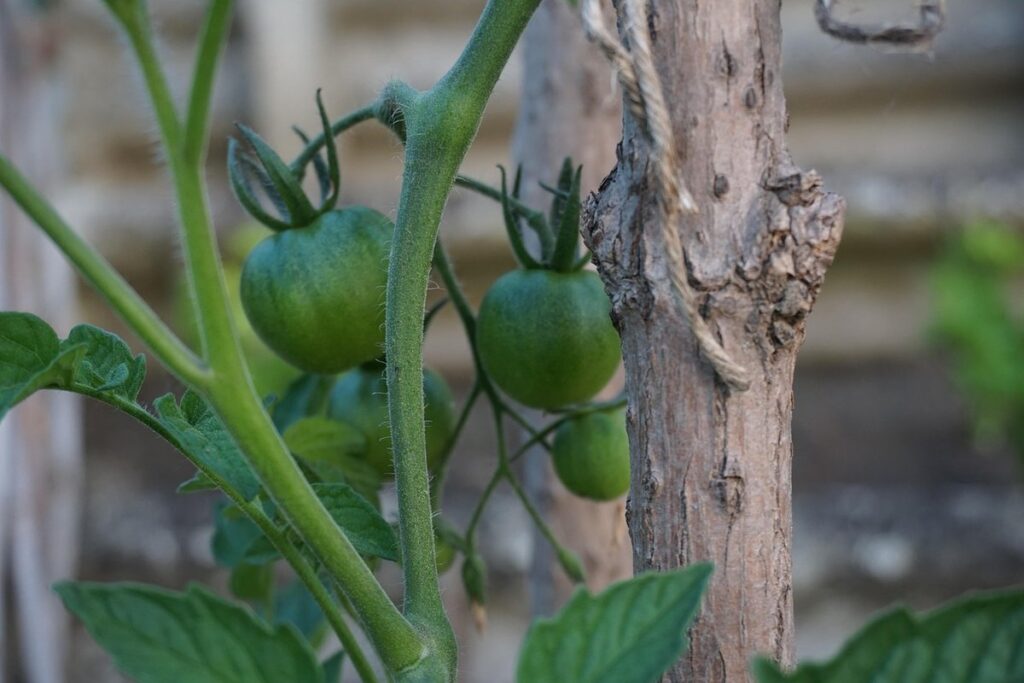
Stakes, on the other hand, are long, thin supports that are driven into the ground next to the tomato plant. They provide a vertical support for the stem to lean against as it grows. Stakes can be made of wood, metal, or bamboo and come in various lengths and thicknesses. When choosing between a stake and cage, consider the mature size of your plants and their growth habits.
Benefits of Using Supports
When you provide support to your tomato plants, you’re not just giving them a helping hand – you’re also investing in their overall health and productivity. Using supports like tomato cages and stakes has numerous benefits that can make a significant difference in the life of your plants.
For one, supports improve plant stability by keeping your tomatoes upright and secure. This is especially important for indeterminate varieties that can grow quite tall. By providing support, you prevent them from toppling over in strong winds or under their own weight, which can lead to damage and stress on the plant. As a result, supported plants tend to have better fruiting and yields.
A well-supported plant also directs its energy towards producing more fruit rather than fighting for balance. According to a study by the University of California, Davis, tomato plants grown with supports produced 20-30% more fruits compared to those without support. By investing in the right support system, you’re essentially giving your plants permission to focus on what they do best – producing delicious, juicy tomatoes!
Types of Tomato Cages
Tomato cages come in a variety of shapes and sizes, each suited for specific garden styles and plant requirements, so let’s take a closer look at your options.
Wooden Cage Options
Wooden cages are a popular choice among gardeners due to their natural appearance and durability. They come in various shapes, sizes, and styles, making it easy to find one that suits your needs. One of the main advantages of wooden cages is their ability to provide excellent support for indeterminate tomato plants without restricting growth.
Some popular types of wooden cages include:
* Hexagonal cages: These are great for compact spaces and can be used to grow multiple plants.
* Square cages: Suitable for larger gardens, these cages offer more space for plant growth and can be easily assembled or disassembled.
* Trellis-style cages: Perfect for vining tomatoes, these cages provide a sturdy framework for climbing stems.
When choosing a wooden cage, consider the size of your plants, the available space in your garden, and the style that suits your aesthetic. Make sure to also check the durability and maintenance requirements of the material used. With proper care, a wooden cage can last for several seasons, providing reliable support for your tomato plants year after year.
Metal Cage Options
Metal tomato cages are a popular choice among gardeners due to their durability and rust-resistance. When shopping for metal cages, look for ones made from high-quality materials such as powder-coated steel or aluminum. These materials offer superior protection against corrosion and can withstand harsh weather conditions.
Some key features to consider when selecting a metal cage include:
• Collapsible design: This feature makes it easy to store the cage during the off-season or transport it to different parts of your garden.
• Adjustable height: This allows you to accommodate plants of varying sizes, ensuring they receive adequate support without becoming too constricted.
• Durable wire mesh: A sturdy mesh helps keep pests and diseases at bay while allowing for airflow and sunlight penetration.
Some popular brands that offer high-quality metal tomato cages include Gardener’s Supply Company and Burpee. When choosing a cage, also consider the size of your plants and the space available in your garden to ensure you select a cage that meets your needs. With proper care and maintenance, a metal tomato cage can provide years of reliable support for your plants.
Types of Stakes
When it comes to supporting your plants, you’ll want to consider the type of stake that best fits your needs and plant variety. Let’s dive into the different types of stakes available.
Bamboo Stake Options
Bamboo stakes are a popular choice for supporting tomatoes due to their eco-friendliness and affordability. Made from sustainable bamboo resources, these stakes offer a natural solution for plant support. They come in various diameters and lengths, allowing you to choose the right size for your tomato plants.
One of the primary benefits of using bamboo stakes is their ability to blend seamlessly into your garden’s landscape. Unlike metal or plastic stakes that can be visually unappealing, bamboo stakes are a natural addition to any garden bed. Additionally, they’re biodegradable and compostable, making them an excellent option for gardeners looking to minimize their environmental impact.
However, there are some drawbacks to consider when using bamboo stakes. They may not provide the same level of support as sturdier materials like metal or wooden stakes, particularly in high-wind areas or when dealing with heavily laden plants. To maximize their effectiveness, make sure to install them at an angle and secure the plant firmly to prevent toppling over.
Wooden Stake Options
When it comes to supporting your tomato plants, wooden stakes are a popular option. They’re made from natural materials and can blend seamlessly into your garden’s aesthetic. In terms of ease of use, wooden stakes are relatively straightforward to install – simply drive the stake into the ground near your plant and tie the stem in place using twine or wire.
One of the main advantages of wooden stakes is their cost-effectiveness. They’re often priced lower than other types of support systems, making them a budget-friendly option for gardeners on a tight budget. However, it’s worth noting that wooden stakes can be prone to rotting if they come into contact with moisture, which could compromise their structural integrity over time.
If you do decide to use wooden stakes, look for those made from durable hardwoods like cedar or cypress. These materials are naturally resistant to decay and will last longer than softer woods. When installing your wooden stake, be sure to drive it at an angle to ensure stability and prevent the stake from toppling over in windy conditions.
Comparison of Tomato Cages vs Stakes
Now that we’ve weighed the pros and cons, let’s dive into a comparison of tomato cages and stakes to see which one comes out on top for your garden.
Stability and Support
When it comes to stability and support, tomato cages generally outperform stakes. This is particularly true in windy conditions, where the cage’s enclosed structure can help shield plants from harsh gusts. On the other hand, stakes may not provide enough support for larger plant varieties or those with excessive leaf growth, leading to instability.
In terms of plant size, tomato cages tend to accommodate bigger plants more effectively. This is because the cage’s vertical supports allow for a wider range of stem and branch attachment points. Stakes, by contrast, typically require a single point of anchorage, which can put pressure on the surrounding soil.
To maximize stability with stakes, it’s essential to select sturdy varieties that can withstand wind resistance without toppling over. This often means opting for reinforced or heavy-gauge materials. However, even with proper support, stakes may not be as effective at protecting plants from extreme weather conditions.
Ease of Use and Installation
When it comes to supporting your tomato plants, ease of use and installation are crucial factors to consider. Both tomato cages and stakes have their own set of requirements when it comes to setup.
Installing a tomato cage is generally easier and more straightforward. Most cages come with a simple assembly process that typically involves snapping or clipping the components together. Some cages may also be collapsible, making storage and transport a breeze. This makes them ideal for gardeners who are new to supporting their plants or have limited experience with gardening tools.
On the other hand, stakes require more labor and often necessitate additional tools like trowels, gloves, and string. They can also become entangled with nearby plants or branches, causing damage to your crop. However, stakes offer a higher degree of customization and flexibility, allowing you to adjust the height and positioning according to your plant’s growth.
Ultimately, both options require some effort, but tomato cages are generally more user-friendly due to their pre-fabricated design and ease of assembly.
Maintenance and Care
Now that you’ve chosen your support, let’s talk about how to keep it sturdy and secure throughout the growing season with regular maintenance. Proper care is key to a thriving tomato plant.
Cleaning and Sanitizing Supports
Cleaning and sanitizing supports is an essential step in maintaining healthy plants. When choosing between a tomato cage and stake, it’s easy to overlook the importance of keeping these supports clean. However, if not properly maintained, they can harbor diseases and pests that can spread to your plants.
Regularly inspect your support for signs of damage or wear. Remove any debris or plant material from the cages or stakes to prevent moisture buildup, which can lead to fungal growth. For more thorough cleaning, mix 1 part bleach with 9 parts water in a spray bottle. Spray the solution onto the support, making sure to cover all areas evenly. Let it sit for 10-15 minutes before rinsing thoroughly with clean water.
To sanitize your supports between seasons or if you’re switching plants, apply a 3% hydrogen peroxide solution (1 part hydrogen peroxide to 9 parts water). This will help eliminate any lingering bacteria or fungi that could harm your new plants. Be sure to rinse the support again after sanitizing to prevent any chemical residue from affecting your plant’s growth.
By incorporating cleaning and sanitizing into your routine, you’ll be better equipped to keep your tomato cage or stake free from disease and pests, ensuring a healthy and thriving crop all season long.
Reusing and Storing Supports
When the growing season comes to an end, it’s essential to properly store and reuse your tomato supports to make the most of your gardening budget. Tomato cages and stakes can be incredibly durable and long-lasting if cared for correctly.
To begin with, clean both the tomato cage and stake thoroughly after use to prevent any pests or diseases from spreading to next year’s plants. Allow them to dry completely before storing in a dry, well-ventilated area. You can also apply a rust-inhibiting coating to metal stakes to protect them from corrosion.
For long-term storage, consider disassembling tomato cages and packing individual parts separately to save space. Stakes can be stored together or individually, depending on their size. Label each support so you know what’s inside each container or bag. Store the supports in a designated area of your garden shed or garage to keep them organized and easily accessible for future gardening seasons.
Remember, by reusing and storing your tomato supports correctly, you’ll not only save money but also reduce waste and minimize the environmental impact of your gardening practices.
Choosing the Right Support for Your Plants
When it comes to supporting your tomato plants, you’ve got two popular options: using a sturdy stake or a cage. Let’s dive into what works best for your garden.
Assessing Plant Size and Growth Habits
When assessing your plant’s size and growth habits, it’s essential to consider whether it will require more robust support, such as a tomato cage, or a simpler stake. Start by evaluating the mature height of your plant variety. For example, compact varieties like ‘Patio’ or ‘Tiny Tim’ typically reach 1-2 feet tall, while larger varieties like ‘Brandywine’ can grow up to 6 feet tall.
Next, observe how your plant grows. Does it spread outwards and require more horizontal support, or does it grow upwards in a more vertical manner? Some plants, like indeterminate tomatoes, will need more extensive support as they continue to grow and produce fruit. On the other hand, determinate varieties are generally more compact and may only require staking.
Consider your plant’s growth rate too – if it’s growing rapidly, you’ll need to adjust its support accordingly. Look for signs of stress or strain on your plant, such as bent stems or leaves that are reaching upwards towards the soil surface. This can indicate that your plant needs more robust support, like a tomato cage, to prevent damage and promote healthy growth.
Considering Garden Layout and Space
When planning to grow tomatoes, it’s essential to consider your garden layout and available space. This will help you determine whether a tomato cage or stake is the better option for your plants.
Firstly, think about the overall size of your plants. If you’re growing indeterminate varieties that can reach heights of 6 feet or more, a sturdy tomato cage may be necessary to provide support and keep them upright. On the other hand, if you’re growing compact or dwarf varieties that remain relatively small, a stake might be sufficient.
Consider the space between your plants as well. If they’re close together, a stake can work well for each plant, while a cage is often better suited for rows of plants with more space in between. Additionally, think about accessibility – if you have limited mobility or prefer not to bend over frequently, a taller cage can be more convenient.
Ultimately, the decision comes down to your specific garden layout and available space. Take note of the mature size of your tomato variety and plan accordingly. This will ensure that your plants receive the necessary support and thrive throughout the growing season.
Conclusion
Now that you’ve weighed the pros and cons of each option, let’s summarize your decision and provide some final thoughts on how to support your tomato plants effectively.
Recap of Key Points
When deciding between using a tomato cage and stake to support your plants, it’s essential to recall the key points discussed earlier. Tomato cages are ideal for indeterminate varieties, offering protection from pests and diseases while allowing for easy harvesting. They come in various materials, such as metal, plastic, or wood, each with its own set of advantages and disadvantages.
On the other hand, stakes are better suited for determinate tomato plants that produce fruit on shorter stems. Stakes provide a more straightforward support option but may require additional training and pruning to ensure stability and promote healthy growth.
One crucial benefit of using tomato cages is their ability to support multiple plants simultaneously, making them an efficient choice for small gardens or indoor spaces. This feature also reduces the need for frequent replacement, as new plants can be added within the existing cage structure.
When comparing the two options, consider factors such as plant variety, growth habits, and space constraints. For instance, a stake may work well for a single, compact tomato plant growing in a container, whereas a cage would be more suitable for larger indeterminate varieties planted directly in the ground.
Ultimately, choosing between a tomato cage and stake involves weighing these benefits against your specific needs and preferences. By understanding the differences and unique advantages of each support option, you’ll be better equipped to make an informed decision that best supports the growth and success of your tomato plants.
Frequently Asked Questions
Can I reuse tomato cages from year to year, or do they need to be replaced every season?
Yes, many tomato cages can be reused multiple times with proper cleaning and maintenance. To extend the life of your cage, make sure to clean it thoroughly after each use and store it in a dry place during the off-season. Some cages may also be designed for specific types of plants or growth habits, so choose a cage that’s suitable for your tomato variety.
What if my plant is too large or unruly for a standard tomato cage?
If you have a particularly large or vigorous tomato plant, you may need to use a larger cage or consider using multiple cages stacked together. Alternatively, you can also try using a trellis or other support system specifically designed for larger plants. Be sure to choose a support that provides adequate stability and support for your plant.
How do I prevent pests and diseases from spreading through my tomato supports?
To minimize the risk of pest and disease transmission, make sure to clean and sanitize your tomato supports regularly, especially after each use. You can also take steps to prevent pests by using physical barriers or introducing beneficial insects into your garden. Regularly inspecting your plants for signs of stress or disease will also help you catch any issues early.
Can I use a combination of tomato cages and stakes in the same garden bed?
Yes, many gardeners find it helpful to combine both tomato cages and stakes in their garden beds. This can provide additional support and stability for larger plants, while also allowing for more flexibility in terms of plant placement and arrangement. Just be sure to choose supports that are compatible with each other and won’t interfere with your plant’s growth.
How do I store my tomato supports during the off-season?
To keep your tomato supports in good condition during the off-season, make sure to clean them thoroughly after use and dry them completely before storing. You can then store them in a dry, well-ventilated area such as a garage or shed. Consider labeling your supports so you know what’s stored where, and consider taking photos of your garden setup so you can easily recreate it next season.