
As an avid gardener, you’re likely no stranger to the joys of growing your own onions. But have you ever stopped to think about the difference between onion sets and bulbs? Whether you’re a seasoned pro or just starting out, understanding the distinction between these two types of onions can make all the difference in getting the best harvest from your garden. Onion sets and bulbs may seem like similar terms, but they refer to different stages of onion development and have distinct planting methods and flavor profiles. In this article, we’ll break down the key differences between onion sets and bulbs, exploring their types, growth habits, and uses in cooking. By the end, you’ll be equipped with the knowledge to make informed decisions for your garden and enjoy a bountiful harvest of delicious onions.
Understanding the Basics
When starting from scratch, it can be tough to know where to begin with onion sets and bulbs. Let’s break down what each is all about in simple terms.
What are Onion Sets and Bulbs?
When working with onions, you’ll often come across two forms: onion sets and bulbs. Understanding the difference between these two is crucial for gardening, cooking, and getting the desired flavor from your onions.
Onion sets are small, immature onions that are typically planted in early spring or fall, depending on your region’s climate. They’re harvested when the tops begin to yellow and fall over, usually around 100-120 days after planting. Onion sets are smaller than bulbs, with a diameter of about 1-2 inches (2.5-5 cm). They have a milder flavor and are often used for scallions or green onions.
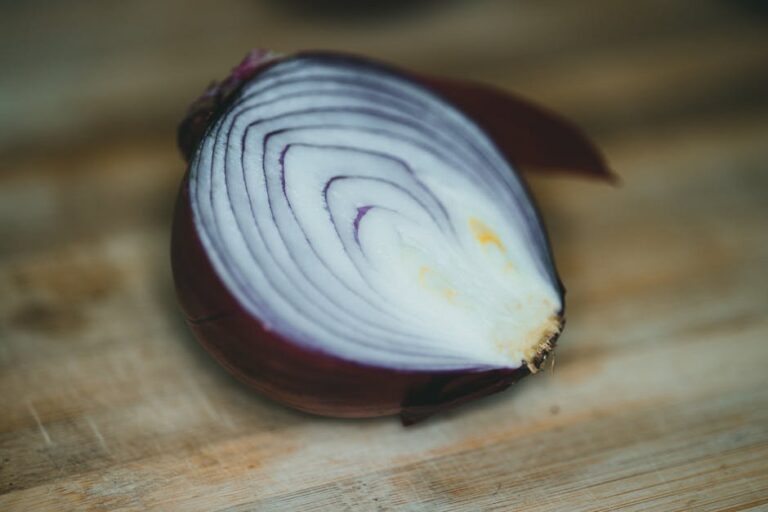
Onion bulbs, on the other hand, are mature onions that form underground as they grow. They’re harvested in late spring to early summer, when the tops begin to yellow and fall over. Bulbs can range in size from 2-4 inches (5-10 cm) in diameter and have a stronger flavor than onion sets.
In cooking, onion sets are ideal for adding a delicate onion flavor to dishes, while bulbs provide a more robust taste. Knowing whether you’re working with an onion set or bulb will help you decide how to use them in your recipes.
Types of Onion Sets and Bulbs
When it comes to selecting onion sets and bulbs for your garden, you’ll find a wide variety of options available. Let’s break down some of the most common types:
Yellow onions are one of the most widely used varieties and are great for caramelizing. They have a strong flavor and a golden-brown color when cooked. Red onions, on the other hand, have a sweeter and milder taste than yellow onions. They’re perfect for adding a pop of color to salads or using in raw dishes.
White onions, like Vidalia or Maui onions, are sweet and mild, making them ideal for grilling or sautéing. Shallots, which are technically a type of garlic, have a sweeter and milder flavor than regular onions. They’re often used in sauces and dressings due to their delicate taste.
Each type has its unique characteristics, so it’s essential to choose the right one for your recipe or cooking method. Consider the taste, texture, and color you want to achieve when selecting onion sets and bulbs. For example, if you’re making a savory stew, yellow onions might be the best choice. If you’re preparing a fresh salad, red onions could add a nice crunch and flavor.
Choosing Between Onion Sets and Bulbs
When it comes to growing onions, you’ve got two main options: onion sets and bulbs. In this next part of our guide, we’ll explore how to choose between them.
Factors to Consider When Selecting Onion Plants
When deciding between onion sets and bulbs, there are several key factors to consider. First and foremost, you need to think about the climate in which you live. Onions thrive in temperate climates with moderate temperatures, but they can be sensitive to extreme heat or cold. If you’re planning to grow onions in a region with very hot summers, onion sets may be a better choice as they tend to mature faster and are less prone to bolting. Conversely, if your area experiences cool winters, bulbs might be more suitable.
Soil type is also an essential consideration when choosing between onion sets and bulbs. Onions prefer well-draining soil that’s rich in organic matter, while bulbs can tolerate a slightly wider range of soil conditions. If you have heavy clay or sandy soil, onion sets may be a better option as they’re less likely to rot.
Finally, consider your desired harvest time. Onion sets typically mature in 70-90 days, while bulbs take around 100-120 days to reach maturity. If you need onions quickly, sets are the way to go. However, if you can wait a bit longer and want larger bulbs for cooking or storage, planting individual bulbs might be the better choice.
Advantages of Using Onion Sets
Using onion sets has several advantages over buying individual bulbs. For one, they save you time and effort when it comes to planting. You can simply scatter the onion sets on top of the soil, cover them with a thin layer, and wait for them to grow. This method is especially convenient if you’re new to gardening or have a large garden to maintain.
Another benefit of using onion sets is that they are less likely to develop diseases like neck rot and downy mildew, which can be prevalent in individual bulbs. Onion sets also tend to produce higher yields than bulbs, as they have already begun forming their roots before being planted. This means you’ll get more onions from a smaller packet.
When choosing onion sets, make sure to select ones that are firm and free of blemishes. Plant them 1-2 inches apart in well-draining soil with a pH between 6.0 and 7.0. Keep the soil consistently moist during their first few weeks of growth, and you’ll be enjoying homegrown onions in no time!
Growing Onion Sets vs Bulbs: A Comparison
When it comes to growing onions, you have two main options: starting from sets or planting bulbs. Let’s compare these methods side by side in this section.
Planting Depth and Spacing for Onion Sets and Bulbs
When planting onion sets and bulbs, it’s essential to get the depth and spacing just right. This will ensure a healthy growth and prevent any potential issues like overcrowding or damage from excessive moisture.
For onion sets, plant them 1-2 inches deep, with the pointed end facing upwards. Make sure the soil is firm around the set, but not too compacted, as this can cause rot. Space them 4-6 inches apart in rows that are 12-18 inches apart. This will give each bulb enough room to grow without competing for resources.
Onion bulbs, on the other hand, should be planted 2-3 inches deep, with the pointed end facing upwards. Plant them about 1 inch deeper than the sets, as they require more moisture and can rot if too shallow. Space them 6-8 inches apart in rows that are 18-24 inches apart.
It’s also worth noting that onion sets and bulbs should be planted as soon as possible after purchase, ideally in early spring or late summer/early fall for a fall harvest. This will give them the best chance to establish themselves before winter or extreme weather conditions.
Caring for Onion Plants
When you’ve successfully grown your onion sets into mature plants, it’s time to think about providing them with the right care for optimal growth and flavor. Watering is essential, but overwatering can be detrimental, leading to rot and other issues. To get it just right, water when the top inch of soil feels dry to the touch, aiming for about 1-2 inches of moisture per week.
Fertilizing is another crucial aspect of caring for your onion plants. Feed them with a balanced fertilizer (around 10-10-10 NPK) once a month, making sure not to overdo it as this can promote leaf growth at the expense of bulb formation. Alternatively, you can side-dress with high-phosphorus fertilizers (like bone meal or fish emulsion) to encourage root and bulb development.
Keep an eye out for pests like aphids, spider mites, and onion maggots, which can significantly impact your crop’s yield and quality. Use neem oil or insecticidal soap to control infestations, and practice good gardening hygiene by removing weeds that may harbor these pests. Regular monitoring and swift action will help prevent damage and maintain a healthy, thriving onion plant.
Harvesting and Storage of Onion Plants
Now that you’ve grown your onion plants, it’s time to harvest them at the right moment to ensure optimal flavor and storage. Proper harvesting and storage techniques will make all the difference in keeping your onions fresh for a longer period.
When to Harvest Onion Sets and Bulbs
When to harvest onion sets and bulbs is crucial for optimal flavor, texture, and storage. As a general rule of thumb, onion sets are ready to harvest about 60-90 days after planting, while onions (bulbs) take around 120-150 days to mature.
Signs of readiness include a visible white base of the leaves turning yellow or brown, indicating that the bulb has formed underneath. You can also check by gently digging around the plant with your fingers; if the neck of the onion is about an inch in diameter and feels firm, it’s likely ready to harvest. Another method is to gently lift the entire plant, taking care not to damage the roots; if it comes out easily, the onion is probably mature.
Optimal timing for harvesting onion sets and bulbs depends on the specific variety, climate, and region you’re growing in. In areas with hot summers, it’s often best to harvest onions before the plants begin to bulb, as high temperatures can cause them to become misshapen or develop an unpleasant flavor.
Proper Storage Techniques for Onion Plants
Proper storage techniques for onion plants are crucial to extend their shelf life and maintain quality. After harvesting onion sets or bulbs, it’s essential to dry and cure them to prevent moisture from accumulating and promoting rot.
To dry onion plants, start by spreading them out in a single layer on a paper bag or a clean towel. Place the drying area in a warm, well-ventilated spot with indirect sunlight. This will help speed up the evaporation of excess moisture. Check on the onion plants regularly to ensure they don’t develop any mold or mildew.
Once the onions have dried slightly, transfer them to an airtight container or paper bag to cure further. Store them in a cool, dark place like a pantry or cupboard with good air circulation. This will help prevent any remaining moisture from accumulating and causing spoilage.
Properly stored onion plants can last for several weeks, allowing you to enjoy their fresh flavor throughout the growing season.
Comparison of Flavor Profiles Between Onion Sets and Bulbs
When it comes to cooking, the flavor of your onions can make all the difference. Let’s dive into how onion sets compare to bulbs in terms of their taste profiles.
Differences in Flavor and Texture
When it comes to flavor and texture profiles, onion sets and bulbs exhibit distinct differences. Sweet onions, such as Vidalia or Maui, have a naturally sweet taste and a tender, almost velvety texture when harvested from bulb form. In contrast, onion sets tend to have a milder flavor but lack the sweetness found in their bulb counterparts.
Yellow onions, on the other hand, are often preferred for their strong, pungent flavor and ability to caramelize well when cooked from either set or bulb form. However, yellow onions grown from sets may not develop the same depth of flavor as those grown from bulbs.
Shallots, which are essentially a type of multiplier onion, tend to have a sweeter, more delicate flavor profile regardless of whether they’re harvested from sets or bulbs. When growing shallots, it’s essential to choose the right variety and planting method to ensure optimal flavor development.
When substituting onion sets for bulbs in recipes, keep in mind that cooking times may vary due to differences in water content and cell structure. To get the best results, adjust cooking methods accordingly based on the type of onion used.
Cooking Methods for Different Types of Onions
When it comes to cooking with onion sets and bulbs, understanding their unique characteristics is key to unlocking their full flavor potential. Let’s explore some popular cooking methods for different types of onions.
Roasting Onion Sets: For a sweet and caramelized flavor, roast whole onion sets at 400°F (200°C) for about 45 minutes, or until tender and lightly browned. This brings out the natural sugars in the onions, making them perfect as a side dish or topping for salads.
Sautéing Bulbs: When it comes to sautéing onion bulbs, use a medium-high heat with some oil to achieve a crispy exterior and a tender interior. For example, try caramelizing thinly sliced yellow onions at 350°F (175°C) for about 20 minutes, stirring occasionally, until they’re dark golden brown.
Grilling Onion Sets: For a smoky flavor, grill whole onion sets over medium heat, turning frequently, until charred and tender. This method is perfect for adding a depth of flavor to burgers or sandwiches.
When cooking with onion sets and bulbs, consider the size and shape of each type. Thinner slices are best for sautéing, while larger pieces work well for roasting. Experiment with different cooking methods and flavor combinations to find your favorite ways to use these versatile ingredients.
Troubleshooting Common Issues with Onion Sets and Bulbs
Don’t let common problems get in the way of growing delicious onions from sets and bulbs – we’ll help you troubleshoot the most frequent issues. From poor germination to pests, we’ve got solutions for every onion grower.
Identifying and Preventing Common Pests and Diseases
As an onion grower, it’s essential to be aware of common pests and diseases that can affect your crop. Aphids are a significant problem for onion plants, as they feed on the sap, weakening the plant and making it more susceptible to disease. To identify aphids, look for small, soft-bodied insects with long legs and antennae on the underside of leaves or near growing tips.
Fungal infections like downy mildew and botrytis are also prevalent among onion plants. These diseases often manifest as yellowing or browning of leaves, followed by a white, cotton-like growth on infected areas. To prevent fungal infections, ensure good air circulation around your plants and avoid overhead watering, which can encourage the spread of disease.
To manage pests and diseases effectively, adopt integrated pest management (IPM) strategies that combine cultural, physical, biological, and chemical controls. For example, use neem oil or insecticidal soap to control aphids, while fungicides like copper-based products can help combat fungal infections. Regularly inspect your plants for signs of infestation or disease, and take swift action at the first sign of trouble to prevent the issue from escalating.
Dealing with Poor Growth or Yield
If you’re struggling with poor growth or yield from your onion sets and bulbs, there are several potential causes to consider. Soil quality is a crucial factor; onions need well-draining, fertile soil rich in organic matter to thrive. Test your soil pH levels and amend as necessary – most onion varieties prefer slightly acidic conditions between 6.0 and 7.0.
Proper nutrient management is also vital for healthy onion growth. Ensure you’re providing your plants with a balanced fertilizer regimen that includes essential micronutrients like potassium, magnesium, and sulfur. Be cautious not to over-fertilize, as this can lead to weak, leggy growth and reduced yields.
Monitoring moisture levels is another critical aspect of onion care. Onions need consistent moisture, especially during the early stages of growth; however, overwatering can cause rot and reduce bulb size. Maintain a consistent watering schedule, taking care not to waterlog the soil.
Consider using beneficial microorganisms like mycorrhizal fungi to enhance nutrient uptake and promote healthy root development. This natural approach can be particularly effective in improving soil fertility and plant resilience.
Frequently Asked Questions
Can I plant onion sets or bulbs in the same bed year after year?
Yes, you can plant onion sets or bulbs in the same bed multiple times, but it’s essential to follow a rotation plan to avoid depleting soil nutrients and to reduce the risk of disease buildup. Rotate your crops at least every 3-4 years to ensure optimal growth.
How do I know if my onion plants are ready for harvest?
Check for signs of readiness by gently tugging on the tops of the onions. If they come out easily, it’s time to harvest. Harvesting at the right time will help prevent bulb splitting and encourage even cooking.
Can I store both onion sets and bulbs in the same way?
No, onion sets and bulbs have different storage requirements due to their maturity stage and moisture content. Onion sets are more prone to drying out, so it’s essential to keep them in a cool, dry place with good air circulation. Bulbs, on the other hand, can be stored at room temperature or refrigerated.
What’s the ideal soil pH for growing onion sets and bulbs?
Most onion varieties prefer a slightly acidic to neutral soil pH (around 6.0-7.0). Avoid planting in areas with highly alkaline or acidic soils, as this can lead to nutrient deficiencies and affect plant growth.
How do I distinguish between different types of onion sets or bulbs in my garden?
Keep track of the varieties you planted by labeling the beds or using a gardening app to record your progress. Observe any distinctive characteristics, such as foliage color, shape, or size, to help identify each variety during harvest and storage.