
Are you ready to create a haven for local wildlife in your very own backyard? A thriving pond ecosystem is not only a beautiful addition to any garden, but it also provides a vital source of food and shelter for many species. The right aquatic plants can make all the difference, supporting everything from frogs and fish to birds and insects. But with so many types of plants to choose from – both native and exotic options are available – how do you know which ones to select? In this article, we’ll delve into the benefits and care requirements of various wildlife pond plants, helping you create a balanced ecosystem that’s perfect for supporting local wildlife.
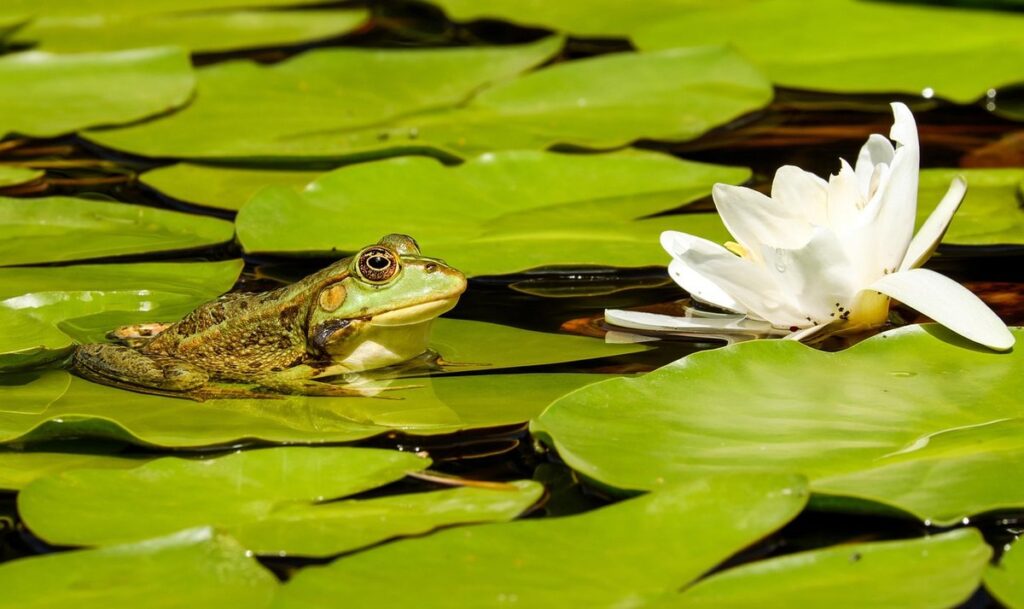
Choosing the Right Plants for Your Pond
When selecting plants for your pond, it’s essential to choose species that thrive in your local climate and attract a variety of wildlife. This section will guide you through the process of making an informed decision.
Native Aquatic Plants
Native aquatic plants are an essential component of a thriving wildlife pond ecosystem. These plants not only provide food and shelter for local wildlife but also help maintain water quality by absorbing excess nutrients. When choosing native aquatic plants, it’s crucial to select species suitable for your region.
In North America, for example, some excellent choices include:
* American Lotus (Nelumbo lutea) – a hardy perennial with beautiful flowers that attract pollinators and provide shade for fish.
* Water Wisteria (Hygrophila difformis) – an easy-to-grow plant that helps keep water clear by absorbing excess nutrients and providing shelter for small animals.
* Pickerel Rush (Pontederia cordata) – a versatile plant that can thrive in both shallow and deep waters, attracting dragonflies and other beneficial insects.
When planting native aquatic plants, remember to choose species adapted to your region’s climate and soil conditions. Proper care includes ensuring adequate sunlight, water circulation, and nutrient balance. By incorporating these beneficial plants into your pond ecosystem, you’ll create a thriving environment that supports local wildlife.
Exotic vs. Native Plants: Pros and Cons
When it comes to choosing plants for your pond ecosystem, one decision you’ll need to make is whether to opt for exotic or native species. While exotic plants can bring unique beauty and character to your pond, they also pose potential risks to the environment.
Exotic plants, by definition, are not native to your region, which means they may not have the same beneficial relationships with local wildlife as native plants do. In fact, introducing non-native species can disrupt the delicate balance of your ecosystem, potentially leading to invasive growth that outcompetes native plants for resources like water and nutrients.
On the other hand, native plants are adapted to thrive in your specific climate and soil conditions, making them a more sustainable choice for your pond. Native plants also provide essential food and shelter for local wildlife, supporting biodiversity and ecological health.
Pond Plant Types: Classification and Uses
When it comes to choosing the right plants for your wildlife pond, understanding their classification and uses is key. Let’s dive into the different types of pond plants you can use to create a thriving ecosystem.
Floating Plants
Floating plants are an essential component of a thriving pond ecosystem. These aquatic plants have adapted to grow on the surface of the water, where they play a vital role in supporting local wildlife. Some popular examples of floating plants include Water Lilies (Nymphaea spp.), Duckweed (Lemna minor), and Hornwort (Ceratophyllum demersum).
Water Lilies are one of the most recognizable floating plants, with their large, flat leaves providing shade and shelter for aquatic animals. They also produce beautiful flowers that attract pollinators like bees and butterflies. Water Lilies can be used to control algae growth by absorbing excess nutrients from the water.
Duckweed is a fast-growing, floating plant that can help to remove excess nutrients and pollutants from pond water. It’s an ideal choice for small ponds or aquariums where space is limited. Hornwort, on the other hand, provides a sheltered environment for fish and other aquatic animals to hide from predators.
When introducing floating plants into your pond, make sure to choose species that are suitable for your climate and water conditions. This will ensure they thrive and provide maximum benefits for your local wildlife.
Marginal Plants
Marginal plants are an essential component of a thriving pond ecosystem, providing shelter and food for aquatic wildlife. These plants thrive in shallow water or on the edges of ponds, where the soil is moist but not submerged. Let’s take a closer look at some common marginal plant species that you can include in your wildlife pond.
Watercress (Nasturtium officinale) is a popular choice for marginal planting, as it tolerates a wide range of water levels and pH conditions. This peppery-tasting aquatic herb attracts beneficial insects like bees and butterflies, while its leaves provide a hiding spot for small fish and amphibians. You can plant watercress in shallow containers or directly into the soil around your pond’s edge.
Other common marginal plants include cattails (Typha latifolia) and irises (Iris pseudacorus). Cattails are known for their distinctive brown seedheads, which provide a source of food for birds and other wildlife. Irises, on the other hand, produce showy flowers in shades of purple, blue, and white, attracting pollinators like bees and butterflies to your pond.
When selecting marginal plants, choose species that suit your local climate and water conditions. Be sure to plant them at the correct depth to prevent them from becoming submerged or drying out completely. With proper care, these plants will thrive in their new home, supporting a diverse range of aquatic wildlife.
Planting and Maintenance Considerations
When selecting plants for your wildlife pond, it’s essential to consider their planting and maintenance needs to ensure they thrive and provide a haven for local wildlife. Let’s dive into some crucial considerations.
Soil and pH Requirements
When it comes to planting and maintaining a thriving wildlife pond ecosystem, understanding the soil and pH requirements of different species is crucial. Not all plants are created equal, and some may thrive in acidic environments while others require more alkaline conditions.
For example, water lilies (Nymphaea spp.) prefer slightly acidic to neutral soil with a pH between 6.0-7.5, whereas cattails (Typha latifolia) tolerate a wider range of pH levels from 6.0-9.0. To ensure optimal growing conditions for your pond plants, it’s essential to test the water and soil parameters regularly.
Here are some practical tips for testing and adjusting pond water parameters: test the pH level at least twice a year; adjust as needed with natural products like baking soda or vinegar; maintain stable levels between 6.5-7.5 for most species. For more sensitive plants, consider creating separate zones within your pond with varying soil types and pH levels. By achieving optimal growing conditions, you’ll be rewarded with vibrant, healthy pond plants that will attract a diverse range of wildlife to your pond. Regular monitoring also helps prevent water quality issues, ensuring the health and longevity of your aquatic ecosystem.
Water Quality Management
Maintaining a healthy pond ecosystem is crucial for the well-being of wildlife and the plants that inhabit it. One critical aspect of this maintenance is proper water quality management. This involves minimizing algae growth and promoting beneficial bacteria, which work together to keep the water clear and safe for aquatic life.
To minimize algae growth, you can implement several strategies. First, ensure adequate circulation in your pond by installing a pump or aerator. This will help distribute oxygen throughout the water, reducing the likelihood of algae blooms. Next, maintain a balanced water chemistry through regular testing and adjustments as needed. A pH level between 6.5 and 8.5 is ideal for most aquatic plants.
Additionally, promote beneficial bacteria growth by providing them with a suitable environment. This can be achieved by adding a small amount of decomposing organic matter to the pond or using a commercial product specifically designed for this purpose. Regularly monitoring your water quality will also help you identify any issues before they become major problems.
Wildlife Pond Plants: Ecosystem Benefits
When it comes to choosing plants for your pond, consider not just their beauty but also how they can support a thriving ecosystem. This section explores the benefits of wildlife-friendly pond plants.
Habitat Creation and Biodiversity
When it comes to creating a thriving ecosystem in your pond, wildlife pond plants play a vital role. Not only do they provide food and shelter for aquatic animals, but they also contribute significantly to habitat creation and biodiversity.
For example, water lilies (Nymphaea spp.) are an essential component of any pond ecosystem. These plants produce large leaves that float on the water’s surface, providing a haven for small fish, frogs, and dragonflies to rest and hunt. Their roots also help to stabilize the soil and prevent erosion. Additionally, their flowers attract pollinators like bees and butterflies, further enhancing biodiversity.
Other species, such as cattails (Typha latifolia) and reeds (Phragmites australis), also play crucial roles in maintaining a healthy pond ecosystem. Cattails provide shelter for birds and small mammals, while reeds help to filter out excess nutrients from the water. By incorporating these plants into your pond design, you’ll not only create a thriving habitat but also attract a variety of wildlife species.
By choosing the right combination of wildlife pond plants, you can create a balanced ecosystem that supports an array of aquatic life.
Pest Control and Water Purification
Aquatic plants play a vital role in maintaining a balanced ecosystem in your wildlife pond. One of their most significant contributions is controlling pests and purifying water. The mechanisms behind these processes involve several factors:
* Oxygen production: Aquatic plants release oxygen during photosynthesis, which helps break down organic matter and reduce algae growth.
* Nutrient uptake: Plants absorb excess nutrients from the water, preventing them from fueling pest populations.
* Habitat modification: Plants create sheltered areas that reduce the likelihood of pests finding suitable habitats.
Plant-based pest control methods are effective and eco-friendly. For example, using Water Wisteria (Hygrophila difformis) to filter out mosquito larvae or Water Lilies (Nymphaea spp.) to trap mosquitoes in their blooms. Plant these species around your pond’s perimeter to create a barrier against pests.
To implement plant-based pest control effectively:
* Choose plants suitable for your climate and pond conditions.
* Introduce new plants gradually to avoid overwhelming the ecosystem.
* Monitor and maintain plant health regularly, as unhealthy plants can become a nuisance themselves.
Pond Plant Care: Tips and Best Practices
To keep your wildlife pond plants thriving, proper care is essential. This section will cover essential tips and best practices for maintaining healthy and vibrant pond plants.
Regular Maintenance Tasks
Regular maintenance is crucial to keep your wildlife pond plants thriving. Monitoring water levels is essential to ensure that the plants receive the right amount of moisture. Aim for a level that’s 2-4 inches below the top of the gravel or soil, as this allows for easy inspection and maintenance.
Fertilizing your pond plants can boost their growth and vibrancy. Use a balanced fertilizer (20-20-20) during the growing season (spring-fall), and apply it according to the manufacturer’s instructions. Be cautious not to overfertilize, as this can lead to an algae bloom.
Pruning is another vital maintenance task. Remove dead or dying leaves and stems to prevent disease and encourage healthy growth. Cut back perennials like water lilies in late summer to prepare them for winter dormancy. Use sharp, clean tools to avoid spreading diseases from plant to plant.
Regularly inspect your pond plants for signs of pests, disease, or nutrient deficiencies. Check for aphids, slugs, and snails on the leaves and stems. Look out for yellowing leaves or discoloration, which can indicate a nutrient deficiency.
By performing these essential maintenance tasks, you’ll keep your wildlife pond plants healthy, thriving, and providing a haven for local wildlife to enjoy.
Common Problems and Solutions
As you care for your wildlife pond plants, it’s not uncommon to encounter some common problems that can be detrimental to their health and beauty. One of the most frequent issues is root rot, which occurs when the roots of the plant sit in waterlogged soil or are exposed to too much moisture. This can lead to a range of symptoms, including yellowing leaves, soft stems, and ultimately, the death of the plant.
To prevent root rot, make sure your pond plants have enough room to breathe and that their pots aren’t sitting directly on the water’s surface. You should also ensure good drainage in the potting mix by incorporating organic matter like peat or compost. If you do notice signs of root rot, don’t panic – simply lift the plant out of the water, trim away any affected roots, and replant it in fresh soil.
Other common problems include nutrient deficiencies and pest infestations. To prevent these issues, maintain a balanced fertilizer regimen and keep an eye out for signs of pests like snails or slugs. Regularly inspect your pond plants and take action promptly if you notice any unusual activity. By being proactive and taking preventive measures, you can enjoy healthy, thriving wildlife pond plants that attract birds, bees, and other beneficial wildlife to your garden.
Conclusion: Creating a Thriving Pond Ecosystem
As we conclude our comprehensive guide, let’s now discuss the final steps to create a thriving pond ecosystem that attracts and supports wildlife. This is where all your hard work comes together!
Recap of Key Takeaways
As you conclude your journey through this comprehensive guide on wildlife pond plants, it’s essential to recap the key takeaways that will help you create a thriving ecosystem. By incorporating these recommendations into your pond design and maintenance routine, you’ll be well on your way to attracting a diverse range of wildlife.
Firstly, choose plants native to your region, as they require less maintenance and are more likely to thrive. Consider a mix of emergent, submerged, and floating plants to provide a habitat for various aquatic species. For example, water lilies (Nymphaea spp.) can help shade the pond, while cattails (Typha latifolia) and rushes (Juncus spp.) can be used as natural barriers.
When caring for your wildlife pond plants, remember to monitor their growth and adjust your maintenance schedule accordingly. Regularly inspect your pond’s water quality and make adjustments to maintain a balanced ecosystem. By following these key recommendations, you’ll create a thriving environment that attracts birds, bees, and other beneficial wildlife, ultimately enhancing the beauty of your outdoor space.
Final Tips and Recommendations
As you’ve reached the end of this comprehensive guide to wildlife pond plants, we hope you’re feeling confident and equipped to create a thriving ecosystem that will attract a variety of wildlife. Before we conclude, let’s touch on some final tips and recommendations to help take your pond to the next level.
Consider investing in a pond management kit, which can monitor water quality, pH levels, and other essential parameters. This will enable you to make informed decisions about your pond’s maintenance and ensure it remains a healthy environment for plants and wildlife alike.
Future research or exploration into related topics might include learning more about beneficial bacteria, aquatic insects, and even fish that are suitable for small ponds. These additions can not only enhance the biodiversity of your ecosystem but also provide a fascinating educational experience.
Frequently Asked Questions
What if I live in an area with extreme weather conditions, such as very cold winters or hot summers? How can I choose wildlife pond plants that will thrive in my climate?
Choose plants native to your region and select those that have a reputation for tolerating extreme temperatures. For example, if you live in an area with cold winters, opt for hardy perennials like American Lotus (Nelumbo lutea) or Water Wisteria (Hygrophila difformis). These plants will be more resilient to temperature fluctuations and require less maintenance.
How can I ensure that the wildlife pond plants I choose will not spread invasive species in my local ecosystem?
Research the growth habits and potential invasiveness of each plant before introducing it to your pond. Look for plants with minimal seed production or those that are naturally sterile, such as cattails (Typha latifolia) or water lilies (Nymphaea spp.). Also, consider using container-grown plants rather than planting them directly into the soil.
What is the ideal depth and size of my pond to support a diverse range of wildlife pond plants?
A larger pond with varying depths will provide habitat for more plant species. Aim for a minimum depth of 18 inches (45 cm) and a surface area of at least 100 square feet (9 sq meters). This will allow you to grow both submerged and emergent plants, as well as floating plants.
Can I use a pre-made pond kit or should I build my own wildlife pond?
While pre-made kits can simplify the process, consider building your own pond for optimal results. A custom-built pond allows you to create a design that suits your specific needs and takes into account factors like soil quality, water flow, and sunlight exposure.
How often should I perform regular maintenance tasks on my pond ecosystem, such as cleaning the filters or pruning plants?
Regular maintenance is crucial to maintaining a healthy pond ecosystem. Set aside time each week for basic tasks like skimming debris, checking water levels, and monitoring water quality. Schedule deeper cleanings (e.g., replacing filter media) every 2-3 months, depending on your pond’s specific needs and usage.