
Are you looking to add some movement and texture to your garden borders? Ornamental grasses are an excellent choice! Not only do they provide year-round interest, but they’re also incredibly versatile and easy to care for. Whether you live in a scorching desert climate or a chilly mountain region, there’s an ornamental grass perfect for your area. In this article, we’ll dive into the world of ornamental grasses, exploring how to select the right ones for your garden, design them into stunning borders, and maintain their beauty throughout the seasons. From climate-specific options to maintenance tips and seasonal display ideas, we’ve got you covered. By the end of this post, you’ll be equipped with the knowledge to create a beautiful and low-maintenance ornamental grass border that will enhance your outdoor space all year round.
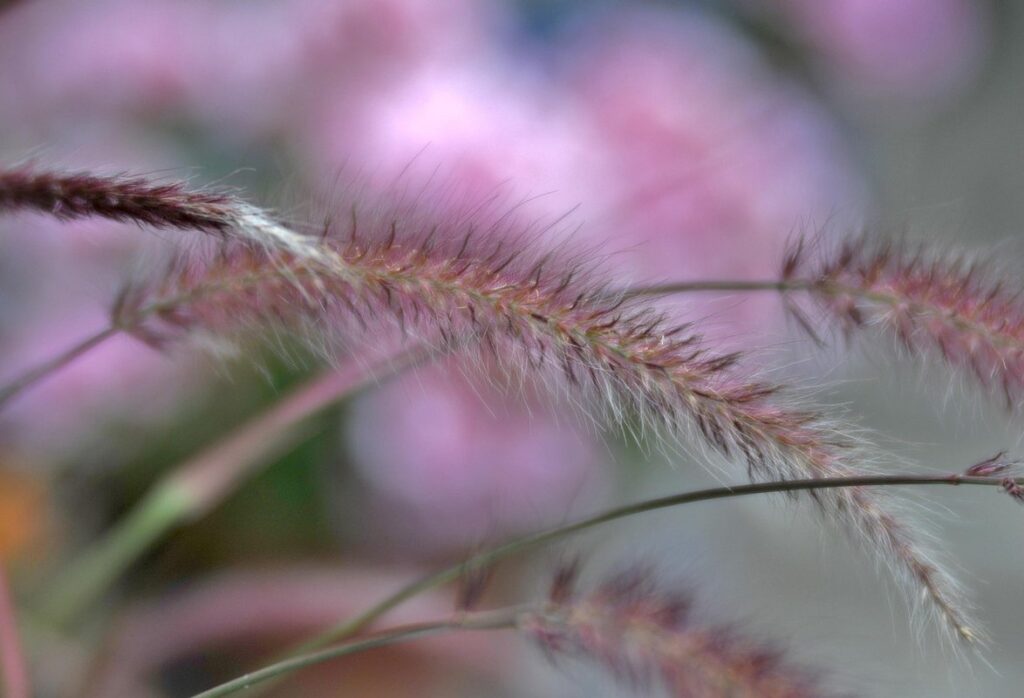
Choosing the Right Ornamental Grasses for Your Border
When selecting ornamental grasses for your border, it’s essential to consider factors like climate, soil type, and maintenance needs to ensure a healthy and thriving display. Here are some key considerations to keep in mind.
Selecting Grasses Based on Climate and Soil Conditions
When selecting ornamental grasses for your border, it’s essential to consider the specific climate zone and soil conditions you’re working with. Different grasses thrive in various environments, so choosing the right one can be crucial to its success.
For example, if you live in a hot and dry region like the Southwest, you’ll want to opt for drought-tolerant grasses such as Blue Oat Grass or Pampas Grass. These plants have adapted to withstand extreme heat and low water levels, making them perfect for areas with limited rainfall.
On the other hand, if you reside in a cooler climate with rich soil, consider grasses like Fountain Grass or Pennisetum. These species prefer moist conditions and can add a pop of color to your border with their vibrant foliage and blooms.
When assessing your soil type, think about its pH level and drainage capabilities. For instance, if you have heavy clay soil, choose grasses that are tolerant of wet conditions, such as Carex or Cortaderia. Conversely, if your soil is sandy and prone to drying out, select drought-resistant species like Stipa or Miscanthus.
By taking these factors into account, you’ll be well on your way to selecting ornamental grasses that will thrive in your specific climate zone and soil conditions, ensuring a beautiful and low-maintenance border for years to come.
Considerations for Maintenance and Care
When it comes to incorporating ornamental grasses into your border design, maintenance and care are crucial factors to consider. Different species have varying watering needs, with some requiring regular moisture while others can thrive in dry conditions. For example, Pampas Grass (Cortaderia selloana) prefers well-drained soil and full sun, whereas Mexican Feathergrass (Nassella tenuissima) is more tolerant of drought.
Pruning requirements also differ among ornamental grass species. Some, like Fountain Grass (Pennisetum setaceum), need to be trimmed back annually to maintain their shape, while others, such as Blue Oat Grass (Helictotrichon sempervirens), can be left unpruned for several years. It’s essential to research the specific pruning needs of your chosen grass species.
Additionally, consider the potential growth habits of different ornamental grasses. Some can grow quite tall or spread out quickly, so it’s crucial to choose species that fit within your desired border height and width. For instance, Little Blue Stem (Andropogon scoparius) grows to be around 3-4 feet tall, while Bunny Tail Grass (Lagurus ovatus) remains relatively low-growing at about 1-2 feet.
When selecting ornamental grasses for your border, take note of their mature height and spread to ensure they won’t outgrow their allocated space. This will save you time and effort in the long run by preventing the need for frequent pruning or division.
Popular Ornamental Grass Species for Borders
When it comes to adding texture and interest to your borders, there are many popular ornamental grass species that can make a stunning impact. Let’s explore some of our favorites!
Native and Drought-Tolerant Options
Native and drought-tolerant ornamental grasses are perfect for borders, especially in areas with limited watering capabilities. One popular option is Little Bluestem (Schizachyrium scoparium), a native North American species that thrives in dry conditions. It boasts beautiful blue-green foliage in the summer and stunning golden hues in the fall.
Another excellent choice is Blue Grama Grass (Bouteloua gracilis), which grows well in full sun and requires minimal watering. Its delicate purple flowers bloom from June to September, attracting pollinators and adding a pop of color to your border. For warmer climates, consider Mexican Feathergrass (Nassella tenuissima) – its fine texture and feathery plumes make it an attractive choice for borders.
When selecting native and drought-tolerant grasses, remember to choose species suitable for your local climate and soil type. Research the specific needs of each plant and ensure you’re planting in a location with good air circulation to prevent disease. By incorporating these water-wise options into your border design, you’ll not only conserve resources but also create a beautiful, low-maintenance landscape that withstands dry conditions.
Exotic and Architectural Varieties
When it comes to adding some excitement to your border design, exotic and architectural varieties of ornamental grasses are a great place to start. These unique species from around the world offer an incredible range of shapes, textures, and uses that can add visual interest and depth to any garden.
Take, for example, the majestic Pampas Grass (Cortaderia selloana) native to South America. With its statuesque plumes reaching up to 6 feet tall, this ornamental grass is a showstopper in any border design. Its feathery texture and dramatic height make it an excellent choice for creating a focal point or adding drama to a large area.
Another stunning option is the Blue Oat Grass (Helictotrichon sempervirens), originating from Europe and Western Asia. With its silvery-blue foliage and delicate, oat-like blooms, this ornamental grass adds a touch of elegance and sophistication to any border. Its ability to thrive in poor soil conditions also makes it an excellent choice for areas with challenging soil.
When using exotic and architectural varieties in your border design, remember to consider the mature size of each plant to ensure they won’t overcrowd or compete with other plants. Also, be mindful of their specific growing requirements, such as sunlight, watering, and maintenance needs. By incorporating these unique ornamental grasses into your design, you can create a visually striking and dynamic border that showcases the beauty and diversity of nature.
Designing with Ornamental Grasses: Tips and Tricks
When incorporating ornamental grasses into your border design, understanding how to select and pair them effectively is crucial for a visually appealing display. Let’s dive into some expert tips on designing with these beautiful plants.
Creating a Focal Point with Ornamental Grasses
When used thoughtfully, ornamental grasses can serve as a beautiful focal point in your border design. To create a stunning visual anchor, consider placing a striking variety like Pampas Grass (Cortaderia selloana) or Fountain Grass (Pennisetum setaceum) towards the back of the border. This placement allows their tall stems to reach for the sky without overpowering surrounding plants.
When selecting an ornamental grass as a focal point, choose a species that provides visual interest through its foliage, plumes, or seedheads. For example, the delicate purple-tinged foliage of Blue Oat Grass (Helictotrichon sempervirens) adds a subtle yet elegant touch to borders. To amplify your chosen grass’s impact, pair it with companion plants that complement its texture and color.
Some effective pairing strategies include:
• Planting low-growing, spreading shrubs like lavender or rosemary around the base of taller ornamental grasses
• Mixing grasses with other perennials that share similar growth habits and maintenance needs, such as daylilies or coneflowers
Layering and Mass Planting Techniques
When it comes to designing with ornamental grasses, layering and mass planting techniques can add depth, texture, and visual interest to your borders. One of the key benefits of layering is that it allows you to create a layered effect without overcrowding the space. By using a mix of tall and short grasses, you can create a sense of movement and energy in the border.
To achieve this look, try planting tall grasses like Pampas Grass or Fountain Grass towards the back of the border, while shorter varieties like Blue Oat Grass or Little Bunny Grass are planted towards the front. This creates a layered effect that draws the eye through the border.
Mass planting is another effective technique for creating a stunning display with ornamental grasses. By grouping several plants together in one area, you can create a dramatic impact and add visual interest to the space. For example, try planting a group of 3-5 Feather Reed Grasses in a circular pattern to create a striking focal point in the border.
Integrating Ornamental Grasses into Your Garden Design
Now that you’ve chosen your favorite ornamental grasses, let’s explore how to seamlessly integrate them into your garden design for a cohesive look. This is where creativity and planning come together.
Companionship Plants for Ornamental Grasses
When integrating ornamental grasses into your garden design, it’s essential to consider companion plants that complement their unique textures and foliage. These companions can add visual interest, create a sense of depth, and even provide additional benefits like flowers or fragrance.
For flowering perennials, consider pairing ornamental grasses with plants like coneflowers (Echinacea spp.), black-eyed Susans (Rudbeckia hirta), or bee balm (Monarda didyma). These plants not only attract pollinators but also add vibrant colors to your border. For example, the tall spikes of purple coneflower flowers provide a striking contrast to the delicate plumes of fountain grass (Pennisetum setaceum).
Shrubs like lavender (Lavandula spp.) or rosemary (Rosmarinus officinalis) can also complement ornamental grasses, offering fragrance and structural interest. Groundcovers like creeping thyme (Thymus serpyllum) or sedum (Sedum spp.) can fill gaps between plants and create a cohesive look.
When selecting companion plants, remember to consider factors like mature size, growth habits, and watering needs to ensure harmonious coexistence with your ornamental grasses.
Seasonal Interest: Using Ornamental Grasses Year-Round
Ornamental grasses are incredibly versatile and can be incorporated into seasonal displays throughout the growing seasons. To create year-round interest with ornamental grasses, consider the following strategies.
In spring, ornamental grasses can add a soft texture and subtle color to borders as they emerge from dormancy. For example, use blue oat grass (Helictotrichon sempervirens) or fountain grass (Pennisetum setaceum) to create a delicate backdrop for blooming perennials.
During the summer months, ornamental grasses can provide bold texture and dramatic movement in the breeze. Tall species like pampas grass (Cortaderia selloana) or maiden’s blush grass (Gahnia radula) make excellent choices for adding drama to borders.
In fall and winter, ornamental grasses often take center stage with their vibrant foliage colors and interesting textures. Use species like golden bamboo grass (Chusquea coriifolia) or purple fountain grass (Pennisetum setaceum ‘Rubrum’) to add warmth and depth to borders during the cooler seasons.
To get the most out of your ornamental grasses throughout the year, be sure to prune them back in late winter or early spring before new growth begins. This will encourage healthy growth and prevent any dead or damaged stems from becoming eyesores.
Maintenance and Upkeep of Ornamental Grass Borders
To keep your ornamental grass borders looking their best, regular maintenance is essential, from pruning and watering to mulching and dividing. Let’s explore these crucial tasks in more detail.
Pruning Strategies for Different Grass Species
When it comes to maintaining ornamental grass borders, pruning is an essential task that requires attention to specific needs of each species. Different types of ornamental grasses have unique characteristics and growth habits, which dictate the best time and technique for pruning.
For example, warm-season grasses like Pampas Grass (Cortaderia selloana) and Fountain Grass (Pennisetum setaceum) should be pruned in late winter or early spring before new growth begins. This allows for a clean cut and promotes healthy growth throughout the growing season. On the other hand, cool-season grasses like Blue Oat Grass (Helictotrichon sempervirens) and Tufted Hairgrass (Deschampsia cespitosa) require pruning in late summer or early fall to maintain their shape and prevent seed heads from forming.
It’s also crucial to prune ornamental grasses at the right height, removing no more than one-third of the plant’s foliage. This encourages new growth while maintaining the desired height and appearance of the border. Regular maintenance and proper pruning techniques will ensure your ornamental grass borders remain healthy, thriving, and visually stunning throughout the seasons.
Pest and Disease Management
When it comes to maintaining ornamental grass borders, one of the most critical aspects is managing pests and diseases that can threaten their health. Some common issues you may encounter include fungal diseases like powdery mildew and rust, as well as pests such as aphids, spider mites, and scale insects.
To prevent these problems, it’s essential to maintain good cultural practices, including proper watering, fertilization, and pruning habits. Make sure to water your ornamental grasses in the morning so the foliage has time to dry before nightfall, reducing the risk of fungal diseases. Regularly inspect your plants for signs of pests or disease, and take action promptly if you notice any issues.
For treatment, use a fungicide specifically labeled for ornamental grasses to control fungal diseases. For pests like aphids and spider mites, try introducing natural predators such as ladybugs or lacewings to your garden. If the infestation is severe, consider using insecticidal soap or horticultural oil according to the product’s instructions. Regularly inspecting your plants and taking prompt action can help prevent the spread of pests and diseases, ensuring your ornamental grass borders remain healthy and thriving.
Conclusion: Adding Ornamental Grasses to Your Garden Borders
Now that you’ve learned how to choose, plant, and care for ornamental grasses, let’s bring it all together by adding these beautiful plants to your garden borders.
Recap of Key Takeaways
As you’ve now learned about the versatility and benefits of ornamental grasses for borders, let’s recap the key takeaways to help you make informed decisions when incorporating these beautiful plants into your garden design. Ornamental grasses offer year-round interest with their delicate foliage, vibrant flowers, and varying growth habits, making them an excellent addition to any garden border.
You’ll recall that ornamental grasses are relatively low-maintenance, requiring minimal watering and care compared to other flowering plants. They also attract pollinators, such as butterflies and bees, adding to the overall biodiversity of your garden. Furthermore, their ability to sway gently in the breeze adds a soothing element to your outdoor space.
By choosing the right ornamental grass for your specific climate and desired aesthetic, you can create a stunning border that complements your existing landscape features while providing visual interest throughout the seasons. Remember to plant them at the right time, typically spring or fall when temperatures are milder, to ensure their optimal growth and establishment in your garden.
By incorporating these beautiful plants into your garden design, you’ll not only enhance its beauty but also create a haven for wildlife and reduce maintenance requirements. With these key takeaways in mind, start exploring the world of ornamental grasses and discover how they can elevate your outdoor space.
Final Tips for Successful Ornamental Grass Planting
As you finalize the integration of ornamental grasses into your garden borders, keep in mind these final tips to ensure their success. When it comes to propagation, divide and replant healthy clumps in the spring when new growth begins. This will not only encourage a fuller appearance but also prevent overcrowding.
Proper soil preparation is also essential for long-term care. Ornamental grasses prefer well-draining soil with a slightly acidic pH between 6.0 and 7.0. To achieve this, mix in organic matter like compost or manure to improve drainage and fertility.
For ongoing maintenance, prune your ornamental grasses regularly to maintain their shape and promote new growth. Cut back dead foliage in late winter or early spring before new shoots emerge. This will also help prevent diseases and pests from taking hold.
By following these tips, you can enjoy the beauty of ornamental grasses for years to come.
Frequently Asked Questions
What if I live in a small space, how can I still create a beautiful ornamental grass border?
In small spaces, it’s essential to choose compact or dwarf varieties of ornamental grasses that won’t outgrow their containers or designated areas. Consider using hanging baskets or vertical planters to maximize space and add visual interest to your garden.
How do I prevent ornamental grasses from becoming too leggy or bare in the winter?
To maintain the shape and appearance of your ornamental grasses during the winter, consider pruning them back by one-third in late fall or early spring. This will help promote new growth and prevent legginess. You can also use mulch or other decorative materials to protect the roots from extreme temperatures.
Can I grow ornamental grasses in containers if I don’t have a garden bed?
Yes, many ornamental grass species thrive in containers and can add beauty and movement to your patio, balcony, or indoor spaces. When growing in containers, be sure to use well-draining potting mix and provide sufficient sunlight and water for the specific needs of your chosen grass variety.
How do I care for ornamental grasses during extreme weather conditions?
During periods of drought or high winds, it’s essential to protect your ornamental grasses with adequate watering and staking. In areas prone to intense heat, consider providing shade for your plants during the hottest part of the day. For regions experiencing frequent strong winds, use stakes or trellises to support tall varieties.
Can I combine ornamental grasses with other plants in my garden design?
Yes, combining ornamental grasses with complementary flowers, shrubs, and perennials can create stunning visual effects and add depth to your garden design. Consider pairing ornamental grasses with flowering perennials or shrubs that bloom at different times of the year for ongoing seasonal interest.
How do I propagate ornamental grasses from division or seed?
To propagate ornamental grasses, you can either divide established plants in the spring or summer, making sure to remove any dead or damaged roots and leaves. Alternatively, sow seeds directly into well-prepared soil during the fall or early spring, depending on the specific species’ requirements for germination and growth.