
If you’re looking to add some lush greenery to your shady garden, but aren’t sure where to start, we’ve got just the solution. Hostas are a popular choice for shade gardens because they come in a wide range of varieties that can thrive in low-light conditions. With so many options available, it can be overwhelming to choose the perfect variety for your space. From large-leaved stunners to compact cuties, there’s a hosta out there to suit every style and size of garden.
In this article, we’ll explore some of the most popular hosta varieties for shade gardens, including their unique characteristics and growing requirements. We’ll also share expert tips on how to care for these beautiful plants, from watering and fertilizing to pest management and division. By the end of this post, you’ll have all the information you need to grow gorgeous, healthy hostas in your own shady garden.
Understanding Hostas and Their Needs
To grow hostas successfully, it’s essential to understand their specific needs and preferences, which can vary significantly from one variety to another. This will help you create a thriving shade garden.
Overview of Hosta Characteristics
Hostas have become an increasingly popular choice for shade gardens due to their ability to thrive in low-light conditions and provide year-round interest. These versatile plants are adaptable to a range of soil types and moisture levels, making them suitable for various garden settings.
A key characteristic of hostas is their growth habit, which can vary from compact mounds to sprawling, clump-forming shapes. Some varieties grow as small as 12 inches tall, while others can reach heights of over 3 feet. This diversity allows gardeners to select the perfect size and shape to suit their specific needs.
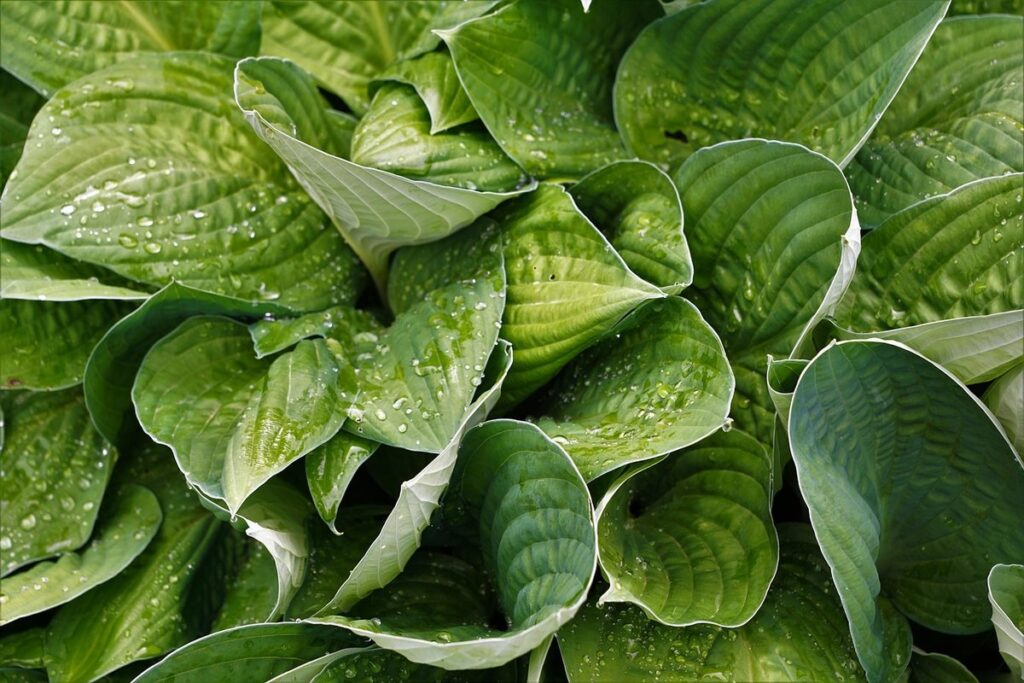
One significant benefit of hostas is their foliage, which comes in a wide range of colors and patterns. From solid green leaves to variegated patterns featuring shades of blue, yellow, or white, these plants offer endless options for adding visual interest to shade gardens.
Determining Your Climate Zone and Soil Type
To ensure you’re selecting hostas that will thrive in your shade garden, it’s essential to determine your climate zone and soil type. Your local nursery or extension office can provide information on your region’s climate zone, which ranges from 1 (hot summers) to 8 (cool summers). Knowing your climate zone helps you choose hosta varieties that are adapted to your area’s temperature fluctuations.
Additionally, it’s crucial to test your soil pH and determine its type. Most hostas prefer slightly acidic to neutral soil (pH 6.0-7.0), but some can tolerate alkaline conditions. If you have heavy clay or sandy soil, choose varieties that are more tolerant of these conditions. For example, ‘Blue Mouse Ears’ is a good choice for well-draining soils, while ‘Krossa Regal’ performs well in clay soils. By understanding your climate zone and soil type, you can make informed decisions when selecting hostas and provide them with the best possible growing conditions. This will lead to healthier plants and more vibrant blooms.
Popular Large-Leaf Hosta Varieties
If you’re looking for a statement piece in your shade garden, large-leaf hostas are an excellent choice, and several popular varieties stand out. Let’s take a look at some of our favorites.
‘August Moon’ and ‘Royal Standard’
‘August Moon’ and ‘Royal Standard’ are two popular large-leaf hosta varieties that thrive in shade gardens. Both plants offer unique characteristics and benefits for gardeners seeking to add lush foliage to their shaded spaces.
‘August Moon’, as its name suggests, blooms in late summer with white flowers that attract pollinators. Its leaves are a vibrant green color, reaching up to 12 inches in length and 8 inches in width. This hosta variety grows at a moderate pace, forming a dense, rounded mound that spreads about 4-5 feet wide.
In contrast, ‘Royal Standard’ boasts large blue-green leaves with a slightly wavy texture, reaching sizes of up to 14 inches in length and 10 inches in width. Its flowers are pale purple and appear in mid-to-late summer. This hosta variety grows relatively slow, forming a neat, compact shape about 3-4 feet wide.
Both ‘August Moon’ and ‘Royal Standard’ hostas prefer well-drained soil with moderate watering needs. They’re ideal for adding a touch of elegance to shaded areas, such as under trees or along walkways.
‘Blue Angel’ and ‘Gold Standard’
If you’re looking for large-leaf hostas that pack a punch, ‘Blue Angel’ and ‘Gold Standard’ are two varieties worth considering. Both offer unique features that set them apart from other plants in their class.
‘Blue Angel’ boasts vibrant blue-green leaves with yellow margins, providing an eye-catching contrast to its neighbors in the shade garden. This variety is known for its rapid growth rate, making it ideal for those who want a bold statement plant without having to wait too long. Its advantages include its tolerance for humidity and ability to thrive in partial sunlight, but it does require regular watering to prevent scorching.
‘Gold Standard’, on the other hand, features large, golden leaves with green undertones that give it an elegant appearance. While it doesn’t grow as quickly as ‘Blue Angel’, its mature size is still impressive. This variety’s key strengths include its ability to attract hummingbirds and bees, adding a dynamic element to your shade garden.
Compact Hosta Varieties for Smaller Spaces
If you have a small shade garden, don’t worry – we’ve got some fantastic compact hosta varieties to share that are perfect for even the tiniest spaces. Let’s take a look at our top picks!
‘Golden Tiara’ and ‘Krossa Regal’
If you’re looking to add some drama and elegance to your shade garden, look no further than ‘Golden Tiara’ and ‘Krossa Regal’, two compact hosta varieties that pack a punch. These plants may be small in stature, but they make up for it with their striking foliage and adaptability.
‘Golden Tiara’ is a standout variety with its bright golden-yellow leaves that provide a stunning contrast to the surrounding foliage. It grows to a moderate height of 18-24 inches, making it perfect for smaller spaces or containers. This hosta is also known for its ability to thrive in a range of soil conditions, from acidic to alkaline.
‘Krossa Regal’, on the other hand, boasts large, regal-looking leaves with a deep green color and white margins. It grows slightly taller than ‘Golden Tiara’ at 24-36 inches, but its compact growth habit makes it an excellent choice for smaller gardens or borders. Both of these varieties are low-maintenance and require minimal upkeep, making them perfect for busy gardeners.
When planting either ‘Golden Tiara’ or ‘Krossa Regal’, be sure to provide them with well-draining soil and partial shade to prevent scorching. Water regularly during the first growing season to establish a strong root system, but avoid overwatering in subsequent years. With proper care, these compact hostas will thrive in your shade garden for years to come.
‘Frances Williams’ and ‘Sum and Substance’
When it comes to compact hosta varieties that thrive in smaller spaces, ‘Frances Williams’ and ‘Sum and Substance’ are two popular options worth considering. Both of these compact plants offer a range of benefits for gardeners with limited space.
One of the main advantages of ‘Frances Williams’ is its ability to provide a pop of color without taking up too much room. This variety boasts large, heart-shaped leaves with a bright yellow center and a blue-green surround, making it a standout choice for shade gardens. With mature sizes ranging from 18-24 inches in diameter, ‘Frances Williams’ is an excellent option for smaller spaces.
On the other hand, ‘Sum and Substance’ offers more robust growth and a vibrant, golden-yellow foliage. This variety grows to be around 3 feet in diameter, making it a great choice for gardeners who want a bigger impact without sacrificing too much space. However, keep in mind that both of these varieties can become quite dense with age, so regular maintenance is necessary to prevent overcrowding and promote healthy growth.
In terms of potential drawbacks, compact hosta varieties like ‘Frances Williams’ and ‘Sum and Substance’ may require more frequent watering due to their smaller root systems. However, this is easily manageable with a little planning and attention to soil conditions. With proper care, these plants can bring a burst of color and texture to even the smallest of shade gardens, making them an excellent choice for gardeners with limited space.
Hostas with Unusual Colors and Patterns
If you’re looking for something truly unique, take a closer look at hostas with unusual colors and patterns that will add an extra layer of visual interest to your shade garden. These varieties come in a range of striking combinations.
‘Albo-Variegata’ and ‘Aureomarginata’
If you’re looking to add some visual interest to your shade garden, consider hosta varieties with unusual colors and patterns. Two popular options are ‘Albo-Variegata’ and ‘Aureomarginata’. These unique hostas showcase striking combinations of white and yellow or gold markings on their leaves.
The ‘Albo-Variegata’ hosta boasts leaves with wide, irregular stripes of creamy white on a deep green background. This variety thrives in partial shade and produces pale purple flowers in late summer. Its upright growth habit makes it an excellent choice for adding height to your garden beds without taking up too much space.
On the other hand, ‘Aureomarginata’ features leaves with delicate yellow margins that add a touch of warmth to any shade garden. This variety prefers moist soils and partial shade, making it ideal for woodland gardens or areas with high humidity. Its flowers are a lighter purple hue compared to ‘Albo-Variegata’, but its unique foliage is sure to turn heads.
When incorporating these hostas into your garden design, keep in mind their mature size and growth habits to ensure they complement other plants and don’t overcrowd the area. With proper care and maintenance, both ‘Albo-Variegata’ and ‘Aureomarginata’ will provide years of beauty and interest in your shade garden.
‘Gold Heart’ and ‘Patriot’
Hostas with unique coloration like ‘Gold Heart’ and ‘Patriot’ offer a refreshing twist on traditional varieties. These plants showcase striking patterns and colors that add visual interest to shade gardens.
The ‘Gold Heart’ hosta, for instance, boasts heart-shaped leaves with bright gold edges and a soft green center. This variety is ideal for adding a pop of color to shaded areas without overpowering other plants. Its unique foliage provides a beautiful backdrop for spring-blooming flowers like trillium or astilbe.
On the other hand, ‘Patriot’ hostas display blue-green leaves with wide white margins, giving them a stunning two-tone appearance. This variety is particularly well-suited to woodland gardens and can help to create a sense of depth and texture in shaded areas.
While these unique varieties offer many advantages, they do require some special consideration. Their striking foliage may be more prone to scorching or fading in full sun conditions, so it’s essential to provide them with partial shade to maintain their color and health.
Growing and Caring for Hostas in Shade
If you’ve fallen in love with a hosta variety but aren’t sure how to care for it, learning its specific growing needs is crucial. In this section, we’ll cover essential tips for growing and caring for your shade-loving hostas.
Planting and Watering Tips
When planting hostas in shade, it’s essential to prepare the soil properly. Choose a location with well-draining soil, as hostas don’t like wet feet. Dig in some organic matter such as compost or well-rotted manure to improve soil fertility and structure.
Watering is another critical aspect of caring for hostas in shade. Hostas need consistent moisture, especially during their first year after planting. Water them deeply once or twice a week, depending on weather conditions. Avoid overwatering, which can lead to root rot and other problems.
Fertilize your hostas lightly in the spring with a balanced fertilizer. This will promote healthy growth and prevent burning the roots. After fertilizing, water the soil gently but thoroughly.
Keep an eye out for pests and diseases, such as slugs, snails, and leaf spot. Use natural methods of control whenever possible to avoid harming beneficial insects and the environment.
By following these simple tips on planting and watering your hostas, you’ll be well on your way to creating a thriving shade garden that brings joy and beauty to your outdoor space.
Winter Care and Protection
As we navigate the changing seasons, winter care and protection become crucial for the survival of our beloved hostas. Since they’re planted in shade gardens, they might be more vulnerable to harsh weather conditions. To ensure their continued growth and health, it’s essential to prepare them for the cold months ahead.
One effective way to protect your hostas from freezing temperatures is by mulching around the base of the plants. This simple technique helps retain moisture, suppress weeds, and regulate soil temperature. Organic materials like bark chips, straw, or pine needles work well as mulch. Apply a 2-3 inch layer in the fall, just before the ground freezes.
Additionally, consider dividing your hostas every 3-4 years to maintain their vigor and prevent overcrowding. This process also helps remove dead or diseased sections, promoting healthy growth. Prune any dead leaves or stems back to the ground after the first frost, taking care not to damage nearby plants.
By following these winter care tips, you’ll be giving your hostas the best chance to thrive when spring arrives. With proper protection and maintenance, they’ll continue to provide lush foliage and vibrant flowers for years to come.
Selecting the Right Hosta Variety for Your Garden
When selecting a hosta variety, you need to consider factors like growth habits, foliage colors, and maturity dates to ensure it thrives in your shade garden. Let’s explore these key characteristics together.
Evaluating Growth Habits and Size
When evaluating growth habits and size of different hosta varieties, it’s essential to consider your specific garden conditions. Look for varieties that match your space constraints, as some hostas can grow quite large while others remain compact. For instance, ‘Blue Angel’ is a medium-sized hosta, reaching around 3-4 feet in diameter, whereas ‘Minnetonka’ remains smaller at about 2-3 feet.
Consider the mature size of each variety and how it will impact your garden’s layout. Make sure to leave enough space between plants for proper air circulation and growth. For larger hostas, consider grouping them with smaller varieties or other shade-loving plants to create a visually appealing display.
When selecting hosta varieties, pay attention to their growth habits as well. Some hostas spread quickly through underground rhizomes, while others tend to grow upwards. If you have limited space, choose compact or upright varieties that won’t encroach on neighboring plants.
Also, consider the climate and hardiness zone in which your garden resides, as this will impact how quickly hostas grow and thrive. Look for varieties specifically bred for your region’s conditions to ensure optimal performance. By carefully evaluating growth habits and size, you’ll be able to choose the perfect hosta variety for your shade garden, regardless of its unique characteristics or challenges.
Considering Climate, Soil, and Maintenance Needs
When selecting a hosta variety, it’s essential to consider the climate, soil type, and maintenance needs of your garden. This might seem obvious, but it’s surprising how often these factors are overlooked. Hostas come from East Asia where they grow in temperate climates with warm summers and cold winters, but they can thrive in various conditions when given proper care.
Climate plays a significant role in choosing the right hosta variety. If you live in an area with extremely hot summers or mild winters, select varieties that are tolerant of these conditions. For example, ‘June Fever’ is a great choice for warm climates as it’s heat-tolerant and resistant to crown rot. On the other hand, ‘Blue Mouse Ears’ prefers cooler temperatures and will perform well in areas with moderate winters.
Soil type is another crucial factor to consider. Hostas prefer well-draining soil that is rich in organic matter. If your garden has heavy clay or sandy soil, amend it with compost or well-rotted manure to create a suitable environment for hostas. Don’t forget to consider maintenance needs when selecting a variety. Some hostas require more division and replanting than others, while some are more prone to pests and diseases.
Ultimately, weigh your climate, soil type, and maintenance needs against your personal preferences. Think about the mature size of the plant, its growth rate, and any specific requirements it may have. This will help you choose a hosta variety that not only thrives in your garden but also brings you joy and satisfaction.
Frequently Asked Questions
Can I grow hostas in containers if my garden has poor soil?
Yes, growing hostas in containers is an excellent way to provide them with a well-draining potting mix that can help prevent root rot. Choose a container at least 6-8 inches deep and 1-2 feet wide, depending on the mature size of the plant. Use a high-quality potting mix and follow the same care guidelines as in-ground plants.
How do I divide hostas in the fall?
Yes, dividing hostas in the fall can be done by carefully digging up the entire plant, washing off excess soil, and separating the roots with a sharp knife or fork. Make sure each division has at least one growing eye to ensure successful regrowth. This process can help rejuvenate old plants and share them with friends.
Can I grow hostas in areas with full shade but low humidity?
While hostas generally prefer high humidity, there are some varieties that can tolerate drier conditions. Look for species like ‘August Moon’ or ‘Royal Standard’, which have thicker leaves and are more drought-tolerant than others. Be sure to water them regularly during their first growing season.
How often should I fertilize my hostas?
Hostas benefit from regular fertilization, especially after they finish blooming in the summer. Use a balanced, slow-release fertilizer (10-10-10) and follow the manufacturer’s instructions for application rates. You can also add compost or well-rotted manure to improve soil fertility.
Can I propagate hostas using leaf cuttings?
No, hostas are not typically propagated through leaf cuttings. This method is often used for plants like African violets or begonias, but it’s not effective for hostas. Instead, use division (mentioned earlier) or plant offsets to propagate new hosta plants.