
Are you ready to add a pop of vibrant color to your garden? Red foliage plants are just what you need to bring life and visual interest to your outdoor space. Not only do they provide a stunning contrast to the usual greenery, but they also offer a unique opportunity to create a bold and beautiful display that will last all season long.
With their rich, deep tones, red foliage plants like coleus, burgundy ferns, and crimson-leaved maples are sure to captivate anyone who lays eyes on them. But what if you’re not sure where to start? Choosing the right plants for your garden can be overwhelming, especially when it comes to selecting the perfect shade of red. In this article, we’ll take a closer look at how to choose and care for red foliage plants, and show you how to showcase their beauty in your garden design.
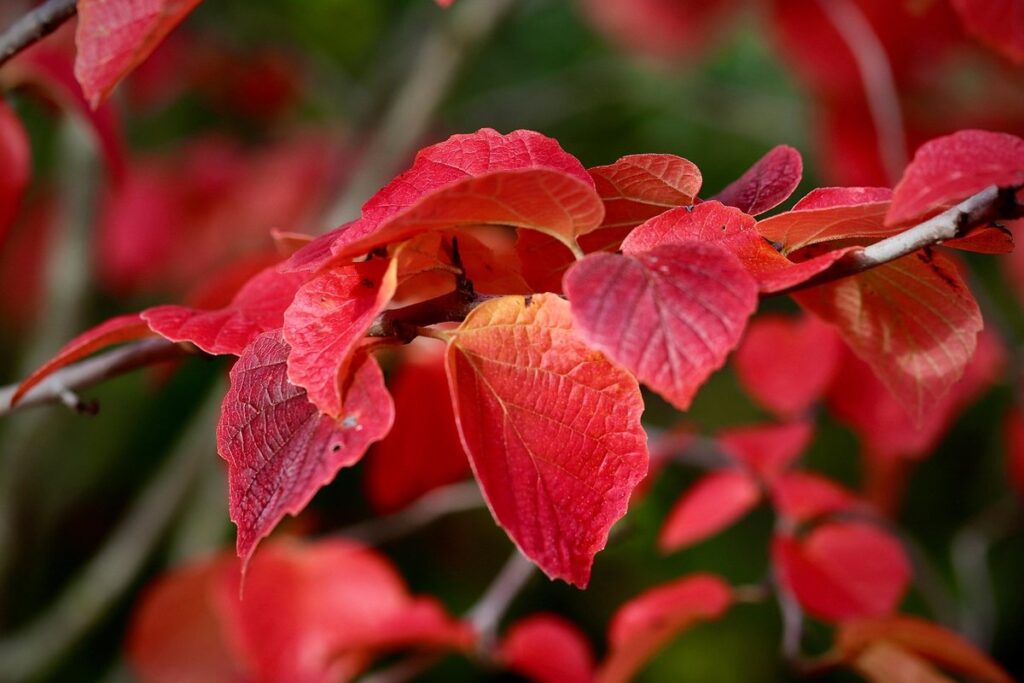
Understanding the Importance of Red Foilage Plants
When it comes to adding color and vibrancy to your garden, understanding the importance of red foliage plants is crucial for making informed decisions about their selection and care. Let’s dive into what makes these plants so valuable.
Why Add Color to Your Garden with Red Foilage?
Adding color to your garden with red foliage plants is a game-changer for any outdoor space. Not only do they bring vibrancy and energy, but they also serve as a magnet for pollinators like bees and butterflies. Imagine sipping coffee on your backyard patio while surrounded by the gentle hum of these beneficial visitors flitting from plant to plant.
Red foliage plants create visual interest in your garden, especially during the off-season when other flowers may be dormant. Consider adding a pop of color with plants like coleus, red-leafed maple trees, or even certain varieties of succulents like Echeveria. These easy-to-grow additions will bring an instant boost to your garden’s aesthetic.
To maximize the benefits, choose a mix of low-maintenance and high-impact plants that complement each other in terms of color, texture, and growth habits. For instance, pair tall red-leaved grasses with compact succulents or shrubs with trailing vines to create a layered look.
What is Red Foilage, and How Does it Differ from Regular Leaves?
When leaves turn red or purple, it’s often due to an increase in anthocyanin production. This powerful antioxidant is responsible for the vibrant colors we see in many foliage plants. Anthocyanins are produced as a natural defense mechanism against stressors like extreme temperatures, drought, and disease. As a result, leaves may develop red or purple hues as they try to protect themselves from harm.
This phenomenon can affect growth patterns and maintenance needs. For instance, some red-leafed varieties may require more frequent watering due to their increased sensitivity to drought conditions. On the other hand, others might benefit from cooler temperatures to enhance anthocyanin production. Understanding these characteristics will help you choose the right plants for your garden and provide the best care possible.
In terms of growth, red-leaved plants can be more susceptible to pests and diseases due to their increased visibility. However, this also makes them easier to monitor for potential issues. Regularly inspecting your plants for signs of stress or damage will allow you to address problems early on and prevent further complications.
Selecting the Right Red Foilage Plants for Your Garden
When choosing red foliage plants, selecting the right ones for your garden can be overwhelming with so many options available. Let’s explore some factors to consider when making this decision.
Choosing Between Native and Non-Native Species
When selecting red foliage plants for your garden, one of the most important decisions you’ll make is whether to choose native species or non-native ones. This decision can have a significant impact on your garden’s health and the local ecosystem.
Consider your region’s climate and soil type when deciding between native and non-native red foliage plants. For example, if you live in an area with hot summers and mild winters, a plant like ‘Red Prince’ Weigela may thrive in your garden. However, if you’re located in a cooler region with acidic soils, a native species like the American Cranberry (Vaccinium macrocarpon) would be a better choice.
Another crucial factor to consider is the potential for invasive species. Some non-native plants can outcompete native species for resources, alter ecosystems, and even harm local wildlife. Research your chosen plant thoroughly to ensure it won’t become a problem in your area. For instance, some popular red foliage plants like Japanese Maples (Acer palmatum) can be invasive in certain regions, so make sure to choose cultivars that are bred to be sterile or contain other control measures.
Popular Types of Red Foilage Plants for Gardens
When it comes to adding a pop of color to your garden with red foliage plants, you have a variety of options to choose from. One popular choice is the Coleus plant, which boasts vibrant red leaves that can add a dramatic touch to any landscape. These tropical plants are relatively easy to care for and require well-draining soil and full sun to partial shade. They’re perfect for containers or hanging baskets and come in a range of colors, including red, pink, and purple.
Another great option is the Red Maple tree, which offers stunning red foliage throughout the growing season. These trees prefer well-drained soil and full sun, but can tolerate some shade. Be sure to choose a variety that’s suitable for your climate zone and provide regular watering and fertilization to keep its leaves looking their best.
If you’re looking for something a bit more low-maintenance, consider the Red Coral Sedum. This succulent plant has beautiful red leaves with a delicate, coral-like texture. It prefers well-draining soil and full sun, but can tolerate some neglect if you forget to water it from time to time.
Planting and Caring for Red Foilage Plants
To get your red foliage garden off to a strong start, let’s dive into the basics of planting and caring for these stunning plants. Proper care will ensure their vibrant leaves shine all season long.
Preparing the Soil for Red Foilage Plants
When it comes to growing red foliage plants, preparing the soil is just as important as choosing the right plant. The ideal pH level for most red foliage plants ranges from slightly acidic to neutral (6.0-7.0). If your soil is too alkaline or acidic, it can lead to nutrient deficiencies and affect the color intensity of the leaves.
To test your soil’s pH level, you can purchase a DIY testing kit or send a sample to a laboratory for analysis. Based on the results, you may need to add lime (to raise pH) or sulfur (to lower pH) to adjust the levels. Red foliage plants generally require well-draining soil with a mix of organic matter and fertilizers.
For example, some red foliage plants like Coleus thrive in slightly acidic soils (pH 6.0-6.5), while others like Coral Bells prefer neutral to slightly alkaline conditions (pH 7.0-8.0). Keep in mind that over-fertilizing can cause more harm than good, so it’s essential to balance nutrient levels and use slow-release fertilizers. By ensuring your soil meets the right pH level and nutrient requirements, you’ll set your red foliage plants up for success.
Watering and Fertilizing Red Foilage Plants
When it comes to watering and fertilizing red foliage plants, it’s essential to strike the right balance. Over-watering can lead to root rot and other problems, while under-watering can cause leaves to wilt and lose their vibrant color.
A good rule of thumb is to water your red foliage plants when the top 1-2 inches of soil feels dry to the touch. Avoid getting water on the leaves themselves, as this can cause them to develop brown spots or become discolored. Instead, water at the base of the plant, allowing the moisture to soak into the soil.
As for fertilizing, red foliage plants need a balanced diet of nutrients to thrive. A 10-10-10 fertilizer is a good starting point, but you may also want to consider adding a fertilizer specifically formulated for acid-loving plants (such as coleus or begonias). Apply fertilizer at the recommended rate and frequency, taking care not to over-fertilize, which can cause more harm than good.
Some popular fertilizers for red foliage plants include Miracle-Gro and Espoma Organic. Always follow the instructions on the label and take any necessary safety precautions when handling chemicals. By watering and fertilizing your red foliage plants with care, you’ll be rewarded with a vibrant display of colorful leaves all season long.
Design Ideas for Showcasing Red Foilage Plants
Now that you have your beautiful red foilage plants, let’s dive into some creative design ideas to showcase their vibrant colors and add a pop of personality to your garden.
Combining Red Foilage with Other Plant Types
When combining red foliage plants with other types of plants, the key is to create a visually appealing balance that showcases their vibrant colors. A great starting point is to pair red foliage plants with those that complement their intense hues. For instance, pairing a bright red coleus with a neutral-toned succulent or a pale green fern creates a harmonious contrast.
Consider combining red foliage plants with plants of different textures and growth habits to add depth to your arrangement. A burgundy-leafed begonia can be paired with a trailing ivy or a compact shrub, creating an interesting visual dynamic. Conversely, grouping similar-sized red foliage plants together can create a striking focal point in the garden.
Incorporating contrasting colors like blue, purple, and yellow can also help to create visually appealing combinations. For example, pairing a crimson-leaved plant with a soft blue delphinium or a bright yellow daisy creates a dynamic color palette that’s sure to draw attention.
Using Red Foilage in Containers and Hanging Baskets
When it comes to showcasing red foliage plants, containers and hanging baskets offer a perfect opportunity to add a pop of color to your outdoor space. Not only do they provide an ideal setting for these vibrant plants, but also allow you to create visually appealing arrangements that can be easily moved or rearranged as needed.
To get started, choose containers with good drainage holes to prevent waterlogged soil, which can lead to root rot and other issues. Select a plant that’s suitable for the container size and consider a mix of textures and heights to add depth to your arrangement. For example, pair a compact red-leafed succulent like Echeveria with a trailing Begonia or Coleus to create a dynamic display.
Remember to provide sufficient sunlight and water according to each plant’s needs, taking into account the container size and soil mix. Regular pruning will also help maintain shape and encourage healthy growth. With proper care, your red foliage plants in containers and hanging baskets will thrive and add a splash of color to your garden or patio all season long.
Common Pests and Diseases Affecting Red Foilage Plants
When it comes to maintaining a vibrant red foliage garden, recognizing common pests and diseases is crucial to prevent damage and keep your plants thriving. We’ll take a closer look at some of the most prevalent issues to watch out for.
Identifying and Managing Common Issues
When it comes to enjoying the vibrant beauty of red foliage plants, it’s essential to be aware of the common pests and diseases that can affect them. Pests like aphids, whiteflies, and spider mites are often attracted to the sweet sap of these plants, causing curled or distorted leaves. To identify these issues, look for sticky honeydew droplets on the leaves or stems, which can also attract ants.
Diseases such as root rot, leaf spot, and powdery mildew can be caused by overwatering, poor air circulation, or high humidity. Signs of disease include yellowing or blackening leaves, soft or mushy stems, or a white, powdery coating on the leaves.
To manage pest and disease issues, maintain good garden hygiene by removing weeds, debris, and infested plant parts. Use neem oil or insecticidal soap to control pests, and treat fungal diseases with fungicides specifically labeled for use on red foliage plants. Regularly inspect your plants, and take prompt action to prevent the spread of problems.
Monitor the weather and adjust watering schedules accordingly to avoid overwatering. By staying vigilant and taking proactive steps, you can enjoy your beautiful red foliage plants while minimizing their exposure to pests and diseases.
Organic and Chemical Controls for Pest Management
When it comes to maintaining healthy red foliage plants, effective pest management is crucial. Both organic and chemical controls can be used to manage pests and diseases, but it’s essential to understand the pros and cons of each method before making a decision.
Organic controls involve using natural substances to control pests and diseases. For example, neem oil, insecticidal soap, and horticultural oil are popular choices for managing soft-bodied insects like aphids and whiteflies. These products work by suffocating or dehydrating the pest, ultimately leading to its demise. Organic controls also include introducing beneficial insects, such as ladybugs and lacewings, which feed on pests that harm your red foliage plants.
Chemical controls, on the other hand, involve using synthetic pesticides to control pests and diseases. While effective in managing severe infestations, chemical controls can be toxic to humans, pets, and beneficial insects if not used properly. Examples of chemical controls include pyrethrin sprays and systemic insecticides that can provide long-lasting protection.
When deciding between organic and chemical controls, consider the severity of the infestation and the potential impact on your red foliage plants and surrounding ecosystem. If possible, opt for organic controls first, as they are generally safer for people, pets, and the environment.
Tips for Extending the Color Season with Red Foilage Plants
Adding a pop of color to your garden beyond fall is definitely possible, and I’m excited to share my top tips for extending the color season with red foliage plants.
Choosing Perennials Over Annuals
When it comes to selecting red foliage plants, one of the most important decisions you’ll make is whether to choose perennials or annuals. While annuals can provide a quick burst of color, they often require more frequent replacement and can be more expensive in the long run. Perennials, on the other hand, offer several advantages that make them a great choice for gardeners looking to add red foliage plants to their landscape.
One of the primary benefits of perennials is cost savings. Because they come back year after year, you won’t need to replant or replace them as frequently as you would with annuals. This can save you money on seeds, seedlings, and other gardening supplies. Additionally, perennials often require less maintenance than annuals, which means you’ll spend less time pruning, watering, and fertilizing.
Some popular perennial options for red foliage include plants like Coral Bells (Heuchera), Red Maple (Acer rubrum), and Wine & Roses Weigela. These plants are not only beautiful, but they’re also relatively low-maintenance and can thrive in a variety of conditions. By choosing perennials over annuals, you’ll be able to enjoy the beauty of red foliage for years to come without breaking the bank or sacrificing too much time to maintenance.
Using Mulch and Other Techniques to Preserve Leaf Color
When it comes to preserving the vibrant leaf color of red foliage plants throughout the growing season, proper care and maintenance are crucial. One effective technique is mulching around the base of the plants. Mulch helps retain moisture in the soil, suppress weeds that can compete for nutrients, and regulate soil temperature. This can help prevent scorching or browning of leaves due to extreme temperatures.
To get the most out of mulching, use a 2-3 inch layer of organic mulch such as wood chips, bark, or pine straw around the base of your red foliage plants. Avoid piling mulch against the stem of the plant, as this can lead to moisture retention and potential rot. Additionally, regular watering, fertilization, and pruning can also help maintain the health and color intensity of your red foliage plants.
Pruning involves removing any dead or damaged leaves, which can not only enhance appearance but also promote healthy growth. Regular feeding with a balanced fertilizer during the growing season will provide essential nutrients for optimal leaf color and overall plant health.
Conclusion: Creating a Vibrant Red Foilage Garden
As you’ve explored the wonderful world of red foilage garden plants, it’s time to bring your vision to life. Creating a vibrant red foliage garden is easier than you think, and with these final tips, you’ll be well on your way to a stunning display of color. Remember to choose a mix of low-maintenance plants like coleus and red-leaved lettuce, alongside more dramatic choices like red-veined phlox or crimson-tinged hollyhocks. Don’t forget to consider the mature size of each plant and leave enough space for them to spread out and thrive.
To add an extra pop of color, incorporate bold containers or a statement piece of garden art. With proper care, including regular watering, pruning, and fertilizing, your red foilage garden will be a lush oasis that brings joy to you and your visitors all season long.
Frequently Asked Questions
Can I use red foliage plants in indoor spaces, such as a sunroom or office?
Yes, many red foliage plants can thrive indoors, provided they receive sufficient light. Consider using compact varieties like coleus or burgundy ferns to add a pop of color to your interior space.
How do I protect my red foliage plants from extreme temperatures and frost damage?
When choosing red foliage plants for outdoor spaces in colder climates, select hardy species that can withstand moderate frosts. Mulch around the base of the plants to retain warmth and protect against temperature fluctuations.
Can I grow multiple types of red foliage plants together in a single container or bed?
Yes, combining different varieties can create a visually stunning display. Just ensure you provide sufficient space for each plant’s root system to grow, and water accordingly based on their individual needs.
What are some organic pest control methods that can be used against pests like aphids and spider mites that target red foliage plants?
Use neem oil or insecticidal soap to combat common pests. Regularly inspect your plants for signs of infestation and take action promptly to prevent damage and promote a healthy, balanced ecosystem.
How can I maintain the vibrant color of my red foliage plants throughout the growing season?
Fertilize regularly with a balanced, water-soluble fertilizer. Deadheading spent flowers and pruning back overgrown stems will also help preserve the plant’s natural color intensity and encourage continued growth.