
As you gaze out at your property, wouldn’t it be wonderful to have a stunning display of colorful blooms that not only beautify your outdoor space but also attract local wildlife? Flowering orchard trees are an excellent way to achieve this goal. Not only do they add aesthetic value to your property, but they also provide a vital source of food and shelter for birds, bees, and butterflies.
In this article, we’ll guide you through the process of selecting, planting, and maintaining these gorgeous trees. We’ll cover the best varieties to choose from, essential care tips, and common challenges to watch out for. Whether you’re a seasoned gardener or just starting out, our expert advice will help you create a thriving ecosystem that benefits both your property’s value and the local wildlife.
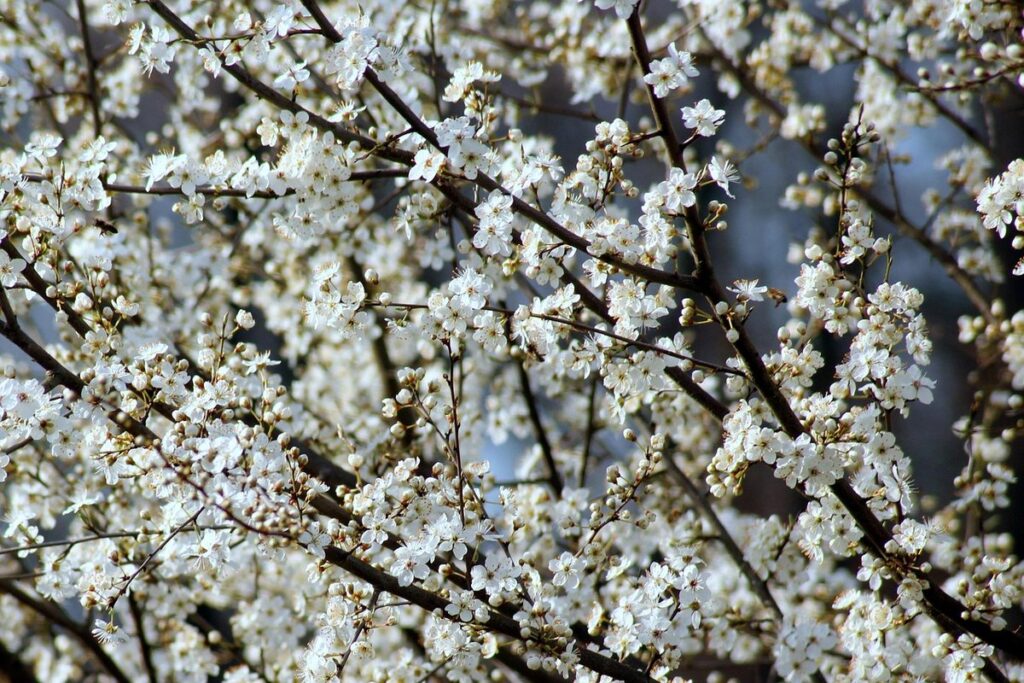
Types of Flowering Orchard Trees
When it comes to choosing a flowering orchard tree, there are several types to consider. From show-stopping crabapples to elegant cherry blossoms, each has its own unique charm and characteristics.
Deciduous vs. Evergreen Options
When selecting flowering orchard trees, one crucial decision is whether to choose deciduous or evergreen options. Deciduous trees, such as the ornamental crabapple (Malus spp.) and flowering pear (Pyrus calleryana), drop their leaves seasonally, typically in fall. This characteristic can be beneficial for air circulation and sunlight penetration into the orchard.
Evergreen trees, on the other hand, like the flowering cherry (Prunus serrulata) and Japanese apricot (Prunus mume), retain their foliage year-round. Evergreens tend to provide a constant visual appeal but may require more pruning to maintain shape and promote healthy growth.
Consider your specific climate and orchard conditions when deciding between deciduous and evergreen options. Deciduous trees often prefer full sun, while evergreens can tolerate partial shade. Keep in mind that both types of trees require regular maintenance, including watering, fertilizing, and pest management.
Popular Varieties of Flowering Orchard Trees
When it comes to flowering orchard trees, there are numerous varieties to choose from, each with its own unique characteristics and benefits. Let’s take a closer look at some of the most popular types.
Cherry blossoms (Prunus serrulata) are one of the most iconic and sought-after varieties, thanks to their stunning pink or white blooms that typically last for 2-4 weeks in late March to early April. These trees prefer well-drained soil and full sun, but they can be relatively compact, growing up to 20-30 feet tall.
Apple blossoms (Malus domestica) are another favorite among gardeners, with a range of cultivars offering varying bloom times from February to May. They typically require more space than cherry blossoms, growing up to 30-40 feet tall, but their vibrant pink or white flowers make them a beautiful addition to any orchard.
Plum blossoms (Prunus mume) are often overlooked but offer stunning white or pale pink blooms in late winter to early spring. They prefer full sun and well-drained soil, growing up to 20-30 feet tall.
When selecting flowering orchard trees, consider factors such as bloom period, size requirements, and maintenance needs to ensure they thrive in your specific climate and environment.
Benefits of Planting Flowering Orchard Trees
When you plant a flowering orchard tree, you’re not just adding beauty to your landscape – you’re also gaining numerous benefits for yourself and the environment. Let’s explore what those advantages are.
Aesthetic Appeal and Property Value
When you plant flowering orchard trees on your property, you’re not just investing in their beauty – you’re also making a savvy decision that can boost the aesthetic appeal and value of your home. The vibrant blooms that these trees produce are a feast for the eyes, filling the air with sweet fragrances and attracting pollinators to your garden.
But it’s not just about looks; flowering orchard trees can provide valuable shade during the hottest summer months. Imagine relaxing under their leafy canopy on a warm day, or enjoying an alfresco dinner with family and friends. The shade they offer also helps reduce energy consumption by keeping your home cooler, which can lead to lower utility bills.
Many varieties of flowering orchard trees are also fruit-producing, adding another layer of benefit to your property. Imagine harvesting fresh apples, peaches, or nectarines from your own backyard – it’s a unique experience that will delight both you and your guests. By incorporating flowering orchard trees into your landscape design, you can create a stunning and functional space that enhances your quality of life and increases the value of your home.
Ecological Importance and Wildlife Habitat Creation
Flowering orchard trees play a vital role in supporting local wildlife and pollination. As they bloom, they provide a rich source of nectar and pollen for bees, butterflies, and other pollinators, which are essential for the reproduction of many plant species.
In addition to their contribution to pollination, flowering orchard trees also offer food and shelter to various bird species. The fruit produced by these trees is an important component of many birds’ diets, while the branches and leaves provide a habitat for them to nest and roost.
By incorporating flowering orchard trees into your landscape, you can create a haven for local wildlife. To maximize their ecological benefits, choose tree varieties that are native to your region and plant multiple species to attract a diverse range of pollinators. Regular maintenance tasks like pruning and watering will also help maintain the health and vitality of these trees, ensuring they continue to thrive and support the local ecosystem.
By planting flowering orchard trees, you’re not only enhancing the aesthetic appeal of your property but also contributing to the well-being of your community’s wildlife population.
Planting and Caring for Flowering Orchard Trees
When planting your flowering orchard trees, it’s essential to consider factors such as soil type and sunlight requirements to ensure their optimal growth. Here are some tips on planting and caring for these beautiful trees.
Choosing the Right Location and Soil Conditions
When it comes to planting flowering orchard trees, selecting the right location is crucial for their health and productivity. One of the most important factors to consider is sunlight exposure. Most flowering orchard trees require full sun to partial shade, so choose a spot that receives at least six hours of direct sunlight per day.
Another critical consideration is drainage. Flowering orchard trees don’t like wet feet, so ensure your soil drains well and doesn’t retain excess water. If you have heavy clay or poorly draining soil, consider raising the bed to improve air circulation and prevent root rot.
Soil type is also essential for flowering orchard tree health. Choose a location with fertile, well-draining soil that’s rich in organic matter. A pH between 6.0 and 7.0 is generally suitable for most species. If your soil is heavy clay or sandy, amend it with compost or well-rotted manure to create a more balanced mix.
For example, if you’re planting a flowering cherry tree (Prunus serrulata), choose a location with full sun and fertile, slightly acidic soil. By considering these factors, you’ll set your flowering orchard trees up for success and ensure they thrive in their new home.
Watering and Fertilization Needs
When it comes to flowering orchard trees, proper watering and fertilization are crucial for their growth and blooming. The frequency of watering depends on factors like climate, soil type, and tree age. As a general rule, newly planted trees require more water during the first year, especially during hot summer months. A mature tree, on the other hand, needs regular watering but not as frequently.
It’s essential to establish a regular care routine for your flowering orchard tree. Water your tree deeply once or twice a week, depending on weather conditions. Avoid overwatering, which can lead to root rot and other issues. For fertilization, choose a balanced fertilizer that contains nitrogen, phosphorus, and potassium (NPK). Follow the manufacturer’s instructions for application rates.
In addition to regular watering and fertilizing, consider soil testing to determine if your tree needs any additional nutrients. Mulching around the base of the tree also helps retain moisture and suppress weeds. By following these simple care tips, you’ll be well on your way to enjoying vibrant blooms from your flowering orchard tree year after year.
Common Challenges and Pests Affecting Flowering Orchard Trees
When growing flowering orchard trees, you’ll likely encounter some common challenges that can affect their health and beauty. We’ll cover these issues to help you anticipate and tackle them effectively.
Disease Management and Prevention
Flowering orchard trees are susceptible to various diseases that can significantly impact their health and productivity. One of the most common issues is powdery mildew, a fungal disease that appears as a white, powdery coating on leaves. This can be caused by high humidity, poor air circulation, or excess moisture around the tree. To prevent powdery mildew, ensure good air circulation around your trees and avoid overwatering.
Another issue is root rot, which occurs when roots are exposed to waterlogged conditions. This can be caused by heavy rainfall, irrigation issues, or poor soil drainage. Root rot can weaken the tree’s defenses and make it more susceptible to other diseases. To manage root rot, improve soil drainage around your trees by incorporating organic matter like compost or well-rotted manure.
Regular inspections and prompt action are key to managing these diseases effectively. Keep an eye out for signs of disease and take immediate action if you notice any issues.
Integrated Pest Management (IPM) Techniques
When it comes to maintaining the health of flowering orchard trees, integrated pest management (IPM) techniques are essential for controlling common pests like aphids, codling moths, and spider mites. IPM is a holistic approach that combines monitoring, cultural controls, and biological controls to minimize harm to both people and the environment.
Monitoring involves regularly inspecting your trees for signs of pests or disease. This can include checking for eggs, larvae, or actual insects on leaves, stems, or fruit. By catching issues early, you can prevent infestations from getting out of hand. Cultural controls, such as pruning, watering, and fertilizing, can also help deter pests by maintaining tree health.
Biological controls involve using beneficial insects to combat pest problems. For example, introducing ladybugs or lacewings to your orchard can help control aphid populations naturally. These beneficial insects prey on the pests you want to eliminate, reducing the need for chemical pesticides.
Practical tips include:
* Regularly inspecting your trees for signs of pests
* Pruning and maintaining tree health through proper watering and fertilization
* Introducing beneficial insects like ladybugs or lacewings to control pest populations
By adopting an IPM approach, you can maintain a balanced ecosystem in your orchard while minimizing harm to both the environment and people.
Propagation and Pruning Techniques
To keep your flowering orchard trees healthy and thriving, you’ll want to learn how to propagate new plants and prune existing ones correctly. We’ll walk through these essential techniques together.
Grafting and Budding Methods
Grafting and budding are two popular methods used to propagate flowering orchard trees. Grafting involves joining a piece of stem (scion) from one tree onto the root system of another tree (rootstock), while budding involves inserting a single bud from one tree into the stem of another.
The benefits of grafting and budding include the ability to combine the desirable qualities of different trees, such as disease resistance or improved fruit quality. For example, you can graft a flowering cherry branch onto a sturdy rootstock to create a beautiful and resilient tree. However, grafting and budding can be challenging, especially for beginners. It requires careful matching of scion and rootstock, and the grafted area must be protected from drought and extreme temperatures.
If done correctly, these techniques can result in faster growth rates and increased yields compared to traditional seed propagation methods.
Pruning Strategies for Optimal Bloom and Growth
When it comes to pruning flowering orchard trees, understanding the right strategies is crucial for promoting optimal bloom and growth. Pruning not only helps maintain tree shape and size but also encourages blooming, which is essential for their overall health and beauty.
The first step in pruning is to remove any dead, diseased, or damaged branches. This not only prevents the spread of disease but also promotes healthy growth by directing energy towards growing new tissue. Next, focus on thinning out the center of the tree to allow sunlight to penetrate and promote even growth. Remove select branches that are crossing or rubbing against each other to maintain a balanced structure.
When pruning for blooming, consider cutting back branches just after they finish flowering in the spring. This encourages branching and promotes more blooms in subsequent years. For trees like cherry blossoms and crabapples, prune around 25-30% of the tree’s canopy annually to encourage robust growth and maximize blooming potential. By following these pruning principles, you’ll be well on your way to cultivating a lush, thriving flowering orchard tree that brings joy and beauty to your landscape for years to come.
Seasonal Care and Maintenance
To keep your flowering orchard tree thriving, let’s talk about some essential seasonal care tasks to perform throughout the year. These simple steps will make a big difference in its health and appearance.
Spring and Summer Care Tasks
As we approach spring and summer, flowering orchard trees require some TLC to maintain their vibrancy and health. One of the most crucial tasks is fertilization. Feed your trees with a balanced fertilizer (10-10-10 NPK) in early spring, following the manufacturer’s instructions for application rates. This will provide essential nutrients like nitrogen, phosphorus, and potassium that promote healthy growth.
Mulching around the base of your trees helps retain moisture, suppress weeds, and regulate soil temperature. Apply a 2-3 inch layer of organic mulch (like wood chips or bark) in spring, keeping it a few inches away from the trunk to prevent rot. Regularly replenish the mulch as it breaks down.
Pest management is also vital during these seasons. Inspect your trees regularly for signs of pests like aphids, codling moths, and scale. Use organic or integrated pest management methods whenever possible, such as introducing beneficial insects or applying targeted insecticides. Keep an eye out for diseases like powdery mildew and black knot, which can be treated with fungicides if caught early.
Remember to also provide your trees with adequate water during dry spells, especially when they’re producing fruit or flowers. Aim for about 1 inch of water per week from rainfall or irrigation. By following these spring and summer care tasks, you’ll be well on your way to growing thriving flowering orchard trees that bring joy and beauty to your landscape.
Autumn and Winter Preparation
As winter approaches, it’s essential to prepare your flowering orchard trees for the harsh weather conditions ahead. One of the most critical tasks is pruning. Pruning not only helps maintain the tree’s shape and size but also encourages new growth in the spring. Remove any dead, diseased, or damaged branches to prevent the spread of disease and encourage healthy growth.
In addition to pruning, protect your trees from extreme temperatures by wrapping their trunks with insulation material like burlap or foam. This will help regulate their internal temperature and prevent damage from frost. If you live in an area prone to heavy snowfall, consider installing a snow stake to secure the tree’s branches and prevent breakage.
During the dormant season, it’s crucial to continue caring for your trees by watering them regularly. Although they’re not actively growing, they still need moisture to survive the winter months. Fertilizing at this time can also promote healthy growth come springtime.
Frequently Asked Questions
How do I ensure my flowering orchard trees thrive in different climates?
Ensure your trees are properly adapted to your local climate by choosing varieties that are known to perform well in your region’s specific temperature, humidity, and sunlight conditions. Consult with a local nursery or extension office for guidance on selecting suitable tree species.
Can flowering orchard trees be grown in containers?
Yes, many flowering orchard tree varieties can thrive in large containers, provided they receive sufficient sunlight and nutrients. However, consider the mature size of the tree and choose a container that will accommodate its root system as it grows.
How do I prevent disease and pests from affecting my flowering orchard trees?
Implement Integrated Pest Management (IPM) techniques by monitoring your trees regularly for signs of disease or pest infestation. Use organic or chemical controls as needed, but always follow the recommended application rates to avoid harming beneficial wildlife or damaging the environment.
Can I plant multiple species of flowering orchard trees together?
Yes, planting a diverse range of tree species can create a thriving ecosystem that attracts a wider variety of wildlife and adds aesthetic appeal to your property. Choose varieties that have similar growing conditions and space requirements to ensure they coexist harmoniously.
What is the ideal time for pruning my flowering orchard trees?
Prune your trees during their dormant season, typically in late winter or early spring, to minimize stress on the tree and promote healthy growth. Regular pruning will help maintain shape, encourage blooming, and prevent disease from taking hold.