
Edging plants are more than just a decorative touch for your garden – they’re also a crucial element in creating visually appealing borders that add definition, texture, and color to your outdoor space. But with so many types of edging plants available, it can be overwhelming to choose the right ones for your garden. In this article, we’ll explore the benefits and care requirements of different types of edging plants, from low-maintenance groundcovers to flowering perennials. We’ll also cover how to design with edging plants to create stunning borders that complement your garden’s unique style and architecture. Whether you’re a seasoned gardener or just starting out, we’ll provide practical tips on how to choose, plant, and maintain these versatile plants, so you can bring your garden vision to life.
What Are Edging Plants?
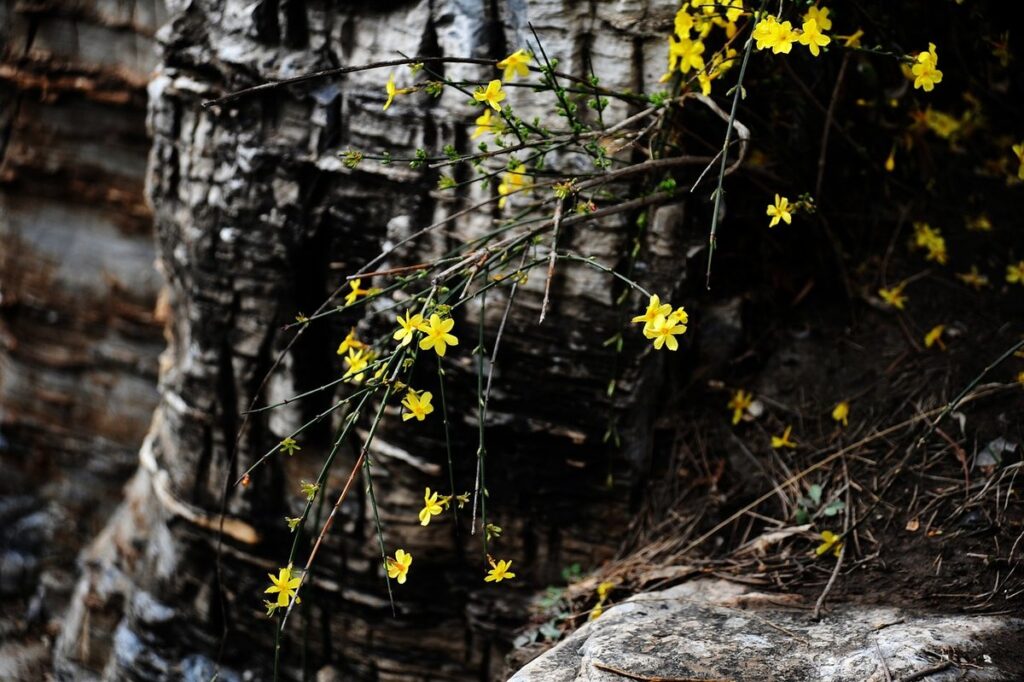
Edging plants are those that grow along a garden’s border, serving as a visually appealing and functional barrier to define different areas of your outdoor space. They come in various shapes, sizes, and styles to suit any garden design.
Benefits of Using Edging Plants
Using edging plants is a great way to enhance the look and functionality of your garden’s borders. Not only do they add visual appeal by creating a clear distinction between different areas of your garden, but they also serve as a natural barrier that helps prevent weeds from growing into your carefully manicured lawn or beds.
One of the most significant benefits of using edging plants is their ability to define boundaries. They create a clean and tidy appearance, making it easier to maintain your garden and preventing overgrowth into adjacent areas. This is especially important if you have a large garden with multiple sections, as edging plants help keep everything organized and easy to navigate.
In addition to defining boundaries, edging plants also prevent weed growth by creating a physical barrier that weeds cannot penetrate. By planting edging plants around the perimeter of your garden beds or lawn, you can significantly reduce the need for weeding and herbicides, making gardening more sustainable and environmentally friendly.
Types of Edging Plants
When it comes to choosing edging plants, you have a wide variety of options to consider. Let’s break down some of the most popular types of edging plants and their unique characteristics.
Grasses are an excellent choice for edging due to their versatility and ability to thrive in various conditions. Ornamental grasses like pampas grass and fountain grass add texture and movement to your garden borders, while also providing a natural barrier against weeds and soil erosion. They’re relatively low-maintenance and can be pruned back in the spring to maintain shape.
Flowers are another popular option for edging plants, offering a pop of color and vibrancy to your garden’s borders. Succulents like sedum and creeping juniper are perfect for areas with poor soil or full sun, while flowering perennials like coneflowers and black-eyed Susans provide a continuous display of blooms throughout the growing season.
Shrubs and trees can also be used as edging plants, providing structure and year-round interest to your garden. Dwarf shrubs like boxwood and lavender are ideal for small gardens or hedges, while ornamental trees like Japanese maples and flowering cherries offer stunning foliage and bloom displays.
Ultimately, the type of edging plant you choose will depend on your specific climate, soil conditions, and personal preferences. By selecting plants that thrive in your environment, you’ll ensure a healthy and thriving garden border that requires minimal maintenance.
Choosing the Right Edging Plants for Your Garden
When it comes to selecting the perfect edging plants, you need to consider factors such as climate, soil type, and desired level of maintenance. This section will walk you through these essential considerations.
Climate Considerations
When selecting edging plants for your garden, it’s essential to consider the local climate and its effects on plant growth. Temperature is a crucial factor in choosing the right edging plants. For example, if you live in an area with extremely high temperatures, opt for plants that are heat-tolerant, such as Lantana or Zinnia. Conversely, in cooler climates, choose plants like Boxwood or Wintergreen, which thrive in milder conditions.
Sunlight is another critical consideration. Plants that require full sun (six hours of direct sunlight) won’t do well in areas with partial shade or intense afternoon sun. Look for edging plants like Sedum or Creeping Thyme that can tolerate a range of light conditions. Moisture requirements also vary among edging plants. Some, like Vinca minor, prefer moist soil, while others, such as Succulents, are drought-tolerant. Research the specific climate and microclimate in your garden to ensure you choose edging plants that will thrive with minimal maintenance. By considering these factors, you can create a harmonious and resilient border that complements your garden’s unique conditions.
Soil Type and pH Requirements
When it comes to choosing edging plants, matching their soil type and pH requirements is crucial for their survival and optimal growth. Most gardens have a specific soil composition, and it’s essential to select plants that can thrive in these conditions.
Soil pH levels can range from acidic (pH 0-6.9) to alkaline (pH 7.1-14), and each plant has its preferred pH range. For example, rhododendrons and azaleas prefer a slightly acidic soil with a pH between 5.5 and 6.5, while plants like succulents and cacti can tolerate high alkalinity.
To ensure your chosen edging plants are happy in their new home, take a sample of your garden’s soil to determine its pH level and composition. You can also test the pH using a DIY kit or consult with a local nursery expert. Once you have this information, select plants that match your garden’s conditions. If necessary, amend the soil with organic matter like compost to bring it closer to the plant’s preferred range.
Some edging plants are adaptable to a wide pH range, making them ideal for gardens with varying soil types. These include plants like boxwood, yew, and holly. However, always check the specific requirements of each plant variety to ensure optimal growth.
Popular Edging Plant Options
When it comes to choosing the perfect edging plant, you have a vast array of options to consider. From low-maintenance succulents to vibrant flowering shrubs, we’ll highlight some of our top picks.
Flowering Edges
Flowering edges can add a pop of color and fragrance to your garden’s borders. Among popular flowering edging plant options are lavender, rosemary, and boxwood. These low-maintenance plants are perfect for adding texture and beauty to your outdoor space.
Lavender is an excellent choice for its drought-tolerant nature and delicate purple blooms. To ensure its optimal growth, water it regularly during the first year, but avoid overwatering in subsequent years. Prune lavender after blooming to encourage new growth and promote a fuller shape.
Rosemary is another popular flowering edging plant option, known for its silvery-green foliage and blue flowers. It thrives in well-drained soil and full sun conditions. To keep rosemary healthy, fertilize it lightly during the growing season and trim back leggy branches regularly.
Boxwood is an evergreen shrub that provides year-round interest with its small white or pink flowers. It prefers moist, fertile soil and partial shade to full sun conditions. To maintain its shape, prune boxwood regularly, removing any dead or damaged branches.
When incorporating these flowering edging plants into your garden design, consider their mature size and growth habits to ensure a balanced look.
Grass Edges
Grasses can be an attractive and low-maintenance option for edging plants. They come in various textures and colors, from soft, feathery plumes to bold, upright stems. However, using grasses as edging plants also presents some challenges.
One key consideration is that many grass species are invasive or can spread quickly beyond their designated area. This can lead to unintended consequences, such as crowding out other plants or creating a uniform look. To avoid this issue, choose non-invasive grass varieties and contain them with a physical barrier or regular pruning.
In terms of maintenance requirements, grasses typically need less care than shrubs or flowers. They require occasional watering, fertilization, and mowing during the growing season. However, some grass species may require more frequent division to prevent clumping or dieback. Be sure to research specific needs for your chosen variety to ensure a healthy and well-manicured edging.
Designing with Edging Plants
When it comes to creating visually appealing garden borders, the right edging plants can make all the difference. Let’s explore how to choose and use them effectively in your design.
Creating a Focal Point
When it comes to creating a focal point in your garden using edging plants, think about what you want to draw attention to. Is it a beautiful statue, a stunning water feature, or a vibrant flower bed? Edging plants can be used to frame and highlight these features, making them the star of the show.
To create a focal point with edging plants, consider the size and scale of the plants in relation to the feature you want to emphasize. For example, if you’re using tall, upright edging plants like ornamental grasses or shrubs, place them near a striking water feature or statue to create a dramatic effect. Alternatively, low-growing creeping edging plants can be used to highlight a colorful flower bed or garden path.
When selecting edging plants for your focal point, choose varieties with contrasting textures and colors that will create visual interest. For instance, pair a soft-textured ornamental grass with a flowering plant that has bold, bright blooms. This contrast will help draw the eye to the feature you want to highlight, creating a beautiful and balanced composition in your garden.
Edging Plant Combinations
When it comes to creating a stunning garden border, combining different types of edging plants is an art that requires some planning and creativity. A well-planned combination can add texture, color, and interest to your garden’s edges, while a poorly chosen mix can lead to a messy and uninviting look.
To achieve a cohesive look, it’s essential to consider the growth habits, foliage textures, and bloom times of different edging plants. For example, pairing low-growing groundcovers like thyme or sedum with taller plants like coneflowers or black-eyed susans can create a visually appealing contrast. You can also combine plants with similar bloom colors or foliage shapes to create a harmonious look.
Here are some tips for combining different types of edging plants:
* Choose plants with varying growth habits, such as upright, spreading, and trailing varieties.
* Select plants with different texture combinations, like smooth-leaved and fuzzy-leaved plants.
* Consider the mature size of each plant and leave enough space for them to grow comfortably.
* Don’t forget to include a mix of flowering and foliage plants to add color and interest throughout the growing season.
Caring for Your Edging Plants
Now that you’ve chosen your edging plants, let’s move on to how to keep them looking their best all season long. Proper care is essential for their health and beauty.
Watering Requirements
Watering requirements can vary greatly depending on the type of edging plant you’ve chosen. Some plants, like succulents and sedums, have shallow roots that can tolerate drought but require more frequent watering to prevent overgrowth. On the other hand, plants with deeper root systems like ferns and hostas prefer consistent moisture levels throughout the growing season.
When it comes to frequency, as a general rule of thumb, water your edging plants when the top 1-2 inches of soil feels dry to the touch. However, this can vary depending on weather conditions – if you’re experiencing hot or dry spells, you may need to water more frequently. A good starting point is to water every 3-4 days during peak growing seasons and once a week during cooler months.
Some plants also have specific watering requirements based on their growth habits. For example, creeping thyme prefers well-draining soil and should be watered only when the top inch of soil feels dry. Similarly, plants with dense foliage like boxwood and holly require more frequent watering to prevent scorching.
Remember that overwatering is a common mistake when it comes to edging plants – so make sure to check the soil regularly before watering. By adjusting your watering schedule based on the specific needs of your edging plants, you can help them thrive in their new home.
Fertilization and Pruning
To keep your edging plants thriving, it’s essential to provide them with the right nutrients through fertilization. The frequency and type of fertilizer depend on the specific plant species and soil conditions. As a general rule, start by using a balanced, water-soluble fertilizer (10-10-10 NPK) during the growing season (spring-fall). Dilute it to half the recommended strength to avoid burning the roots.
For acid-loving plants like azaleas or hydrangeas, use an acidic fertilizer (ammonium sulfate or aluminum sulfate) in spring and summer. On the other hand, alkaline-tolerant plants like boxwoods or yew can benefit from a slow-release fertilizer during the growing season.
Regular pruning is also crucial to maintain your edging plant’s shape, promote healthy growth, and encourage blooming. Prune them when they’re dormant (winter) for shrubs, or right after flowering for perennials. Remove dead, diseased, or damaged branches, and cut back overgrown stems by about one-third.
For plants with a more intricate shape, like topiaries or hedges, prune in stages to avoid shocking the plant. Start with a light trim, then gradually reduce the height as needed.
Tips for Maintaining Edging Plants
To keep your edging plants looking their best, it’s essential to maintain them regularly, which involves tasks such as pruning and dividing. By following these tips, you’ll be able to enjoy vibrant borders year-round.
Seasonal Maintenance
To keep your edging plants looking their best throughout the year, it’s essential to perform seasonal maintenance tasks. In the spring, typically around late March or early April, consider planting new edging plants that have been dormant during the winter months. This is a great opportunity to add some fresh color and texture to your garden borders.
As the weather warms up in the spring, make sure to inspect your edging plants for any signs of damage from winter weather. Remove any dead or dying foliage to prevent the spread of disease and encourage healthy growth. You may also want to fertilize your edging plants at this time to give them a boost of nutrients.
In the fall, typically around September or October, it’s time to divide and replant existing edging plants that have become overcrowded. This will help maintain their shape and promote new growth. Be sure to water well after transplanting to minimize stress on the roots. By following this seasonal maintenance schedule, you’ll be able to keep your edging plants looking vibrant and healthy all year round.
Pest and Disease Control
Maintaining edging plants is not just about ensuring they receive adequate sunlight and water; it’s also crucial to keep an eye out for common pests and diseases that can quickly spread and damage your garden’s borders. To effectively control these issues, start by inspecting your plants regularly, particularly during peak growing seasons.
Some common pests to watch out for include aphids, slugs, snails, and caterpillars, which can be identified by their appearance or the damage they cause. For instance, aphids are small, soft-bodied insects that feed on plant sap, causing curled or distorted leaves. Slugs and snails, on the other hand, leave behind silvery trails on foliage as they eat.
To manage these pests, use a combination of physical barriers (such as copper tape to deter slugs) and organic pesticides like neem oil or insecticidal soap. Regularly clean up debris and weeds around your plants, which can attract pests, and keep an eye out for eggs and larvae in the soil.
Common diseases that affect edging plants include root rot, leaf spot, and powdery mildew, often caused by overwatering, poor air circulation, or fungal infections. To prevent these issues, ensure good drainage around your plants, prune regularly to promote air circulation, and treat any affected areas promptly with a fungicide.
In terms of practical advice, consider implementing integrated pest management (IPM) strategies that combine physical, cultural, biological, and chemical controls to minimize the use of pesticides and maintain a balanced ecosystem in your garden. By being proactive about monitoring for pests and diseases, you can reduce the risk of infestations and create a healthier environment for your edging plants to thrive.
Troubleshooting Common Edging Plant Problems
Don’t let pesky edging plant issues ruin your garden’s beauty. We’ll tackle common problems, from yellowing leaves to pest infestations, and provide practical solutions to get your borders thriving again.
Overgrown or Weedy Edges
When it comes to maintaining healthy edging plants, dealing with overgrown or weedy edges is an inevitable part of the process. These unwanted growths can quickly take over, compromising the appearance and integrity of your garden’s borders.
To tackle this issue, start by assessing the problem area. Identify the specific type of plant that’s causing the overgrowth – is it a fast-spreading grass, a vigorous shrub, or an invasive perennial? Knowing the culprit will help you choose the best solution.
Pruning is often the first line of defense against overgrown edges. Regularly trim back these plants to maintain their desired shape and size. However, be cautious not to over-prune, as this can lead to further stress on the plant and potentially create more problems down the line.
In some cases, replanting may be necessary. Consider replacing invasive species with more manageable alternatives that require less maintenance. For example, if you’re struggling with an aggressive grass, swap it out for a slower-growing groundcover like thyme or creeping juniper.
Edging Plant Failure
Edging plant failure can be disheartening, especially when you’ve invested time and resources into selecting and planting the perfect border. However, many common mistakes can lead to this issue. One primary cause is inadequate care. This includes neglecting watering schedules, failing to fertilize, or ignoring pruning needs. A typical example is when plants are watered sparingly during hot summer months, causing them to wilt and eventually die.
Another contributing factor is poor plant selection. Choosing edging plants that aren’t suited for your garden’s climate, soil type, or level of sunlight can lead to premature decline. For instance, planting tender perennials in an area with intense winter cold can result in dead or damaged plants come springtime.
To prevent these issues, it’s essential to assess your garden’s conditions before selecting edging plants. Consider factors like sun exposure, soil pH, and drainage patterns. Research the specific needs of each plant species you’re interested in, including their watering, fertilizing, and pruning requirements. With proper planning and care, you can create a beautiful and thriving border that enhances your garden’s appearance for years to come.
Frequently Asked Questions
Can I use edging plants to conceal unsightly garden features?
Yes, edging plants can be a great solution for hiding eyesores like irrigation pipes or other infrastructure. Choose plants that are dense and have a high growth rate to quickly cover the area.
How do I ensure my edging plants thrive in areas with poor soil conditions?
Edging plants require well-draining soil to prevent root rot, so consider adding organic matter like compost or mulch to improve soil structure and fertility. This will help your plants establish themselves and reduce maintenance needs.
What’s the best way to maintain a cohesive look when mixing different types of edging plants?
To create a harmonious landscape, choose edging plants with similar growth habits, textures, and colors. Grouping plants by light requirements can also help ensure they receive the right amount of sunlight for optimal growth.
Can I use groundcovers as a temporary solution while waiting for more permanent edging plants to mature?
Yes, low-maintenance groundcovers like thyme or creeping juniper are perfect for filling gaps in your garden until more permanent edging plants are established. These plants can be easily removed when the desired edging plant takes over.
How do I prevent weeds from growing up through my edging plants?
Mulching around the base of your edging plants and regular weeding will help suppress weed growth. For more aggressive weeds, consider using a landscape fabric or plastic sheeting to block light and prevent seed germination.