
If you’re like many gardeners, you’ve probably struggled to find the perfect plants for your yard’s shady spots. But if your garden is plagued by damp conditions, it can be even more challenging to choose the right flora. That’s where damp shade plants come in – they thrive in low-light environments and can tolerate excess moisture, making them a game-changer for gardeners who thought their space was too wet or too dark for any plant to grow.
In this article, we’ll explore some of the best plants to grow in damp shade conditions, including tips on how to care for them properly. We’ll also cover common mistakes that can harm your low-light garden and provide guidance on creating a thriving ecosystem that’s perfect for these unique plants. Whether you’re just starting out or looking to revamp an existing space, we’ve got you covered with expert advice on cultivating beautiful and resilient damp shade plants.
Understanding Damp Shade Environments
Damp shade environments can be challenging, but understanding their unique conditions is crucial for selecting and caring for plants that thrive in these low-light areas. Let’s explore the characteristics of damp shade environments together.
Characteristics of Damp Shade
Damp shade environments are notoriously challenging to grow plants in. The combination of low light levels, high humidity, and potential waterlogging creates a perfect storm that can be detrimental to plant health. When evaluating the conditions in your damp shade environment, it’s essential to assess the level of moisture present.
In areas with consistently high humidity, such as bathrooms or kitchens, water can collect on surfaces, leading to standing water and root rot if not managed properly. This makes it crucial to ensure good air circulation to prevent waterlogging. Look for signs of excessive moisture, including mineral deposits on surfaces and a musty odor.
To grow plants in damp shade environments effectively, you’ll need to choose species that can tolerate these conditions. Some examples include ferns, peace lilies, and certain types of mosses. When selecting plants, consider their specific needs and whether they will thrive in the available light and moisture levels. By understanding the characteristics of your damp shade environment and choosing the right plants, you’ll be well on your way to creating a thriving low-light space.
Identifying Your Damp Shade Area
When it comes to selecting the perfect plants for your damp shade area, the first step is identifying where those zones are within your garden or indoor space. Take a moment to walk through your yard and observe areas that receive consistent moisture due to their proximity to water features, slopes, or north-facing walls.
Look for specific locations such as:
• Near ponds or fountains, where excess water can seep into the soil
• In depressions or low-lying spots where water tends to collect
• Beneath overhanging trees with dense canopies that block sunlight
• In areas surrounded by plants that thrive in damp conditions
Indoor spaces also have their own set of damp shade areas, particularly:
• Basements and crawl spaces with poor ventilation
• Areas beneath south-facing windows, where cold water droplets condense on the glass
• Zones near indoor water features or leaky pipes
By identifying these zones within your garden or home, you’ll be able to choose plants that are specifically adapted to thrive in damp shade conditions. This will ensure a beautiful and resilient low-light landscape, even in areas that would otherwise struggle with moisture issues.
Selecting Plants for Damp Shade
When selecting plants for damp shade, it’s essential to consider factors such as moisture tolerance and root depth to ensure a thriving garden. This section will guide you through key considerations for making an informed choice.
Evergreen Options
When it comes to choosing plants that can thrive in damp shade environments, evergreen options are an excellent choice. These plants not only provide year-round interest but also help maintain a sense of continuity and stability in the garden.
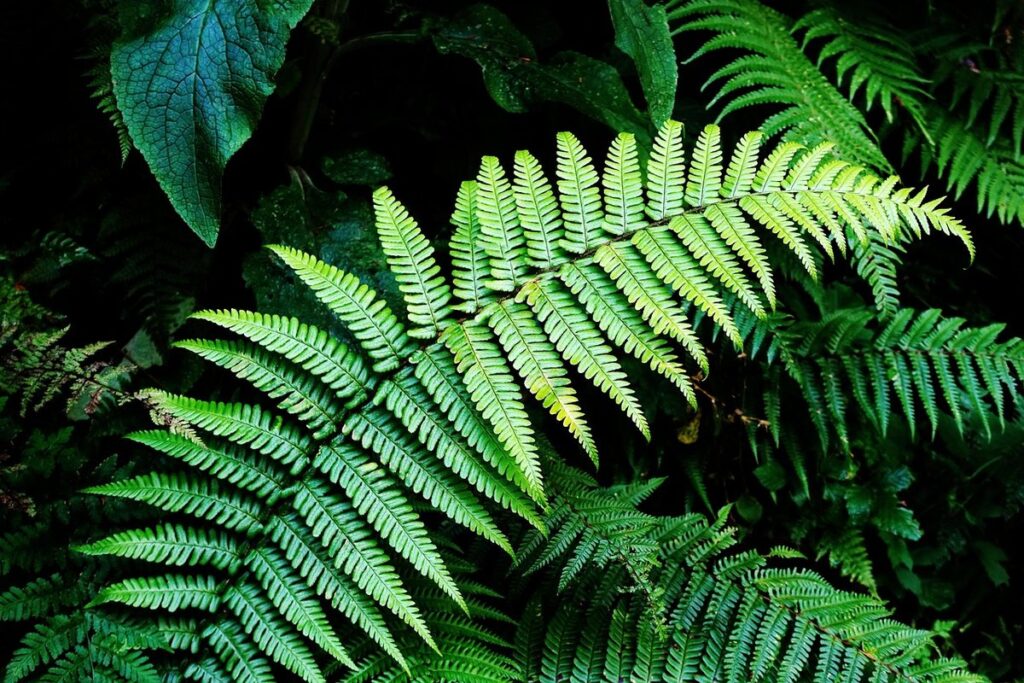
Ferns, such as the autumn fern (Dryopteris erythrosora) or the lady fern (Athyrium filix-femina), are ideal for damp shade areas. They come in a variety of species and require minimal maintenance once established. For example, the ostrich fern (Matteuccia struthiopteris) is a popular choice for its striking foliage and ability to tolerate high levels of moisture.
Astilbe is another excellent option for adding texture and color to damp shade areas. These flowering plants come in a range of heights and bloom times, making them versatile additions to any garden. Heuchera, with its maple-like leaves in shades of silver, gold, and burgundy, also excel in moist environments.
When selecting an evergreen plant species for your damp shade area, consider factors such as soil pH, moisture levels, and the amount of sunlight available. By choosing the right plant for the specific conditions, you can create a thriving and beautiful environment that requires minimal upkeep.
Flowering Plants for Damp Shade
When it comes to flowering plants that thrive in damp shade, there are several stunning options to consider. Primroses, for instance, love moisture-rich environments and can bloom as early as late winter, often producing delicate white or yellow flowers. To optimize their bloom period, ensure the soil remains consistently moist but not waterlogged.
Hellebores, also known as Christmas roses, are another excellent choice for damp shade. These evergreen flowering plants prefer partial shade to full shade conditions and can tolerate some drought. However, regular watering will encourage more frequent blooming, typically occurring between late winter and early spring. Their nodding bell-shaped flowers come in a range of colors, including pink, white, and purple.
Skimmia, with its glossy foliage and fragrant white or pink flowers, is also well-suited for damp shade. To promote optimal growth and flowering, ensure the soil is slightly acidic and consistently moist. Skimmia typically blooms from late winter to early spring, providing a welcome splash of color in these often-neglected areas.
By selecting plants like primroses, hellebores, and skimmia, you can create a vibrant display of flowers even in areas with limited sunlight.
Plant Care Essentials for Damp Shade Conditions
To thrive, damp shade plants need specific care, so let’s dive into the essential tips and tricks to keep your low-light greens happy and healthy. Proper watering and fertilization are key.
Watering Strategies
When it comes to watering plants in damp shade environments, it’s easy to overdo it. In these conditions, water tends to collect on leaves and in soil, making it seem like the plant needs more moisture than it actually does. However, overwatering is still a common mistake that can be detrimental to your plants’ health.
A good rule of thumb for watering damp shade plants is to check the soil moisture by sticking your finger into the soil up to the knuckle. If the soil feels moist but not waterlogged, it’s likely time to water. The frequency of watering will also depend on the type of plant you’re growing. Some plants, like ferns and peace lilies, prefer consistently moist soil, while others, such as begonias and impatiens, can tolerate some dry spells.
To avoid overwatering, use a well-draining potting mix that allows excess water to escape easily. You should also make sure the pot has good drainage holes in the bottom to prevent water from collecting in the soil. By following these simple tips, you’ll be able to keep your damp shade plants happy and healthy, even in low-light conditions.
Some signs of overwatering include yellowing leaves, soft stems, and a general decline in plant health. If you notice any of these symptoms, stop watering immediately and repot the plant with fresh soil.
Fertilization and Pruning Considerations
When it comes to caring for damp shade plants, fertilization and pruning are often overlooked but crucial steps. In these low-light conditions, plants may not require as much fertilizer as those in brighter areas, but a balanced feed can still promote healthy growth. For most damp shade plants, a slow-release fertilizer applied once or twice a year is sufficient. Be cautious not to over-fertilize, as this can damage roots and exacerbate waterlogged soil issues.
Regular pruning is also essential for maintaining the health and structure of your damp shade plants. Remove any dead or diseased leaves or stems to prevent the spread of disease. Prune back leggy growths to encourage bushy development and promote air circulation. This will help prevent moisture from becoming trapped around the plant, reducing the risk of root rot and other problems associated with damp conditions.
When pruning, consider the type of plant and its specific needs. For example, rhododendrons and azaleas require more aggressive pruning to maintain their shape and encourage blooming.
Common Issues in Damp Shade Gardens
When working with damp shade plants, it’s not uncommon for gardeners to encounter some unexpected challenges that can impact plant health and appearance. Let’s explore these common issues together.
Pests and Diseases Specific to Damp Environments
In damp shade environments, pests like slugs and snails can wreak havoc on your plants. These slimy creatures thrive in moist conditions, feeding on leaves, stems, and roots, causing significant damage. To prevent slug and snail infestations, consider using copper tape around planters or applying crushed eggshells to the soil surface. These methods deter slugs and snails from crossing over.
Another issue damp shade environments can foster is root rot. This fungal disease occurs when the air is too humid, causing roots to decay and plants to become susceptible to infections. To prevent root rot, ensure good air circulation around your plants by providing adequate space between them. Also, avoid watering at night or in excess, allowing the soil to dry slightly between waterings.
Regularly inspect your plants for signs of pests or diseases, and take prompt action if you notice any issues. Isolate affected plants, treat with a fungicide or insecticide as needed, and adjust your care routine accordingly.
Managing Overwatering and Waterlogging
Overwatering and waterlogging are common pitfalls in damp shade gardens. These issues can be detrimental to plants, causing root rot, leaf drop, and even plant death. So, it’s essential to recognize the signs of overwatering and take corrective measures to prevent these problems from occurring.
Watch for yellowing leaves, soft stems, or a droopy appearance, as these are often indicative of too much water. You may also notice an unpleasant odor emanating from the soil. Waterlogging occurs when excess water sits on the soil surface or in the pot’s drainage holes, causing roots to rot. To prevent this, ensure proper drainage by using pots with good drainage holes and a well-draining potting mix.
To correct overwatering, stop watering immediately and allow the plant to dry out slightly between waterings. Check the plant’s roots; if they’re soft or mushy, trim them back. Repot the plant in fresh soil and monitor its progress closely. Regularly inspect your plants for signs of stress, and adjust your watering schedule accordingly. A more thoughtful approach to watering will help prevent these issues from arising in the first place.
Designing with Damp Shade Plants in Mind
When working with damp shade plants, it’s essential to design your space with their unique needs and growth habits in mind to ensure they thrive. Consider factors like light filtration and humidity levels when selecting a location for these beautiful low-light greenery.
Incorporating Damp Shade Plants into Garden Design
When incorporating damp shade plants into garden design, it’s essential to consider layering, texture, and color combinations that work well in low-light spaces. Start by selecting a mix of plants with varying growth habits, such as tall ferns or horsetails to create vertical interest, paired with compact species like impatiens or begonias.
Layering is key to creating depth and visual interest in damp shade gardens. Begin with taller plants towards the back of the bed and layer smaller ones in front, gradually increasing the number of layers towards the foreground. This will not only add dimension but also create a sense of hierarchy within the design.
In terms of texture, combine smooth-leaved plants like coleus or sweet woodruff with those having more pronounced textures, such as coral bells or Astilbe. This mix of smooth and coarse textures adds depth to the garden. Color combinations can also greatly enhance the appearance of damp shade gardens; choose a palette that reflects your personal style, such as monochromatic schemes or bold contrast between cool blues and warm oranges.
By considering these design elements, you’ll be able to create visually appealing and thriving damp shade gardens even in areas with limited natural light.
Using Damp Shade Plants Indoors
When using damp shade plants indoors, it’s essential to choose species that thrive in low-light conditions and maintain the right environment. For containers, select materials like terracotta or ceramic, which can help regulate humidity. Avoid plastic pots as they can trap moisture, leading to root rot.
In terms of lighting, place your damp shade plant near a north-facing window or use grow lights with a lower intensity setting. This will provide enough indirect light without promoting excessive growth.
To maintain the desired level of humidity, you can use a humidifier placed nearby. Alternatively, group plants together to create a microclimate that fosters increased moisture levels. Regularly inspect your plant’s soil and repot it every 1-2 years using a well-draining potting mix. This will prevent waterlogged conditions that are detrimental to damp shade plants.
Monitor your plant’s temperature requirements as some species may not tolerate warmer temperatures. Keep the room temperature consistent, ideally between 60°F to 75°F (15°C to 24°C). By following these guidelines, you’ll be able to create a suitable environment for your indoor damp shade plants to thrive in.
Conclusion: Embracing the Beauty of Damp Shade Plants
As you’ve explored the wonderful world of damp shade plants, let’s now wrap up our journey with a few final tips and takeaways to help you truly appreciate these low-maintenance beauties.
Recap of Key Takeaways
As you’ve learned throughout this journey into the world of damp shade plants, there are several key takeaways to remember when choosing and caring for these beautiful low-light greenery. When selecting a damp shade plant, it’s essential to consider its specific lighting requirements – some thrive in areas with dappled sunlight, while others prefer complete darkness.
Be mindful of soil quality too; damp shade plants tend to prefer acidic or slightly acidic soils that drain well. Regular watering is crucial, but be cautious not to overwater as this can lead to root rot and other issues. Pruning and repotting are also important considerations to ensure your plant’s optimal health.
Incorporate these principles into your care routine by keeping an eye on your plant’s natural growth patterns and responding accordingly. Monitor its response to water, light, and nutrients, making adjustments as needed to create a thriving environment for your damp shade plant.
Inspiration for Further Exploration
As you’ve learned about the beauty of damp shade plants and how to care for them, we hope you’re inspired to continue exploring this fascinating world of low-light greenery. One of the most exciting aspects of cultivating damp shade plants is experimenting with different combinations of species to create unique and thriving gardens.
Try pairing plants like Astilbe and Foxglove, which both thrive in moist, shaded conditions, or combine Ferns with flowering Hellebores for a stunning display of foliage and blooms. Don’t be afraid to mix and match – the possibilities are endless! For even more inspiration, check out online resources like the Royal Horticultural Society’s guide to shade gardening or the many beautiful examples on Instagram.
When experimenting with new plant combinations, remember to consider factors like light levels, watering needs, and soil requirements. With a little trial and error, you’ll soon discover your own favorite pairings and be well on your way to creating a lush, thriving low-light garden that brings joy and serenity to any space.
Frequently Asked Questions
Can I use damp shade plants in containers, or are they best suited for directly planting in the ground?
Damp shade plants can thrive in containers as long as you provide proper drainage to prevent waterlogging. Choose a container with good air circulation and a well-draining potting mix specifically designed for low-light conditions.
What’s the best way to manage overwatering in damp shade gardens, and what are some signs I should look out for?
Monitor your plants regularly for signs of overwatering like yellowing leaves, soft stems, or root rot. To prevent waterlogging, ensure good drainage in planters or raised beds, and avoid watering during the hottest part of the day when evaporation rates are high.
How do I identify which damp shade plants are most resistant to pests and diseases that thrive in low-light environments?
Some popular options for pest- and disease-resistant plants include astilbe, ferns, and hostas. Research specific species known to tolerate common problems like powdery mildew or slugs, and consider incorporating companion planting strategies to promote beneficial relationships between different plant species.
Can I use damp shade plants in indoor spaces with limited natural light, and how should I adapt their care?
Yes! Damp shade plants can add beauty and life to indoor spaces. Adapt their care by using grow lights to supplement natural light, monitoring temperature fluctuations, and maintaining humidity levels around 40-60%. Some popular options for low-light indoor spaces include Chinese Evergreen, Pothos, or English Ivy.
How do I incorporate damp shade plants into a mixed garden that receives varying amounts of sunlight throughout the day?
Consider creating a layered effect by placing plants with different light requirements at different elevations. For example, place plants that tolerate full sun near the top and those that prefer shade towards the bottom. This will create a visually appealing gradient of light and texture within your garden design.