
Are you tired of struggling with thorny plants or slippery gardening tools? If so, you’re probably in search of the perfect pair of garden gloves to make your outdoor tasks more comfortable and efficient. With so many options available, it can be overwhelming to choose between different types of garden gloves that suit your specific needs.
From leather gloves for durability and grip to synthetic gloves for waterproofing and insulation, there’s a wide range of options to consider. Latex gloves are another popular choice for their flexibility and ease of use. But which one is the best fit for you? In this article, we’ll break down the different types of garden gloves available, highlighting their key features and benefits, so you can make an informed decision and find the perfect pair for your gardening needs.
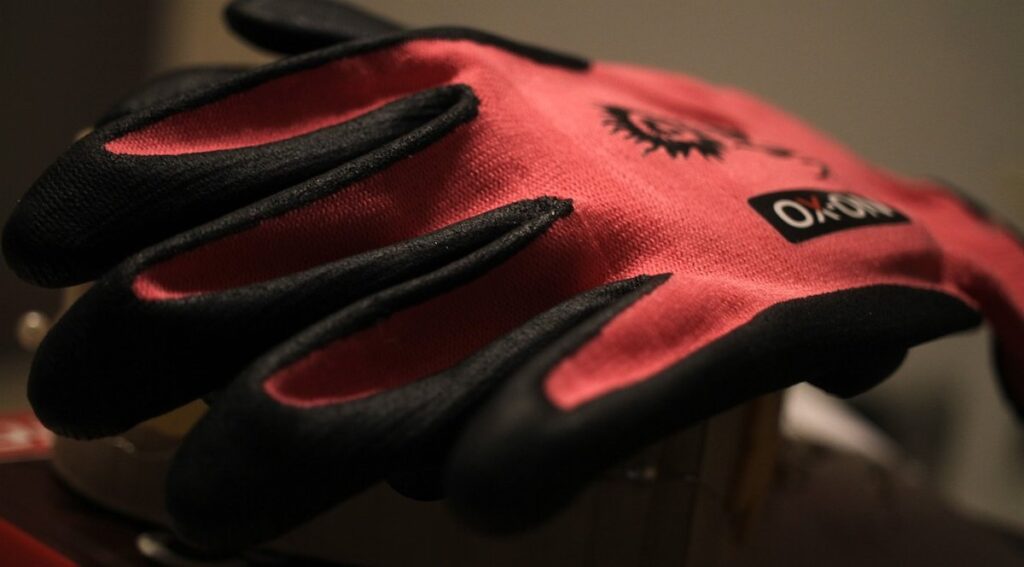
Introduction to Garden Gloves
When working in the garden, a good pair of gloves is essential for protecting your hands from thorns, dirt, and other hazards. Let’s start by exploring the basics of garden gloves and what to look for when choosing a pair.
Importance of Wearing Gloves While Gardening
When spending time outdoors tending to your garden, it’s easy to overlook one crucial aspect of gardening: protecting your hands. Wearing gloves while gardening is essential for both protection and comfort. The primary reason for wearing gloves is to shield your skin from thorns, prickles, and other plant-related injuries.
According to a study by the American Society for Surgery of the Hand (ASSH), over 40% of gardeners experience hand injuries each year. These injuries can range from minor cuts and scrapes to more severe puncture wounds. Wearing gloves can significantly reduce the risk of such incidents, ensuring you can continue gardening without worrying about injury.
Gloves also provide comfort during long hours spent working in the garden. Garden soil and plant sap can be harsh on skin, causing dryness, irritation, and even infections. By wearing gloves, you’ll prevent these issues and keep your hands healthy and moisturized throughout the growing season.
Brief History of Gardening Gloves
The history of gardening gloves dates back centuries, with early versions made from simple materials like leather and fabric. These primitive gloves were often cumbersome and offered little protection for the wearer’s hands. In the 19th century, gardening gloves began to take on a more modern form, with the introduction of cotton and canvas materials.
By the mid-20th century, synthetic materials like nylon and polyester started gaining popularity, providing better durability and resistance to wear and tear. This marked the beginning of significant advancements in gardening glove technology. Modern designs now incorporate features such as waterproof membranes, grip patterns for improved traction, and padding for comfort.
Today’s gardeners have a wide range of choices when it comes to selecting gloves that meet their specific needs. From lightweight options ideal for delicate plants to heavy-duty gloves designed for demanding tasks like pruning or digging, there is a type of glove suited to every gardener.
Material-Based Classification of Garden Gloves
Now that you’ve learned about different types of garden gloves, let’s dive into how they’re categorized based on their materials, from cotton to synthetic fabrics. This includes common pros and cons for each type.
Leather Gloves
Leather gloves are a popular choice for gardeners due to their exceptional durability and water resistance. They can withstand harsh weather conditions and heavy usage, making them an excellent option for gardeners who frequently engage in physically demanding tasks such as pruning or digging. However, leather gloves also have some drawbacks.
One of the significant advantages of leather gloves is their ability to breathe, allowing moisture to escape from the skin while keeping debris out. This feature helps prevent blisters and discomfort during extended wear periods. Additionally, leather gloves can be treated with various chemicals to enhance their water-resistance properties.
On the other hand, leather gloves may not provide the same level of flexibility as synthetic or cotton-based materials. They might also retain heat and moisture, potentially leading to discomfort in warmer environments. Furthermore, leather gloves are generally more expensive than other types of garden gloves, which could be a deterrent for some gardeners. Despite these limitations, many experienced gardeners swear by the benefits of using leather gloves, citing their long-lasting performance as the primary reason for their preference.
Synthetic Gloves (Nylon, Polyester, etc.)
Synthetic gloves are a popular choice for gardeners due to their affordability and water resistance. They’re often made from materials like nylon, polyester, or spandex, which provide a comfortable fit and flexibility.
One of the main advantages of synthetic gloves is their ability to withstand moisture. Unlike natural fibers, synthetic materials don’t absorb water, making them an excellent choice for gardening in wet conditions. This also means they dry quickly, reducing the risk of bacterial growth and unpleasant odors.
However, synthetic gloves have some drawbacks. They can be prone to punctures and tears, which may compromise their grip or dexterity. Additionally, some gardeners find them less breathable than other materials, leading to discomfort during extended wear.
If you’re considering synthetic gloves for your gardening needs, look for ones with a textured palm or fingers for improved grip. You may also want to opt for gloves with a breathable mesh panel to enhance ventilation and reduce sweat buildup.
Latex Gloves
Latex gloves are a popular choice for gardeners due to their lightweight and flexible nature. One of the primary benefits of latex gloves is their grip – they provide excellent traction on wet plants and tools, reducing the risk of drops and accidents.
However, it’s essential to note that latex gloves can be quite delicate and prone to tears, especially when handling sharp objects or rough branches. This limitation can affect dexterity and make them less suitable for tasks requiring precision.
Despite these limitations, many gardeners swear by latex gloves for their overall comfort and breathability. They often prefer them for lighter gardening tasks such as pruning, weeding, or harvesting soft fruits like strawberries.
To get the most out of your latex gloves, it’s crucial to choose a high-quality pair with a good balance between grip and dexterity. Consider pairing them with a water-repellent treatment to enhance their durability and make cleaning easier. By being mindful of these factors, you can enjoy the benefits that latex gloves have to offer while minimizing the risks associated with them.
By Purpose or Activity Type
When gardening, you’ll likely need gloves that fit a specific purpose or activity type, and we’ve categorized our favorites by exactly that. This way, you can find the perfect pair for your needs.
Gardening Gloves for Specific Tasks (Pruning, Digging, etc.)
When tackling specific gardening tasks, having the right garden gloves can make all the difference. Gloves designed for particular activities offer enhanced protection and performance. For instance, pruning gloves have a reinforced palm area to provide grip and resistance against thorns.
Digging gloves feature thick palms and fingers for added durability against soil abrasion. They also often come with reinforced stitching at key stress points, such as the fingertips. These features allow gardeners to tackle tough digging tasks without discomfort or damage to their gloves.
Other task-specific gloves include those designed for weeding, which typically have a soft, flexible material for ease of movement. Horticultural gloves may feature mesh panels for breathability and flexibility while working with plants.
When selecting task-specific gloves, consider the type of gardening you’ll be doing most often. Investing in high-quality gloves tailored to your needs can save time, effort, and potential damage to your hands or tools.
Work Gloves vs. Garden Gloves
When it comes to protecting your hands while working in the garden, you may wonder whether work gloves or garden gloves are better suited for the job. While both types of gloves share some similarities, they also have distinct differences that set them apart.
One key difference is construction. Work gloves typically feature a more rugged design with reinforced palms and fingers, making them ideal for heavy-duty tasks like construction, carpentry, and manual labor. Garden gloves, on the other hand, are designed with comfort and flexibility in mind, often featuring breathable materials and articulated fingers that allow for dexterity.
In terms of durability, garden gloves tend to be more prone to wear and tear due to their softer materials. Work gloves, however, can withstand rougher conditions and last longer as a result. If you’re tackling tough gardening tasks like pruning thick branches or operating machinery, work gloves might be the better choice. But for lighter tasks like weeding or watering, garden gloves provide sufficient protection without hindering dexterity.
Additional Features to Consider
Now that you’ve chosen the perfect garden gloves for your needs, it’s time to consider some additional features that can make a big difference in your gardening experience. These little extras can enhance comfort and performance.
Waterproofing and Breathability
When working with plants and soil, it’s inevitable that you’ll encounter water and dirt. Unfortunately, this exposure can lead to soggy, heavy gloves that hinder your ability to work efficiently. This is where waterproofing and breathability come into play – two essential features that will elevate your gardening experience.
Waterproofing refers to the material’s resistance to water penetration. This is achieved through various means such as applying a water-repellent coating or using materials with inherent water-resistance like synthetic fabrics. On the other hand, breathability ensures moisture-wicking properties and evaporation, preventing the buildup of sweat inside your gloves.
When shopping for garden gloves, look for products that combine both features. Some popular options include neoprene-coated gloves or those made from nylon mesh materials. When caring for your gloves, make sure to clean them thoroughly after each use and apply a waterproofing spray periodically to maintain their performance.
Insulation and Grip
When working with plants and gardening tools, it’s easy to expose your hands to extreme temperatures and rough surfaces. That’s where insulation and grip features come into play, making a significant difference in the overall performance of garden gloves.
Insulation, typically achieved through materials like Thinsulate or PrimaLoft, helps keep your hands warm in cold weather. This is especially crucial during winter months when frost and snow are prevalent. For instance, if you live in an area where temperatures often drop below freezing, look for gloves with insulation that can maintain a comfortable temperature.
Grip, on the other hand, ensures that you don’t slip while handling tools or plants. It’s achieved through materials like grip-enhancing palms or textured fingers. This feature is particularly useful when working with wet or oily gardening tools. For example, if you’re working with gardening shears in a damp environment, gloves with a grippy palm can help prevent accidents.
When choosing gloves with insulation and grip features, consider the specific conditions of your garden and the tasks you’ll be performing most often. By doing so, you can select gloves that provide optimal performance and protection for your hands.
Ergonomics and Fit
When it comes to selecting the perfect pair of garden gloves, ergonomics and fit are often overlooked but play a crucial role in ensuring comfort and performance. A glove that is too loose can lead to blisters and discomfort, while one that is too tight can restrict movement and cause strain on your hands.
Look for gloves with adjustable cuffs or wrist closures that can be customized to fit your specific needs. This will help prevent dirt and debris from entering the glove and keep your skin protected. Consider the shape of the palm and fingers as well – a contoured design can provide additional support and cushioning, reducing fatigue and strain.
Choose materials that breathe well and allow for moisture-wicking properties, such as mesh panels or synthetic liners. This will help regulate temperature and prevent sweat buildup, which can lead to skin irritation and discomfort. By paying attention to ergonomics and fit, you’ll be able to enjoy your gardening experience without distractions, allowing you to focus on the task at hand.
Maintenance and Care of Garden Gloves
Now that you’ve got the perfect gloves for your gardening needs, let’s talk about how to keep them in top condition. Regular maintenance will extend their lifespan and ensure they remain comfortable to wear.
Cleaning and Storage Tips
To extend the lifespan of your garden gloves, it’s essential to clean and store them properly. Cleaning is a straightforward process that involves washing the gloves with mild soap and lukewarm water. Use a soft-bristled brush or cloth to gently scrub away dirt and debris, especially in areas where fingers meet the palm.
Avoid using harsh chemicals or abrasive cleaners, as they can damage the glove material. Rinse the gloves thoroughly with clean water and allow them to air-dry away from direct sunlight. This will prevent fading and preserve the glove’s flexibility.
When it comes to storage, consider keeping your garden gloves in a cool, dry place. Hang them on a hook or store them in a breathable container like a mesh bag or a cloth pouch. Avoid folding or creasing the gloves, as this can lead to wrinkles and damage to the material. Regular cleaning and proper storage will help maintain your garden gloves’ condition and extend their lifespan for multiple gardening seasons.
Repairing and Replacing Gloves
When your trusty garden gloves start to show signs of wear and tear, it’s essential to determine whether they can be repaired or if it’s time to replace them. Look for worn-out areas, cracks, or holes that could compromise the glove’s functionality.
Before deciding on a repair or replacement, inspect the glove’s material and construction. For example, cotton gloves may develop holes more easily than synthetic ones, while leather gloves might crack due to dryness. Check for any embedded dirt or debris that can weaken the fabric over time.
To extend the life of your garden gloves, follow these simple maintenance steps: clean them regularly with soap and water, let them air-dry away from direct sunlight, and apply a waterproofing treatment as needed. If you notice significant damage, consider repairing or replacing the glove to prevent accidents and maintain performance.
Conclusion
Now that you’ve learned about various types of garden gloves, let’s summarize the key takeaways and discuss the factors to consider when choosing the right pair for your gardening needs.
Recap of Key Points
In reviewing our discussion on garden gloves types, let’s recap some of the key points covered. As we’ve seen, there are several types of garden gloves available to suit different gardening needs and preferences.
One major distinction lies between utility gloves, designed for heavy-duty tasks such as pruning and digging, and gardening gloves meant for lighter tasks like planting and watering. Utility gloves often feature thicker padding, rugged materials, and extra grip for added protection against thorns and branches.
Gardening gloves for women or those with sensitive skin may prioritize comfort and breathability over durability, incorporating features such as flexible fingers and a soft palm lining to reduce irritation. Gardener’s grips are another consideration, which can be especially useful when working with slippery plants like tomatoes.
Ultimately, the right garden glove type will depend on your specific gardening activities and personal needs. Consider the tasks you’ll be performing most often, your budget, and your comfort level before making a final decision.
Final Tips for Choosing the Right Garden Gloves
When choosing the right garden gloves, remember to consider your specific needs and preferences. Think about the type of gardening you’ll be doing most often – whether it’s heavy-duty pruning, delicate flower care, or general maintenance.
Consider investing in a pair of gloves with built-in grip enhancement, such as textured palms or rubber nodules, which can help prevent dropped tools and objects. This feature is particularly useful for gardeners who frequently work with slippery or wet materials like mud, sap, or water.
Additionally, don’t be afraid to try out different types and brands until you find the perfect fit. Some manufacturers offer glove sizes that cater specifically to women’s or men’s hands – take advantage of these options if they suit your needs.
Ultimately, prioritize comfort and dexterity when choosing your garden gloves. With a little patience and experimentation, you’ll find a pair that makes gardening a joy, not a chore.
Frequently Asked Questions
Can I wear garden gloves for other activities beyond gardening?
Yes, while garden gloves are specifically designed for gardening tasks, their durability and protection can make them suitable for other outdoor activities like yard work or even DIY projects. However, consider the specific needs of your activity, such as grip or insulation, when choosing a pair.
How do I maintain and clean my garden gloves to extend their lifespan?
Cleaning and maintenance are crucial to extending the life of your garden gloves. Regularly wash them with soap and water, and let them air dry. Avoid using harsh chemicals or putting them in the washing machine, as this can damage the material. For tougher stains, try gently scrubbing with a soft-bristled brush.
Are synthetic gloves a good choice for cold weather gardening?
Yes, synthetic gloves are an excellent option for cold weather gardening due to their insulation and waterproofing properties. They provide warmth without compromising grip or flexibility. However, consider the specific temperature range and moisture levels you’ll be working in when choosing a pair of synthetic gloves.
Can I repair my garden gloves if they get damaged?
Yes, many garden gloves can be repaired if they develop tears or punctures. Look for gloves with removable palm patches or use a patch kit specifically designed for gardening gloves. This can help extend the life of your gloves and save you money in the long run.
How do I choose between different types of grip, such as textured palms or rubber grips?
Choose a grip type based on your specific needs and preferences. Textured palms provide excellent traction on slippery surfaces, while rubber grips offer extra protection against abrasion and rough handling. Consider factors like the type of gardening you’ll be doing, the terrain, and your personal comfort level when selecting the right grip for your gloves.