
Are you looking to add some green charm to your home with ivy, but not sure where to start? With so many species to choose from, selecting the right type of ivy for your house can be a daunting task. Not only do you want it to look beautiful, but also thrive in your homes climate without causing any damage or maintenance headaches.
This is where expert advice comes in handy. In this article, we’ll explore the best ivy species suited for different climates and provide tips on how to plant, maintain, and troubleshoot common issues. Whether you’re a seasoned gardener or a beginner, our guide will help you make informed decisions when it comes to introducing ivy into your home’s decor. By the end of this article, you’ll be well-equipped to choose the perfect ivy species for your space.
Benefits and Types of Ivy
Let’s take a closer look at the benefits you can expect from adding ivy to your home, as well as the different types that are best suited for various climates.
Introduction to English Ivy
English ivy is one of the most popular and versatile types of ivy, making it a favorite among homeowners and gardeners alike. Its popularity stems from its adaptability to various environments and its ease of maintenance. English ivy can thrive in shady conditions, tolerating as little as 20-30 minutes of direct sunlight per day, which makes it perfect for homes with north-facing walls or rooms with limited natural light.
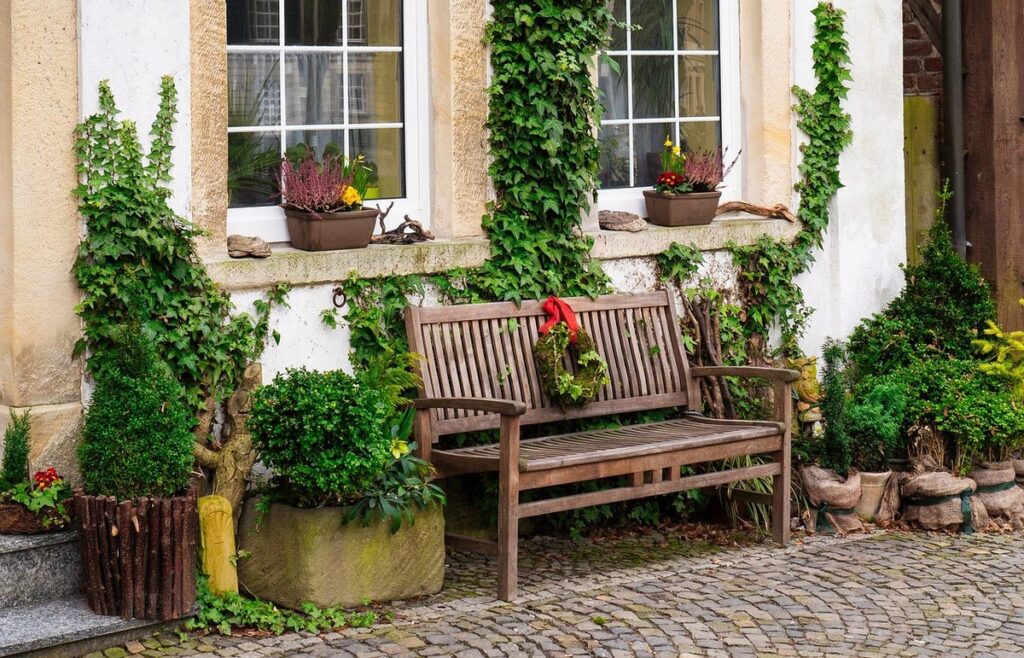
One of the significant benefits of English ivy is its ability to cover large areas quickly and efficiently. Its climbing habit allows it to climb up walls, trellises, and even other plants, creating a lush and vibrant display. This feature makes it an ideal choice for homes with exposed brick or stone surfaces, as it can help to hide unsightly areas while adding a touch of elegance.
When choosing English ivy for your home, consider its growth habits and prune it regularly to maintain the desired shape and size. With proper care, English ivy can live up to 100 years or more in ideal conditions, making it a long-term investment for your home’s decor.
Dutch Ivy vs. English Ivy
When it comes to choosing an ivy species for your house, two popular options are Dutch Ivy (Hedera colchica) and English Ivy (Hedera helix). While both plants have their charm, they exhibit distinct growth habits and care requirements that set them apart.
Dutch Ivy is a more vigorous grower than English Ivy, with a faster rate of expansion. It can climb up walls and trellises quickly, making it an ideal choice for covering large areas. However, its aggressive growth may require regular pruning to prevent damage to surrounding structures. In contrast, English Ivy grows at a slower pace but is more versatile in terms of training. It can be trained into topiaries or allowed to cascade over containers.
In terms of care, Dutch Ivy prefers well-draining soil and partial shade, while English Ivy can tolerate full sun and a range of soil types. Keep in mind that both plants are invasive in some regions and may require special permits before planting. To ensure you make the best choice for your specific climate and needs, research local regulations and consult with gardening experts.
Other Popular Ivy Varieties for House Decoration
While English Ivy and Boston Ivy are undoubtedly popular choices for house decoration, there are other visually appealing ivy species worth exploring. For instance, Japanese Creeper (Parthenocissus tricuspidata) is a stunning option that thrives in both indoor and outdoor environments. Its deep green leaves with hints of bronze provide a striking contrast to its smooth, woody stems.
Another lesser-known variety is Creeping Fig (Ficus pumila), which can be trained to climb walls or trellises, making it an excellent choice for small spaces. Its glossy leaves have a delicate, lacy texture and come in a range of colors, from deep green to variegated patterns. To incorporate these unique ivy species into your home decor, consider the specific growing conditions they require, such as light exposure and soil type.
When choosing between different ivy varieties, remember that some may be more adaptable than others. For example, the Needlepoint Ivy (Hedera colchica ‘Dentata Variegata’) has a softer, more delicate appearance but can still thrive in shadier areas with minimal maintenance.
Choosing the Right Species for Your Climate
When it comes to choosing the perfect ivy, selecting a species that thrives in your local climate is crucial. This next step will help you navigate the options based on your region’s conditions.
Climate Considerations for Selecting Ivy
When selecting an ivy species for your house, it’s essential to consider the climate of your region. Temperature and humidity levels can significantly impact the health and growth of your ivy. To determine which ivy thrives in your area, start by researching the average temperature ranges in your region during different seasons.
In areas with extreme temperatures, such as deserts or polar regions, it’s best to choose a hardy, low-maintenance ivy species like English ivy (Hedera helix) or Boston ivy (Parthenocissus tricuspidata). These varieties can tolerate temperature fluctuations and remain relatively healthy in dry conditions.
In humid climates, like tropical or subtropical regions, you’ll want to opt for an ivy that prefers high humidity levels. Consider species like Atlantic ivy (Hedera colchica) or Japanese ivy (Hedera japonica), which thrive in moist environments.
Check the USDA Plant Hardiness Zone Map to determine your region’s hardiness zone and compare it with the recommended growing conditions for various ivy species. This will help you make an informed decision when selecting the perfect ivy for your home.
Hardiness Zones: Understanding Ivy’s Adaptability
When selecting an ivy species for your home, it’s essential to consider the hardiness zones in your area. Hardiness zones are a measure of the average annual extreme minimum temperature in a particular region. This information is crucial because it determines which plants can thrive and survive in your climate.
In the United States, hardiness zones range from 1 (extremely cold) to 12 (mildly warm). Ivy species typically fall into one of three categories: tender, semi-hardy, or hardy. Tender ivies, such as English ivy (Hedera helix), are suitable for zones 6-8 and require protection during harsh winters. Semi-hardy ivies, like Persian ivy (Pithecellobium unguis-catucae), can tolerate temperatures down to 20°F (-7°C) and are ideal for zones 5-9.
To choose the right ivy species for your home, look up your hardiness zone and match it with a suitable ivy type. For example, if you live in zone 4 or colder, opt for a hardy ivy like Wintercreeper (Euonymus fortunei) that can withstand temperatures as low as -40°F (-40°C).
Planting and Maintenance Tips for Successful Growth
Now that you’ve chosen your perfect ivy, let’s dive into the nitty-gritty of planting and maintaining it to ensure a lush, healthy growth. We’ll share expert tips for success.
Preparing Your Wall or Surface for Ivy Installation
Before installing ivy on your house, it’s essential to prepare the surface properly to ensure healthy growth. Begin by cleaning the area thoroughly with a mild detergent and water to remove dirt, grime, and any existing debris. This will help create an ideal environment for the ivy roots to establish themselves.
Next, inspect the wall or surface for any cracks, crevices, or loose mortar. Fill these areas with a patching compound to provide a solid foundation for the ivy to cling to. If you’re using a trellis or other support system, ensure it’s securely attached to the wall to prevent damage from heavy loads.
Also, consider applying a layer of wire mesh or a similar material behind the surface to help hold the ivy roots in place and prevent them from digging into the underlying structure. This will not only promote healthy growth but also prevent costly repairs down the line. By taking these simple steps, you’ll be well on your way to creating an ideal environment for your ivy to thrive.
Watering, Pruning, and Fertilization Best Practices
When it comes to maintaining your chosen ivy species, proper watering, pruning, and fertilization are crucial for successful growth. Watering frequency varies depending on the type of ivy, climate, and soil conditions.
As a general rule, water your ivy when the top inch of soil feels dry to the touch. For English ivy, this is usually once or twice a week during the growing season (spring-fall). Boston ivy, on the other hand, prefers drier conditions and should be watered only every 10-14 days.
Pruning helps maintain shape, promotes healthy growth, and prevents overgrowth. Remove dead or damaged leaves, and cut back long stems to encourage branching. Prune in late winter or early spring for English ivy and after flowering for Boston ivy.
Fertilize your ivy with a balanced, water-soluble fertilizer during the growing season (spring-fall). Dilute the fertilizer to half the recommended strength to avoid burning the roots. For example, if you’re using a 20-20-20 formula, mix one tablespoon of fertilizer with five gallons of water.
Remember to also consider the specific needs of your chosen ivy species and adjust your care routine accordingly.
Potential Issues with Growing Ivy Indoors/Outdoors
Growing ivy can be a wonderful addition to your home, but it’s essential to consider some common issues that may arise when cultivating these plants indoors and outdoors. From pests to structural damage, we’ll explore the potential problems you might encounter.
Common Pests and Diseases Affecting Ivy Plants
When it comes to growing ivy indoors or outdoors, there are several common pests and diseases that can affect these beautiful plants. Recognizing the signs of infestation or infection is crucial to prevent further damage.
Some of the most common pests affecting ivy plants include:
* Spider mites: These tiny insects feed on plant sap, causing yellowing leaves and fine webbing.
* Mealybugs: White, cottony patches on stems and leaves can indicate a mealybug infestation.
* Scale insects: Brown or black bumps on stems and leaves can be a sign of scale insect presence.
Common diseases affecting ivy plants include:
* Powdery mildew: A white, powdery coating on leaves can be a symptom of this fungal disease.
* Root rot: Overwatering can lead to root rot, causing yellowing leaves and soft, mushy stems.
Prevention is key. Regularly inspect your ivy plant for signs of pests or diseases. Use neem oil or insecticidal soap to treat infestations, and remove any infected areas to prevent further spread. For diseases, adjust watering habits and provide good air circulation to promote healthy growth.
Overgrowth: How to Control Ivy’s Aggressive Growth Habit
When ivy’s aggressive growth habit gets out of hand, it can be overwhelming. Ivy overgrowth is a common issue many homeowners face, and it’s essential to address it before it takes over your space. To control this overgrowth while allowing your ivy to thrive, you’ll need to prune regularly.
Pruning isn’t just about cutting back your ivy; it’s an art that requires some finesse. Start by identifying the most vigorous stems and cut them back to about a quarter of their length. This will encourage new growth from the remaining stems while preventing the plant from becoming too leggy. To prevent regrowth, make sure to remove any suckers (shoots) that appear on the base of the plant.
For more invasive species like English ivy or Boston ivy, regular pruning may not be enough. In these cases, you might need to consider using a trellis or other support system to keep the plant in check. By combining regular pruning with the right training techniques, you can enjoy your ivy without sacrificing control.
DIY vs. Professional Installation for a Successful Ivy Display
When it comes to showcasing your ivy display, you’re faced with two important decisions: whether to tackle the installation yourself or hire a professional. Let’s break down the pros and cons of each option.
Pros and Cons of Installing Ivy Yourself
Installing ivy yourself can be a cost-effective and rewarding experience, but it’s essential to consider the pros and cons before embarking on this project. On one hand, DIY installation allows you to save money on labor costs, which can range from $500 to $2,000 or more for a large area. Additionally, installing ivy yourself gives you the flexibility to choose your own schedule and pace, allowing for a more relaxed experience.
However, there are also potential downsides to consider. Without proper training and experience, it’s easy to damage the ivy, surrounding structures, or even harm yourself while handling sharp tools or climbing ladders. Moreover, DIY installation can be time-consuming, especially if you’re new to gardening or don’t have a green thumb. You may need to replant or replace sections of ivy that don’t thrive in their new environment.
If you do decide to install ivy yourself, make sure to choose a hardy and adaptable species like English ivy or Boston ivy. Research the specific needs of your chosen variety and prepare accordingly. Consider enlisting a friend’s help for more challenging areas, and always follow safety guidelines when working at heights.
Benefits of Hiring an Experienced Installer
When it comes to installing ivy on your house, working with an experienced installer can be a game-changer. A seasoned pro knows exactly how to balance aesthetics and functionality, ensuring that your ivy display meets your desired standards. For instance, a skilled installer will consider factors such as the type of ivy you’ve chosen, the climate in your area, and the specific needs of your home’s architecture.
With their expertise, they’ll be able to suggest the perfect placement for each plant, taking into account areas that receive optimal sunlight and water flow. This attention to detail is crucial in preventing issues like overgrowth or uneven coverage, which can compromise both the appearance and structural integrity of your ivy display.
Furthermore, an experienced installer will have a keen eye for design, ensuring that your ivy installation complements the surrounding landscape and exterior decor. They’ll also be well-versed in handling common problems that arise during the installation process, such as pests or disease, so you can rest assured that your ivy is thriving with minimal maintenance required.
Conclusion: Selecting the Perfect House-Friendly Ivy Species
As you’ve made it through this comprehensive guide, you’re now equipped with the knowledge to choose the perfect ivy species for your house. Remember that selecting the right ivy involves considering more than just its aesthetic appeal. Take into account factors such as climate, soil type, and maintenance requirements. Don’t be afraid to experiment with different options until you find one that thrives in your specific environment. For example, English Ivy (Hedera helix) is a great choice for those living in cooler climates, while Boston Ivy (Parthenocissus tricuspidata) excels in warmer temperatures. With these tips and recommendations in mind, you’ll be well on your way to selecting the perfect house-friendly ivy species that adds beauty and charm to your home without causing harm.
Frequently Asked Questions
Can I use ivy on walls with existing paint or wallpaper?
Yes, you can still use ivy on walls with existing paint or wallpaper, but it’s essential to clean the surface thoroughly before planting. This will ensure that the ivy roots can grow properly and won’t damage the underlying surface.
What’s the ideal temperature range for different types of ivy?
The ideal temperature range varies depending on the type of ivy you choose. Generally, most ivy species thrive in temperatures between 65°F to 75°F (18°C to 24°C). However, some species like English ivy can tolerate temperatures as low as 30°F (-1°C) or as high as 90°F (32°C).
How often should I water my ivy plants during hot summer months?
During hot summer months, it’s essential to keep the soil consistently moist but not waterlogged. Water your ivy plants when the top inch of soil feels dry to the touch, usually every 2-3 days in extreme heat. Be cautious not to overwater, as this can lead to root rot and other issues.
Can I grow ivy on a south-facing wall that receives direct sunlight for most of the day?
While ivy can tolerate some direct sunlight, excessive exposure can cause scorching or damage to the leaves. Consider using a shade cloth or providing partial shading to protect your ivy from intense midday sun. This will help prevent damage and maintain its health.
How do I prevent ivy overgrowth on my exterior walls?
To prevent ivy overgrowth, regularly inspect your plants for signs of excessive growth. Trim back any overgrown areas using sharp pruning shears or loppers. Also, consider installing a trellis or support system to keep the ivy contained and promote healthy growth patterns.