
If you’re like many gardening enthusiasts, you’re always on the lookout for ways to add beauty and structure to your outdoor space. A garden lattice trellis is an excellent solution that can also support your favorite climbing plants, such as roses, clematis, or morning glories. Not only do these trellises provide a visually appealing backdrop for your garden, but they also offer a functional way to train vines and other climbing plants to grow upwards.
In this article, we’ll guide you through the process of selecting, installing, and maintaining a garden lattice trellis that perfectly complements your outdoor decor. We’ll cover everything from choosing the right type of trellis for your needs, to tips on how to securely fasten it in place, and finally, how to keep it looking its best throughout the growing season.
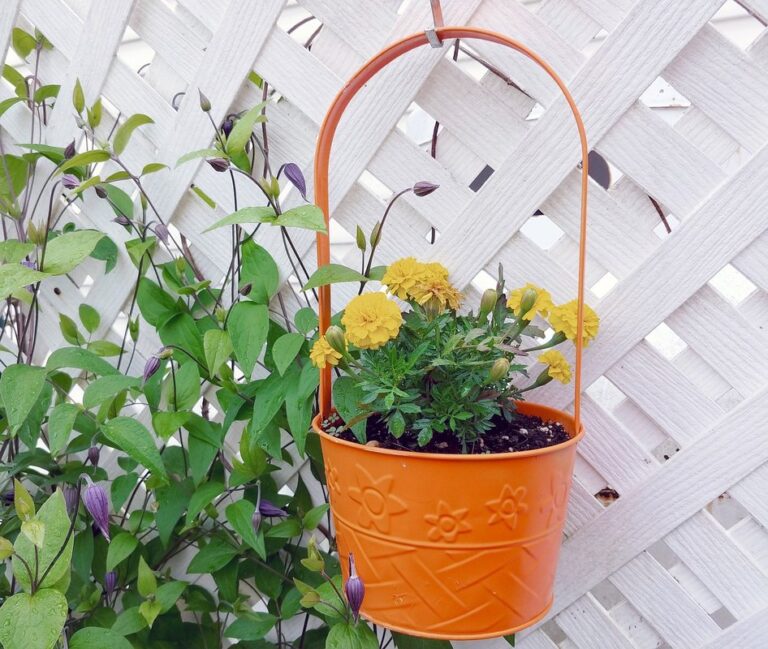
Benefits of Using a Lattice Trellis in Your Garden
Now that you’ve decided on the perfect lattice trellis for your garden, let’s explore the benefits it will bring to your outdoor space and plant growth. From increased yields to improved aesthetics, the advantages are numerous.
Providing Support and Structure
A lattice trellis is more than just a decorative element for your garden; it’s also a functional tool that provides essential support and structure for climbing plants. As vines and other climbing varieties grow, they can quickly become unruly and untidy if left untrained. This is where a lattice trellis comes into play.
By providing a sturdy framework for these plants to climb on, a lattice trellis keeps them organized and encourages upward growth. Imagine a sprawling clematis vine with delicate white blooms twirling around the latticework of your trellis – it’s not just aesthetically pleasing but also a testament to how effectively the trellis is supporting the plant.
To get the most out of your lattice trellis, make sure to train your plants correctly. Start by gently securing the stems to the trellis using twine or clips, then gradually allow them to grow and cover the structure over time. This will not only keep your garden looking neat but also promote healthy growth for your climbing plants.
Adding Aesthetic Appeal
Adding a lattice trellis to your garden can elevate its visual appeal and create a sense of depth. When it comes to choosing the right design, consider the materials used for the trellis. Wooden lattice trellises offer a natural, rustic charm that complements traditional gardens, while metal trellises provide a sleek, modern look perfect for contemporary landscapes.
The material you choose will significantly impact your garden’s aesthetic appeal. For instance, cedar wood trellises have a distinct aroma and are resistant to rot and insects, making them an excellent choice for coastal or woodland gardens. On the other hand, aluminum metal trellises are lightweight, corrosion-resistant, and perfect for small spaces.
To add an extra layer of visual interest, consider incorporating decorative elements such as vines, flowers, or ivy into your lattice design. You can also experiment with different shapes, sizes, and patterns to create a unique focal point in your garden. For example, a circular trellis surrounded by flowering plants will draw the eye and create a beautiful visual vignette.
By choosing a lattice trellis that reflects your personal style, you’ll not only enhance your garden’s beauty but also create a sense of cohesion between different elements within the space.
Types of Garden Lattice Trellis Materials
When it comes to selecting a garden lattice trellis, understanding your options is key. There are several types of materials to consider, each with its own unique benefits and drawbacks.
Wood Lattice Trellises
Wood lattice trellises are a popular choice for gardeners due to their natural beauty and versatility. One of the primary benefits of wooden lattices is their durability. When properly maintained, wood can last for many years, providing a sturdy structure for climbing plants.
However, it’s essential to consider the maintenance requirements that come with using wooden lattice trellises. Wood can be prone to rotting if exposed to excessive moisture or pests like termites and carpenter ants. Regular inspections and treatments can help prevent these issues.
Another factor to consider is cost-effectiveness. Wooden lattices tend to be more affordable than other materials, such as metal or vinyl. However, their price may increase depending on the type of wood used and the size of the trellis.
To ensure the longevity of your wooden lattice trellis, make sure to choose a rot-resistant wood like cedar or redwood. Regularly inspect the structure for signs of damage or decay, and address any issues promptly. With proper care, a wooden lattice trellis can provide years of service in your garden.
Metal Lattice Trellises
Metal lattice trellises offer a unique combination of strength and durability that makes them an attractive option for gardeners. One of the key benefits of metal lattice trellises is their resistance to corrosion, ensuring they can withstand exposure to moisture and harsh weather conditions without compromising their structure.
In comparison to wood, metal lattice trellises are often more resistant to pests and rot, making them a low-maintenance choice for gardeners who want to minimize upkeep. However, it’s worth noting that some metal materials may require periodic rust-proofing or painting to maintain their appearance.
When choosing a metal lattice trellis, consider the level of customization you need. Some manufacturers offer pre-cut designs, while others allow for bespoke orders tailored to your specific requirements. This flexibility can be particularly beneficial for gardeners with unique space constraints or design preferences.
Ultimately, metal lattice trellises are an excellent option for gardeners seeking a robust and long-lasting solution that requires minimal maintenance over time.
DIY vs. Pre-Made Garden Lattice Trellis Options
When it comes to creating a garden lattice trellis, you have two main options: building one yourself from scratch or opting for a pre-made design. Which path is right for you?
Advantages of a Pre-Made Trellis
Purchasing a pre-made lattice trellis offers several advantages that can save you time and effort while still achieving professional-looking results. One of the main benefits is convenience – with a pre-made trellis, you don’t have to worry about designing and building one from scratch, which can be time-consuming and requires special skills.
Consistency is another advantage of buying a pre-made lattice trellis. When you make your own trellis, there’s always a risk that the design might not turn out as expected, or that the materials used may not be durable enough to last through different weather conditions. A pre-made trellis eliminates this risk and ensures that your garden looks well-planned and attractive.
In addition to convenience and consistency, purchasing a pre-made lattice trellis is also a great time-saver. It takes away the need for planning, measuring, cutting, and assembling individual components, allowing you to focus on other aspects of gardening. This can be especially beneficial if you’re short on space or have limited DIY skills.
By opting for a pre-made trellis, you’ll have more free time to enjoy your garden and take pride in its appearance. You can also consider the long-term benefits of using durable materials that won’t require frequent replacements.
The Rewards of Building Your Own Trellis
Building your own trellis can be a highly rewarding experience for gardeners and DIY enthusiasts alike. One of the primary benefits is cost-effectiveness – by repurposing materials you already have on hand or sourcing them at a lower cost, you can save money compared to purchasing a pre-made lattice trellis.
Customization options are another significant advantage of building your own trellis. With this approach, you can design and create a trellis that perfectly suits the style and needs of your garden, whether it’s a minimalist or ornate structure. This level of control allows you to experiment with different shapes, sizes, and materials, ensuring that your trellis complements the surrounding environment.
Perhaps most satisfying, however, is the sense of accomplishment that comes from creating something with your own hands. By taking on this project, you’ll have a tangible connection to the final product – not to mention a newfound appreciation for the process involved in bringing your ideas to life.
Installing a Lattice Trellis in Your Garden
Let’s get started on installing your new lattice trellis – we’ll walk you through the essential steps to ensure a seamless and sturdy installation. Follow these instructions carefully for professional-looking results.
Preparing the Site
Before you start installing your lattice trellis, it’s essential to prepare the site where it will be placed. This involves clearing the area of any debris, leveling the ground, and determining the optimal location for maximum visibility and sunlight.
Start by surveying the space around your garden bed or designated area for the trellis. Remove any weeds, rocks, or other obstacles that could interfere with the installation process. Use a rake to clear away loose soil and debris, creating a smooth surface for your trellis to sit on. If necessary, use a trowel to fill in any holes or dips in the ground.
To ensure your trellis stands upright and stable, it’s crucial to level the ground. Check if the area is even by drawing an imaginary line across the space with a stick or string. Make adjustments as needed using soil or sand. Finally, consider the location of nearby plants, water sources, and foot traffic when deciding where to place your trellis for maximum visibility and sunlight exposure.
Securing the Trellis
When installing a lattice trellis in your garden, securing it to a sturdy structure or wall is crucial for stability and preventing damage. To ensure the trellis remains upright and secure throughout the seasons, you’ll want to focus on fastening it correctly.
Start by identifying a suitable anchor point – ideally a beam, post, or wall that can withstand the weight of your trellis. Ensure this anchor point is sturdy enough to support the weight of the trellis, especially when loaded with plants and foliage.
Next, gather the necessary materials for securing the trellis:
• Screws (preferably galvanized or stainless steel)
• Wood screws or concrete anchors
• Weather-resistant washers
When fastening the trellis to the anchor point, follow these steps:
- Measure and mark the spot where you want to attach the trellis.
- Drill pilot holes into the anchor point, ensuring they’re aligned with your marks.
- Insert screws or concrete anchors, followed by weather-resistant washers.
This will provide a stable foundation for your lattice trellis, allowing it to withstand wind and weather conditions while keeping your plants safe from damage.
Caring for Your Garden Lattice Trellis
Now that you’ve chosen your perfect garden lattice trellis, it’s essential to keep it in top condition through regular care and maintenance. This involves tasks like cleaning, pruning, and protecting against pests and diseases.
Maintenance Tips and Tricks
To keep your garden lattice trellis looking its best, regular maintenance is crucial. Start by inspecting the structure for any signs of damage or wear. Check for loose screws or hinges and tighten them if necessary. If you notice any cracks or breaks in the wood, address them promptly to prevent further damage.
Cleaning is also an essential part of lattice trellis maintenance. Use a soft-bristled brush to gently sweep away dirt and debris from the trellis’s surface. For tougher stains or grime buildup, mix a solution of mild soap and water and apply it using a cloth. Avoid using harsh chemicals or abrasive materials that can damage the wood.
Don’t forget to inspect your lattice trellis during different seasons, as changing weather conditions can cause wear and tear. Look out for signs of pest infestation, such as holes or tunnels in the wood, and address them promptly if you notice any issues. By following these simple maintenance tips, you’ll be able to enjoy your garden lattice trellis for years to come.
Common Issues and Solutions
One of the most common issues gardeners face with lattice trellises is plant damage. Over-enthusiastic pruning can harm plants, especially delicate climbing varieties like roses and clematis. To avoid this, make clean cuts at a 45-degree angle just above a bud eye or leaf node. This will encourage new growth from the area you’ve pruned.
Another problem that may arise is pest infestations. Slugs and snails can damage plants by eating through leaves and stems. To prevent this, use copper tape around the base of your trellis. These pests don’t like to cross over metal surfaces and will be deterred from reaching your plants.
If you do encounter a problem with pests or diseases, act quickly to resolve the issue. Remove any affected areas to prevent the spread of disease, and consider using organic pest control methods such as neem oil or insecticidal soap. Regularly inspecting your trellis for signs of damage can help catch issues early on.
In addition to these preventative measures, maintaining a healthy balance of nutrients in the soil is essential for plant growth. Mulching around the base of your plants helps retain moisture and suppress weeds, reducing the need for frequent watering.
Conclusion: Maximizing the Potential of Your Garden Lattice Trellis
As we’ve explored the various aspects of garden lattice trellises, now it’s time to put your new knowledge into action and make the most of this versatile gardening feature. Let’s discuss how to maximize its potential in your outdoor space.
Recap of Key Takeaways
As we conclude our exploration of choosing the perfect garden lattice trellis, let’s recap the key takeaways to ensure you’re on track to create a thriving and visually stunning garden feature.
Choosing the right material for your lattice trellis is crucial. Consider factors like durability, maintenance requirements, and aesthetic appeal. For example, wood lattice trellises are a popular choice due to their natural beauty and rustic charm, but they may require more maintenance than metal or plastic options.
Proper installation is also essential. Make sure to follow the manufacturer’s instructions for assembly and mounting, and consider factors like wind resistance and structural integrity. Don’t forget to secure your lattice trellis firmly to a sturdy wall or fence post to prevent damage from strong winds or heavy plant growth.
Regular maintenance is vital to keep your lattice trellis in top condition. Clean it regularly to remove dirt and debris, and inspect for signs of wear or damage. Prune nearby plants to maintain a balanced look and ensure proper airflow around the lattice structure.
By following these key takeaways, you’ll be well on your way to creating a beautiful and functional garden feature that will provide years of enjoyment and satisfaction.
Final Thoughts on Enhancing Your Garden’s Beauty
As you’ve found the perfect garden lattice trellis for your outdoor space, it’s time to unleash its full potential. With a little creativity and patience, you can turn your trellis into a stunning display of climbing plants that will be the envy of your neighbors.
To get started, think about the types of plants that will thrive on your trellis. Consider their growth habits, flowering times, and maintenance requirements to create a cohesive and visually appealing design. For example, you could pair delicate morning glories with bold clematis or combine vibrant fuchsias with elegant wisteria.
Remember, gardening is an art form that requires patience and experimentation. Don’t be discouraged if your first attempts don’t yield the desired results – keep trying and adjusting until you find a combination that works for you. With time, practice, and observation, you’ll develop a keen eye for what works best in your garden’s unique conditions.
By embracing the process and allowing yourself to experiment, you’ll not only create a breathtaking display of climbing plants but also deepen your connection with nature and your outdoor space.
Frequently Asked Questions
How do I choose the right type of lattice trellis for my garden’s unique conditions?
Choose a trellis that suits your climate, soil type, and available space. Consider factors like wind resistance, sunlight exposure, and moisture levels when selecting materials like wood or metal. For example, if you live in an area with high winds, opt for a sturdy metal trellis.
Can I use my garden lattice trellis year-round?
Yes, a well-maintained trellis can be used throughout the seasons. Simply clean it after the growing season to prevent damage from debris and pests. For colder climates, consider storing your trellis in a protected area during winter months or using a protective covering.
How do I train vines to grow effectively on my lattice trellis?
Start by gently twining the vine stems around the trellis framework, securing them with soft ties. As the plants grow, gradually tighten the ties and prune excess growth for optimal airflow and sunlight penetration. Regularly inspect your trellis for signs of wear or damage.
What are some common mistakes to avoid when installing a lattice trellis?
Avoid over-tightening screws or nails, which can damage surrounding plants or the trellis itself. Also, ensure proper drainage around the base of the trellis to prevent waterlogged soil and root rot. Regularly inspect your installation for signs of wear or needed adjustments.
How do I address common issues like mildew or pest infestations on my lattice trellis?
For mildew, mix a solution of 1 part bleach to 10 parts water and gently spray it onto the affected area. For pests, use natural deterrents like neem oil or insecticidal soap according to product instructions. Regularly inspect your trellis for signs of damage or infestation and address issues promptly.