
Are you looking to create the perfect outdoor oasis in your backyard? A comfortable and stylish garden bench is often at the top of every gardener’s wish list, but with so many options available, it can be overwhelming to choose the right one. With a little guidance, you’ll be well on your way to selecting a durable material that fits your budget, designing a space that suits your personal style, and ensuring safety features are in place for years of enjoyment.
In this ultimate guide, we’ll walk you through everything you need to know about garden benches, from sturdy materials like wood and metal to stylish designs that complement any décor. You’ll also learn essential installation tips and discover DIY projects to breathe new life into your outdoor space. Whether you’re a seasoned gardener or just starting out, this article is designed to help you create the perfect seating area that reflects your personality and meets all your needs.
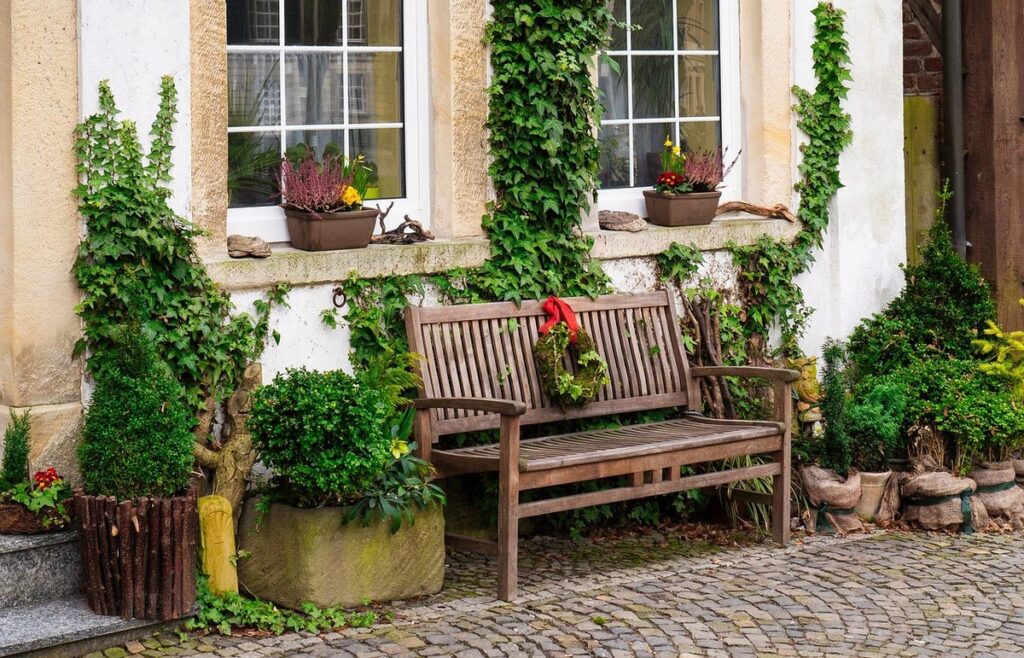
Benefits and Types of Garden Benches
Whether you’re looking for a relaxing spot to enjoy nature or a functional solution for outdoor entertaining, we’ll explore the benefits and varieties of garden benches that suit your needs.
Durable Materials: Wood and Metal Options
When it comes to choosing durable materials for your garden bench, wood and metal are two popular options. Wooden garden benches offer a timeless charm and can be made from sustainable sources such as reclaimed wood or FSC-certified timber. However, they require regular maintenance to prevent rot and insect damage. This includes applying a waterproof sealant every 6-12 months and cleaning the surface regularly.
On the other hand, metal garden benches are known for their durability and resistance to rust. Look for benches made from high-quality steel or aluminum that have been treated with a protective coating. Metal benches also require less maintenance than wood but can be heavy and may not be suitable for all garden settings. Some popular options include wrought iron and recycled metal benches.
When selecting a metal bench, consider the weight capacity to ensure it can support your weight comfortably. Additionally, think about the aesthetic appeal of the bench and how it will fit in with your garden’s overall style. By weighing these factors, you can choose the perfect durable material for your garden bench that meets both form and function requirements.
Stylish Designs to Match Your Outdoor Space
When it comes to selecting a garden bench, style plays a significant role in creating harmony with your outdoor space. Consider your home’s architecture and the overall aesthetic you want to achieve. For example, if you have a modern minimalist house, opt for a sleek and low-profile design that complements clean lines and minimal ornamentation.
On the other hand, traditional English country homes look best with classic, ornate designs featuring intricate details and carved wood. These styles evoke a sense of history and charm, perfect for creating a warm and inviting atmosphere in your garden.
For those who prefer a more rustic look, consider a bench made from reclaimed or weathered wood, which adds character to any outdoor space. This style is ideal for gardens with a natural, earthy feel and can be paired with other elements like stone walls and vintage planters.
Ultimately, the right design will enhance your garden’s look and feel by creating cohesion between your furniture, architecture, and surrounding environment.
Factors to Consider When Choosing a Garden Bench
When choosing the perfect garden bench, there are several factors you should consider to ensure it complements your outdoor space and meets your needs. Let’s break down these essential considerations together.
Size and Capacity: Ensuring Comfort for All
When choosing a garden bench, it’s essential to consider the size and capacity of the seat. This will ensure that you have enough room for all users to sit comfortably without feeling cramped or awkward.
To determine the optimal size for your garden bench, start by measuring your outdoor space. Take note of the dimensions of the area where you plan to place the bench, including any obstacles such as trees, plants, or pathways. Consider the number of people who will be using the bench at a time and the amount of space each person needs to sit comfortably.
A good rule of thumb is to provide at least 30-40 inches (76-102 cm) of width per person, taking into account any armrests or other features that may protrude from the seat. For example, if you’re planning a family gathering and expect 4-6 people to sit on the bench, look for a model with a minimum width of 120-150 inches (305-381 cm). By choosing a bench that fits your space and accommodates your needs, you can create a comfortable seating area that everyone will enjoy.
Safety Features: Slip-Resistant Surfaces and Sturdy Frames
When choosing a garden bench, safety features should be at the top of your list. A slip-resistant surface and sturdy frame are essential for ensuring that users of all ages can sit comfortably without worrying about their safety.
A slip-resistant surface is crucial, especially on wet or icy days when walking around the garden can be hazardous. Look for benches with textured surfaces or built-in non-slip mats to prevent accidents. Some gardens may experience extreme weather conditions, such as high winds or heavy snowfall, which can put additional stress on the bench’s frame. Therefore, it’s vital to choose a sturdy frame that can withstand these conditions.
Consider benches made from durable materials like recycled plastic or metal frames with reinforced legs. These will not only provide a secure seating experience but also resist damage caused by harsh weather conditions. To ensure your garden bench remains safe and secure over time, make sure to check the manufacturer’s warranty and maintenance instructions regularly.
Installation and Maintenance Tips
To get the most out of your garden bench, it’s essential to know how to properly install and maintain it to ensure years of comfortable outdoor seating. We’ve got you covered with these expert tips.
Preparing Your Garden for Bench Installation
Before installing your garden bench, it’s essential to prepare your garden bed properly. This involves leveling the ground, clearing weeds, and creating a stable base for optimal durability. Start by inspecting your garden bed and removing any debris or obstructions. Use a rake to smooth out the soil, ensuring it’s even and level.
Next, clear weeds from the area using a weeding tool or herbicide. Weeds can compromise the stability of your bench and create an uneven surface, so make sure to remove as much as possible. If you have any large rocks or roots that could interfere with the installation, consider removing them altogether.
To ensure your garden bench remains stable over time, install a solid base. This can be achieved by laying a foundation of compacted gravel or sand. For an added layer of stability, consider installing wooden posts or concrete footings around the perimeter of your bench area. Proper soil preparation will not only extend the lifespan of your garden bench but also provide a safe and comfortable seating area for years to come.
Regular Maintenance for Long-Term Use
Regular maintenance is crucial to extending the life of your garden bench. To keep it looking its best and ensure it remains safe for use, set aside some time each season for cleaning and upkeep.
Start by gently sweeping away debris such as leaves or twigs using a soft-bristled brush. For tougher stains, mix a solution of mild soap and water, and apply it to the affected area with a clean cloth. Avoid using harsh chemicals or abrasive materials that can damage the finish.
Don’t forget to lubricate moving parts like hinges and joints with silicone spray or oil. This will prevent creaking and make future adjustments easier. Inspect your bench regularly for signs of wear, such as rust, cracks, or loose screws.
Address any issues promptly to prevent further damage from weather exposure. Consider applying a waterproof sealant to protect the wood from moisture. By staying on top of maintenance tasks, you’ll be able to enjoy your garden bench for years to come.
Budget-Friendly Options and DIY Projects
You can create a beautiful garden bench without breaking the bank by exploring budget-friendly materials and repurposing items you already have at home. Let’s get creative!
Affordable Alternatives: Repurposing Old Furniture
When it comes to creating a unique garden bench on a budget, one of the most creative and eco-friendly solutions is repurposing old furniture. Instead of buying new materials, scour your local thrift stores, garage sales, or second-hand shops for discarded pieces that can be transformed into something beautiful.
Consider upcycling an old wooden door, window frame, or even an antique dresser to create a one-of-a-kind garden bench. You can refinish the piece with a fresh coat of paint or stain, add new cushions and upholstery, and attach some sturdy legs to create a cozy seating area. Not only will you save money on materials, but you’ll also be reducing waste and giving old items a new life.
Some potential cost savings from repurposing old furniture include:
* A wooden door can become a bench for under $20
* An old window frame can be transformed into a garden seat for around $30
* Reusing existing materials can save up to 70% of the original material costs
By thinking outside the box and getting creative, you can create a unique and functional garden bench that reflects your personal style while being kind to the environment.
A Step-by-Step Guide to Building Your Own Garden Bench
Building your own garden bench is a fun and rewarding DIY project that can save you money and add a personal touch to your outdoor space. To get started, gather the following materials: 2 x 4 lumber for the frame, 1 x 6 boards for the seat and backrest, screws, nails, wood glue, and weather-resistant wood finish.
Begin by assembling the frame of your bench using 2 x 4 lumber. Use screws to attach the legs and support beams together, making sure they are level and sturdy. Next, cut the 1 x 6 boards to size for the seat and backrest, and attach them to the frame using nails or wood glue.
As you work on your project, keep in mind safety precautions such as wearing protective gloves and eyewear, and ensuring good ventilation when working with power tools. Consider adding a coat of weather-resistant finish to protect your bench from the elements. With patience and attention to detail, you can create a beautiful and functional garden bench that complements your outdoor space for years to come.
When choosing materials, consider using reclaimed or sustainable wood to reduce waste and minimize environmental impact. Additionally, think about incorporating storage compartments or cup holders into your design to enhance functionality.
Frequently Asked Questions
Can I use reclaimed wood for a budget-friendly option?
Reclaimed wood is a sustainable choice, but it may not always be the most cost-effective option. Consider combining reclaimed wood with more affordable materials to achieve your desired design while staying within your budget.
How do I choose the right size and capacity for my garden bench?
When selecting the perfect size, consider the space available in your garden and how you plan to use the bench. For example, if you’re hosting large gatherings, opt for a longer or wider seat that can accommodate more people comfortably.
Are there any DIY projects I can do with existing furniture to create a unique outdoor seating area?
Yes! Repurposing old furniture is an excellent way to breathe new life into your garden while reducing waste. Get creative and think outside the box – you might be surprised at how a vintage chair or table can become a beautiful garden bench.
What are some essential safety features I should look for in a garden bench, especially if I have young children?
Slip-resistant surfaces and sturdy frames are crucial for ensuring your garden bench is safe for everyone. Consider benches with built-in non-slip mats or textured surfaces that can provide extra grip for those who may need it.
How often should I maintain my garden bench to ensure its longevity?
Regular maintenance is key to extending the life of your garden bench. Schedule a deep clean every few months, and inspect the frame and cushions regularly for signs of wear and tear. This will help prevent damage and keep your bench looking its best.