
Are you tired of struggling to find beautiful flowers and shrubs that can withstand full sun conditions? Creating a stunning sun garden can seem daunting, but with the right plants, it’s easier than you think. A well-curated list of low-maintenance sun garden plants is all you need to create a breathtaking outdoor space that requires minimal upkeep.
In this article, we’ll delve into our comprehensive guide on choosing the perfect flowers and shrubs for your full-sun garden. We’ve compiled a list of the most stunning and hardy plants that will thrive in even the brightest conditions. From vibrant blooms to lush foliage, our sun garden plants list has got you covered. Whether you’re a seasoned gardener or a beginner, this guide will walk you through everything you need to know to create a sun-kissed oasis in your own backyard.
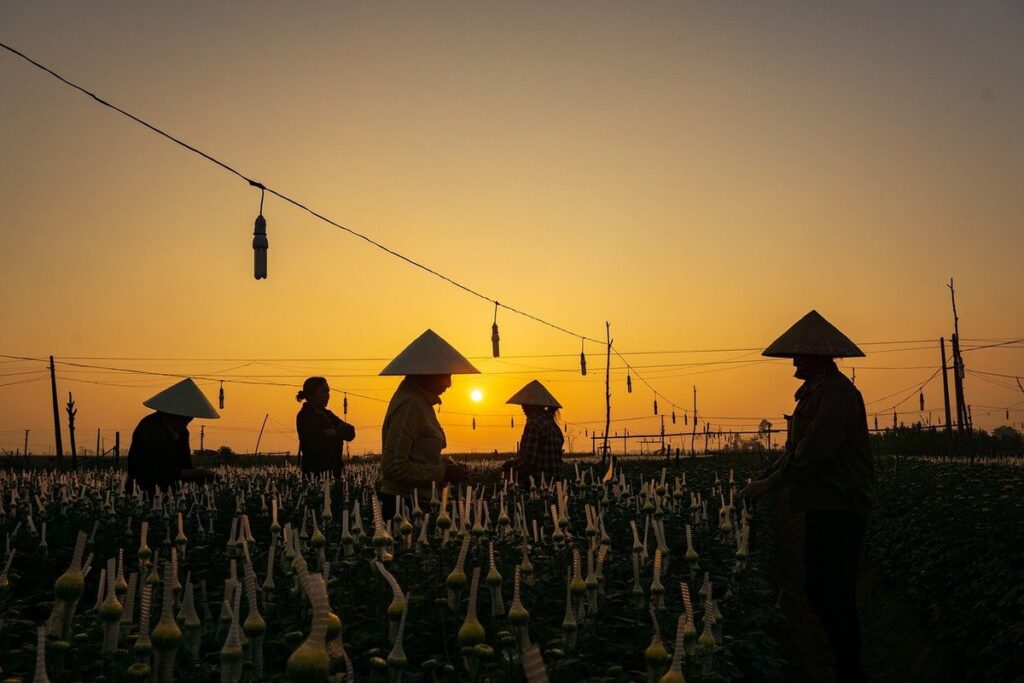
Introduction to Sun-Garden Planning
Welcome to our comprehensive guide, where we’ll walk you through the essential steps of planning a stunning sun garden that will thrive all season long. Let’s start at the beginning!
Understanding Your Climate and Soil Type
When planning your sun garden, it’s essential to consider two critical factors: climate and soil type. These elements can significantly impact the growth and maintenance of your plants, and choosing varieties that thrive in your specific environment is crucial for a lush and healthy outdoor oasis.
Climate plays a substantial role in determining which sun-garden plants will do well in your area. For example, if you live in an arid region with intense sunlight, succulents and cacti are ideal choices due to their drought tolerance. Conversely, areas with mild winters and cool summers may require more delicate species like lavender or geraniums that can tolerate some frost.
Soil type is another vital consideration, as it affects a plant’s ability to absorb essential nutrients. If your soil is heavy clay or sandy, you’ll need to choose plants that are tolerant of these conditions. For instance, if you have alkaline soil, select plants like hydrangeas and azaleas that prefer slightly acidic to neutral pH levels.
In summary, understanding your climate and soil type will help you make informed decisions when selecting sun-garden plants for your outdoor space. By choosing varieties that thrive in your specific environment, you’ll enjoy a vibrant and low-maintenance garden that brings joy and beauty to your home.
Setting Goals for Your Sun Garden
When planning your sun garden, it’s essential to set clear goals that will help you create a beautiful and low-maintenance outdoor space. Having a sun garden can bring numerous benefits, such as reduced water consumption – since most plants require minimal watering – and lower maintenance costs, as many sun-tolerant plants are disease-resistant and don’t need frequent pruning.
Before choosing the perfect plants for your sun garden, take some time to think about your personal preferences and needs. What type of look do you want to achieve in your outdoor space? Do you prefer a vibrant, colorful display or a more subtle, natural palette? Consider your lifestyle as well – if you have limited time for gardening, choose low-maintenance plants that can thrive with minimal care.
Consider the amount of sunlight your garden receives and choose plants accordingly. If your sun garden gets intense direct sunlight for most of the day, opt for heat-tolerant plants like succulents or cacti. For a partial shade setting, select plants with varying levels of shade tolerance.
Choosing Low-Maintenance Flowers for Your Sun Garden
When selecting flowers for your sun garden, it’s essential to choose low-maintenance options that thrive in full sun without requiring constant care. We’ll explore the best varieties to add a pop of color and vibrancy to your outdoor oasis.
Drought-Tolerant Annuals
When it comes to sun gardens, many of us think that drought-tolerant plants are limited to perennials and succulents. However, there’s a wonderful world of annual flowers that can thrive in full sun with minimal watering requirements. These beautiful blooms not only add vibrancy to your outdoor space but also require less maintenance than their perennial counterparts.
Some popular drought-tolerant annuals include zinnias, marigolds, and petunias. Zinnias are easy to grow from seed and come in a variety of colors, making them perfect for adding a pop of color to your sun garden. Marigolds have bright yellow and orange flowers that repel nematodes and other pests, making them an excellent choice for gardens with poor soil quality. Petunias cascade beautifully over containers or hanging baskets, creating a stunning display of trumpet-shaped blooms.
To grow these drought-tolerant annuals successfully, remember to plant them in well-draining soil and provide full sun (six hours or more of direct sunlight per day). Water them deeply once or twice a week, depending on weather conditions. With proper care, these flowers will bloom all summer long, requiring minimal watering and attention. By incorporating drought-tolerant annuals into your sun garden, you can enjoy vibrant blooms with ease!
Perennial Flowers That Love the Sun
When it comes to choosing perennial flowers that thrive in sunny conditions, you can’t go wrong with coneflowers. These drought-tolerant blooms are perfect for hot spots in your sun garden and provide long-lasting color from mid-summer to fall. They come in a variety of colors, including pink, purple, and white, and attract butterflies and hummingbirds to their nectar-rich flowers.
Another low-maintenance option is black-eyed Susans (Rudbeckia hirta), which can tolerate full sun and dry soil. Their bright yellow petals with dark centers create a cheerful display from mid-summer to fall. Daylilies are also an excellent choice, as they require minimal care and provide months of blooms in shades of pink, purple, and white.
To get the most out of these sun-loving perennials, be sure to plant them in well-draining soil and water them regularly during their first growing season. This will give them a strong root system that can withstand the heat and dryness of your sun garden. With proper care, you’ll enjoy years of beautiful blooms from these hardy flowers.
Selecting the Perfect Shrubs for Your Sun Garden
When it comes to creating a beautiful sun garden, selecting the perfect shrubs is crucial. Here, we’ll explore some fantastic options that will thrive in your sunny outdoor space.
Evergreen Shrubs for Year-Round Interest
When it comes to creating a sun garden that’s visually appealing year-round, evergreen shrubs are an excellent choice. These hardy plants maintain their foliage throughout the seasons, providing structure and interest to your outdoor oasis even when other flowers have faded.
Take boxwood, for example – its compact, rounded shape makes it perfect for hedges or topiaries. Or consider holly, which boasts glossy leaves and bright red berries that add a pop of color in winter months. Yew is another excellent option, with its dark green foliage providing year-round contrast to lighter-colored flowers.
Evergreen shrubs offer numerous benefits, including low maintenance and the ability to thrive in conditions where other plants might struggle. They also provide a framework for your garden, allowing you to create cohesive looks by combining them with seasonal flowers and decorative elements. To get the most out of these versatile shrubs, be sure to plant them in well-draining soil and prune regularly to maintain their shape. By incorporating evergreen shrubs into your sun garden design, you can enjoy a vibrant, engaging outdoor space that’s always looking its best – even on grey winter days or during the heat of summer.
Deciduous Shrubs for Seasonal Change
When it comes to adding seasonal interest to your sun garden, deciduous shrubs are an excellent choice. These versatile plants change with the seasons, providing a dynamic display of color and texture that will keep your outdoor space engaging throughout the year.
Consider incorporating viburnum into your sun garden design. This low-maintenance shrub produces fragrant flowers in spring and summer, followed by vibrant berries in fall. Its glossy leaves turn brilliant shades of red, orange, or yellow as they prepare for dormancy. With over 150 species to choose from, you’re sure to find a viburnum that fits your garden style.
Weigela is another popular deciduous shrub that brings seasonal charm to sun gardens. In spring, its trumpet-shaped flowers burst forth in shades of pink, red, or white, while its leaves turn golden yellow or deep crimson in fall. Weigela is also relatively easy to care for and can thrive in a variety of soil types.
Spirea is yet another deciduous shrub that offers year-round interest. Its delicate pink or purple flowers bloom in spring and summer, followed by an explosion of color as its leaves turn golden yellow, crimson red, or deep purple in fall. With over 80 species to choose from, you can find a spirea that fits your desired level of maintenance and growth habits.
When selecting a deciduous shrub for your sun garden, remember to consider factors such as mature size, soil type, and moisture levels. By choosing the right plant for your specific climate and conditions, you’ll be able to enjoy its seasonal interest to the fullest.
Companion Planting in Your Sun Garden
When planning a sun garden, incorporating companion planting is a simple yet effective way to enhance growth and minimize pests naturally. This section shares some clever pairing ideas for your outdoor oasis.
Benefits of Companion Planting
Companion planting is a game-changer for sun garden enthusiasts. By introducing beneficial plants that repel pests and attract pollinators, you can create a harmonious ecosystem that reduces the need for pesticides and fertilizers. For instance, basil repels aphids and other pests, making it an excellent companion plant for tomatoes. Nasturtiums, on the other hand, attract whiteflies and aphids, helping to protect your flowers from damage.
Marigolds and calendula are also popular choices for their ability to repel nematodes and attract beneficial insects. By planting these flowers alongside your sun-loving plants, you can create a pest-free environment that encourages healthy growth. To get started with companion planting, identify the types of pests that commonly affect your garden and choose plants that naturally repel them. Then, plant them alongside your sun garden favorites to create a balanced ecosystem.
For example, if you’re growing vegetables like tomatoes or peppers, consider pairing them with basil, oregano, or mint, which repel pests like aphids, whiteflies, and spider mites. By incorporating companion planting into your gardening routine, you can enjoy a thriving sun garden without the need for harsh chemicals.
Examples of Companion Plants for Sun Gardeners
When it comes to creating a thriving sun garden, companion planting can be just as important as choosing the right flowers and shrubs. Companion plants are not only visually appealing but also help to deter pests, improve soil health, and even enhance the flavor of nearby herbs. Let’s take a look at some examples of sun-loving companion plants that pair perfectly with your favorite flowers and shrubs.
Basil is an excellent choice for any sun garden, and it’s especially lovely paired with bright blooms like marigolds or zinnias. Mint, on the other hand, can be used to repel pests from nearby plants, making it a great companion for vegetables like tomatoes and peppers. Lemongrass adds a tropical touch to your garden and can help to repel mosquitoes and other pests.
When selecting companion plants for your sun garden, consider what benefits you’re looking for. Do you want to attract pollinators? Try planting sunflowers or cosmos alongside your flowers and shrubs. Or perhaps you’re looking to deter pests? Basil and mint are excellent choices for this purpose. By incorporating these sun-loving companions into your garden design, you can create a thriving outdoor oasis that’s both beautiful and functional.
Tips for Caring for Your Sun-Garden Plants
To keep your sun-garden plants thriving, it’s essential to know how to care for them properly, and we’ve got some valuable tips to share. From watering techniques to pruning methods, we’ll cover everything you need to know.
Watering Strategies for Sun-Loving Plants
Watering sun-loving plants requires finesse to ensure they receive the right amount of moisture without drowning them. Overwatering is a common mistake that can lead to root rot and other issues, so it’s essential to get it right.
First, observe your plants’ natural watering needs. Some species thrive in dry conditions, while others require more consistent moisture. Check the plant tag or research the specific watering requirements for your particular variety.
To avoid overwatering, use a drip irrigation system or soaker hose that delivers water directly to the roots, reducing evaporation and runoff. Mulch around plants can also help retain moisture and suppress weeds. Opt for drought-tolerant mulches like straw or pine needles that don’t trap too much water.
Aim to water when the top 2-3 inches of soil feel dry to the touch. Water deeply but infrequently, encouraging deep root growth and making your plants more resilient to drought. Be mindful of weather forecasts; avoid watering during periods of heavy rain or extreme heat.
Regularly inspect your plants for signs of water stress or overwatering. Adjust your watering schedule as needed based on observations of soil moisture, plant health, and local climate conditions.
Fertilization and Pruning for Optimal Growth
When it comes to maintaining your sun-garden plants, two crucial aspects that often get overlooked are fertilization and pruning. These simple yet essential tasks play a significant role in promoting healthy growth, encouraging blooming, and ultimately keeping your outdoor oasis thriving.
Regular fertilization provides the necessary nutrients for optimal plant development. A balanced fertilizer, rich in nitrogen, phosphorus, and potassium, should be applied during the growing season (spring-fall). You can also consider using compost tea or worm casting to supplement with beneficial microbes that enhance soil fertility. For example, adding a 2-inch layer of compost around your plants can improve their growth rate by up to 25%.
Pruning is another vital process for maintaining sun-garden plants. Prune dead or damaged branches to prevent disease and pests from spreading. This will also promote new growth, as the plant directs its energy towards healthy areas. For flowering plants like roses and hydrangeas, pruning encourages blooming by promoting bushy growth.
Frequently Asked Questions About Sun Garden Plants
As you plan and plant your sun garden, you likely have questions about these radiant beauties – here are some of our most frequently asked ones answered. We’ve got the answers right here!
Answers to Common Questions
One of the most significant concerns when planning a sun garden is ensuring that it can thrive under varying weather conditions. Let’s address some common questions that might be on your mind.
What type of plants should I choose for my sun garden if I have clay soil? Clay soils tend to retain moisture, which can lead to waterlogged roots and root rot in sensitive plants. To combat this, opt for plants like lavender or rosemary, which are drought-tolerant and can handle the heavy clay. If you still want to grow plants that prefer well-drained soil, consider creating raised beds with a mix of compost and perlite.
How do I protect my sun garden from extreme weather conditions? To safeguard your plants from scorching heat or freezing temperatures, mulch around them to retain moisture and regulate soil temperature. For areas prone to intense sunlight, use shade cloth or install umbrellas to filter the sun’s rays. In regions with harsh winters, consider using a frost blanket or bringing potted plants indoors during the coldest months.
If you’re unsure about which plants will perform well in your specific climate, consult local nurseries or gardening experts for guidance on selecting suitable varieties.
Additional Resources for Sun-Garden Enthusiasts
If you’re eager to learn more about designing and maintaining a stunning sun garden, there are plenty of fantastic resources available. To get you started on this sun-garden journey, I recommend checking out the following books:
* “The New Sunset Western Garden Book” by Kathleen Norris Brenzel – A comprehensive guide that covers everything from plant selection to garden design for Western gardens.
* “Sun Gardens: How to Create a Beautiful and Low-Maintenance Outdoor Space” by Jennifer Eberhart – This book offers expert advice on designing and maintaining sun-gardens, with beautiful photos and illustrations.
You can also explore the following websites:
* The National Gardening Association’s (NGA) website has an extensive library of articles and resources on sun gardening, including plant care tips and garden design ideas.
* The American Horticultural Society (AHS) website features a wealth of information on sun-garden plants, as well as advice on garden maintenance and care.
Join social media groups dedicated to sun gardens, such as the “Sun Garden Lovers” Facebook group or the #sungardengoals Instagram community, to connect with like-minded enthusiasts and share your own experiences.
Frequently Asked Questions
Can I Mix Low-Maintenance Plants With More Challenging Ones?
You can, but it’s essential to choose a mix that balances each other’s needs. For example, pairing drought-tolerant plants with more moisture-loving ones requires careful consideration of watering schedules and soil types. Start by grouping plants with similar requirements together to simplify maintenance.
What If I Have Limited Space for My Sun Garden?
Even small spaces can be beautifully designed with sun garden plants! Consider vertical gardening options like trellises or wall-mounted planters to maximize space. You can also choose compact varieties of flowers and shrubs that don’t require a lot of real estate but still provide stunning blooms.
How Do I Determine the Right Amount of Sun for My Plants?
To ensure your plants receive the right amount of sunlight, observe their growth patterns and adjust placement accordingly. If you notice fading or discoloration, it may indicate too much direct sun. Conversely, if leaves are becoming leggy, they might not be getting enough light. Use this feedback to make adjustments.
Can I Grow Sun Garden Plants Indoors?
While some sun garden plants can thrive indoors with proper lighting and care, others require direct sunlight from the outdoors. Research specific plant requirements to determine what can work in an indoor setting. Make sure to replicate outdoor conditions as closely as possible, including temperature fluctuations and humidity levels.
What’s the Best Way to Divide Large Shrubs for Smaller Spaces?
When dividing large shrubs, it’s essential to choose the right time of year (usually during their dormant season) to minimize stress on the plant. Dig carefully around the roots, taking care not to damage them, and gently separate the sections. Replant immediately in a location with suitable sunlight and soil conditions.