
When it comes to gardening in shade, finding the right plants can be a challenge. But don’t worry, you’re in luck because today we’re going to explore the best shrubs for shady areas. Whether your garden is blessed with dappled sunlight or deep shade, there are plenty of amazing options to choose from. In this article, we’ll take a closer look at some popular native and non-native varieties, including evergreen and deciduous shrubs that will add beauty and structure to even the shadiest of gardens. We’ll also share expert tips on maintenance and care to help you keep your new additions looking their best all year round. By the end of this article, you’ll have a solid understanding of how to create a stunning and low-maintenance garden in any level of shade.
Understanding Your Shady Area
Understanding Your Shady Area: Before choosing shrubs, it’s essential to assess your yard’s specific shade conditions and identify areas that receive partial sunlight. This will help you select the right plants for each spot.
Assessing Light Levels and Conditions
When assessing light levels and conditions in a shady area, it’s essential to consider the impact of tree coverage and surrounding structures. Start by observing the area at different times of day, noting how the shade changes throughout the morning and afternoon. This will give you an idea of the overall light patterns.
Take note of any nearby trees or buildings that may be casting shadows on your planting area. Consider the density and canopy coverage of these structures – a single large tree can cast deeper shadows than multiple smaller ones. Measure the distance between these structures and your planting area to determine their impact on available sunlight.
Keep in mind that while north-facing areas tend to receive less direct sunlight, they often experience more dappled light due to reflected light from surrounding surfaces. Conversely, south-facing areas may receive harsher midday sun but also benefit from longer periods of indirect sunlight in the afternoon. Understanding these variations will help you choose shrubs that thrive in your specific light conditions.
Considering Soil Type and Moisture Levels
When choosing shrubs for shady areas, it’s essential to consider the soil type and moisture levels. These factors can significantly impact plant growth, and ignoring them may lead to stunted or struggling plants.
To determine the condition of your soil, start by testing its pH level and nutrient content. You can purchase a DIY soil testing kit or send a sample to a lab for analysis. Based on the results, you may need to adjust the pH or add fertilizers to improve the soil‘s fertility.
Different shrub species prefer different soil conditions. For example, azaleas and rhododendrons thrive in acidic soils with high organic matter content, while boxwood and holly tolerate a wide range of soil types but prefer well-draining soils. Similarly, some shrubs, like hydrangeas, require consistently moist soil, while others, such as lavender and rosemary, are drought-tolerant.
Before planting, also assess the moisture levels in your shady area. Shrub roots may not get enough water if the soil is too dry or too wet. Check the soil’s water-holding capacity by digging a small hole and observing how quickly it drains. Based on the results, you can either improve drainage or increase watering frequency to ensure your shrubs receive the right amount of moisture.
Selecting Shade-Tolerant Shrubs
When selecting shade-tolerant shrubs for your garden, it’s essential to consider factors such as sunlight tolerance and soil requirements to ensure you choose plants that will thrive in low-light conditions.
Native Options for Low-Maintenance Beauty
When it comes to low-maintenance beauty, native shrub species are an excellent choice for shady areas. Not only do they thrive in shade, but they also provide a range of benefits that make them ideal for busy gardeners or those looking for easy-care options.
One great example is the Inkberry Holly (Ilex glabra), a native shrub that excels in shade and requires minimal maintenance. It produces small white flowers in spring, followed by black berries that attract birds and other wildlife. The Inkberry’s glossy leaves are a lovely deep green color, adding depth and texture to shady areas.
Another option is the Virginia Sweetspire (Itea virginica), which tolerates full shade and has an attractive, vase-shaped habit. Its panicles of white flowers in summer attract pollinators and hummingbirds, while its seed heads provide winter interest. Both shrubs are relatively compact, growing 3-6 feet tall and wide, making them perfect for smaller gardens or hedges.
These native options not only save time on maintenance but also offer a range of ornamental characteristics that can enhance the beauty of your garden.
Evergreen and Deciduous Options for Year-Round Interest
When selecting shade-tolerant shrubs, it’s essential to consider options that provide year-round interest. This can be achieved with both evergreen and deciduous shrub varieties.
Evergreen shrubs retain their foliage throughout the seasons, offering a consistent appearance. For example, Boxwood (Buxus sempervirens) is an excellent choice for shady areas, requiring minimal maintenance and pruning. Its dense, compact growth habit makes it ideal for hedges or topiaries. Other options include Holly (Ilex spp.), which provides berries for winter interest, and Rhododendron (Rhododendron spp.), with its vibrant blooms in spring.
Deciduous shrubs, on the other hand, shed their leaves seasonally but often offer showy flowers or attractive bark. Weigela (Weigela florida) is a popular deciduous option, producing trumpet-shaped flowers in shades of pink and red. Its relatively low maintenance requirements make it suitable for shady areas with moderate watering needs. Other options include Hydrangea (Hydrangea spp.), which offers large white or blue blooms, and Burning Bush (Euonymus alatus), with its striking fall color.
When choosing between evergreen and deciduous shrubs, consider the specific conditions of your shaded area, including sunlight levels, soil type, and maintenance requirements.
Designing a Shrub Garden in Shade
When designing a shrub garden in shade, it’s essential to choose varieties that thrive in low-light conditions and require minimal maintenance to keep them healthy and looking their best. Let’s explore some expert tips for creating a stunning shrub garden in partial or full shade.
Creating a Focal Point or Border
When creating a focal point or border in your shaded shrub garden, select a statement-making shrub as the anchor. For example, consider using a dramatic hydrangea like ‘Limelight’ with its vibrant pink flowers or the compact beauty of a purple-leafed smokebush (Cotinus x ‘Purpureus’). This shrub becomes the visual centerpiece and sets the tone for the rest of your design.
To create cohesion in your border, choose companion plants that complement the focal point’s foliage and bloom times. For instance, plant low-growing perennials like coral bells or ajuga around a statement-making shrub to add texture and interest. Incorporate plants with varying growth habits – some tall and upright, others spreading or clumping – to create visual layers.
To enhance visual cohesion, use repetition wisely. Repeating the same type of foliage (e.g., silver-leaved shrubs) in strategic locations creates a sense of harmony throughout your garden. Balance repetition by introducing contrasting colors and textures to keep the space visually engaging.
Layered Planting for Depth and Texture
When designing a shrub garden in shade, it’s easy to fall into the trap of choosing plants that are solely based on their ability to thrive in low-light conditions. However, this approach can often result in a monotonous and flat landscape. To add depth and visual interest to your shady area, consider layering your shrubs with other plants, such as perennials and groundcovers.
Start by selecting a compact or dwarf shrub that serves as the base layer, providing structure and framework for the rest of the design. Then, choose perennials and groundcovers that complement the shrub’s bloom time, texture, and growth habit. For example, if you’ve chosen a shrub with white blooms in the spring, consider adding some early-blooming perennials like bleeding heart or forget-me-nots to create a colorful display.
Remember to consider factors such as mature size, growth rate, and maintenance requirements when selecting plants for each layer. This will ensure that your design remains balanced and harmonious over time. By thoughtfully layering shrubs with other plants, you can create a lush, layered look that adds depth, texture, and visual interest to even the shadiest of areas.
Shrubs for Specific Shady Conditions
When dealing with especially challenging shady conditions, you’ll want to choose shrubs that can thrive in those areas and provide the beauty you’re looking for. This section highlights top picks for specific types of shade.
Drought Tolerance for Low-Water Areas
When it comes to shrubs for low-water areas with shade, drought tolerance is essential. Some shrub species are more resilient to water scarcity than others and can thrive in environments where moisture levels are consistently low.
Consider the following options: Little-leaf Linden (Tilia cordata), Redbud (Cercis canadensis), and Inkberry Holly (Ilex glabra). These shrubs have adapted to survive with minimal watering. For example, the Little-leaf Linden requires only 30 inches of annual rainfall to grow well. This is significantly lower than most other shrub species.
When selecting drought-tolerant shrubs for low-water areas, keep in mind their growing requirements, such as sun exposure and soil type. Most drought-tolerant shrubs prefer full sun but will also grow in partial shade. Soil quality can also impact a plant’s ability to conserve water. In areas with poor soil, choose shrubs that are adapted to these conditions.
Remember to establish new plants properly by providing enough water during the first year of growth. Watering during extreme heat and drought is crucial for the initial development of the root system. After the root system has developed, reduce watering frequency to let the plant develop its natural drought tolerance.
Acidic Soil Shrubs for Woodland Gardens
When it comes to woodland gardens with acidic soil conditions, there are many beautiful and low-maintenance shrub options that can thrive. One of the most popular choices is the Hydrangea, specifically the Bigleaf variety (Hydrangea macrophylla), which produces stunning blue or pink flowers depending on soil pH.
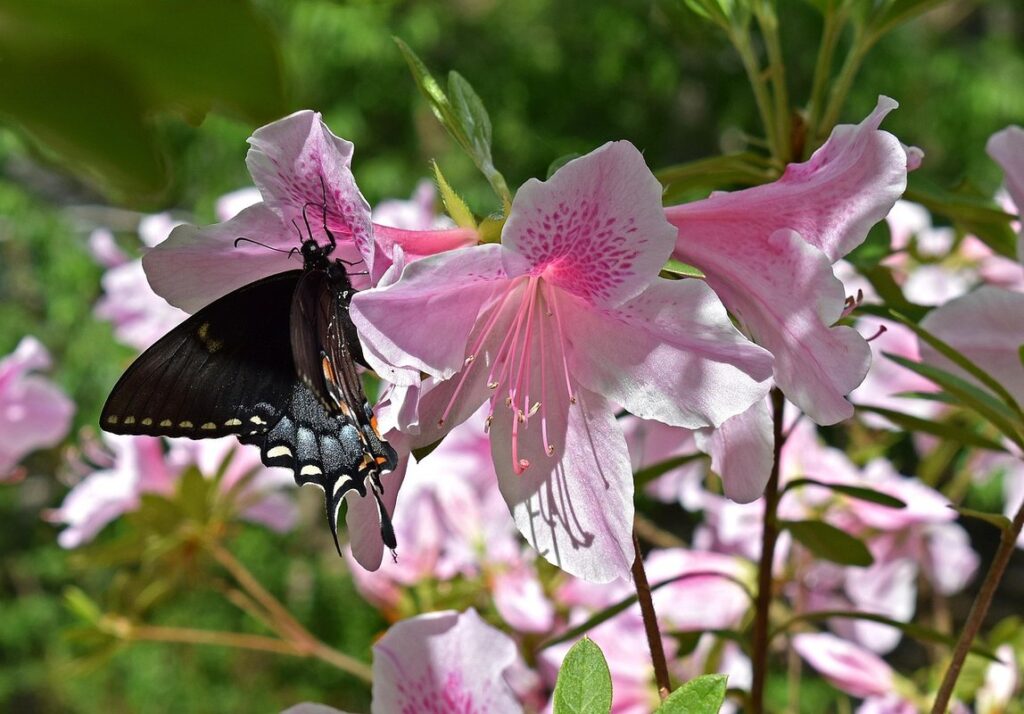
Other acid-loving shrubs suitable for woodland gardens include Rhododendrons and Azaleas, both of which are renowned for their vibrant blooms in shades of pink, purple, and white. These shrubs require consistent moisture and acidic soil with a pH between 5.5 and 6.5 to perform at their best.
To maintain an environment conducive to these acid-loving shrubs, ensure your woodland garden has well-draining soil and adequate shade. Mulch around the base of plants to retain moisture and suppress weeds, and avoid over-fertilizing as this can alter soil pH levels. Regular watering is also crucial, especially during periods of drought.
By incorporating these tips and choosing the right acid-loving shrubs for your woodland garden, you’ll be rewarded with a vibrant display of color that’s sure to attract wildlife and delight onlookers.
Maintenance and Care Tips
To keep your newly planted shrubs thriving, it’s essential to know how to properly care for them, including regular watering, pruning, and fertilization schedules.
Pruning and Training Techniques
When it comes to maintaining shrubs in shady areas, pruning and training techniques become essential to promote healthy growth and shape plants. Shady conditions can lead to weak and leggy growth, so regular pruning is necessary to maintain a balanced appearance.
To prune shady shrubs effectively, focus on removing any dead, diseased, or damaged branches. Cut them back to about 1/4 inch above a growth node (the point from which new shoots emerge) using clean, sharp tools. This will help prevent the spread of disease and encourage new growth. For more vigorous pruning, cut stems back by one-third to half to maintain shape and promote bushy growth.
Training techniques are also crucial in shady areas where plants may become leggy or top-heavy. Use stakes or trellises to provide support for tall shrubs like hydrangeas or rhododendrons. Regularly prune branches that grow towards the ground or towards nearby plants to maintain air circulation and prevent disease.
Pest and Disease Management in Shady Areas
When it comes to maintaining shrubs in shady areas, pest and disease management is just as crucial as choosing the right plants. Shaded gardens can be breeding grounds for pests and diseases due to the warm and humid microclimate they create.
Some common pests found in shaded gardens include slugs, snails, and scale insects. These can cause significant damage to your shrubs if left unchecked. For instance, aphids can spread plant viruses like rose mosaic virus, while spider mites can weaken shrub stems. Identify these pests by looking for curled or distorted leaves, sticky honeydew droplets, or actual mites on the undersides of leaves.
To manage pest and disease issues in your shady garden, adopt an integrated pest management (IPM) approach. This involves using a combination of techniques like hand-picking, copper tape barriers to deter slugs and snails, introducing beneficial insects like ladybugs that prey on aphids, and applying targeted pesticides when necessary. Regularly inspect your plants for signs of pests or diseases, prune infected areas, and maintain good garden hygiene by removing weeds and debris that can harbor pests.
Frequently Asked Questions
Can I use the same shrub in multiple areas of my garden with varying light conditions?
Yes, many shade-tolerant shrubs can adapt to different light levels. However, it’s essential to consider their specific growing requirements and adjust your care accordingly. For instance, a shrub that thrives in deep shade may need more frequent watering if moved to an area with partial sunlight.
How do I determine the best type of soil for my shrubs?
When selecting shrubs for shady areas, it’s crucial to consider the local soil conditions. Test your soil type and pH level to ensure you’re choosing plants that will thrive in those conditions. For example, if your soil is acidic, look for shrubs adapted to woodland gardens or those specifically listed as suitable for acidic soils.
Can I use evergreen shrubs year-round without any maintenance?
While evergreen shrubs provide year-round interest, they still require regular care. Prune them seasonally to maintain their shape and promote healthy growth. Also, be prepared to address potential pest or disease issues that may arise due to the lack of sunlight.
What if I have a small space in my garden with limited shade? Can I still plant shrubs?
Even small areas can benefit from carefully selected shrubs. Consider compact or dwarf varieties specifically bred for shady conditions and smaller spaces. These plants will not only thrive but also add structure and beauty to your small shaded area.
How do I ensure that my shrubs receive the right amount of moisture in their specific shade condition?
The watering needs of shrubs vary depending on their light level, soil type, and climate. Observe your plants regularly during different seasons and adjust your watering schedule accordingly. For example, a shrub in deep shade may require less frequent watering than one in partial sunlight with similar soil conditions.