
Are you tired of seeing your garden go to waste when it comes to supporting local wildlife? Native shrubs are the answer, providing essential food sources, shelter, and habitats that can transform your outdoor space into a haven for birds, bees, and butterflies. By choosing native species, you’ll be creating a haven that’s tailored specifically to the needs of the local ecosystem. But which types of native shrubs should you plant, and how do you care for them? In this article, we’ll explore the best species to include in your garden, from flowering shrubs to berry-producing bushes, and provide expert tips on how to nurture them. Whether you’re a seasoned gardener or just starting out, you won’t want to miss these practical tips and ideas for creating a wildlife-friendly haven in your own backyard.
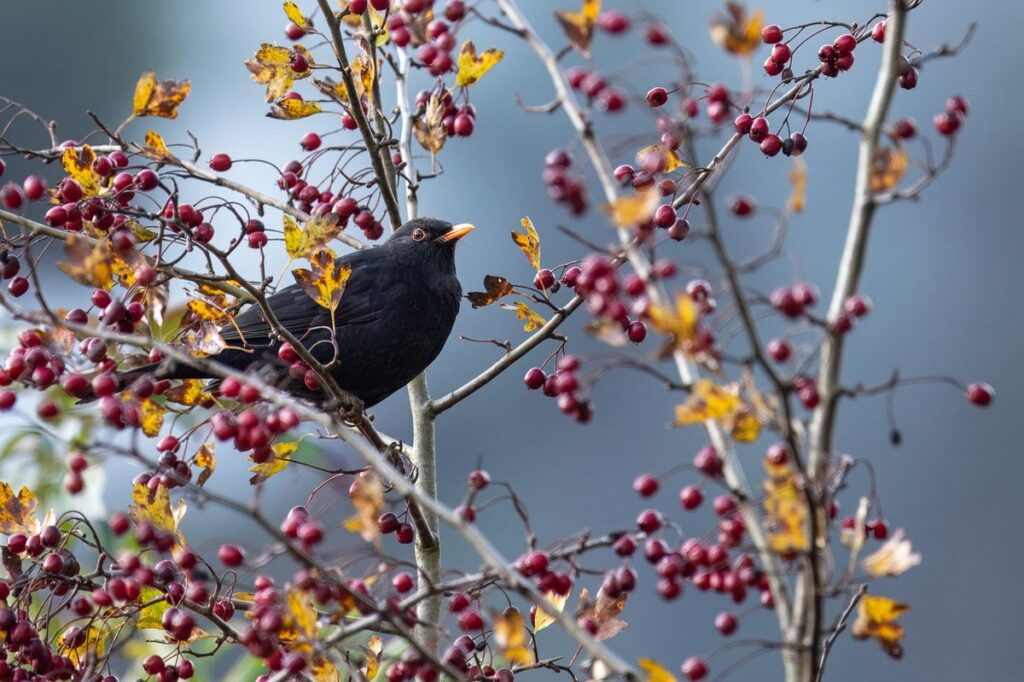
Choosing the Right Native Shrubs
When selecting native shrubs for your wildlife garden, choosing the right ones is crucial to support local biodiversity and create a thriving ecosystem. Let’s dive into some key considerations to make an informed decision.
Understanding Your Climate and Soil Type
When choosing native shrubs for wildlife, it’s essential to consider your local climate and soil type. This might seem obvious, but many gardeners make the mistake of selecting plants that thrive in other regions without considering their own unique conditions.
To determine your local climate, start by checking online resources such as the USDA Plant Hardiness Zone Map or the National Oceanic and Atmospheric Administration (NOAA) Climate Data Online tool. These websites provide detailed information on temperature ranges, precipitation levels, and other climate-related factors specific to your area.
Next, consider your soil type. Is it sandy, clay-based, or a mix of both? Does it drain well, or does water tend to collect in certain areas? Native shrubs can tolerate some variation in soil conditions, but they’ll perform best when planted in soil that matches their natural habitat. Research native shrub species suitable for your specific climate and soil type to ensure they’ll thrive in your garden.
For example, if you live in a dry region with well-draining soil, consider planting shrubs like Texas Sage or Desert Willow. In contrast, areas with high rainfall and clay-based soils might do better with shrubs like American Beautyberry or Inkberry Holly. By choosing native shrubs that match your local climate and soil type, you’ll create a welcoming habitat for wildlife in your garden.
Selecting Shrubs Based on Wildlife Needs
When selecting shrubs for wildlife, it’s essential to consider their specific needs and preferences. Different species of birds, butterflies, and small mammals have varying requirements for food sources, shelter, and habitat.
For bird-friendly shrubs, look for plants that provide berries, seeds, or nectar-rich flowers. For example, beautyberry (Callicarpa americana) is a native shrub that produces bright purple berries that attract migratory birds, while American hazelnut (Corylus americana) provides nuts for songbirds. Butterfly-friendly shrubs should have nectar-rich flowers, such as Joe-Pye weed (Eutrochium maculatum) or butterfly bush (Buddleja davidii).
Consider the shelter and habitat needs of small mammals, like rabbits and deer. Dense shrubs with leaves that provide cover, such as American arborvitae (Thuja occidentalis) or eastern red cedar (Juniperus virginiana), are ideal for these animals.
When selecting shrubs for your wildlife garden, research the local wildlife’s preferences and needs, and choose plants that cater to those requirements. This will ensure a thriving ecosystem where native wildlife can flourish.
Top Native Shrub Species for Wildlife Support
When it comes to supporting local wildlife, native shrubs are a crucial component of any garden. In this next section, we’ll explore some top picks that are sure to attract a variety of beneficial creatures.
Eastern Red Cedar (Juniperus virginiana)
Eastern Red Cedar is a versatile and beneficial native shrub that’s perfect for wildlife enthusiasts. This evergreen species (Juniperus virginiana) has several key characteristics worth noting.
In terms of growth habits, Eastern Red Cedar grows relatively slowly, reaching mature heights between 10 to 30 feet tall with a spread of about 8-15 feet wide. It thrives in full sun and can tolerate dry conditions, making it ideal for areas with low rainfall or poor soil quality. Its rugged nature also allows it to withstand harsh winters.
Wildlife benefits abound with Eastern Red Cedar. The shrub’s foliage provides essential shelter and cover from predators, while its berries offer a vital food source for birds and small mammals during winter months. Additionally, the tree has been known to support beneficial insects like bees and butterflies.
One consideration when planting Eastern Red Cedar is its potential to become invasive in areas with suitable climates. This can lead to competition with native plants, so it’s essential to monitor your shrub’s growth and control any unwanted spread.
Overall, with proper planning and maintenance, Eastern Red Cedar can be a valuable addition to your wildlife-supporting landscape.
Buttonbush (Cephalanthus occidentalis)
Buttonbush (Cephalanthus occidentalis) is an exceptional native shrub that provides essential support for various wildlife species. This deciduous shrub boasts a unique characteristic – its distinctive globe-shaped flowers, often referred to as “buttons,” which attract pollinators like bees and butterflies.
One of the primary advantages of buttonbush for wildlife lies in its long flowering period, typically spanning from June to September. During this time, it serves as a vital food source for various pollinator species, including hummingbirds, which are drawn to its nectar-rich flowers. Additionally, buttonbush offers shelter and protection to small animals like rabbits, birds, and even larger mammals.
When cultivating buttonbush, it’s essential to note that it thrives in wetlands and moist environments, making it an ideal choice for areas with high water tables or near streams. However, this requirement also means it can be challenging to maintain in drier conditions. To overcome this issue, ensure your soil is well-draining and consider incorporating companion plants that prefer similar moisture levels.
Buttonbush can grow up to 10 feet tall, but regular pruning will help control its size and promote a more compact, shrub-like appearance. This maintenance also encourages new growth, which in turn supports the shrub’s ability to attract wildlife year-round.
Designing a Wildlife-Friendly Garden with Native Shrubs
When designing your wildlife-friendly garden, incorporating native shrubs is a crucial step towards creating a haven for local birds, bees, and butterflies. Let’s explore how to do this effectively in your outdoor space.
Creating a Diverse Shrub Landscape
Creating a diverse shrub landscape is key to attracting a wide range of wildlife to your garden. To achieve this, consider incorporating multiple native shrub species that cater to different types of pollinators and wildlife.
When selecting plants, think about their growth habits, flower colors, and bloom times to ensure a constant source of nectar and pollen throughout the seasons. For example, plant early-blooming species like Red-osier Dogwood or American Hazelnut in areas with full sun to provide an initial food source for pollinators.
Next, incorporate mid-to-late-season bloomers such as Butterfly Bush or Spicebush to offer a second wave of nectar-rich flowers. Finally, add some late-blooming shrubs like Inkberry Holly or Chokeberry to ensure a constant food supply for wildlife during the fall and winter months.
Plant placement is also crucial in creating a diverse landscape. Consider grouping similar species together based on their growing requirements and space needs. Leave enough room between plants for easy maintenance and growth, but not so much that it compromises the overall aesthetic of your garden.
Incorporating Native Shrubs into Existing Gardens
When integrating native shrubs into an existing garden, it’s essential to consider both the benefits for wildlife and the potential impact on your landscape. Start by assessing your current garden design and identifying areas that could be improved with native species.
Consider renovating or redesigning sections of your garden where native shrubs can thrive. For example, replace non-native hedges with native alternatives like the American Beautyberry (Callicarpa americana) or Virginia Sweetspire (Itea virginica). These shrubs provide food and shelter for local wildlife while requiring minimal maintenance.
When integrating native shrubs into existing gardens, keep in mind that they may have different growth habits than non-native plants. Be prepared to prune or trim them regularly to maintain a balanced landscape appearance. It’s also crucial to choose native species that are well-suited to your climate and soil type.
To minimize disruption during renovation, start by creating a plan for introducing new native shrubs while gradually phasing out non-native plantings. This approach will allow you to observe how the new plants perform and make adjustments as needed.
Maintenance and Care of Native Shrubs
To keep your native shrubs thriving, proper maintenance is crucial – this section will cover essential tips for pruning, watering, and fertilizing. By following these guidelines, you’ll be rewarded with a lush, healthy habitat.
Watering and Irrigation Techniques
When it comes to watering and irrigating native shrubs, it’s essential to understand their unique needs. Most native shrubs are drought-tolerant, meaning they’ve adapted to survive with minimal water input over time. However, this doesn’t mean they never need water – especially during their first year of growth or during extreme heatwaves.
A common mistake is overwatering, which can lead to root rot and other issues that compromise the shrub’s health. To avoid this, check the soil moisture by inserting your finger into the soil up to the knuckle. If it feels dry, it’s time to water. Water native shrubs deeply but infrequently, encouraging deep roots to develop.
During extended droughts or periods of high temperatures, increase watering frequency – but be cautious not to overdo it. Overwatering can lead to shallow root growth, making the shrub more susceptible to disease and pests. Aim for about 1 inch of water per week, either through rainfall or irrigation. Use a drip irrigation system or soaker hose to deliver water directly to the roots, reducing evaporation and runoff.
Pruning and Training for Optimal Growth
When it comes to maintaining native shrubs, pruning and training are essential techniques that promote healthy growth and maintain their desired shape. Regular pruning not only helps to remove dead or diseased branches but also encourages new growth, which is beneficial for wildlife habitats.
For native shrubs, timing is crucial when it comes to pruning. Prune in late winter or early spring, before new growth begins, to minimize the risk of disease and promote healthy regrowth. Consider the specific needs of your shrub species; some may require more frequent pruning than others.
Proper pruning techniques also play a significant role in maintaining the desired shape of native shrubs. Remove any dead or damaged branches by cutting them back to the base, making clean cuts just above a bud or leaf node. For shaping purposes, use thinning cuts to reduce the density of foliage and encourage air circulation. This will help prevent disease and promote healthy growth.
By incorporating pruning and training techniques into your maintenance routine, you can ensure that native shrubs continue to thrive while providing optimal habitats for local wildlife.
Benefits and Challenges of Planting Native Shrubs
As you consider planting native shrubs for wildlife, it’s essential to weigh the benefits against potential challenges that may arise during the process. From increased property value to potential pest issues, we’ll explore both sides.
Enhancing Local Biodiversity
Planting native shrubs is one of the most effective ways to enhance local biodiversity and ecosystem resilience. By incorporating these plants into your landscape, you’re not only supporting wildlife habitats but also contributing to a thriving ecosystem.
Native shrubs provide essential food sources for pollinators like bees and butterflies, as well as birds and other small animals that rely on them for sustenance. For instance, the eastern red cedar (Juniperus virginiana) is a favorite of the ruby-throated hummingbird, which feeds on its nectar-rich flowers.
When choosing native shrubs, consider their growth habits, mature size, and maintenance needs to ensure they thrive in your specific climate and soil conditions. Some excellent options for enhancing local biodiversity include:
* Eastern red cedar (Juniperus virginiana)
* American beautyberry (Callicarpa americana)
* Buttonbush (Cephalanthus occidentalis)
To maximize the benefits of native shrubs, create a diverse planting scheme that includes a mix of flowering and non-flowering species. This will provide a constant source of food and shelter for wildlife throughout the growing season. By doing so, you’ll be contributing to the rich tapestry of your local ecosystem and supporting the long-term health of your environment.
Potential Drawbacks and Considerations
While planting native shrubs can be a fantastic way to support local wildlife, there are some potential drawbacks and considerations to keep in mind. One of the main concerns is the initial cost of purchasing and installing native shrubs. The price tag can be higher than that of non-native alternatives, especially if you’re planting a large number of shrubs at once.
However, it’s essential to remember that native shrubs require less maintenance over time, which can save you money in the long run. They’re also more resistant to pests and diseases, reducing the need for costly pesticides and treatments. For example, a study by the University of California found that gardens with native plants required 30% less water than those with non-native species.
Another consideration is the potential for initial site preparation and soil amendments, which can be time-consuming and labor-intensive. However, this upfront effort can pay off in the long term as your native shrubs establish themselves and provide a haven for local wildlife. To mitigate these costs, consider starting small and gradually expanding your native shrub garden over time.
Frequently Asked Questions
Can I use native shrubs that are not natively found in my region, but still support local wildlife?
While it might seem counterintuitive to choose non-native shrubs for wildlife support, some species can be beneficial even if they’re not endemic to your area. However, it’s essential to note that these plants may still require additional care and might attract non-local species. Be sure to research the specific needs of the plant and its potential impact on local ecosystems before making a decision.
How do I maintain and prune native shrubs for optimal growth and wildlife support?
Proper pruning and maintenance are crucial for promoting healthy growth, encouraging fruiting, and supporting wildlife needs. Regularly inspect your plants for signs of disease or pests, and prune them as needed to maintain shape and promote new growth. Consider consulting with a local gardening expert or taking online courses to learn more about specific pruning techniques.
Can I incorporate native shrubs into existing gardens with established landscaping?
Yes, you can integrate native shrubs into existing gardens without disrupting the balance of your ecosystem. Start by assessing your garden’s microclimate and soil conditions to determine which species will thrive in that environment. Select plants that are similar in growth habit and size to your existing landscaping, and consider working with a professional gardener or landscaper for guidance.
How do I ensure native shrubs receive adequate watering and irrigation?
Watering needs vary depending on the specific species of native shrub you’re planting. Research the watering requirements for each plant, taking into account factors like climate, soil type, and weather patterns in your area. Consider installing rainwater collection systems or using efficient irrigation methods to reduce water waste and ensure your plants receive adequate moisture.
Can I use a combination of flowering shrubs and berry-producing bushes to create a diverse wildlife habitat?
Yes, combining different types of native shrubs can provide a rich source of food and shelter for various species. Select a mix of flowering shrubs that bloom at different times to provide a constant nectar source, along with berry-producing bushes that offer fruiting during the summer months. This combination will create a diverse and resilient ecosystem that supports local biodiversity.