
Are you ready to bring some greenery into your home without breaking a sweat? Indoor gardening is an amazing way to purify the air, boost mood, and add a touch of natural beauty to your space. However, choosing the right seeds can be overwhelming, especially for beginners. With so many varieties to choose from, it’s essential to know which ones thrive in indoor conditions and how to care for them.
In this comprehensive guide, we’ll walk you through the best seeds for indoor gardening, including tips on selecting the perfect types for your space and climate. You’ll learn about popular options like leafy greens, herbs, and flowering plants that are perfect for low-light areas or compact spaces. By the end of this article, you’ll be well-equipped to grow a lush and thriving indoor garden with minimal effort. Let’s get started on this exciting journey!
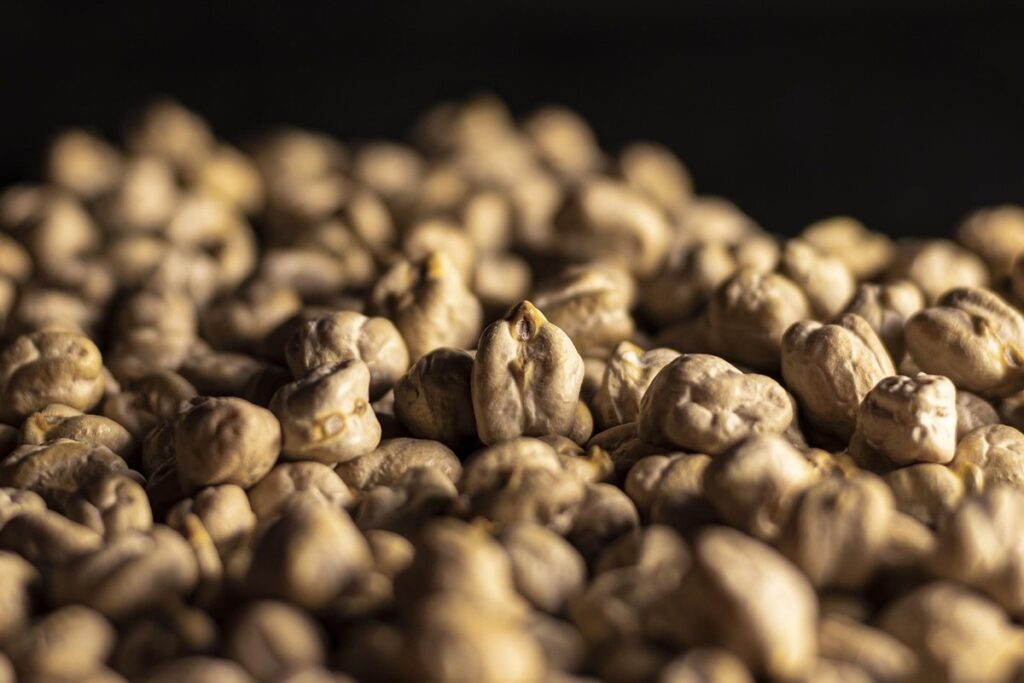
Choosing the Right Seeds for Your Indoor Garden
When selecting seeds for your indoor garden, it’s essential to choose varieties that thrive in low-light conditions and are compact enough for small spaces. Consider factors like plant size and light requirements when making your decision.
Understanding Seed Types and Classification
When it comes to choosing seeds for your indoor garden, understanding the different types and classifications is crucial. There are primarily three categories: heirloom, hybrid, and GMO (Genetically Modified Organism) seeds.
Heirloom seeds have been saved and handed down through generations, often preserving unique characteristics and flavors. They tend to be more unpredictable in growth habits but can offer a wider range of colors, shapes, and sizes. For example, tomatoes from heirloom seeds may come in stripes or patterns that you won’t find in hybrid varieties.
Hybrid seeds, on the other hand, are bred for specific traits such as disease resistance, high yields, or improved flavor. They often require more maintenance but tend to thrive indoors with proper care. Many indoor gardening enthusiasts swear by hybrid tomatoes for their consistency and productivity.
GMO seeds have been genetically modified to introduce new traits that would be difficult or impossible to achieve through traditional breeding methods. While they offer potential benefits such as increased pest resistance, there is ongoing debate about their long-term effects on the environment and human health.
When choosing between these types, consider your experience level, indoor space constraints, and desired outcomes. Heirloom seeds may offer unique character and adaptability, while hybrids prioritize performance and productivity.
Selecting Seeds Based on Climate and Seasonality
When selecting seeds for your indoor garden, it’s essential to consider the climate and seasonal conditions of your space. This ensures that you’re choosing varieties that will thrive under the specific temperature, humidity, and light levels present.
First, check the seed packet or research online to determine the ideal temperature range for the specific plant species. Some plants prefer warmer temperatures (above 65°F), while others require cooler conditions (around 50-60°F). For example, tropical plants like orchids and peace lilies thrive in temperatures above 60°F, but delicate herbs like basil and mint can become stressed in high temperatures.
Next, consider the humidity levels in your indoor garden. Plants that prefer high humidity (above 50%) include ferns, mosses, and African violets. Conversely, plants like cacti and succulents are adapted to low humidity environments (below 40%). Lastly, take into account the light levels provided by natural or artificial sources. Some plants require direct sunlight for extended periods, while others prefer partial shade or low-light conditions.
To make informed decisions, consult seed catalogs or online resources that provide detailed climate and seasonal requirements for various plant species. This will help you choose seeds that are tailored to your indoor garden’s unique conditions, ensuring healthy growth and maximizing yields.
Popular Indoor Garden Plants and Their Seed Requirements
Let’s take a closer look at some of the most popular indoor garden plants, and discover which seeds they require to thrive in your home. From peace lilies to snake plants, we’ve got you covered.
Top 5 Easy-to-Grow Plants for Beginners
When starting an indoor garden, it’s essential to choose plants that are easy to grow and require minimal maintenance. For beginners, here are five popular options that fit the bill.
Herbs like basil, mint, and parsley are perfect for indoor gardens because they’re hardy and can thrive in low-light conditions. To grow these herbs, you’ll need to provide them with plenty of moisture and keep the temperature between 65-75°F (18-24°C). Mint, in particular, is a great choice as it’s pest-resistant and can be used in a variety of dishes.
Leafy greens like lettuce, kale, and spinach are also easy to grow indoors. They prefer well-draining soil and partial shade, but can tolerate full sun if necessary. These plants are packed with nutrients and can be harvested in as little as two weeks.
Flowering plants like African violets and begonias are great options for indoor gardens because they’re low-maintenance and can add a pop of color to any room. To grow these plants, make sure the soil is consistently moist but not waterlogged, and provide them with bright indirect light.
If you’re new to indoor gardening, start with one or two of these easy-to-grow plants and see how they do. With proper care and attention, you’ll be on your way to becoming an expert indoor gardener in no time!
More Challenging Plants to Grow Indoors
Growing more challenging plants indoors can be a rewarding experience, but it requires special attention to their unique seed requirements and growing conditions. Orchids, for instance, are notoriously finicky and demand precise temperature and humidity control. They require repotting every 2-3 years, using a well-draining potting mix specifically designed for orchids.
Succulents, on the other hand, thrive in dry environments but need protection from intense sunlight. They can be propagated through leaf or stem cuttings, which should be left to dry out for 1-3 days before being planted. Some popular varieties like Aloe and Echeveria require even more specialized care.
When growing these plants indoors, it’s essential to choose seeds that are specifically suited for indoor propagation. Look for seeds labeled as “indoor” or “container-friendly.” For orchids, you may need to purchase a bare-root plant rather than seeds, as they often don’t germinate well from seed.
To overcome the challenges of growing these plants, start with a clear understanding of their specific needs and requirements. Provide the right environment, including sufficient light, water, and nutrients, and be patient – some of these plants may take longer to mature.
Seed Selection for Specific Indoor Garden Styles
When it comes to creating a unique indoor garden look, choosing the right seeds is crucial. Let’s explore the ideal seeds for popular styles like terrariums and vertical gardens.
Tropical and Jungle-Inspired Gardens
When it comes to creating a tropical and jungle-inspired indoor garden, you’ll want to select seeds that can thrive in high-humidity environments with plenty of indirect light. Some excellent options for palm trees include the Areca Palm (Dypsis lutescens) and the Kentia Palm (Howea forsteriana), which are both relatively easy to care for and can tolerate a range of lighting conditions.
For ferns, consider the Boston Fern (Nephrolepis exaltata) or the Maidenhair Fern (Adiantum spp.), which can add lush texture and depth to your space. When it comes to flowering plants, tropical varieties like hibiscus (Hibiscus rosa-sinensis), bird of paradise (Strelitzia reginae), and heliconia (Heliconia spp.) are sure to bring a pop of color to your indoor garden.
To create a thriving jungle-inspired environment, be sure to provide plenty of indirect light, maintain high humidity levels (50-70%), and keep temperatures between 65-75°F (18-24°C). With the right seeds and care, you can enjoy a vibrant and exotic tropical oasis in the comfort of your own home.
Desert and Cacti-Based Gardens
When it comes to creating a desert or cacti-based indoor garden, selecting the right seeds is crucial. Succulents, cacti, and drought-tolerant plants are perfect for low-maintenance, water-efficient gardens. For these types of gardens, look for seeds that can thrive in dry conditions with infrequent watering.
Some popular choices include aloe vera, agave, echeveria, crassula, and sempervivum. These plants have adapted to survive in arid environments, making them ideal for indoor spaces where water conservation is essential. When selecting seeds, consider factors like sunlight requirements and temperature tolerance.
To get started, make sure your potting mix has excellent drainage and a slightly acidic pH. Plant the seeds about ¼ inch deep and provide bright, indirect light. Water sparingly, allowing the soil to dry completely between waterings. With proper care, these desert and cacti-based plants will thrive, providing stunning visual interest and air-purifying benefits for years to come.
Incorporating a few rocks or pebbles into the soil can also help with drainage, ensuring your plants receive the right amount of moisture. By following these guidelines and choosing seeds that are well-suited to indoor conditions, you’ll be on your way to creating a beautiful, low-maintenance desert garden in no time.
Seed Starting and Germination Techniques
Now that you have your seeds, let’s dive into some essential techniques for getting them to germinate and thrive indoors. We’ll cover seed starting methods and ideal conditions for optimal growth.
Indoor Seed Starters: A Guide to Choosing the Right Materials
When it comes to starting seeds indoors, having the right materials can make all the difference. A good indoor seed starter should provide adequate drainage, air circulation, and soil depth for healthy root growth.
Seed trays are a popular choice for indoor seed starting, but not all trays are created equal. Look for ones with built-in water reservoirs or separate compartments to prevent waterlogged soil. Some seed trays also come with integrated heating mats or grow lights to provide optimal conditions for germination.
Potting mixes specifically designed for indoor seed starting are another crucial component. These mixes typically have a higher peat moss content, which helps retain moisture and suppress diseases. Avoid using regular potting soil as it can be too dense and may prevent seeds from getting enough oxygen.
Consider your specific needs when selecting materials: do you need a compact setup for small spaces or something more extensive for larger areas? By choosing the right seed trays and potting mixes, you’ll set yourself up for success with your indoor garden.
Tips for Optimizing Seed Germination Rates
When it comes to maximizing seed germination rates indoors, understanding and manipulating environmental factors can make all the difference. To optimize temperature control, ensure that your seeds are placed at a consistent temperature between 65-75°F (18-24°C), depending on the specific variety. Some plants, like tomatoes, thrive in warmer temperatures, while others, such as lettuce and herbs, prefer cooler conditions.
Proper light exposure is also crucial for seed germination. Most seeds require indirect light or darkness during germination, so position them accordingly. For instance, if you’re starting seeds under grow lights, use a timer to provide 12-14 hours of low-intensity lighting per day. This will help regulate the seed’s natural growth cycle and promote even sprouting.
Soil quality can also impact seed germination rates. Use a high-quality potting mix specifically designed for indoor gardening, as these blends are formulated to retain moisture while preventing waterlogged soil conditions. When sowing seeds, press them gently into the soil surface, taking care not to compact the soil excessively, which can inhibit root development and slow down growth.
Maintenance and Care of Indoor Gardens from Seeds
Now that you’ve got your seeds planted, it’s time to learn how to keep them thriving indoors. In this next part, we’ll cover essential tips for maintaining and caring for your indoor garden from seed stage through maturity.
Watering and Fertilization Strategies
Proper watering and fertilization are crucial for maintaining healthy indoor gardens grown from seeds. When it comes to watering, it’s essential to monitor the soil moisture levels regularly. Stick your finger into the soil up to the first knuckle, and if the soil feels dry, it’s time to water. Watering too frequently can lead to root rot, so make sure to let the top 1-2 inches of soil dry out between waterings.
As for fertilization, indoor gardens require a balanced diet of nutrients to thrive. You can use a liquid fertilizer or a slow-release granular one. Dilute the fertilizer to half the recommended strength to avoid burning your seedlings’ roots. For most houseplants, fertilize once a month during the growing season (spring and summer). However, if you’re using a slow-release fertilizer, follow the manufacturer’s instructions.
Some popular indoor plants like African Violets and Begonias require more frequent fertilization, while others like Snake Plants and Spider Plants can tolerate less. Research specific needs for your chosen seed varieties to ensure optimal growth and health. Keep in mind that over-fertilizing can be detrimental, so start with small amounts and adjust as needed.
Common Pests and Diseases Affecting Indoor Gardens
As an indoor gardener, it’s essential to be aware of common pests and diseases that can affect your plants grown from seeds. These issues can quickly spiral out of control if not addressed promptly, leading to the demise of your beloved indoor garden.
Some common pests you might encounter include spider mites, mealybugs, and aphids. These tiny critters feed on plant sap, causing curled or distorted leaves, yellowing, and stunted growth. To prevent infestations, ensure good air circulation around your plants, keep them away from direct sunlight, and avoid overwatering.
Root rot is another common issue affecting indoor gardens. This fungal disease thrives in moist environments and can be caused by overwatering or poor drainage. Symptoms include yellowing leaves, soft stems, and a foul odor emanating from the soil.
To prevent root rot, use well-draining potting mix and avoid getting water on the plant’s crown. Monitor your plants’ watering needs closely, and ensure excess water drains from the pot.
Conclusion: Bringing Your Vision to Life with the Right Seeds
Now that you’ve selected the best seeds for your indoor garden, it’s time to bring your vision to life. Remember, choosing the right seeds is just the first step in creating a thriving and beautiful indoor space. Make sure to provide the necessary care and attention to your plants, including adequate light, water, and nutrients. Don’t be afraid to experiment with different arrangements and designs to create a unique look that reflects your personal style.
As you nurture your plants, pay attention to their specific needs and adjust your care routine accordingly. With patience and dedication, you’ll be rewarded with lush greenery, vibrant blooms, and the satisfaction of watching your space come alive. So go ahead, get creative, and have fun with it – your indoor garden is waiting for its final touches!
Frequently Asked Questions
Can I use regular store-bought soil for my indoor garden seeds?
Yes, you can start with regular store-bought soil for your indoor garden seeds. However, consider transitioning to a more specialized potting mix as your plants grow and mature. This will help ensure optimal nutrient delivery and prevent root bound conditions.
What if I don’t have a lot of natural light in my home – are there any low-maintenance options?
There are many low-maintenance plants that thrive in low-light conditions, such as Chinese Evergreen, Pothos, or Snake Plant. These plants can tolerate minimal light and infrequent watering, making them perfect for indoor spaces with limited natural light.
How do I prevent pests from invading my indoor garden?
To prevent pests from invading your indoor garden, ensure that your seeds are disease-free and purchased from a reputable source. Keep your garden clean by regularly removing dead or dying plants, and monitor for signs of pest infestation. Use physical barriers like fine mesh screens to protect young seedlings.
Can I use seeds from my favorite store-bought fruits and vegetables to grow new plants indoors?
While some seeds from store-bought produce can be used for indoor gardening, results may vary due to factors like cross-pollination and hybridization. For best results, choose high-quality seeds specifically labeled as “suitable for indoor growing” or purchase from a reputable seed supplier.
What if I notice mold or mildew on my indoor garden plants – how do I address this issue?
If you notice mold or mildew on your indoor garden plants, address the issue promptly by improving air circulation and reducing humidity levels. Remove any affected areas, and treat with a fungicide specifically designed for indoor gardens. Ensure proper watering habits to prevent further moisture buildup.