
Are you looking for a natural way to control pests and improve soil health in your garden? Lemongrass is an excellent option that doubles as a beautiful addition to your outdoor space. Not only does it repel unwanted insects, but its mulched form also adds nutrients to the soil. However, with so many options available, selecting the right lemongrass variety for mulch can be overwhelming.
In this article, we’ll guide you through expert recommendations on how to choose and use lemongrass as a natural mulch in your garden. From understanding its benefits to learning how to successfully integrate it into your existing gardening routine, we’ve got you covered. Our tips will ensure that you harness the full potential of lemongrass mulch to create a thriving ecosystem, naturally controlling pests while enriching the soil for healthy plant growth.
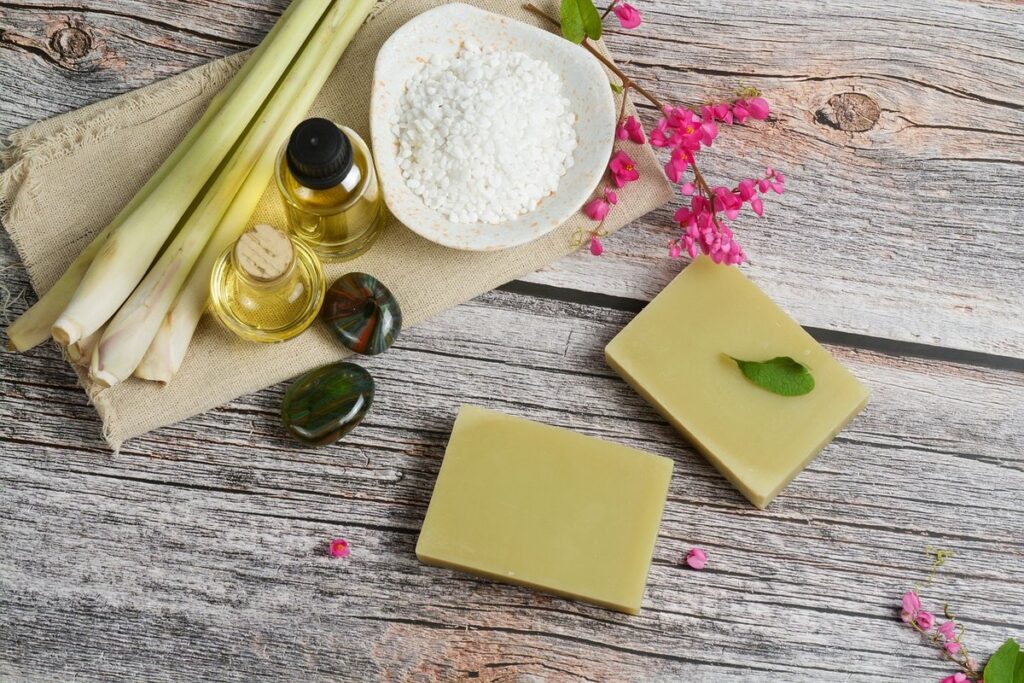
Choosing the Right Lemongrass Variety
When using lemongrass mulch, selecting the right variety is crucial to its effectiveness and your gardening goals. Let’s explore some of the most popular lemongrass varieties to help you make an informed decision.
Best Varieties for Mulching
When it comes to choosing the best lemongrass varieties for mulching, there are several popular options that excel in terms of hardiness, pest resistance, and fragrance. One such variety is ‘Morinda’, known for its robust growth habit and high yields. This strain is particularly well-suited for tropical climates and can thrive in USDA zones 9-11.
Another popular choice is ‘East Indian’, which boasts an impressive hardiness rating and can tolerate temperatures as low as 20°F (-7°C). Its compact growth habit makes it ideal for smaller spaces, while its strong fragrance repels pests and attracts beneficial insects. For those living in warmer climates, ‘West Indian’ is a great option, offering superior heat tolerance and a higher concentration of essential oils.
When selecting lemongrass varieties for mulching, consider factors such as your local climate, available space, and desired level of pest resistance. By choosing the right variety, you can enjoy the numerous benefits of lemongrass mulch while minimizing maintenance and upkeep.
Considerations for Plant Selection
When selecting lemongrass for mulching purposes, it’s crucial to choose a variety that is disease-resistant. Some lemongrass varieties are more prone to fungal diseases like root rot and leaf spot, which can be detrimental to the health of your plants when used as mulch.
Considerations such as climate and soil type should also influence your selection. For example, if you live in an area with high humidity, choose a variety that is resistant to fungal diseases. Similarly, if you have alkaline or sandy soils, select a lemongrass variety that thrives in these conditions.
Some popular disease-resistant varieties of lemongrass include ‘Cymbopogon citratus’ and ‘Lemongrass 54’. However, be aware that even with disease-resistant varieties, there is still some risk associated with using lemongrass as mulch. For instance, high temperatures can cause the lemongrass to release volatile oils, which may irritate sensitive plants nearby.
Benefits of Using Lemongrass Mulch
Now that you’ve chosen your lemongrass mulch, let’s dive into the benefits it brings to your garden, from repelling pests to improving drainage.
Natural Pest Control
When it comes to maintaining a healthy garden, controlling pest populations is a constant challenge. This is where lemongrass mulch comes in – not only does it provide excellent soil enrichment, but it also has natural pest control properties that can help keep those unwanted critters at bay.
Research has shown that the essential oils present in lemongrass are highly effective against mosquitoes and other pests. A study published in the Journal of Agricultural and Food Chemistry found that lemongrass oil had a 98% repellency rate against Aedes aegypti, the primary mosquito vector for dengue fever.
To harness the natural pest control properties of lemongrass mulch, simply incorporate it into your gardening routine. Mix a thin layer of lemongrass mulch around the base of plants that are susceptible to pests, such as roses or vegetables. You can also use lemongrass essential oil in a spray bottle and spray directly on affected areas.
Some key takeaways to keep in mind: always use high-quality lemongrass mulch that is free from additives and chemicals; combine with other natural pest control methods for maximum effectiveness; and reapply as needed, depending on the severity of the infestation.
Improved Soil Health
When used as mulch, lemongrass has been shown to significantly improve soil health. One of the primary ways it achieves this is by increasing nutrient availability for plants. Lemongrass contains a high concentration of nitrogen, phosphorus, and potassium – essential macronutrients that are crucial for plant growth. As the lemonggrass breaks down, these nutrients become available to plants, promoting healthy root development and above-ground growth.
In addition to improving soil fertility, lemongrass mulch also enhances water retention in the soil. This is due to its high fiber content, which helps to bind soil particles together, preventing water from being quickly drained away. As a result, plants require less frequent watering, reducing the risk of overwatering and associated problems such as root rot.
To maximize the benefits of lemongrass mulch on soil health, it’s recommended to apply a 2-3 inch layer around plants, allowing for easy incorporation into the topsoil as it breaks down. Regularly replenishing the mulch will maintain optimal nutrient levels and water retention capabilities, ensuring your garden remains healthy and thriving throughout the growing season.
Preparing Lemongrass for Mulching
To get started with making lemongrass mulch, you’ll first need to properly prepare your harvested stalks by drying and processing them into a usable form. This step is crucial for optimal mulching results.
Harvesting and Drying
When harvesting lemongrass for mulching, it’s essential to choose mature stalks with a thick base and plenty of leaves. Cut the stalks close to the ground using sharp gardening tools, leaving about an inch of stem intact to promote regrowth.
Next, tie the harvested stalks in small bundles, making sure they’re not overcrowded, which can lead to mold and spoilage. Hang these bundles upside down in a warm, dry, dark place with good air circulation. This will help preserve the lemongrass’s potency and prevent decay.
For proper drying, ensure the temperature remains between 40°F to 60°F (4°C to 15°C), and humidity levels below 50%. If you live in a humid climate, consider using desiccants or dehumidifiers to control moisture. Regularly inspect your lemongrass bundles for dryness by checking their color; they should turn golden brown and crumble easily when pressed.
Proper drying can take anywhere from 2-4 weeks, depending on factors like temperature and humidity levels. Once dry, you can chop or shred the lemongrass into smaller pieces to make it easier to spread as mulch around your plants.
Processing and Storage
Proper processing and storage of lemongrass are crucial steps to ensure its quality and effectiveness as mulch. Improper handling can lead to mold growth, decay, and reduced efficacy. When harvesting lemongrass for mulching, cut the stalks close to the ground to prevent damage during transportation.
Store lemongrass in a dry, well-ventilated area, away from direct sunlight and moisture. Do not bundle or tie the stalks together tightly, as this can cause compression and lead to rot. Instead, lay them out flat in a single layer on a surface or hang them upside down to allow for air circulation.
Keep the lemongrass dry by covering it with a breathable material like burlap or paper bags. This will prevent moisture from accumulating and promote drying. Regularly inspect your stored lemongrass for signs of mold, mildew, or decay. If you notice any issues, remove the affected stalks promptly to maintain the overall quality of the mulch.
Consider storing lemongrass in a dedicated space with good air circulation, such as an attic or basement. This will help prevent moisture accumulation and ensure that your lemongrass remains dry throughout the storage period.
Using Lemongrass Mulch in Your Garden
Let’s dive into using lemongrass mulch in your garden, where you’ll learn how to effectively apply it for maximum benefits and beautiful results. This section covers essential tips for successful implementation.
Application Methods
When it comes to applying lemongrass mulch in your garden, you have several options to consider. One of the most effective ways to utilize this natural fertilizer is as a border material. Simply apply a 2-3 inch layer around plants or along pathways to create a visually appealing and functional barrier that also helps retain moisture.
You can also use lemongrass mulch as a pathway material, replacing traditional gravel or stone with a more eco-friendly alternative. This not only reduces weed growth but also releases beneficial oils into the air, creating a welcoming ambiance for your garden visitors.
For general mulching purposes, spread 3-4 inches of lemongrass mulch evenly around plants, taking care to keep it a few inches away from plant stems to prevent rotting. Be mindful of how much mulch you apply, as excessive amounts can create an environment conducive to pests and diseases.
Tips for Successful Integration
When incorporating lemongrass mulch into your existing garden plan, it’s essential to consider companion planting and potential interactions with other plants. Companion planting is the practice of growing different plants together to improve their growth, health, and productivity.
Some plants that pair well with lemongrass include marigolds, basil, and mint, as they repel pests that can damage lemongrass. On the other hand, avoid planting lemongrass near potatoes, as it may inhibit their growth. Tomatoes and lemongrass have a mutually beneficial relationship, as the fragrance from lemongrass can help deter nematodes that target tomatoes.
To ensure successful integration, start by preparing the soil for your lemongrass mulch by loosening it to about 8-10 inches deep. This will allow the roots of the lemongrass to spread and establish a strong presence in the garden bed. Water thoroughly after applying the mulch and keep the area consistently moist during the first few weeks.
Be cautious when combining lemongrass with plants that have different watering requirements, as it prefers well-draining soil and can be sensitive to overwatering. By choosing complementary plants and following proper care guidelines, you’ll be able to create a thriving garden ecosystem that showcases the benefits of lemongrass mulch.
Safety Precautions and Considerations
When working with lemongrass mulch, there are some essential safety precautions to take into account to avoid any potential harm. Be sure to read this section carefully before getting started.
Skin Irritation and Allergies
When using lemongrass mulch, it’s essential to be aware of the potential risks associated with skin irritation and allergic reactions. Lemongrass contains oils that can cause skin redness, itching, and even blisters in some individuals. If you’re particularly sensitive or have a history of allergies, you may want to exercise extra caution when handling lemongrass mulch.
Some people may experience mild irritation, such as dry skin or minor itching, after coming into contact with lemongrass mulch. However, others may react more severely, developing rashes or blisters that can be painful and itchy. If you notice any adverse reactions, wash the affected area immediately with soap and water.
To minimize the risk of skin irritation, always wear protective gloves when handling lemongrass mulch. You should also avoid touching your face or eyes after handling the product. Additionally, consider wearing a long-sleeved shirt and pants to prevent exposure to the oils in lemongrass. If you experience any severe reactions or persistent discomfort, discontinue use of lemongrass mulch altogether.
Toxicity Concerns
When using lemongrass mulch around children or pets, it’s essential to be aware of its potential toxicity. Lemongrass contains a compound called citral, which can cause skin irritation and allergic reactions in some individuals. While rare, there have been reported cases of lemongrass oil ingestion leading to vomiting, diarrhea, and even liver damage.
If you’re concerned about the safety of your family or pets around lemongrass mulch, consider taking a few precautions:
* Wear gloves when handling lemongrass mulch to avoid direct contact with the oils.
* Keep the mulch away from areas where children play or animals frequent, such as pet beds and food bowls.
* Use a physical barrier like a fence or gate to prevent accidental ingestion by pets.
If you do experience any adverse effects from using lemongrass mulch, seek medical attention immediately. It’s also crucial to note that not all lemongrass mulches are created equal; some may be more potent than others due to varying levels of citral. Always choose a reputable supplier and follow the recommended usage guidelines to minimize potential risks.
Frequently Asked Questions (FAQ)
We’ve received a lot of questions about lemongrass mulch, and we’re happy to address some of the most common ones in this FAQ section. Keep reading for answers!
Common Misconceptions
When it comes to using lemongrass as mulch, there are several common misconceptions that can lead to confusion. One of the most prevalent myths is that lemongrass is too overpowering and will give off a strong scent that repels people from your garden. However, this couldn’t be further from the truth.
In reality, lemongrass has a delicate fragrance that’s often described as citrusy and refreshing. When used as mulch, it can actually help to deter pests and diseases while adding a subtle, pleasant aroma to your outdoor space. Another misconception is that lemongrass is only suitable for tropical or subtropical climates. While it’s true that lemongrass thrives in warm weather, it can still be grown and used as mulch in cooler regions with proper care.
It’s also worth noting that lemongrass can be quite invasive, but this can be easily controlled by containing it to a specific area or using a barrier to prevent spreading. By understanding these common misconceptions, you can make informed decisions about incorporating lemongrass into your mulching routine and reap its many benefits.
Care and Maintenance Tips
To ensure your garden thrives with lemongrass mulch, regular care and maintenance are crucial. One of the most common issues is moisture retention – lemongrass mulch can hold onto water, potentially leading to root rot if not monitored. To mitigate this, ensure good drainage in your garden beds by incorporating organic matter like compost or perlite.
Regularly inspect your garden for signs of pests or diseases, such as whiteflies, mealybugs, or fungal infections. If you notice any issues, treat the affected area promptly with neem oil or insecticidal soap. Keep your lemongrass mulch layer at a manageable depth (about 2-3 inches) to prevent it from becoming too compacted and reducing water penetration.
To maintain optimal mulching performance, replenish the lemongrass mulch layer as needed – typically every 6-8 months or when you notice its effectiveness waning. Monitor your soil pH regularly to ensure it remains within a suitable range for your plants (usually between 5.5 and 7.0). By addressing these potential issues promptly, you’ll be able to enjoy the many benefits of lemongrass mulch while minimizing potential drawbacks.
Frequently Asked Questions
Can I use lemongrass mulch in containers or is it best suited for garden beds?
Yes, you can use lemongrass mulch in containers, but make sure to choose a variety that’s compact and has a smaller root system. ‘Morinda’ and ‘Common’ are good options for container gardening. Keep in mind that lemongrass prefers well-draining soil, so add organic matter like compost or perlite to your potting mix.
How do I maintain the fragrance of my lemongrass mulch over time?
To keep your lemongrass mulch fragrant and potent, make sure it’s dry and free from moisture. Store it in a well-ventilated area away from direct sunlight, which can cause degradation. Regularly replenish your mulch to maintain its effectiveness.
Can I mix lemongrass mulch with other natural pest control methods?
Yes, you can combine lemongrass mulch with other natural pest control methods like neem oil or diatomaceous earth for enhanced results. This approach is often referred to as “Integrated Pest Management” (IPM). Consult a gardening expert to create a customized IPM plan tailored to your garden’s specific needs.
Is it safe to use lemongrass mulch around pets and children?
Yes, when used properly, lemongrass mulch is generally safe for pets and children. However, be cautious of skin irritation or allergic reactions, especially if you have sensitive family members. Wear gloves while handling lemongrass and wash your hands thoroughly afterward.
How long does it take to see the benefits of using lemongrass mulch?
You may notice improvements in soil health and reduced pest activity within 2-4 weeks after applying lemongrass mulch. However, its full potential is typically realized after 6-8 weeks, when the mulch has fully broken down and provided nutrients to your plants.