
Are you looking to add a pop of color and beauty to your garden while also creating a stunning hedge? Look no further than flowering hedge plants! Not only do they provide an instant boost of vibrancy, but they can also help screen out unwanted views, block noise pollution, and even attract beneficial wildlife to your outdoor space. However, with so many varieties to choose from, it can be overwhelming to decide which ones are best for your garden. That’s where this article comes in – we’ll walk you through the process of selecting the perfect flowering hedge plants for your needs, provide expert tips on planting and maintenance, and cover common issues to watch out for. Whether you’re a seasoned gardener or just starting out, get ready to discover the best flowering hedge plants for a stunning and thriving garden.
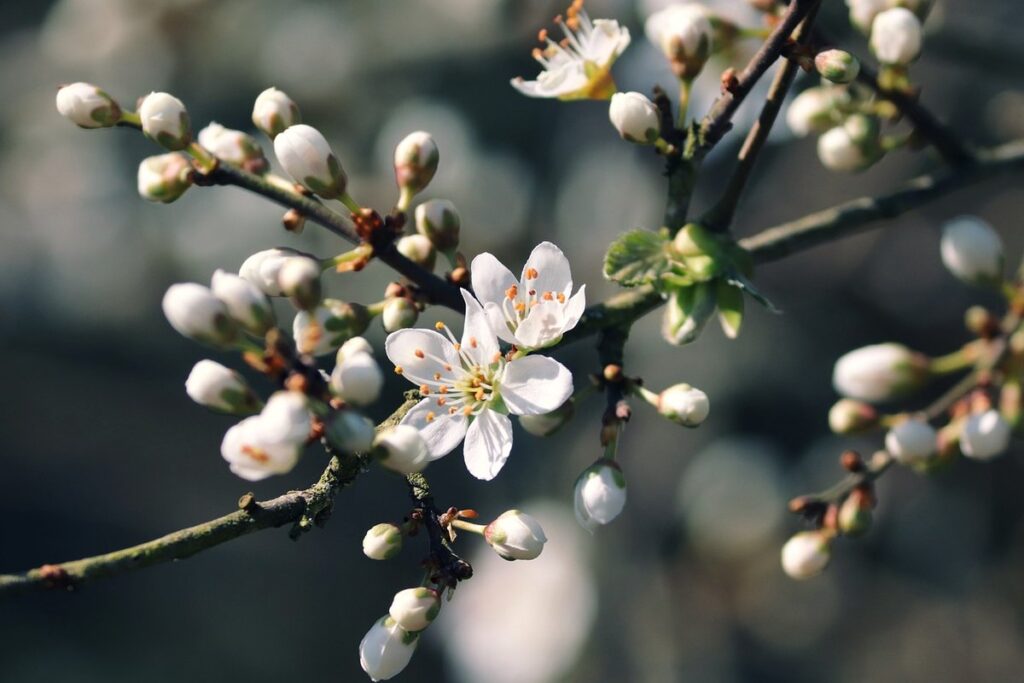
Choosing the Right Hedge Plant
When selecting a hedge plant, you’ll want to consider not only its flower color and scent but also its growth habits and maintenance requirements that fit your lifestyle.
Factors to Consider Before Selecting a Hedge Plant
When selecting a hedge plant, there are several essential factors to consider beyond just its aesthetic appeal. First and foremost, you must think about the climate of your area and whether it suits the specific requirements of your chosen hedge plant. For instance, if you live in a region with harsh winters or scorching summers, you’ll need a plant that’s tolerant of these conditions.
Next, consider the soil type on your property. Different plants thrive in various types of soil, so make sure to choose one that will do well in your existing soil conditions. If not, be prepared to amend your soil accordingly. Available space is also crucial – ensure you have enough room for your hedge plant to grow and spread out without becoming overgrown or competing with other vegetation.
Think about the purpose of your hedge as well: are you looking for a privacy screen or a haven for wildlife? This will help guide your decision on the type of flowers that should dominate the plant. Finally, consider how much maintenance you’re willing and able to commit to – some plants require regular pruning while others can thrive with minimal care.
Popular Flowering Hedge Plants for Different Climates
When choosing flowering hedge plants for different climates, it’s essential to select species that can thrive in your region. For temperate regions with moderate temperatures and rainfall, consider planting Hydrangea, Rose, or Lavender hedges. These plants produce vibrant flowers throughout the growing season and require regular watering but can tolerate some drought.
In tropical climates with high temperatures and humidity, flowering hedge plants like Bougainvillea, Lantana, or Hibiscus excel. They are heat-tolerant and produce an abundance of colorful blooms, requiring minimal maintenance. For arid regions with low rainfall and intense sunlight, select hardy plants such as Texas Sage, Ceanothus, or Barberry that can withstand extreme conditions.
To ensure your flowering hedge plant thrives in its climate-specific environment, remember to research the specific needs of the species you choose. Plant them in well-draining soil and provide regular watering, fertilization, and pruning to promote healthy growth and maximize blooms. With proper care, these stunning flowering hedges can add beauty and fragrance to your outdoor space while requiring minimal upkeep.
Benefits of Planting a Flowering Hedge
Planting a flowering hedge can bring numerous benefits, from increased property value to improved mental health and a pop of color throughout the seasons. Let’s explore these advantages in more detail.
Aesthetic Appeal and Visual Interest
When it comes to creating a beautiful and inviting landscape, planting a flowering hedge is an excellent choice. Not only do these hedges provide a natural barrier for your property, but they also offer a multitude of visual benefits that can enhance the aesthetic appeal of your outdoor space.
One of the most significant advantages of planting a flowering hedge is its ability to add color and vibrancy to your landscape. With so many varieties of flowering hedge plants available, you can choose from a wide range of colors, including vibrant reds, blues, yellows, and pinks. For example, the Rosemary hedge plant produces blue flowers in the summer months, while the Lavender hedge plant produces purple blooms in the spring and summer.
In addition to adding color, flowering hedges also provide texture and depth to your landscape. The varying shapes and sizes of leaves on different plants can create a visually interesting contrast when combined with the flowers. Furthermore, planting different species that bloom at different times ensures year-round interest, as there will always be something in bloom or displaying foliage.
By carefully selecting the right flowering hedge plant for your climate and desired color palette, you can enjoy a beautiful display of color throughout the growing season.
Wildlife Attraction and Habitat Creation
When you plant a flowering hedge, you’re not only creating a stunning visual feature for your garden, but also attracting a diverse range of wildlife. These plants are like magnets for pollinators like bees and butterflies, who rely on the nectar and pollen to survive. In fact, studies have shown that gardens with flowering hedges can support up to 50% more biodiversity than those without.
To create a haven for wildlife in your garden, choose hedge plants with flowers that provide a long-lasting source of nectar, such as lavender, rosemary, or coneflower. Plant multiple species together to attract a variety of pollinators and birds. For example, pair lavender with bee-friendly herbs like mint or oregano.
As the flowering hedge matures, it will also provide shelter for small mammals, birds, and insects. The dense foliage will create a haven from harsh weather conditions, predators, and other dangers. Plus, the flowers will add a burst of color to your garden throughout the growing season, making it a vibrant oasis that’s teeming with life.
By planting a flowering hedge, you’re contributing to ecosystem health and biodiversity in your own backyard.
Planting and Maintenance Tips for Flowering Hedges
To ensure your flowering hedge remains vibrant and healthy, let’s dive into the essential planting and maintenance tips you need to know.
Pre-Planting Preparation: Soil, Sunlight, and Watering Requirements
Before planting your flowering hedge, it’s essential to prepare the soil for optimal growth. Check the pH level of your soil and amend it if necessary, as most flowering hedges prefer a slightly acidic to neutral soil pH (around 6.0-7.0). Add organic matter like compost or well-rotted manure to improve soil fertility and drainage.
Ensure that your flowering hedge receives sufficient sunlight. Different species have varying sun requirements, but most flowering hedges need at least 4-6 hours of direct sunlight per day. Consider the mature size of your plants when selecting a location to avoid overcrowding and ensure proper air circulation.
Watering is also crucial for a thriving flowering hedge. Water your plants regularly during their first year after planting, especially during hot summer months. Aim to provide about 1 inch of water per week, either through rainfall or irrigation. Mulching around the base of your plants helps retain moisture, suppress weeds, and regulate soil temperature.
Regular pruning is also vital for maintaining a healthy flowering hedge. Prune your plants at least once a year to encourage new growth, promote blooming, and maintain shape. Follow the recommended pruning schedule for your specific plant species to avoid damaging or killing them.
Fertilization, Pest Control, and Disease Management
When it comes to maintaining the beauty and health of your flowering hedges, fertilization, pest control, and disease management are crucial aspects that often get overlooked. A balanced diet for your plants can make all the difference between a lush, vibrant display of flowers and a dull, struggling hedge.
For fertilization, opt for organic options like compost tea or well-balanced, slow-release fertilizers specifically formulated for flowering hedges. These will provide essential nutrients without burning the roots. Regular applications during the growing season (spring and summer) will promote healthy growth and blooming. For example, apply a balanced 10-10-10 NPK fertilizer in early spring to encourage new growth.
To control pests like aphids, whiteflies, or spider mites, introduce beneficial insects like ladybugs or lacewings into your garden. These natural predators will help keep pest populations under control without harming the environment. Additionally, practice good gardening hygiene by removing weeds and debris that can harbor pests.
Disease management requires a proactive approach as well. Inspect your hedges regularly for signs of fungal infections like powdery mildew or leaf spot. Treat affected areas promptly with fungicides specifically labeled for flowering hedges.
Examples of Flowering Hedge Plants by Bloom Time
Now that we’ve explored how to choose and care for flowering hedge plants, let’s take a look at some examples organized by bloom time.
Spring-Flowering Hedges: Rhododendrons, Azaleas, and More
Spring-flowering hedge plants are a vibrant and colorful way to add beauty to your garden during the warmer months. One of the most popular spring-flowering hedges is the Rhododendron, which blooms in shades of pink, purple, and white from late March to early May, depending on the variety.
Azaleas are another popular option for spring-flowering hedges, with vibrant colors ranging from hot pinks to soft pastels. They bloom around the same time as Rhododendrons, typically from April to June. Both of these plants prefer acidic soils and partial shade, making them ideal for woodland gardens or areas with dense tree cover.
For regions with mild winters, Camellias are a great choice for spring-flowering hedges, producing stunning white or pink flowers from December to May. However, in colder climates, they may require protection during the winter months.
When selecting a spring-flowering hedge plant, consider your region’s climate and soil type to ensure optimal growth and blooming success. With proper care and maintenance, these beautiful plants can provide years of vibrant color and beauty to your garden.
Summer-Flowering Hedges: Roses, Hydrangeas, and Hibiscus
When it comes to summer-flowering hedge plants, there are several options that excel in hot climates or areas with extended growing seasons. One popular choice is the rose (Rosa spp.), which offers an array of species suitable for hedging. These roses typically bloom from mid-summer through early fall and come in a range of colors, including pink, red, yellow, and white.
Hydrangeas (Hydrangea spp.) are another excellent option for summer-flowering hedges. Bigleaf hydrangeas produce vibrant blue or pink flowers in late spring to early summer, while panicle hydrangeas bloom in mid-to-late summer with long, conical clusters of small flowers. Both species exhibit good drought resistance and can tolerate heat well.
Hibiscus (Hibiscus spp.) is a tropical shrub that thrives in hot climates and produces large, showy flowers in shades of pink, orange, yellow, and red from mid-to-late summer. Its thick, fleshy leaves help it retain moisture during dry periods, making it an ideal choice for areas with high temperatures.
When planting these summer-flowering hedge plants, ensure they receive full sun to partial shade and well-draining soil. Water them regularly, but avoid overwatering, which can lead to root rot. With proper care, these hedges will provide stunning blooms throughout the warmest months of the year.
Troubleshooting Common Issues in Flowering Hedge Plants
Are you experiencing problems with your flowering hedge plants? This section will help you identify and resolve common issues, from leaf drop to inadequate blooming.
Dealing with Pests: Aphids, Whiteflies, and Other Common Problems
When it comes to maintaining healthy and thriving flowering hedge plants, dealing with pests is an inevitable part of the process. One of the most common problems you may encounter is aphids, tiny sap-sucking insects that can quickly multiply and cause damage to your plant’s leaves and flowers. Identify them by looking for clusters of small, soft-bodied creatures on stems or under leaves.
Whiteflies are another pesky pest that can be difficult to control. These tiny flying insects feed on plant sap, causing yellowing leaves and stunted growth. Regularly inspect your plants’ undersides for eggs or actual whitefly adults. To control aphids and whiteflies, introduce natural predators like ladybugs or lacewings to your garden.
For severe infestations, consider using neem oil sprays or insecticidal soap. Always follow the product’s instructions carefully and test a small area first to avoid harming your plants. Prevention is key – maintain good garden hygiene by removing weeds, debris, and infected plant material, which can harbor pests.
Overcoming Soil-Borne Diseases: Root Rot, Leaf Spot, and More
Soil-borne diseases are a common issue for flowering hedge plants, causing damage to roots and leaves. Root rot, leaf spot, and powdery mildew are among the most prevalent problems. These diseases often stem from overwatering, poor drainage, or inadequate soil quality.
Symptoms of root rot include yellowing leaves, softening stems, and a sour smell emanating from the soil. Leaf spot is characterized by small, circular lesions on the foliage, often accompanied by a white powdery coating on infected areas. Powdery mildew appears as a white, dusty film on leaves.
To prevent these diseases, ensure good air circulation around your plants. Avoid overwatering and maintain well-draining soil with adequate organic matter. Regularly inspect your hedge for signs of disease, and remove any affected parts to contain the issue. Consider using fungicides or biological controls if necessary. Some examples of plants susceptible to root rot include lavender and rosemary, while leaf spot often affects hydrangeas and azaleas.
Conclusion: Creating a Beautiful and Sustainable Flowering Hedge
In conclusion, creating a beautiful and sustainable flowering hedge is not only aesthetically pleasing but also eco-friendly. By choosing the right plants, providing proper care, and maintaining them regularly, you can enjoy a vibrant display of colors while supporting local wildlife. Remember to consider factors such as climate, soil type, and sunlight exposure when selecting your plant species. This will ensure that your hedge thrives year-round and requires minimal upkeep.
With a little planning and attention to detail, your flowering hedge can become a stunning focal point in your garden or yard. Don’t be afraid to experiment with different plant combinations to create unique textures and colors. And don’t forget to water wisely, using rainwater or drip irrigation systems to minimize waste and conserve resources.
Frequently Asked Questions
Can I plant flowering hedge plants in areas with poor soil quality?
Yes, you can still plant flowering hedge plants in areas with poor soil quality. However, it’s essential to prepare the soil properly before planting by adding organic matter like compost or manure to improve its structure and fertility. This will help your plants thrive despite the challenging conditions.
How often should I water my newly planted flowering hedge?
Water your newly planted flowering hedge regularly during its first year of growth, especially during hot weather. Aim for about 1-2 inches of water per week, either from rain or irrigation. Avoid overwatering, which can lead to root rot and other problems.
Can I trim and shape my flowering hedge at any time?
No, it’s best to trim and shape your flowering hedge during its dormant season (usually winter or early spring) to minimize stress on the plant. Trimming during active growth can stimulate new growth, but may also promote excessive foliage production over flower production.
How do I choose between a deciduous and evergreen flowering hedge?
Consider factors like climate, soil type, and desired maintenance level when choosing between a deciduous (drops leaves in winter) or evergreen (retains leaves year-round) flowering hedge. Deciduous hedges are often more drought-tolerant but may require more frequent pruning, while evergreen hedges provide year-round structure but can be more challenging to maintain.
Can I use flowering hedge plants as a natural screen for noise pollution?
Yes, flowering hedge plants can effectively reduce noise pollution by creating a physical barrier between you and the source of the noise. Choose plants with dense foliage or a high growth rate (like roses or hydrangeas) to maximize their sound-absorbing capabilities.