
Are you tired of sacrificing beauty for low-maintenance gardening? Native shrubs are here to change that. Not only do they add stunning color and texture to your garden, but they also thrive with minimal care. By choosing native species, you’re not only reducing your maintenance tasks, but also welcoming biodiversity into your outdoor space. This is where it gets really exciting – by planting native shrubs, you’re creating a haven for local wildlife, from birds and bees to butterflies and more.
In this article, we’ll take you through the simple steps of selecting, planting, and maintaining beautiful native shrubs that will transform your garden into a thriving oasis. From the best varieties for different climates and soil types to expert tips on how to keep them looking their best all year round, we’ve got everything covered. So, let’s get started and discover the joys of gardening with native beauty!
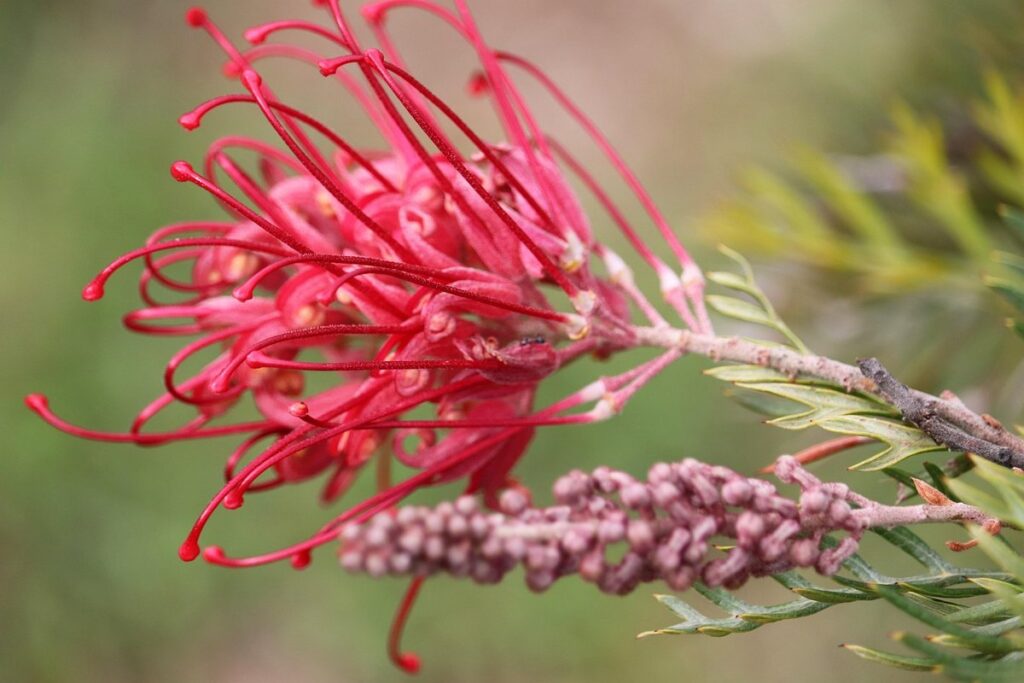
What are Native Shrubs?
Native shrubs are a wonderful choice for your garden, but before we dive into choosing and caring for them, let’s explore what makes these plants so special.
Benefits of Planting Native Shrubs
Planting native shrubs offers numerous benefits that can enhance your garden’s ecosystem and reduce maintenance needs. One of the primary advantages is reduced maintenance, as native shrubs are adapted to local conditions and require less watering, pruning, and fertilizing compared to non-native species. This translates into significant time and resources saved for you, the gardener.
Native shrubs also contribute significantly to improved biodiversity in your garden. By incorporating a variety of native plant species, you’re providing a habitat for local wildlife, such as birds, bees, and butterflies, which rely on these plants for food, shelter, and breeding grounds. This increased biodiversity can lead to a more resilient ecosystem capable of withstanding pests, diseases, and extreme weather conditions.
Furthermore, native shrubs have developed natural resistance to common pests and diseases present in your region. As a result, you’ll encounter fewer issues related to pest control or disease management, which can save you money and reduce the environmental impact associated with chemical treatments.
Definition and Characteristics of Native Shrubs
A native shrub is defined as a type of woody plant that has naturally occurred and thrived in a specific region for thousands of years, often long before human settlement. These plants have adapted to the local climate conditions, soil types, and wildlife over time, making them incredibly resilient and low-maintenance options for gardens.
Key characteristics of native shrubs include their growth habits, flowering patterns, and adaptability to local climate conditions. For instance, some native shrubs like the American Beautyberry (Callicarpa americana) grow up to 10 feet tall with a spread of around 8 feet, while others like the Inkberry Holly (Ilex glabra) remain compact at about 3-6 feet in height.
Native shrubs often produce showy flowers that attract local pollinators and provide food for wildlife. Their foliage can be vibrant and textured, adding depth to gardens year-round. One of the most significant benefits of native shrubs is their ability to thrive with minimal care, making them ideal for busy gardeners or those new to gardening.
When selecting a native shrub, consider factors like sunlight, soil type, and moisture levels in your area to ensure you choose a plant that will thrive with minimal maintenance.
Choosing the Right Native Shrub for Your Garden
When selecting a native shrub, it’s essential to consider factors such as climate tolerance, growth habits, and the specific needs of your garden. Let’s explore what to look for in this crucial decision.
Factors to Consider When Selecting a Native Shrub
When selecting a native shrub for your garden, there are several essential factors to consider. First and foremost, think about the soil type in your garden. Native shrubs have evolved to thrive in specific soil conditions, so choosing one that’s adapted to your soil’s pH level and texture will ensure its long-term success. For example, if you have heavy clay or sandy soils, look for shrubs that are tolerant of these conditions.
Next, consider the amount of sun exposure your garden receives. Most native shrubs require at least four hours of direct sunlight per day, but some can tolerate shade. Make sure to choose a shrub that’s suitable for your garden’s light levels. For instance, if you have a partially shaded area, consider selecting a shrub like Virginia Sweetspire (Itea virginica) or Inkberry Holly (Ilex glabra), both of which thrive in dappled shade.
Another critical factor is the mature size of the shrub. Don’t be fooled by a small shrub’s initial appearance – some can grow quite large over time! Check the plant label or consult with a local nursery to ensure you’re selecting a shrub that will fit comfortably within your garden’s boundaries. This will save you from future pruning headaches and maintain your garden’s overall aesthetic.
Popular Native Shrubs for Different Regions
When selecting native shrubs for your garden, it’s essential to consider the specific region you’re planting in. Different regions have unique climate conditions, soil types, and environmental factors that can affect a shrub’s growth and survival. Here are some popular native shrubs suitable for various regions:
For coastal areas, consider shrubs like Beach Sunflower (Helianthus debilis) or Seaside Mallow (Abelmoschus moschatus). These plants are tolerant of salt spray and wind, making them perfect for areas with high humidity and exposure to ocean breezes.
In woodland gardens, opt for native shrubs such as American Beautyberry (Callicarpa americana) or Buttonbush (Cephalanthus occidentalis). These shrubs thrive in shaded conditions and can tolerate moist soils, providing a beautiful display of flowers and berries.
For desert landscapes, choose shrubs like Texas Sage (Leucophyllum frutescens) or Mexican Buckeye (Ungnadia speciosa). These plants are drought-tolerant and heat-resistant, making them ideal for arid regions with limited rainfall. By selecting native shrubs that suit your region’s climate, you can create a low-maintenance garden that requires less water and care.
Planting and Establishing Native Shrubs
To successfully bring native shrubs into your garden, you’ll need to know how to properly plant and establish them so they thrive in their new home. This involves selecting the right location and giving them a solid foundation for growth.
Preparing the Soil and Site Conditions
Before planting native shrubs, it’s essential to prepare the soil and site conditions to ensure they thrive. Start by testing the pH levels of your soil using a DIY kit or sending a sample to a laboratory for analysis. Native shrubs generally prefer slightly acidic to neutral soil pH, ranging from 5.5 to 7.0.
Next, remove any invasive species that may be competing with your native shrubs for resources. This can include non-native plants like English ivy, Japanese knotweed, or purple loosestrife. Dig up as much of the root system as possible to prevent regrowth.
Create a conducive microclimate by considering factors like sunlight, wind direction, and water flow. Choose a spot that receives at least six hours of direct sunlight per day, but also provides some shade during intense heat waves. If your site is prone to strong winds or drought, consider adding mulch or other soil amendments to retain moisture and stabilize the soil.
By taking these steps, you’ll be creating an optimal environment for your native shrubs to establish themselves and flourish over time. This will not only save you maintenance costs but also support biodiversity in your local ecosystem.
Planting Techniques and Aftercare
When planting native shrubs, proper technique is crucial for their establishment and long-term success. Begin by digging a hole that’s two to three times as wide as the shrub’s root ball. Gently loosen the roots with your fingers or a blunt instrument to encourage establishment. If the soil is poorly draining, consider raising the bed to improve water flow.
Water thoroughly after planting, but avoid overwatering, which can lead to root rot and other issues. Mulch around the base of the shrub to retain moisture and suppress weeds – organic mulches like wood chips or bark work well in this context. Keep the mulch layer thin (about 2-3 inches) to prevent waterlogged soil.
After planting, inspect your native shrubs regularly for signs of stress or pests. Water as needed during their first growing season, gradually reducing frequency once established. Prune lightly after their first year to maintain shape and promote healthy growth. By following these simple steps, you’ll be well on your way to a thriving, low-maintenance garden with beautiful native shrubs at its heart.
Maintenance and Pruning of Native Shrubs
To keep your native shrubs thriving, it’s essential to establish a regular maintenance routine that includes pruning, watering, and mulching. Let’s dive into these tasks in more detail.
Why Prune Native Shrubs?
Pruning native shrubs is essential to maintain their health, appearance, and overall performance. When these plants are not pruned regularly, they can become leggy, lose their natural shape, and stop producing flowers or berries. Pruning helps to promote a balanced growth habit, encourages root development, and increases the plant’s ability to photosynthesize.
Pruning also removes diseased, dead, or damaged branches, which prevents the spread of disease and promotes healthy growth. However, it’s easy to over-prune native shrubs, especially for inexperienced gardeners. Over-pruning can stress the plant, leading to decreased flowering or fruiting, and even cause damage to the plant’s structural integrity.
On the other hand, under-pruning can lead to a tangled mess of branches that are difficult to manage. To avoid these pitfalls, prune native shrubs at the right time – typically in late winter or early spring before new growth begins. Use clean, sharp tools and make cuts just above a bud or leaf node to encourage new growth. By pruning your native shrubs regularly, you’ll enjoy a healthier, more vibrant plant that requires minimal maintenance throughout the growing season.
Pruning Techniques and Timing
When it comes to pruning native shrubs, timing and technique are crucial for promoting healthy growth, encouraging new blooms, and maintaining their natural shape. Different types of native shrubs have unique growth habits and flowering patterns that require tailored approaches.
For example, shrubs like hydrangeas and lilacs typically bloom in the spring or early summer and benefit from pruning immediately after blooming to maintain their shape and encourage repeat blooming. In contrast, shrubs like boxwood and holly are evergreen and can be pruned at any time of year, but it’s best to avoid pruning them during active growth periods to minimize stress.
Consider your regional climate and native species’ hardiness when pruning. For instance, in areas with cold winters, prune spring-blooming shrubs in late winter or early spring before new growth begins. In warmer climates, prune after the growing season has ended to minimize the risk of pest and disease issues.
Using Native Shrubs in Landscaping Design
When incorporating native shrubs into your landscaping design, consider their mature size, growth habits, and bloom times to create a balanced and thriving ecosystem. This affects how you select which species will work well together.
Integrating Native Shrubs with Other Plants and Features
When integrating native shrubs into your existing landscape or new design, it’s essential to consider their role within the larger ecosystem. Native shrubs can thrive when paired with other plants that share similar growing conditions and sunlight requirements. For example, pairing a drought-tolerant native shrub like Virginia Sweetspire (Itea virginica) with low-maintenance perennials like Black-eyed Susan (Rudbeckia hirta) or coneflower (Echinacea spp.) creates a harmonious blend of textures and growth habits.
Water features can also be effectively integrated with native shrubs. For instance, a small pond or fountain surrounded by native shrubs like Buttonbush (Cephalanthus occidentalis) or American Beautyberry (Callicarpa americana) provides a serene ambiance while minimizing maintenance. When it comes to hardscapes, consider using natural stone or wood accents that blend with the surrounding environment. This approach not only creates a visually appealing space but also reduces the visual impact of structures like patios and walkways.
By thoughtfully combining native shrubs with other plants, water features, and hardscapes, you can create a lush, low-maintenance landscape that supports local biodiversity while reducing your environmental footprint.
Creative Ideas for Native Shrub Landscapes
When it comes to incorporating native shrubs into your landscaping design, the possibilities are endless. One of the most exciting aspects of using native plants is their versatility. For instance, consider creating a layered look by mixing tall native shrubs like buttonbush (Cephalanthus occidentalis) with shorter species like ninebark (Physocarpus opulifolius). This not only adds visual interest but also attracts a variety of pollinators and wildlife to your garden.
Another creative idea is to use native shrubs as a hedge or screen. American beautyberry (Callicarpa americana) makes an excellent choice, offering vibrant purple berries in the fall that attract birds and butterflies. Alternatively, you could opt for inkberry holly (Ilex glabra), which provides year-round interest with its glossy leaves and red berries.
Native shrubs can also be used to create beautiful focal points or statement pieces in your landscape. For example, plant a large specimen of flowering dogwood (Cornus florida) as a dramatic centerpiece or use a group of smaller shrubs like dwarf oaks (Quercus spp.) to create a striking grouping. By experimenting with different native species and arrangements, you can create unique, low-maintenance landscapes that not only beautify your outdoor space but also support local ecosystems.
Conclusion: Embracing the Beauty of Native Shrubs
Now that we’ve explored the benefits and varieties of native shrubs, let’s discuss how to truly make them shine in your garden.
Recap of Key Points and Takeaways
In reviewing this article about native shrubs, it’s clear that choosing and caring for these low-maintenance beauties is easier than you might think. When selecting a native shrub for your garden, consider factors like climate, soil type, and available sunlight to ensure the plant will thrive in its new environment.
You’ve also learned how to properly plant native shrubs, including digging a hole twice as wide and just as deep as the root ball, gently placing the roots in the hole, and watering thoroughly. Watering regularly during the first year after planting is crucial for establishing a strong foundation.
In addition, you’ve discovered tips for maintaining your native shrubs over time, such as pruning to promote healthy growth, providing adequate space between plants for air circulation, and monitoring for pests or diseases. By following these guidelines, you’ll be well on your way to creating a beautiful, low-maintenance garden that attracts local wildlife and supports the local ecosystem.
As you embark on this journey of gardening with native shrubs, remember that patience is key – give your plants time to establish themselves, and reap the rewards of their beauty and resilience.
Final Thoughts and Encouragement to Get Planting
As you’ve now learned about the wonderful world of native shrubs and gained the knowledge to choose and care for these low-maintenance beauties, we hope you’re as excited as we are to start exploring this incredible group of plants. Native shrubs bring so many benefits to both our ecosystems and our gardens – from providing food and shelter for local wildlife to requiring less water, pruning, and fertilization.
You might be wondering where to start or how to incorporate native shrubs into your existing garden design. The truth is, you don’t need a large space or a green thumb to enjoy the beauty of native shrubs. Begin by identifying which species are native to your area and visit local nurseries or online plant retailers that specialize in native plants.
Start small, perhaps with one or two shrubs, and watch as they thrive with minimal care. As you gain experience and confidence, expand your native shrub collection, creating a diverse and resilient ecosystem that will attract pollinators, birds, and other beneficial wildlife to your garden.
Frequently Asked Questions
What if I have poor soil quality, can I still plant native shrubs?
Yes, many native shrub species are adapted to grow in a variety of soil conditions, including clay, sand, and loam. When preparing the soil, consider adding organic matter like compost or well-rotted manure to improve its structure and fertility.
How do I ensure that my native shrubs receive adequate water?
Native shrubs typically require less watering than non-native species, but they still need sufficient moisture, especially during their first year of growth. Water your plants regularly during hot or dry spells, and consider installing a drip irrigation system to deliver water directly to the roots.
Can I propagate native shrubs using cuttings or layering?
Yes, many native shrub species can be propagated using cuttings or layering. This is a cost-effective way to multiply your favorite varieties and share them with friends or family members who live nearby. Be sure to research specific propagation techniques for the species you’re working with.
How do I know which native shrubs will attract pollinators and wildlife?
Choose native shrub species that are known to attract local bees, butterflies, and birds. Research their flower color, shape, and timing to ensure they’ll provide a source of nectar and pollen during peak migratory seasons.
What if I’m short on space or have limited sunlight in my garden?
Consider compact or dwarf varieties of native shrubs that can thrive in smaller spaces or with partial shade. These plants are often just as attractive and beneficial for local wildlife, making them an excellent choice for urban gardens or areas with limited sun exposure.