
Chook mites can be a real nuisance for backyard chicken enthusiasts, but did you know they can also infest humans? That’s right; these tiny parasites can bite and feed on human blood just as easily as they do on your poor chooks. If left unchecked, an infestation of chook mites on humans can lead to some pretty unpleasant symptoms, including intense itching, skin irritation, and even allergic reactions in severe cases.
If you’ve recently spent time with your chickens and are experiencing any of these symptoms, it’s essential to know what to do next. In this article, we’ll explore the risks and prevention methods for chook mite infestations on humans. We’ll also delve into the various treatment options available, from over-the-counter creams and sprays to home remedies that really work. By the end of this post, you’ll have a clear understanding of how to prevent and treat these pesky parasites, so let’s get started!
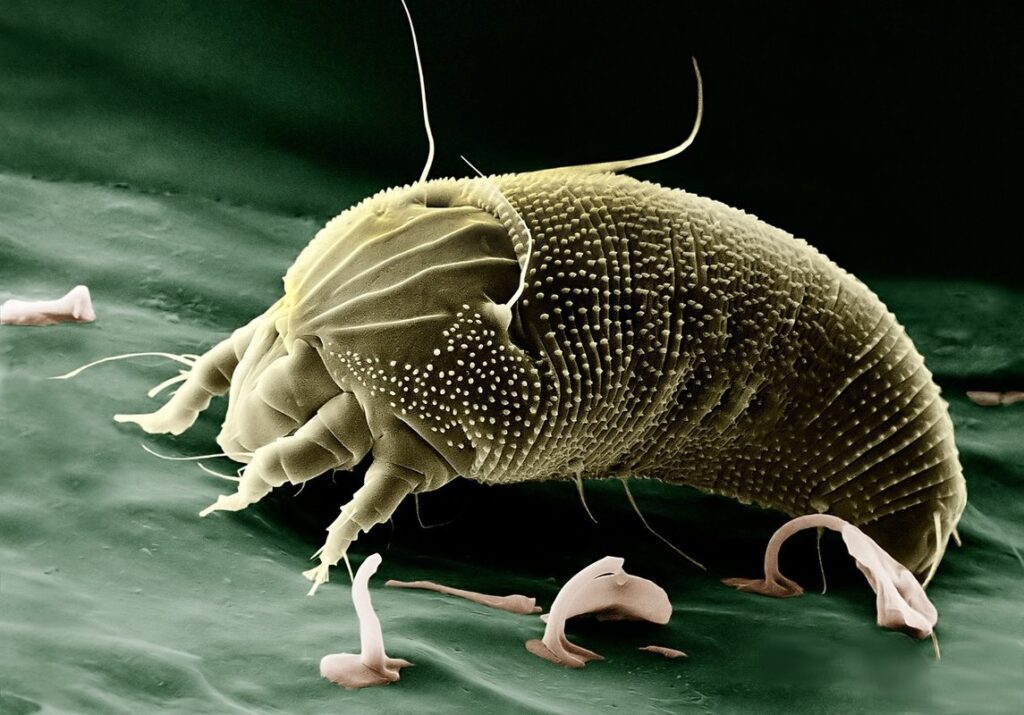
What are Chook Mites?
Chook mites may seem like a minor nuisance, but they can have serious consequences for humans who come into contact with them. In this section, we’ll explore what these tiny pests are and how they affect our health.
What is a Chook Mite?
So, what exactly are chook mites? Chook mites, also known as Dermanyssus gallinae, are tiny, eight-legged parasites that feed on the blood of chickens and other birds. They’re not a type of mite specific to humans, but rather they infest our feathered friends in their nests.
These pesky mites have a unique life cycle that’s essential to understand when it comes to preventing infestation. Adult chook mites lay eggs in the bird’s nesting area, which hatch into larvae after about 3-4 days. The larvae then molt twice and become adult mites within 2-3 weeks. Now, here’s where things get concerning: these mites can infest humans by accidentally transferring to us when we come into contact with an infected chicken or its environment.
Infestation occurs when chook mite eggs, larvae, or adults attach themselves to human skin, usually in areas with thin skin like the scalp, neck, or fingers. Once attached, they’ll feed on our blood for a few days before falling off and dying.
How do People Get Infested with Chook Mites?
People can come into contact with chook mites through various means, making it essential to be aware of these common exposure routes. One primary way is by being in close proximity to infected poultry, such as chickens, ducks, or turkeys, without taking proper precautions. If the birds have a significant infestation, the mites can easily jump onto humans, especially when handling them for food preparation or during cleaning.
Poor hygiene practices also play a crucial role in chook mite transmission. For instance, not washing hands thoroughly after handling birds or their enclosures, or failing to clean and disinfect equipment used for poultry care, can lead to the transfer of these parasites onto humans. It’s also worth noting that people who work with large numbers of poultry on farms or in slaughterhouses are at a higher risk due to prolonged exposure.
To minimize the likelihood of coming into contact with chook mites, it is vital to maintain good hygiene practices and take precautions when handling infected birds or their living spaces. Regular hand washing with soap and water for 20 seconds, use of gloves, and thorough cleaning of equipment can significantly reduce the risk.
Symptoms of Chook Mite Infestation
If you suspect you’ve contracted chook mites, it’s essential to recognize the telltale signs and symptoms that indicate an infestation. These often include intense itching, redness, and swelling on your skin.
Common Symptoms
If you suspect that you’ve contracted chook mites from your chickens, there are several symptoms to look out for. The most common symptom is intense itching, particularly around the areas where your clothes rub against your skin. This can be accompanied by redness and swelling, which may become severe if left untreated.
In some cases, people have reported experiencing a burning sensation on their skin as well. These symptoms are usually localized to specific areas of the body, such as the arms, legs, or torso. However, in rare instances, they can spread to other parts of the body.
It’s essential to note that chook mite infestations can also cause secondary infections if not properly treated. These infections may manifest as painful blisters, rashes, or lesions on the skin. If you’re experiencing any of these symptoms after coming into contact with your chickens, seek medical attention promptly to prevent further complications and ensure proper treatment.
Rare but Serious Complications
While rare, chook mite infestations can lead to serious complications that require immediate medical attention. One of the most severe reactions is anaphylaxis, a life-threatening allergic reaction that can occur within minutes of exposure. Symptoms may include rapid heartbeat, dizziness, nausea, and swelling of the face, lips, or throat.
If you suspect someone has developed anaphylaxis due to chook mite infestation, call emergency services immediately. While waiting for help to arrive, keep the person calm and try to identify any signs of an allergy they may have had in the past.
Secondary infections are another potential complication that can arise from chook mite bites. These bites can open up the skin, making it susceptible to bacterial or fungal infections. If you notice redness, swelling, or discharge around a bite site, seek medical attention promptly.
To minimize the risk of serious complications, practice good hygiene when handling chickens and their coop, including washing your hands thoroughly after contact with the birds or their living environment.
Risk Factors for Chook Mite Infestation
You’ll want to be aware of the factors that increase your chances of getting infested by chook mites, as some situations put you more at risk than others. These include poor coop hygiene and certain lifestyle habits.
People Most at Risk
If you’re involved in poultry farming or work with chickens regularly, you may be at risk of getting chook mites on humans. These tiny parasites can infest your clothing and skin, causing discomfort and even serious health issues if left untreated.
Farmers and poultry workers are most susceptible to chook mite infestations due to their frequent contact with chickens and the environments where they live. People with weakened immune systems, such as those undergoing chemotherapy or taking immunosuppressive medications, are also more vulnerable to the effects of chook mites on humans.
If you’re one of these individuals, it’s essential to take extra precautions when interacting with chickens. This includes wearing protective clothing and washing your hands thoroughly after handling birds or cleaning their enclosures. Regularly inspecting your skin for signs of infestation and treating any bites promptly can also help prevent more serious problems from developing.
Remember, the best defense against chook mites on humans is prevention. By understanding who’s most at risk and taking the necessary precautions, you can reduce your chances of getting infested.
Environmental Factors That Contribute to Infestations
Poor farm conditions can significantly contribute to the spread of chook mites. This is because mites thrive in environments with high humidity and temperatures between 25-30°C (77-86°F), which are often found near poultry farms or backyard coops. If your coop is overcrowded, dirty, or lacks proper ventilation, it creates an ideal breeding ground for these unwanted guests.
Lack of proper hygiene practices can also facilitate the spread of chook mites. For instance, failing to regularly clean and disinfect the coop, feeding areas, and nesting boxes allows mites to infest and multiply unchecked. This is especially true if you’re not changing bedding materials frequently or washing your hands thoroughly after handling birds.
Climate plays a role too. In regions with mild winters or hot, humid summers, chook mites can thrive year-round. If you live in an area with such weather conditions, it’s essential to take extra precautions to prevent infestations, such as ensuring proper ventilation and using diatomaceous earth or other natural deterrents.
By addressing these environmental factors, you can significantly reduce the risk of a chook mite infestation on your property.
Prevention Methods
Now that we’ve covered what chook mites are and how to treat them, let’s dive into some effective prevention methods you can use to keep these unwanted critters at bay. We’ll explore ways to prevent infestations from happening in the first place.
Personal Protective Equipment (PPE)
When handling poultry or visiting farms with infected birds, wearing Personal Protective Equipment (PPE) is essential to prevent chook mites from attaching to you. Chook mites are notorious for their ability to jump long distances and can easily infest humans, causing discomfort and potentially serious health issues.
To protect yourself, it’s crucial to wear protective clothing that covers your skin, including long-sleeved shirts, long pants, closed-toe shoes, and a hat. Additionally, consider wearing gloves and a face mask to prevent mites from entering through any exposed areas. It’s also important to choose PPE made from breathable materials that will help keep you cool in warm environments.
Remember to clean your PPE thoroughly after each use to prevent cross-contamination. When visiting farms, ask the owner or staff if they have any specific guidelines for visitors regarding PPE usage. This will not only protect you but also show respect for their operation and the health of their birds.
Regular Cleaning and Disinfection Practices
Regular cleaning and disinfection of living spaces are crucial steps in preventing chook mite infestations. To keep your home free from these unwanted pests, make it a habit to regularly vacuum all areas, especially where you suspect mites might be present. Use a vacuum cleaner with a HEPA filter, as it can trap even the smallest particles, including mite eggs and droppings.
Dusting is another essential task in keeping your living space clean. Use a damp cloth to dust surfaces, and avoid using dry cloths that can spread mites around. Pay particular attention to areas around beds and furniture where you spend most of your time. Sanitize these areas regularly with a mixture of soap and water or a commercial disinfectant.
When it comes to cleaning clothing and bedding, wash them in hot water (at least 120°F) to kill any mite eggs or larvae that might be present. Dry them on high heat as well to ensure that the fabric is completely free from any remaining mites. Remember, prevention is key when dealing with chook mites; by regularly cleaning and disinfecting your living spaces, you’ll minimize the risk of an infestation occurring in the first place.
Treatment Options for Chook Mite Infestation
If you’re looking for a solution, don’t worry – we’ve got you covered. Here, we’ll explore the different treatment options available to get rid of chook mites on humans effectively.
Over-the-Counter (OTC) Treatments
When it comes to treating chook mite infestations on humans using over-the-counter (OTC) treatments, there are several options available. One popular choice is creams and lotions that contain ingredients such as permethrin or deltamethrin. These products work by breaking down the mites’ exoskeletons, ultimately killing them. However, it’s essential to follow the product instructions carefully to avoid any adverse reactions.
Shampoos specifically designed for treating chook mite infestations are also widely available. These shampoos typically contain ingredients such as ivermectin or pyrethrin. When using a shampoo, it’s crucial to apply it thoroughly to all affected areas and leave it on for the recommended amount of time before rinsing off.
When selecting an OTC treatment, be sure to read the product label carefully and look for products that contain ingredients known to be effective against chook mites. Additionally, always follow the instructions provided and perform a patch test before using any new product.
Prescription Medications
In severe cases of chook mite infestation or when over-the-counter treatments prove ineffective, prescription medications may be necessary to provide relief. These medications are typically reserved for situations where the infestation is widespread and other treatment methods have failed.
Ivermectin, a topical cream or lotion, is often prescribed for its potent effects against chook mites. Applied directly to affected areas, ivermectin can bring rapid relief from itching and discomfort. For more severe cases, oral versions of ivermectin may be administered under the guidance of a healthcare professional.
Another option is spinosad, an insecticide that targets the nervous system of chook mites, ultimately leading to their demise. Prescription-strength permethrin or lindane creams can also provide effective treatment in severe cases. Before resorting to prescription medications, it’s essential to consult with a healthcare expert to discuss the best course of action for your specific situation.
It’s crucial to note that prescription medications should only be used as directed by a healthcare professional and under their supervision. This ensures the medication is prescribed at the correct dosage and usage frequency to avoid any adverse reactions or complications.
Getting Rid of Chook Mites from Your Home
If you’ve noticed a chook mite infestation in your home, it’s essential to eliminate these unwanted critters as soon as possible. This section will guide you through effective ways to get rid of them for good.
Cleaning and Disinfecting Strategies
When it comes to eliminating chook mites from your home, cleaning and disinfecting is a crucial step. To do this effectively, you’ll want to tackle living spaces, furniture, and clothing separately.
Start by washing all clothing and bedding on hot settings (at least 120°F) with a mild detergent. This will help kill any remaining chook mite eggs or adults that may have survived the initial treatment. Dry cleaning is not recommended as it can’t reach high enough temperatures to effectively kill chook mites.
Next, focus on living areas and furniture. Vacuum carpets, rugs, and upholstered furniture thoroughly, making sure to dispose of the vacuum bag or empty the canister after each use to prevent any remaining chook mite eggs from hatching. Then, disinfect all surfaces using a solution of one part white vinegar to nine parts water or a commercial disinfectant specifically labeled for use against bird mites.
Don’t forget to pay attention to areas around food and water sources, as well as any cracks and crevices where chook mites may be hiding.
Using Traps and Insecticides
If you’re finding it challenging to eliminate chook mites from your home using natural methods alone, traps and insecticides can be a valuable alternative or complementary approach. These methods work by targeting the adult mites and their eggs, helping to break the breeding cycle.
When using traps, place them in areas where chook mites are most active, such as near roosting bars or nesting boxes. Sticky traps or adhesive tapes can capture mites as they move around, while UV light traps attract them with warmth. It’s essential to replace sticky traps regularly and discard any trapped mites.
Insecticides can be applied directly to areas where chook mites are prevalent. Permethrin or deltamethrin sprays can be effective against these pests. However, always follow the product instructions carefully, ensuring you wear protective gear and ventilate the area thoroughly. For optimal results, combine insecticide treatment with other control methods like vacuuming and washing bedding.
Remember to consult with a pest management professional if the infestation is severe or persists after trying various treatments.
Conclusion
Now that you’ve learned how to prevent and treat chook mites on humans, let’s summarize the key takeaways from our comprehensive guide so far. We’ll review what you need to know.
Recap of Key Points
To effectively manage chook mites on humans, it’s essential to remember three key takeaways: prevention, early detection, and proper treatment. Prevention is the most effective way to avoid infestations, but this isn’t always possible. Early detection allows for swift action, reducing the likelihood of severe bites or allergic reactions.
Prevention strategies include regular inspections of chickens’ coops, ensuring they are clean and dry, providing adequate ventilation, and keeping the coop off the ground. It’s also crucial to wash your hands thoroughly after handling birds, as mites can easily transfer to humans through direct contact.
Early detection involves being aware of signs such as intense itching, redness, or a rash on exposed skin. If you suspect an infestation, immediately separate the affected individual from other family members and pets to prevent further spread.
Proper treatment typically involves topical creams or shampoos containing pyrethrin or permethrin, which kill mites quickly but are safe for use on humans when followed by thorough washing. Regular maintenance is also vital – repeating treatments as necessary and regularly monitoring coops will help keep the problem under control.
Final Recommendations
If you’ve reached this point, it’s likely that you’re either at risk of chook mite infestation or have already been affected. Either way, prevention and treatment are crucial to avoiding the discomfort and potential health complications associated with these pesky parasites.
To minimize your chances of encountering chook mites on humans, regular monitoring is essential. Keep an eye out for signs of infestation, such as redness, itching, or small bumps on exposed skin areas. Regularly check your clothing, especially if you’ve been around chickens, and wash them in hot water before wearing again.
In addition to monitoring, adhering to good hygiene practices can go a long way in preventing chook mite infestations. Wash your hands thoroughly after handling chickens or their living quarters, and avoid touching your face while working with the birds. If you notice any symptoms persisting or worsening, don’t hesitate to seek medical attention.
Lastly, be proactive about treating any existing infestations promptly. This will not only alleviate discomfort but also prevent potential complications such as secondary infections.
Frequently Asked Questions
What are the chances of getting chook mites on humans if I have a small backyard flock?
While having a small backyard flock can increase your risk, proper management and regular checking for signs of infestation can significantly reduce this chance. Regular cleaning and disinfection practices, as well as using personal protective equipment (PPE) when handling chickens, are essential in preventing human infestations.
Can chook mites on humans be contagious?
No, chook mite infestations on humans are not contagious from person to person. However, it’s possible for multiple people to get infested if they come into contact with an infected chicken or contaminated environment.
How long does it take for symptoms of chook mite infestation to appear after exposure?
Symptoms can appear anywhere from a few days to several weeks after initial exposure to chook mites. Factors such as individual sensitivity and the severity of the infestation influence the timeline of symptom onset.
Are there any natural treatments that I can try before seeking medical attention for a suspected chook mite infestation?
Yes, there are several home remedies and natural treatments that may help alleviate symptoms associated with chook mite infestations. Examples include using tea tree oil or neem oil to repel mites and applying calamine lotion to soothe itching skin.
Can I use the same cleaning products for both my chickens and human living areas?
No, it’s not recommended to use the same cleaning products for both your chickens and human living areas due to potential health risks. Use specific products labeled as safe for both humans and animals, or follow a double-clean approach where surfaces are thoroughly cleaned with animal-friendly products before being used by humans.