
Are you looking for a superfood that’s packed with antioxidants, versatile in its uses, and easy to grow? Look no further than the incredible chokeberry shrub! Native to North America, this shrub has been used for centuries in traditional medicine, but it’s only recently gained popularity as a health superstar. Rich in anthocyanins, which are powerful antioxidants that have anti-inflammatory properties, chokeberries have been shown to boost immune function and even protect against certain diseases. But their benefits don’t stop there – they can also be used in skincare routines for their potential to reduce wrinkles and improve skin elasticity. In this article, we’ll explore the amazing health benefits of chokeberry shrubs, as well as provide tips on how to grow them in your own garden or even use them in your daily routine.
What is a Chokeberry Shrub?
Let’s dive into what makes the chokeberry shrub so unique, starting with its origins and characteristics as a versatile shrub species. It’s a fascinating plant that offers more than meets the eye.
Definition and Origins
A chokeberry shrub is a type of deciduous shrub that’s native to North America. Its botanical name is Aronia arbutifolia, and it’s a member of the rose family (Rosaceae). This shrub is characterized by its small white flowers, which bloom in late spring and give way to dark purple berries.
In its natural habitat, you can find chokeberry shrubs growing along rivers, streams, and lake shores. They thrive in wet environments with full sun to partial shade. Chokeberries are highly adaptable and can tolerate a wide range of soil types, from acidic to alkaline.
Native Americans have long valued chokeberries for their medicinal properties. The berries were used to treat various ailments, including arthritis and digestive issues. Today, chokeberry shrubs are prized for their ornamental value, as well as their potential health benefits when consumed as a supplement or added to food products.
Types of Chokeberry Shrubs
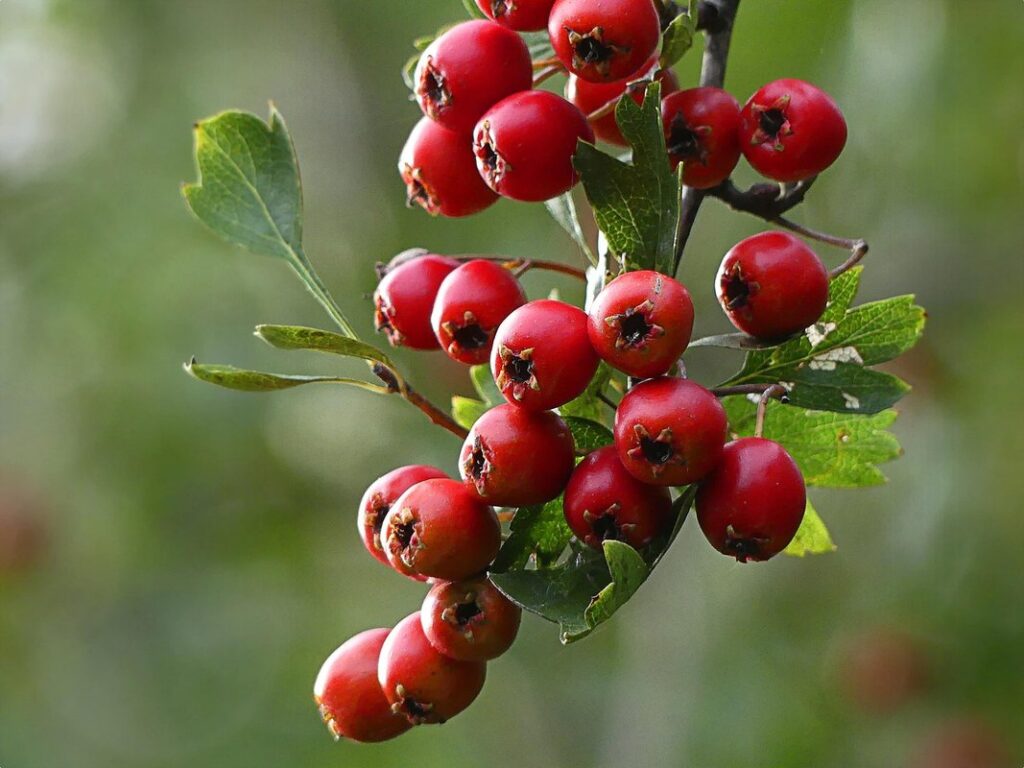
There are several types of chokeberry shrubs, each with its own unique characteristics. One of the most popular species is Aronia arbutifolia, also known as Red Chokeberry. This deciduous shrub produces bright red berries that are rich in antioxidants and other nutrients. Its compact growth habit makes it an ideal choice for small gardens or hedges.
Another popular species is Aronia x prunifolia, a hybrid of Aronia arbutifolia and Aronia melanocarpa (Black Chokeberry). This shrub produces purple-black berries that are even higher in antioxidants than those of the Red Chokeberry. Its tolerance to wet soils makes it an excellent choice for gardens with poor drainage.
Other species include Aronia melanocarpa, which is native to North America and produces black berries, and Aronia serotina, a smaller shrub with white flowers and yellowish-green berries. When choosing a chokeberry shrub, consider factors like growth habit, berry color, and soil tolerance to ensure the best fit for your garden.
When planting multiple species together, it’s essential to provide adequate space between each shrub to allow for proper air circulation and sunlight penetration. This will also encourage healthy growth and prevent disease issues.
Health Benefits of Chokeberries
Rich in antioxidants and nutrients, chokeberries have been shown to provide numerous health benefits, from reducing inflammation to supporting heart health. Let’s explore some of these incredible advantages.
Antioxidant Properties
Chokeberries are one of the richest sources of antioxidants among all berries. These powerful compounds include anthocyanins and other polyphenols that have been extensively studied for their potential health benefits. The unique combination of anthocyanin and quercetin in chokeberries is responsible for its exceptional antioxidant capacity.
Research has shown that the high levels of anthocyanins in chokeberries can help protect against oxidative stress, inflammation, and cell damage. This can contribute to a reduced risk of chronic diseases such as heart disease, cancer, and neurodegenerative disorders. In fact, studies have found that consuming chokeberry extracts or supplements can improve cardiovascular health by reducing triglycerides and LDL cholesterol levels.
The antioxidant properties of chokeberries may also help to mitigate the effects of aging, such as wrinkles, age spots, and cognitive decline. Furthermore, the polyphenols present in chokeberries have been shown to exhibit anti-inflammatory properties, which could be beneficial for managing conditions like arthritis. To incorporate the benefits of chokeberries into your diet, try adding them to oatmeal or yogurt, or blend them into a smoothie. You can also purchase dried chokeberry powder as a convenient supplement.
Anti-Inflammatory Effects
Chokeberries have been found to possess potent anti-inflammatory properties that can help reduce inflammation in the body. The polyphenols present in these berries are responsible for their ability to fight off free radicals and oxidative stress, which can lead to chronic inflammation. Studies have shown that chokeberry extract has reduced inflammation markers such as C-reactive protein (CRP) and tumor necrosis factor-alpha (TNF-α).
The anti-inflammatory effects of chokeberries can be attributed to the presence of anthocyanins, powerful antioxidants that help protect against cell damage. Inflammation is a major contributor to various chronic diseases, including arthritis, diabetes, and cardiovascular disease. By consuming chokeberry supplements or incorporating them into your diet, you may be able to reduce inflammation and alleviate symptoms associated with these conditions.
To reap the anti-inflammatory benefits of chokeberries, try adding dried chokeberries to your oatmeal or yogurt, or use chokeberry extract in smoothies and juices.
Heart Health Benefits
Consuming chokeberry extracts or supplements has been shown to have a positive impact on cardiovascular health. Studies have demonstrated that regular consumption of chokeberries can lead to improved blood lipid profiles, including reduced levels of LDL cholesterol and triglycerides. This is because chokeberries are rich in anthocyanins, powerful antioxidants that help to inhibit the formation of cholesterol crystals in the liver.
As a result, individuals who incorporate chokeberry extracts into their diet may experience a reduction in their risk of heart disease. In fact, research has shown that consuming 500mg of chokeberry extract per day for six months can decrease blood pressure and improve lipid profiles in patients with metabolic syndrome. Additionally, the high levels of fiber found in chokeberries have been linked to improved cardiovascular health by helping to regulate blood sugar levels and reduce inflammation.
To incorporate chokeberries into your diet and reap their heart-healthy benefits, consider adding dried or frozen berries to oatmeal, yogurt, or salads, or taking a standardized chokeberry extract supplement as directed.
Uses for Chokeberry Shrub
You might be surprised at just how versatile this incredible shrub is, and we’re excited to share some of our favorite uses for chokeberry shrub right here. From edible delights to natural remedies, you’ll love these creative ways to use it!
Food and Beverage Industry
In the food and beverage industry, chokeberries have been gaining attention for their unique flavor profile and impressive nutritional benefits. The antioxidant-rich berries are a perfect addition to various products, from sweet treats to refreshing drinks.
One of the most popular uses of chokeberries is in jam and jelly production. These preserves offer a delicious way to experience the complex taste of chokeberries, with their tartness balanced by a hint of sweetness. Many artisanal producers have started incorporating chokeberries into their recipes, taking advantage of the berries’ intense color and flavor.
Chokeberry smoothies are another trendy application, blending the berries with yogurt, milk, or other fruits to create healthy, filling drinks. A simple recipe involves mixing 1 cup of frozen chokeberries with 1/2 banana, 1 tablespoon of honey, and a splash of almond milk for a quick breakfast boost.
Wine production is also an exciting area where chokeberries are being explored. Their flavor profile offers a unique twist on traditional berry-based wines. With careful processing to balance the tannins and acidity, chokeberry wine can be a standout at any dinner party or special occasion.
When experimenting with chokeberry recipes, it’s essential to note that the berries have a very short shelf life due to their high water content and delicate flavor. To maintain quality, use fresh chokeberries as soon as possible or freeze them for later use.
Cosmetic and Skincare Applications
Chokeberry shrub extracts have been gaining attention in the cosmetics and skincare industry due to their impressive array of benefits. As we age, our skin undergoes a range of changes that can leave it looking dull, dry, and prone to fine lines and wrinkles. Chokeberry extracts contain high levels of antioxidants, which help protect the skin from environmental stressors and promote overall health.
Incorporating chokeberry extracts into skincare products can help to combat signs of aging by neutralizing free radicals, reducing inflammation, and promoting collagen production. The antioxidant properties in chokeberry shrub extracts also help to soothe and calm irritated skin, making it an excellent addition to products aimed at sensitive skin types.
For those looking to harness the benefits of chokeberry extracts for themselves, consider using skincare products that incorporate this ingredient or try adding a few drops of chokeberry oil to your daily moisturizer. As with any new skincare product, start by applying a small amount to a discreet area to test for sensitivity before incorporating it into your regular routine.
Medicinal Uses
For centuries, chokeberries have been used to treat a variety of ailments, earning them a reputation as a natural remedy for many common health issues. One of the most well-documented uses of chokeberries is in treating digestive problems such as diarrhea and stomach cramps. The high antioxidant content in chokeberries helps to soothe inflammation in the gut, making it an effective natural treatment for irritable bowel syndrome (IBS) and other gastrointestinal disorders.
Chokeberries have also been traditionally used to reduce fever by promoting sweating and helping the body to expel toxins. This is particularly useful during the early stages of illness when a fever can be debilitating. Additionally, the antimicrobial properties of chokeberries make them an effective treatment for wound healing. The juice or extract of chokeberries can be applied topically to clean wounds, reduce inflammation, and prevent infection.
Incorporating chokeberry into your natural health routine is easier than you think. You can drink chokeberry juice as a tea or add it to smoothies and other recipes. It’s also available in supplement form, making it easy to incorporate into your daily regimen.
Growing Chokeberry Shrubs at Home
To successfully grow a healthy chokeberry shrub at home, you’ll need to choose the right location and plant it during the proper season for your climate. Follow these essential steps.
Climate and Soil Requirements
To grow chokeberry shrubs successfully at home, it’s essential to provide them with optimal climate and soil conditions. Chokeberries prefer a cool, temperate climate with moderate winters and warm summers. They thrive in USDA Hardiness Zones 3-8, which means they can tolerate temperatures as low as -40°F (-40°C) and as high as 90°F (32°C).
In terms of soil, chokeberry shrubs prefer well-drained acidic to neutral soil with a pH between 4.5 and 6.5. They can grow in a wide range of soils but tend to perform best in sandy loams or clay-loam soils. To ensure optimal growth, test your soil pH regularly and amend it if necessary.
When choosing a location for your chokeberry shrubs, consider full sun to partial shade conditions. Chokeberries can tolerate some shade but will produce more fruit when exposed to direct sunlight. Water them regularly, providing about 1 inch of water per week through rainfall or irrigation. By understanding and replicating the right climate and soil conditions, you’ll be well on your way to growing thriving chokeberry shrubs at home.
Planting and Maintenance Tips
When planting chokeberry shrubs at home, it’s essential to choose a location with full sun to partial shade and well-draining soil. Dig a hole that’s twice as wide and just as deep as the root ball of the plant. Gently remove the shrub from its container and place it in the hole, making sure the crown (where the stem meets the roots) is level with the surrounding soil.
To promote healthy growth and maximum fruit production, regular pruning is necessary. Prune chokeberry shrubs in late winter or early spring, removing any dead, diseased, or damaged branches. Cut back overgrown branches by about one-third to maintain a balanced shape and encourage new growth. You can also thin out the center of the plant to allow more sunlight to reach the interior branches.
Water your chokeberry shrub regularly during its first year after planting, providing about 1 inch of water per week. Once established, these plants are relatively drought-tolerant, but consistent moisture will promote better fruiting. Fertilize annually with a balanced, slow-release fertilizer in early spring to provide essential nutrients for growth and development.
By following these tips, you’ll be well on your way to growing healthy, productive chokeberry shrubs that thrive in your home garden.
Potential Pests and Diseases
Chokeberry shrubs are generally hardy and resistant to pests and diseases, but they can still be susceptible to certain issues. One common pest that can affect chokeberry shrubs is the Japanese beetle, which feeds on leaves and flowers. To prevent infestations, use neem oil or insecticidal soap as a preventative measure during peak beetle season.
Diseases such as powdery mildew and black knot can also impact your chokeberry shrub. Powdery mildew can be identified by its white, powdery coating on leaves, while black knot is characterized by small, dark growths on stems. To prevent these diseases, ensure good air circulation around the plant and water it from the base rather than overhead.
Regular pruning also helps to maintain the health of your chokeberry shrub by removing diseased or damaged areas before they spread. Additionally, avoid overwatering, which can create an environment conducive to disease development. Keep in mind that a well-maintained chokeberry shrub is better equipped to fight off pests and diseases.
Harvesting and Processing Chokeberries
Now that you’ve learned about the benefits of chokeberry shrubs, let’s dive into harvesting and processing these delicious berries to enjoy them at their best.
Timing and Methodology
When it comes to harvesting chokeberries, timing is everything. You’ll want to pick them at the right moment to ensure optimal flavor, texture, and nutritional value. The best time to harvest chokeberries is usually from late summer to early fall, when they’re fully ripe and have turned a deep purple color.
Check for ripeness by gently tugging on the stem – if it comes off easily, the berries are ready to be picked. Avoid harvesting during extreme weather conditions like heavy rain or intense heat, as this can damage the delicate fruit. A gentle morning harvest is ideal, as the dew has evaporated and the sun hasn’t yet become too strong.
When selecting a time to harvest, consider factors like humidity and temperature. Aim for a day with moderate temperatures between 60°F and 70°F (15°C and 21°C), and minimal wind to prevent damage to the delicate fruit. By choosing the right moment, you’ll be able to enjoy your chokeberries at their best – bursting with flavor and packed with nutrients.
Drying and Storing Chokeberries
Drying and storing chokeberries properly is essential to maintain their nutritional value and flavor. When it comes to drying chokeberries, there are a few methods you can try at home, including using a food dehydrator or by spreading them out on paper towels and letting air dry. However, the most effective method for preserving chokeberry antioxidants is freeze-drying.
Freeze-dried chokeberries retain up to 90% of their anthocyanin content compared to other drying methods which can lose up to 50%. This is especially important if you’re looking to use them as a supplement or in recipes where nutritional value is crucial. Regardless of the method, ensure they are completely dry and free of moisture before storing.
Store dried chokeberries in an airtight container in a cool dark place, such as a pantry or cupboard. You can also store them in the freezer for up to 6 months to preserve their nutrients even longer. It’s essential to keep them away from direct sunlight and heat sources to prevent degradation of the antioxidants.
Incorporating dried chokeberries into your recipes is easy – simply add them to salads, smoothies, or baked goods. Their intense flavor makes a great addition to muffins and scones. With proper storage and handling, you can enjoy the nutritional benefits of chokeberries all year round.
Cooking with Chokeberries
Cooking with chokeberries is an art that requires creativity and experimentation. One of the best ways to get started is by incorporating them into baked goods, such as muffins, cakes, and cookies. Chokeberry jam or preserves can be used as a topping for yogurt, oatmeal, or ice cream, adding a sweet-tart flavor.
Chokeberries also pair well with savory ingredients like pork, chicken, and fish. Try making a chokeberry BBQ sauce by blending cooked berries with ketchup, brown sugar, vinegar, and spices. This sauce is perfect for slathering on ribs or using as a marinade for chicken. You can also use dried chokeberries to add depth to soups, stews, or braises.
When cooking with chokeberries, remember that their flavor profile is both sweet and tart. To balance this out, try pairing them with ingredients like honey, maple syrup, or citrus zest. Experiment with different spice combinations, such as cinnamon, nutmeg, or ginger, to add warmth and depth to your dishes. With a little creativity, the possibilities for cooking with chokeberries are endless!
Frequently Asked Questions
Can I grow chokeberry shrubs indoors or do they require a specific climate?
Yes, chokeberry shrubs can be grown indoors, but they typically thrive in cooler climates with moist soil. If you’re planning to grow them indoors, ensure that your container has good drainage and provide the right amount of sunlight. Keep in mind that indoor plants may not produce as many berries as those grown outdoors.
How long does it take for chokeberry shrubs to mature and start producing berries?
Chokeberry shrubs can take around 3-5 years to mature after planting, with some varieties producing berries within the first year. The time frame depends on factors such as soil quality, climate, and care. It’s essential to provide your plants with optimal growing conditions to promote healthy growth.
Can I use chokeberries in place of other fruits or berries in recipes?
While chokeberries share similarities with other berries like blueberries and raspberries, they have a unique flavor and texture. You can substitute them in some recipes, but be aware that their tartness may alter the overall taste. It’s best to experiment with small batches before using them as a direct replacement.
Do chokeberry shrubs require regular pruning for optimal growth?
Yes, regular pruning is essential for maintaining healthy chokeberry shrubs and promoting berry production. Prune your plants in late winter or early spring, removing any dead or diseased branches. This will help maintain the plant’s shape and encourage new growth.
Can I use dried chokeberries as a substitute for fresh ones in recipes?
Dried chokeberries have a longer shelf life than fresh berries but may lose some of their potency. While you can use them as a substitute, keep in mind that the flavor and texture will differ slightly. Reconstitute dried chokeberries by soaking them in water or a liquid of your choice before using them in recipes.