
If you’re a seasoned gardener or just starting to tend to your own plot, chances are you’ve come across the mighty chive. These humble herbs not only add a burst of flavor to any dish but also play a crucial role in maintaining healthy soil and ecosystems. When paired with specific plants, chives can boost nutrient levels, repel pests, and even enhance flavors – it’s a win-win for your garden! But did you know that some plants are better BFFs for your chives than others? Companion planting is the key to unlocking the full potential of your herbs, and in this article, we’ll delve into the world of chive companion plants. We’ll explore the best pairings, why they’re beneficial, and how you can incorporate them into your garden design for a more resilient, thriving plot.
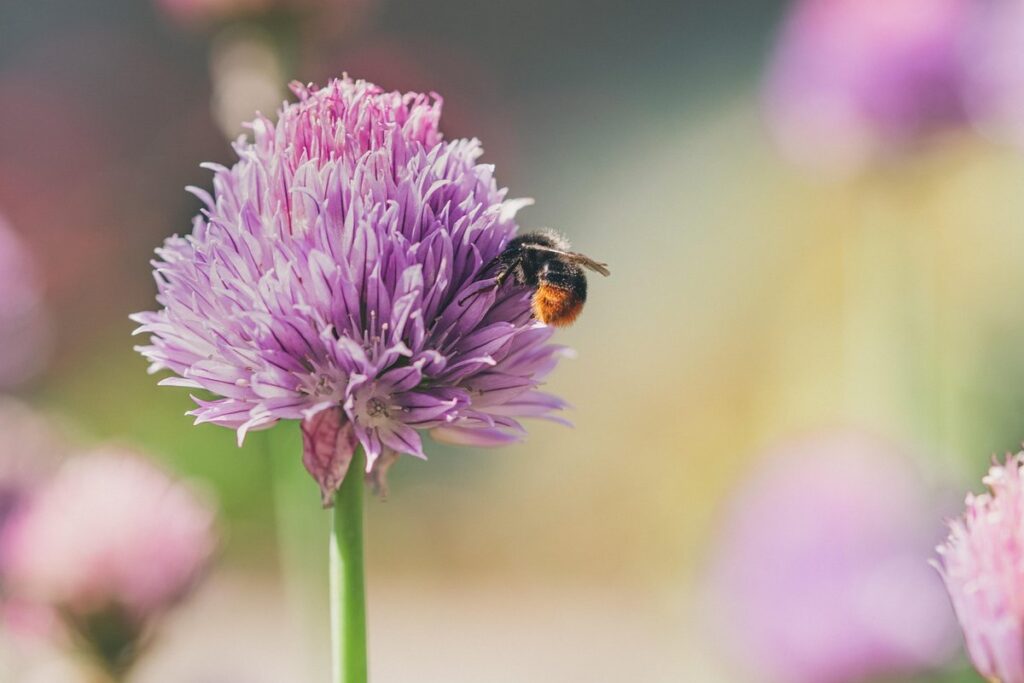
Benefits and Uses of Chive Companion Plants
When it comes to maximizing your garden’s potential, chives are a versatile herb that pairs well with many other plants, offering a range of benefits and uses.
Improving Soil Health with Chives
When it comes to improving soil health, chives are a valuable companion plant that can make a significant impact. One of the key ways chives contribute to healthy soil is through nutrient accumulation. Chives have a unique ability to accumulate nutrients from the soil and make them available to other plants, making them an excellent choice for companion planting. For example, if you’re growing tomatoes or peppers in your garden, planting chives nearby can help provide these plants with essential micronutrients.
In addition to nutrient accumulation, chives also play a role in pest control by repelling aphids and other pests that can damage soil health. By reducing the number of pests in the soil, chives create an environment that’s less conducive to disease development. This is especially important for vegetables like carrots and beets, which are susceptible to root-knot nematodes.
To promote beneficial microbes in your soil, plant chives alongside plants like beans or peas, which have a symbiotic relationship with nitrogen-fixing bacteria. By creating an environment rich in beneficial microbes, you’ll improve the overall fertility of your soil and create a balanced ecosystem.
Enhancing Flavor and Aroma with Chive Companions
When it comes to enhancing flavor and aroma with chive companions, certain plants stand out for their ability to complement chives’ unique taste and scent. Parsley, a classic pairing, adds a fresh, green note that balances chives’ oniony depth. When grown together, parsley’s mild flavor won’t overpower chives, but rather, enhance their overall character.
Dill is another popular companion that harmonizes with chive flavors. Its sweet, herbal aroma and taste complement chives’ pungency, creating a beautiful balance of flavors. This pairing works particularly well in salads or as a garnish for fish dishes. To maximize the benefits of this combination, plant dill near chives at the same time to encourage them to grow together.
Cilantro, often used in Mexican and Asian cuisine, pairs surprisingly well with chives. Its citrusy flavor cuts through chives’ richness, making it an excellent choice for spicy dishes or as a fresh garnish. When growing cilantro alongside chives, be sure to harvest regularly to encourage continuous growth and prevent the plants from flowering.
Remember that companion planting is all about experimentation and finding what works best for your specific garden conditions and preferences. Feel free to try out these pairings and discover new favorites!
Chive Companion Planting for Pest Control and Disease Prevention
When it comes to pest control and disease prevention, companion planting is a powerful tool in your gardening arsenal. In this section, we’ll explore how chives can be paired with other plants to keep pests at bay.
Repelling Pests with Chives
Chives have a natural ability to repel several pests that can harm your garden. One of the most common pests chives are known to deter is aphids. These tiny insects can quickly multiply and spread disease throughout your plants, but chives release oils that help keep them at bay.
Spider mites are another type of pest that chives can repel. These microscopic arachnids feed on plant sap, causing damage and discoloration. Chives’ strong scent and flavor help deter spider mites from setting up shop in your garden. In addition to these two pests, chives also have a natural repellent effect on nematodes, microscopic worms that can harm plants by attacking their roots.
By planting chives alongside other vegetables and flowers, you can create a balanced ecosystem that minimizes the presence of unwanted pests. This approach not only reduces the need for pesticides but also fosters healthy soil and plant growth.
Preventing Diseases with Chive Companions
When it comes to growing chives, preventing diseases is just as crucial as repelling pests. Certain plants can play a significant role in safeguarding your chive crop from common afflictions like powdery mildew, leaf spot, and root rot.
Some notable companions for preventing these diseases include garlic, which releases compounds that inhibit the growth of fungal pathogens responsible for powdery mildew and leaf spot. Marigold flowers are another excellent choice, as their bright petals repel nematodes, microscopic worms that can cause root damage and contribute to root rot.
Basil is also a beneficial companion, emitting oils that help combat fungal diseases and attract beneficial insects that prey on pests that spread disease. Nasturtiums, with their large leaves and vibrant flowers, create a physical barrier against aphids and whiteflies, which can transmit plant viruses.
To maximize the benefits of these disease-fighting companions, plant them in close proximity to your chives and ensure they receive sufficient sunlight and water. By incorporating these plants into your garden, you’ll be well on your way to creating a healthy and thriving environment for your chive crop.
Companion Plants for Chives by Growing Conditions
When choosing companion plants for your chive garden, it’s essential to consider the specific growing conditions of each plant to ensure a harmonious and thriving environment. We’ll explore the perfect pairings by climate and soil type below.
Full Sun: Chive Companions for Warm Weather
When it comes to full sun conditions, chives can be paired with plants that not only complement their flavor but also thrive in warm weather and require minimal watering. In this section, we’ll explore some of the best companion plants for chives when growing in full sun.
Some excellent choices for full sun include basil, oregano, and thyme. These herbs are not only easy to care for but also repel pests that can harm your chive crop. Basil, in particular, is a natural pest repellent that can help keep aphids and whiteflies at bay. Oregano and thyme are also great companions as they have similar growing requirements to chives and add a unique flavor dimension when used together.
When planting these herbs alongside chives in full sun, make sure to provide them with well-draining soil and plenty of sunlight (at least 6 hours of direct sunlight per day). Water sparingly but deeply to encourage healthy root growth. With proper care, you’ll enjoy a thriving garden filled with fragrant herbs that complement each other perfectly.
Shade: Chive Companions for Cooler Climates
If you’re growing chives in cooler climates or regions with intense sunlight, it’s essential to choose companion plants that can tolerate shade or partial shade. This not only provides relief from scorching sun but also creates a more balanced ecosystem.
Some excellent options for shade-tolerant companions include:
* Mint: While mint can be invasive, its fragrance and cooling effect make it an ideal choice for shaded areas. Plus, its ability to repel pests like aphids and spider mites is a bonus.
* Lemon balm: With its light, citrusy aroma, lemon balm adds a delightful contrast to chives in partial shade. It’s also known to improve digestion and reduce stress levels – a perfect pairing for your herb garden!
* Valerian root: This tall, stately plant produces beautiful purple flowers but is often overlooked as a companion. Valerian repels nematodes, which can harm chives, making it an excellent choice for shade.
* Oregano: A low-maintenance favorite in many gardens, oregano thrives in partial shade and complements the onion flavor of chives. Its natural antiseptic properties also help deter fungal diseases.
When pairing chives with these companions, remember to choose plants that have similar growing requirements and space them according to their mature sizes to ensure a harmonious coexistence.
Chive Companion Plants for Improved Growth Rates
When it comes to maximizing your chives’ growth potential, choosing the right companion plants is crucial. Let’s explore some of the best options to improve their overall health and productivity.
Stimulating Growth with Chive Companions
When it comes to stimulating growth in chives, certain companion plants can make all the difference. Let’s take a closer look at three plants that have been shown to increase chive growth rates: marigold, nasturtium, and calendula.
Marigold is a natural pest repellent that can help protect your chives from nematodes, whiteflies, and other pests that can slow down growth. By planting marigolds alongside your chives, you’ll not only see an increase in growth but also enjoy the added benefit of reduced pest damage. To maximize their effect, plant marigold seeds about 6-8 inches away from your chive plants.
Nasturtiums are another great companion for chives, as they repel aphids and other pests that target chives. These bright flowers also attract beneficial insects like lacewings and hoverflies, which prey on pests that might harm your chives. Sow nasturtium seeds around the perimeter of your chive bed to create a pest-free zone.
Calendula is a natural fertilizer that can boost chive growth by promoting soil health. Its roots release compounds that stimulate microbial activity in the soil, making nutrients more available to your chives. Plant calendula near your chives and watch as they grow stronger and healthier.
Enhancing Yield and Productivity with Chive Companions
When it comes to companion planting with chives, certain combinations can not only enhance their growth but also increase yields. One key factor to consider is nutrient competition – some plants may compete with chives for essential nutrients like nitrogen and potassium. For example, when paired with heavy feeders like tomatoes or corn, chives might struggle to obtain the nutrients they need.
To avoid this, try pairing chives with companion plants that complement their nutritional needs. For instance, planting marigolds alongside chives can improve soil health by attracting beneficial nematodes that target pests. This reduces competition for resources and allows chives to focus on growth. Additionally, consider cross-pollination – some plants, like cilantro or dill, can enhance the pollination process for chives.
By selecting companion plants wisely, you can create a harmonious garden ecosystem where each plant supports the others’ growth. Experiment with different combinations to find the optimal pairing for your chives. Remember, even small adjustments can make a significant difference in their productivity and overall health.
Incorporating Chives into Your Garden Design
When incorporating chives into your garden design, consider their versatility and how they can complement other plants through texture, color, and fragrance. This section highlights key tips for a harmonious layout.
Intercropping for Maximum Space Efficiency
When it comes to incorporating chives and their companion plants into your garden design, maximizing space efficiency is key. Intercropping is a technique that allows you to plant multiple crops together in the same area, making the most of your available space.
One of the benefits of intercropping with chives is that they can be planted between rows of other vegetables or herbs, without taking up too much space. For example, you can plant them among rows of lettuce, carrots, or tomatoes. Chives will also help repel aphids and other pests that target these crops, reducing the need for pesticides.
To get started with intercropping in your garden, choose a mix of plants that have different growing requirements and mature at different times. This will ensure that your space is utilized efficiently throughout the season. Some popular companion plants for chives include marigolds, nasturtiums, and calendula – all of which repel pests and attract beneficial pollinators.
When planning your intercropping layout, consider the mature size of each plant to ensure a balanced and harmonious design. A general rule of thumb is to space rows about 12-18 inches apart, depending on the specific varieties you’re using.
Succession Planting with Chives and Companions
Succession planting is an excellent strategy to make the most of your chive crop and minimize waste. By growing multiple crops in a sequence, you ensure a continuous harvest throughout the season. This approach not only extends the life of your chives but also allows for efficient use of space.
To implement succession planting with chives, start by sowing small batches every 1-2 weeks. This will give you a steady supply of fresh herbs without overwhelming your garden bed. You can plant companion crops like lettuce, radishes, or cilantro alongside the chives to utilize the space and create a diverse ecosystem.
For example, planting lettuce between rows of chives allows for easy harvesting while keeping weeds at bay. Radishes, with their rapid growth rate, can help repel pests that target chives. By incorporating these strategies into your garden design, you’ll enjoy a prolonged harvest period, reduce waste, and create a thriving, balanced ecosystem.
Frequently Asked Questions
Can I use chives as a companion plant for vegetables that require different growing conditions?
Yes, you can use chives as a versatile companion plant for various vegetables with different growing requirements. Chives are adaptable to a range of growing conditions and can thrive in both full sun and partial shade, making them an excellent choice for companion planting in diverse garden settings.
How do I incorporate chive companion plants into my existing garden design?
When incorporating chive companions into your existing garden design, consider their mature size, growth habits, and nutrient requirements. Plant chives near vegetables that benefit from their nutrient accumulation, such as tomatoes or peppers, to create a harmonious and productive growing environment.
Are there any specific considerations for planting chives with sensitive plants?
Yes, when pairing chives with sensitive plants, be mindful of potential allelopathic effects. Chives can release chemicals into the soil that may inhibit the growth of certain plants, such as lettuce or spinach. Start by testing your chive varieties and companion plants in a controlled environment to ensure compatibility.
How long does it take for chives to start providing benefits to other plants?
Chives typically begin providing benefits to other plants within 1-2 weeks after planting. As they mature, their roots will start accumulating nutrients from the soil, which can then be transferred to neighboring plants through a process called nutrient sharing.
Can I use different types of chive companions for specific pest control and disease prevention?
Yes, various chive companion plants have unique properties that make them more effective against certain pests or diseases. For example, garlic chives are known for their natural insecticidal properties, making them an excellent choice for repelling aphids or other pests that target vegetables. Experiment with different chive varieties to find the most effective solutions for your garden’s specific needs.