
Chili peppers have long been a staple in many cuisines around the world, not only for their bold flavors but also for their medicinal properties. With thousands of varieties to choose from, it can be overwhelming for even the most seasoned gardener or chef to identify the right type of chili pepper for their needs. Whether you’re looking to grow your own peppers at home or experiment with new recipes in the kitchen, being able to identify different types of chili peppers is essential.
In this comprehensive guide, we’ll take a closer look at how to identify and cultivate various chili pepper types based on shape, color, heat level, and more. From sweet and mild Anaheim peppers to scorching hot habaneros, we’ll explore the key characteristics that distinguish each type and provide tips for growing and using them in your cooking. Whether you’re a seasoned chili head or just starting out, this guide is designed to help you become a pro at identifying and working with chili peppers in no time.
Understanding Chili Peppers and Their Varieties
Let’s take a closer look at the wonderful world of chili peppers, exploring their diverse varieties and unique characteristics that set them apart from one another. We’ll dive into the differences between popular types.
Overview of Chili Peppers
Chili peppers have been an integral part of human cuisine for thousands of years. Their origin is shrouded in mystery, but it’s widely accepted that they hail from the Americas. The earliest recorded evidence of chili pepper cultivation dates back to around 6,000-7,000 years ago in present-day Mexico and Central America.
These versatile peppers have undergone significant transformations over time, with various cultures contributing to their development. The indigenous peoples of South America domesticated the wild pepper plant, gradually increasing its heat level through selective breeding. As trade routes expanded, chili peppers spread throughout the world, adapting to different environments and culinary traditions.
Today, there are countless varieties of chili peppers, each boasting unique characteristics. Their popularity is undeniable, with over 2 million tons produced annually worldwide. Whether you’re a seasoned chef or an adventurous foodie, understanding the basics of chili peppers can elevate your cooking experience. With a little knowledge about their history and diversity, you’ll be well on your way to navigating the vast world of chili peppers.
Common Types of Chili Peppers
Chili peppers come in an array of varieties, each with its unique flavor profile and level of heat. Among the most popular types are the Jalapeño, Serrano, Cayenne, and Habanero. The Jalapeño is a staple in Mexican cuisine, known for its bright green color and moderate level of heat. It’s often pickled or used in salsas.
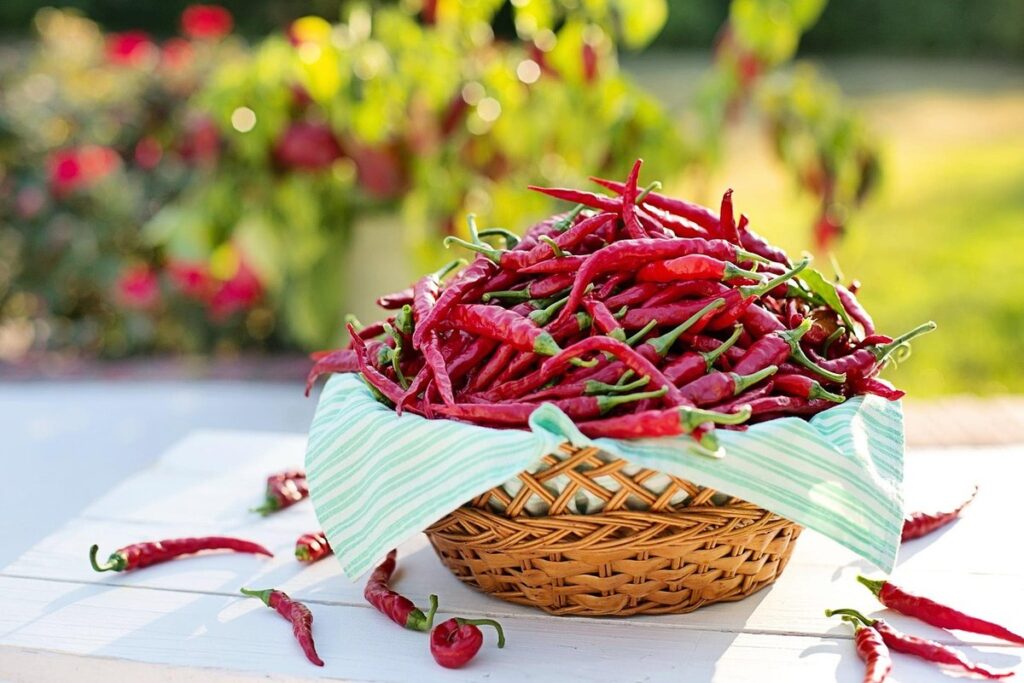
The Serrano pepper, on the other hand, is smaller and hotter than the Jalapeño, with a bright green skin that turns red when ripe. Its intense heat makes it a favorite among chefs who want to add a bold flavor to dishes. The Cayenne pepper is long and thin, with a deep red color and a level of heat that’s similar to the Serrano.
The Habanero is one of the hottest peppers on the market, with an average Scoville heat unit rating of 100,000-350,000. It’s often used in Caribbean cuisine and adds a unique flavor to hot sauces and marinades. Knowing how to identify these popular types can help you choose the right pepper for your next recipe.
Factors Influencing Chili Pepper Heat
The heat level of chili peppers is not fixed and can vary depending on several environmental factors. Climate, for instance, plays a significant role in determining the Scoville heat units (SHU) of a chili pepper. Generally, hot climates with high temperatures tend to produce hotter peppers due to the increased production of capsaicinoids, the compounds responsible for the pungency.
Soil quality is another crucial factor that affects the heat level of chili peppers. Peppers grown in nutrient-rich soil tend to have higher SHU ratings compared to those grown in poor-quality soil. This is because optimal nutrient levels promote healthy plant growth and increased production of capsaicinoids.
Sun exposure also influences the heat level of chili peppers. In general, peppers grown under full sun tend to be hotter than those shaded or grown indoors. However, excessive sunlight can lead to scorched peppers with reduced SHU ratings. Thus, it’s essential to provide your chili pepper plants with adequate but not excessive sunlight for optimal pungency.
Understanding these factors will help you optimize the growth and heat level of your chili peppers. By controlling variables like climate, soil quality, and sun exposure, you can produce hotter or milder peppers depending on your preferences.
Identifying Chili Pepper Shapes and Colors
Let’s take a closer look at chili pepper shapes, which can be either rounded, pointed, elongated, or even shaped like a bell. You’ll also learn to identify different color variations in this essential guide section.
Common Shape Variations
When it comes to identifying chili peppers, one of the most distinctive characteristics is their shape. Chili pepper shapes can vary greatly depending on the specific variety and growing conditions. Let’s take a closer look at some common shape variations you might encounter.
Elongated chili peppers are long and narrow, often resembling a cylindrical shape. These are commonly found in varieties like the Anaheim Pepper or the Hungarian Hot Wax. Round chili peppers, on the other hand, have a more spherical appearance and can be seen in types such as the Cherry Bomb or the Thai Chili. Blocky chili peppers, also known as “cuboid” peppers, have a rectangular shape with rounded corners, often seen in varieties like the Cubanelle Pepper.
It’s essential to note that the shape of the pepper is not always an indicator of its heat level or flavor profile. For example, the small round Thai Chili can be quite hot, while the larger elongated Anaheim Pepper might be milder. When identifying chili peppers, it’s crucial to consider multiple factors such as color, texture, and size in addition to shape to get a comprehensive understanding of the pepper’s characteristics.
Color Identification Guide
When it comes to identifying chili peppers, understanding their color patterns is just as important as recognizing their shapes. Chili peppers can display a wide range of colors depending on their maturity and variety.
Mature chili peppers come in several common colors: green, red, yellow, orange, purple, brown, white, and striped varieties. Green peppers are typically immature, but some varieties, like the Thai chile, remain green even when mature. Red peppers are fully ripe and sweet, while yellow and orange peppers tend to be slightly sweeter than their red counterparts.
Purple chili peppers have a deep, rich color and are often used for their unique flavor profile. Brown peppers, on the other hand, can indicate over-ripeness or spoilage, so it’s essential to check them regularly. White peppers are rare but exist in varieties like the white habanero. Striped peppers feature colorful patterns and come in different combinations of colors.
Understanding the color patterns associated with mature and immature chili peppers will help you identify the specific variety you’re working with.
Determining Chili Pepper Heat Level
When it comes to cooking with chili peppers, knowing their heat level is crucial – and that’s exactly what we’ll explore next: how to determine a pepper’s Scoville rating.
The Scoville Scale Explained
The Scoville scale is a widely recognized method for measuring the heat level of chili peppers. Developed by Wilbur Scoville in 1912, this system calculates the amount of capsaicin present in a pepper, which is the compound responsible for its spiciness. The process involves extracting the capsaicin from the pepper and then diluting it with sugar water to a point where a panel of human tasters can no longer detect its heat.
The Scoville scale ranges from 0 SHU (Scoville Heat Units) for a sweet pepper to over 2 million SHU for some extremely hot varieties. To put this into perspective, the jalapeño pepper has an average rating of around 2,500-8,000 SHU, while the habanero can range from 100,000 to 350,000 SHU. Knowing the Scoville rating can help you anticipate the level of heat you’ll experience when consuming a particular pepper.
When working with chili peppers in cooking or gardening, being aware of their Scoville rating is crucial for balancing flavor and heat levels in your dishes. If you’re new to using hot peppers, start by handling smaller amounts and taste as you go to adjust seasoning accordingly.
Common Scoville Units Ranges for Popular Peppers
When it comes to chili peppers, their heat level is often measured by Scoville units (SHU). Here’s a rundown of common pepper varieties and their corresponding SHU ranges. This knowledge will help you navigate the world of chili peppers with confidence.
- Jalapeño: 2,500 – 8,000 SHU
These are one of the most commonly used peppers in cooking and come in a variety of colors including green, red, yellow, and orange.
- Cayenne Pepper: 30,000 – 50,000 SHU
Thinly sliced or crushed, cayenne adds heat to dishes without overpowering flavors. Be cautious when handling this pepper as it’s highly potent.
- Habanero: 100,000 – 350,000 SHU
Easily recognizable by its bright orange or red color, habaneros are used in Caribbean and Latin American cuisine for their intense heat and fruity flavor.
- Ghost Pepper (Bhut Jolokia): 855,000 – 1,041,427 SHU
This pepper is not for the faint of heart. Be extremely cautious when handling it, as its potent heat can cause discomfort.
These are just a few examples of popular peppers and their Scoville unit ranges. Familiarizing yourself with these units will help you make informed decisions about which chili to use in your cooking. Always start with small amounts and adjust to taste, especially if working with extremely hot peppers like the Ghost Pepper.
Cultivating and Growing Chili Peppers
Now that you’ve identified your chili pepper, it’s time to learn how to cultivate and grow them successfully in your garden or indoor space. This process requires careful attention to detail and proper techniques.
Environmental Conditions for Optimal Growth
When it comes to growing healthy and thriving chili plants, environmental conditions play a crucial role. Chili peppers are tropical plants that require specific climate conditions, soil types, and sunlight requirements to reach their optimal growth potential.
To start with, chili plants love warmth and can tolerate temperatures between 65°F to 80°F (18°C to 27°C). However, they’re sensitive to extreme temperatures, so it’s essential to provide them with protection from frost. If you live in an area with cold winters, consider growing your chili plants in containers that can be brought indoors during the winter months.
In terms of sunlight, chili plants require at least six hours of direct sunlight per day. However, they also appreciate partial shade, especially when grown in warmer climates. When it comes to soil, chili plants prefer well-draining and fertile soil with a pH between 6.0 and 7.0. To achieve this, mix compost or manure into your soil before planting. By providing your chili plants with the right environmental conditions, you’ll be rewarded with an abundance of healthy and flavorful peppers. Remember to monitor your plant’s specific needs and adjust its environment accordingly for optimal growth.
Pest Control and Disease Prevention Strategies
As you nurture your chili pepper plants, it’s essential to be aware of common pests and diseases that can affect their growth. Aphids, whiteflies, and spider mites are among the most prevalent pests that feed on plant sap, causing curled or distorted leaves.
To prevent these pests, keep an eye out for signs like sticky honeydew droplets on leaves or stems, and use neem oil or insecticidal soap to control infestations. Regularly inspect your plants for eggs, larvae, or actual pests, and remove any affected areas to prevent further damage.
Diseases such as powdery mildew, root rot, and leaf spot can also harm your chili pepper plants. To prevent these diseases, ensure good air circulation around the plants by pruning nearby foliage, and avoid watering at night when moisture can accumulate on leaves.
Some common disease-causing pathogens include Bacterial Leaf Spot (Xanthomonas campestris), caused by excessive water and poor drainage, and Cucumber Mosaic Virus, spread through aphid vectors. Regularly inspect your plants for signs of disease, such as yellowing or browning leaves, and take prompt action to treat infected areas with fungicides or other treatments.
Maintaining good gardening hygiene, including proper disposal of diseased plants and debris, can also help prevent the spread of diseases.
Preparing and Handling Chili Peppers
Before we dive into growing, harvesting, and enjoying your chili peppers, it’s essential to learn how to prepare and handle them safely. This includes proper storage, cleaning, and cutting techniques.
Preparation Methods for Safe Consumption
When handling chili peppers, it’s essential to take precautions to avoid irritating your skin and eyes. One of the most effective methods for preparing chili peppers is to wear gloves while chopping or slicing them. This will prevent oils from the pepper’s skin from coming into contact with your skin, causing irritation.
Another crucial step is to cut away any stems or seeds, as these tend to be the hottest parts of the pepper. By removing them, you’ll reduce the overall heat level and make the pepper easier to handle. To do this safely, use a sharp knife and carefully slice off the stem end of the pepper, then deseed it.
For extreme caution, you can also soak chili peppers in cold water for 10-15 minutes before chopping or cooking with them. This will help neutralize some of the heat. When working with extremely hot peppers like habaneros or ghost peppers, it’s a good idea to have a glass of milk on hand to help neutralize any oils that may come into contact with your skin.
When handling chili peppers, always wash your hands thoroughly after preparing them to avoid transferring oils to other parts of your body.
Storage Tips for Long-Term Preservation
When storing chili peppers for long-term preservation, it’s essential to maintain their flavor, texture, and heat level. To do this, keep them away from direct sunlight, moisture, and heat sources, as these factors can cause them to spoil quickly.
For short-term storage (up to a week), you can store chili peppers in a cool, dry place like a pantry or cupboard. Simply wrap them in paper towels or breathable cloth to maintain humidity and prevent drying out. If you’re storing multiple types of peppers, separate them by variety to avoid cross-pollination and contamination.
For longer-term storage (up to several months), consider freezing or dehydrating your chili peppers. Freezing helps preserve the heat level and flavor, while dehydrating removes excess moisture, making it easier to store and rehydrate when needed. To freeze, blanch the peppers in boiling water for 2-3 minutes, then transfer them to airtight containers or freezer bags. For dehydration, slice or chop the peppers and dry them using a food dehydrator or your oven on the lowest temperature setting.
Remember to always label and date your stored chili peppers so you can easily identify what you have and when it was stored. This simple step will ensure that your preserved chili peppers remain flavorful and potent for months to come.
Frequently Asked Questions
How do I know which type of chili pepper is best for my garden?
When choosing a variety, consider factors like climate, space, and desired harvest size. For example, smaller peppers like Thai chilies are ideal for container gardens or small spaces, while larger varieties like bell peppers require more room to grow.
Can I use the same growing conditions for all types of chili peppers?
No, different pepper varieties have unique requirements. Some prefer well-drained soil and full sun, while others thrive in partial shade with moist soil. Research specific needs for each variety you’re growing to ensure optimal results.
What’s the best way to store chili peppers to maintain their heat level and flavor?
Store chili peppers in a cool, dry place away from direct sunlight. For longer preservation, consider freezing or dehydrating them. Freeze-dried peppers retain their heat and flavor, making them perfect for soups and sauces.
How can I reduce the risk of pests and diseases when growing chili peppers?
Use integrated pest management (IPM) techniques to minimize risks. Implement strategies like crop rotation, physical barriers, and biological control methods. Regularly inspect your plants for signs of stress or infestation, taking action promptly if necessary.
Can I grow multiple varieties of chili peppers in the same garden bed?
Yes, you can grow multiple pepper varieties together. However, ensure they have different growth habits and space requirements to prevent overcrowding and disease transmission. Consider companion planting to enhance growth and flavor profiles.