
If you’re eager to grow your own luscious figs in the Midwest, but don’t know where to start, you’re not alone. The Chicago Hardy Fig is a popular choice for gardeners in the region, and with good reason – it’s incredibly hardy and can thrive in USDA zones 5-9. But growing delicious figs requires more than just planting a tree; it demands attention to climate, soil quality, and pest management. In this comprehensive guide, we’ll walk you through everything you need to know about Chicago Hardy Fig fruiting, from cultivating the perfect environment to preventing common pests and diseases like brown turkey beetles and powdery mildew. By the end of this article, you’ll be well on your way to enjoying a bountiful harvest of succulent figs right in your own backyard.
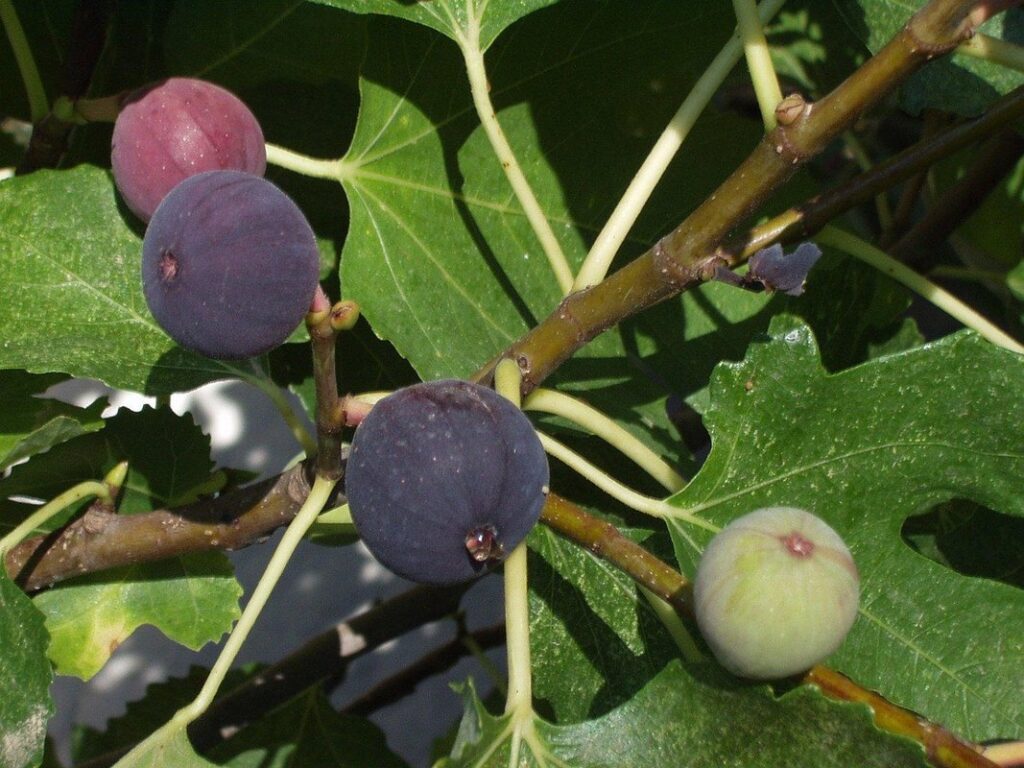
Introduction to Chicago Hardy Fig
Meet the Chicago Hardy fig, a resilient and adaptable fruit tree that thrives in the Midwest’s climate, perfect for home gardeners and orchardists alike. This section will give you an overview of this remarkable variety’s unique characteristics.
History and Origins of Chicago Hardy Fig
The history of fig cultivation dates back thousands of years to the Mediterranean region. Figs have been a staple crop in countries such as Greece and Turkey for centuries, where they were cherished not only for their sweet taste but also for their nutritional value and medicinal properties. The ancient Greeks and Romans prized figs highly, using them in various dishes, from desserts to savory meals.
As civilizations migrated and traded goods, the cultivation of figs spread throughout North Africa and the Middle East. When European settlers arrived in North America, they brought with them their knowledge and techniques for growing figs. Initially, fig cultivation was confined to warmer regions like California and Florida, where the climate allowed for successful growth.
However, with advancements in horticulture and breeding programs, new varieties emerged that could tolerate cooler temperatures and more diverse environments. This paved the way for the development of hardy fig cultivars, such as the Chicago Hardy Fig, which is specifically designed to thrive in USDA zones 5-8. The introduction of these adaptable varieties has made it possible for gardeners across a broader range of regions to grow their own figs and enjoy this delicious fruit.
Characteristics of Chicago Hardy Fig
The Chicago Hardy Fig is a standout variety for growers in USDA zones 5-8 due to its exceptional cold hardiness and adaptability. This deciduous shrub can tolerate temperatures as low as -20°F, making it an excellent choice for areas with harsh winters. Its ability to thrive in various soil types, from clay to sand, also makes it a versatile option for growers with different soil conditions.
One of the key characteristics that set Chicago Hardy Fig apart is its ability to produce fruit on mature wood. This means that new growth won’t be necessary for fruiting, allowing growers to enjoy a bountiful harvest even in areas with short growing seasons. Its compact size, typically reaching 10-15 feet tall and wide, also makes it an excellent choice for smaller spaces or container gardens.
Growers can expect the Chicago Hardy Fig to produce two crops of figs per year, one in late spring and another in early fall. With proper care, this variety is known to be highly productive, providing a consistent supply of sweet and juicy fruit.
Choosing the Right Planting Location for Chicago Hardy Fig
When it comes to growing a healthy and thriving Chicago hardy fig, selecting the right planting location is crucial. This means considering factors like sunlight and soil quality in your garden.
Understanding Climate and Soil Requirements
When growing Chicago Hardy Fig, it’s essential to understand its specific climate and soil requirements to ensure optimal fruiting. This variety can tolerate a range of temperatures, but ideal growth occurs between 65°F (18°C) and 85°F (29°C). It is moderately sensitive to frost, so areas with prolonged periods of freezing temperatures may not be suitable.
Chicago Hardy Fig requires full sun, receiving at least six hours of direct sunlight daily. This helps the tree produce the necessary energy for fruit development. When it comes to soil pH, Chicago Hardy Fig prefers a slightly acidic to neutral range, between 6.0 and 7.0. While it can tolerate a wider pH range, maintaining an optimal level will promote healthy growth.
Proper moisture levels are also crucial. The tree requires consistent moisture, especially during its first year of growth. Water deeply but infrequently to encourage deep root development. Once established, Chicago Hardy Fig is relatively drought-tolerant but may require supplemental watering during prolonged dry spells.
Preparing the Soil for Planting
Before planting your Chicago hardy fig, it’s essential to prepare the soil for optimal growth. One of the most critical factors is drainage. Figs don’t tolerate waterlogged soil well, so make sure to improve the soil structure by mixing in organic matter like compost or well-rotted manure. This will help break up any clay particles and create a more open texture.
To further enhance drainage, consider installing a French drain system or raised beds with good air circulation. Aerate the soil by loosening it to a depth of about 12 inches using a fork. This will also introduce oxygen into the root zone, promoting healthy root growth.
Add a layer of organic mulch like wood chips or bark to retain moisture and suppress weeds. Aim for a pH between 6.0 and 6.5, slightly acidic to neutral, which is ideal for fig trees. You can test your soil pH using a DIY kit or send it off to a lab for analysis.
Planting and Establishing Chicago Hardy Fig
When planting a Chicago Hardy Fig, it’s essential to choose the right location and prepare the soil properly to ensure your tree gets off to a healthy start. This section will guide you through that process.
Steps for Planting a Healthy Tree
When planting a Chicago Hardy Fig tree, it’s essential to get it off to a healthy start. The location you choose will have a significant impact on the tree’s overall health and productivity, so take some time to consider its needs. Look for a spot that receives full sun to partial shade, as fig trees prefer warmer temperatures.
When digging the hole, make sure it’s at least 2-3 times wider than the root ball of the tree. This will give the roots room to spread out and establish themselves in the soil. Add organic matter like compost or well-rotted manure to improve drainage and fertility.
Gently remove the tree from its container and inspect the roots. If they are circling or tangled, gently tease them apart with your fingers or a blunt instrument. Place the tree in the hole, making sure the graft union (if applicable) is at least 2 inches above the soil level. Fill the hole with soil, tamping it down gently as you go to prevent air pockets from forming. Water thoroughly and keep the soil consistently moist during its first year of growth.
Post-Planting Care and Maintenance
After planting your Chicago Hardy Fig tree, it’s essential to provide regular care and maintenance to ensure healthy establishment and promote strong growth. Start by watering your tree regularly, especially during its first year of growth. Aim for about 1 inch of water per week, either from rainfall or irrigation. Mulching around the base of the tree will also help retain moisture and suppress weeds.
Pruning is another crucial aspect of post-planting care. Prune your Chicago Hardy Fig tree annually to maintain a central leader and promote a strong root system. Remove any dead, diseased, or damaged branches, and cut back any overgrown tips. This will not only improve the overall appearance of the tree but also encourage fruiting.
For optimal growth, consider fertilizing your Chicago Hardy Fig tree with a balanced fertilizer in early spring and again after harvest. This will provide the necessary nutrients for healthy development and promote fruit production. By following these care and maintenance tips, you’ll be well on your way to establishing a thriving Chicago Hardy Fig tree that will produce delicious fruit for years to come.
Fruiting Patterns and Expectations
As you learn more about your Chicago Hardy Fig tree, it’s natural to wonder when and how much fruit you can expect to see. In this section, we’ll break down common fruiting patterns and expectations for a healthy fig tree.
Understanding Fig Fruiting Cycles
The Chicago Hardy Fig tree has a unique fig fruiting cycle that’s worth understanding to maximize its productivity. Typically, these trees produce two crops of fruit per year: the breba crop in summer and the main crop in fall.
The breba crop is the first set of fruit that develops on the previous season’s growth. This crop usually appears in late spring or early summer and can be significantly smaller than the main crop. In most cases, the breba crop is edible but may not have the same level of quality as the main crop.
To encourage a healthy breba crop, prune your Chicago Hardy Fig tree lightly after harvesting the first crop, removing any weak growth and promoting air circulation around the fruiting branches. This will help direct the tree’s energy towards producing more flowers and fruit for the fall season.
In terms of timing, the main crop typically ripens in late summer or early fall, with optimal harvest conditions between 40°F to 70°F (4°C to 21°C). Regularly monitor your tree’s fruit production during this period, as temperatures above 80°F (27°C) can cause the fruit to spoil quickly.
Factors Affecting Fruit Production
Climate variability is one of the primary factors affecting fruit production on Chicago Hardy Fig trees. Since they are native to warmer climates, they can be sensitive to extreme temperatures and weather conditions. A late frost in spring or an early frost in fall can damage or destroy the developing fruit, reducing yields. To mitigate this risk, it’s essential to plant your Chicago Hardy Fig tree in a location that provides some protection from harsh winds and temperature fluctuations.
Pest and disease issues are also significant concerns for fig trees. Pests like aphids, whiteflies, and spider mites can feed on the sap of the tree, weakening its ability to produce fruit. Fungal diseases such as root rot and leaf spot can further compromise fruit production. Regular monitoring and maintenance practices, including pruning, fertilizing, and using organic pest control methods, can help prevent these issues.
Nutrient deficiencies can also impact fruit production. Fig trees require a balanced diet of nitrogen, phosphorus, and potassium to produce healthy fruit. Soils with low pH levels or inadequate nutrient profiles can limit fruiting. Testing your soil regularly and amending it as needed can help ensure your tree receives the necessary nutrients for optimal fruit production.
Common Pests and Diseases
As a fig grower, it’s essential to be aware of the common pests and diseases that can affect your Chicago Hardy Fig tree, from spider mites to root rot. Let’s take a closer look at what to watch out for.
Identifying Common Threats to Chicago Hardy Fig
As you nurture your Chicago Hardy Fig tree, it’s essential to be aware of common threats that can affect its health and fruiting. One of the primary concerns is pests, which can cause significant damage if left unchecked. Spider mites are a common culprit, feeding on sap and causing yellowing leaves. Scale insects, another prevalent issue, secrete honeydew, attracting ants and promoting fungal growth.
Diseases like root rot and fungal infections can also devastate your tree. Root rot is often caused by overwatering or waterlogged soil, leading to the decay of roots and eventual tree decline. Fungal infections, on the other hand, can be triggered by moisture-loving organisms that feed on plant sap. Look for signs such as yellowing leaves, blackened stems, or a white powdery coating on leaves.
To prevent infestations, maintain good hygiene practices around your tree, pruning any dead or damaged branches and disposing of debris promptly. Regular inspections will help you catch issues early, reducing the risk of damage to your Chicago Hardy Fig tree.
Organic and Integrated Pest Management Strategies
When it comes to managing pests and diseases that can harm your Chicago Hardy fig tree, it’s essential to adopt organic and integrated pest management (IPM) strategies. These methods not only promote a healthy environment but also reduce the risk of chemical contamination.
To start, introduce beneficial insects such as ladybugs or lacewings, which prey on common pests like aphids and whiteflies. You can purchase these beneficial insects from online suppliers or local nurseries. Another effective method is practicing good hygiene by regularly removing weeds, debris, and fallen fruits, which can harbor pests and diseases.
Additionally, implement IPM techniques by monitoring your tree’s condition regularly and taking swift action when necessary. This might involve using neem oil or horticultural soap to control infestations, or applying fungicides as a last resort to prevent the spread of diseases like powdery mildew or root rot. By adopting these organic and integrated approaches, you’ll be able to maintain a healthy and thriving Chicago Hardy fig tree.
Tips for Successful Harvesting and Enjoyment
Now that you’ve successfully grown your Chicago Hardy Fig, it’s time to reap the rewards by harvesting its sweet fruit at the right moment. Here are some essential tips for a bountiful harvest and enjoying your homegrown figs.
Timing and Handling Figs at the Optimal Stage of Ripeness
Timing and handling Chicago hardy figs at their optimal stage of ripeness is crucial to unlock their full flavor potential and nutritional value. Harvesting figs too early can result in a lackluster taste, while waiting too long can lead to over-ripeness and spoilage.
When it comes to timing, a gentle tug on the fruit should be enough to dislodge it from the tree. Gently grasp the stem and twist it counterclockwise; if the fig comes off easily, it’s ready for harvest. For optimal flavor, pick your figs in the morning after the dew has evaporated but before the heat of the day causes them to ripen too quickly.
Once picked, store ripe Chicago hardy figs at room temperature for a few hours or refrigerate them to prolong their freshness. If you won’t be consuming them within 24 hours, consider freezing them whole or cutting them in half and placing them on a baking sheet lined with parchment paper; this way, you can easily scoop out the flesh later.
Remember, over-handling the fruit during storage can cause damage and spoilage, so handle the figs gently to preserve their quality.
Preserving Fig Fruits Through Proper Storage and Canning Techniques
Proper storage and canning techniques are essential to enjoy your fresh Chicago Hardy fig fruits for an extended period. When it comes to storing fresh figs, the key is to maintain a cool environment with high humidity. Store them at room temperature away from direct sunlight, but not in the refrigerator, as this can cause the fruit to ripen unevenly. Keep them in a paper bag or breathable container to prevent moisture buildup.
If you plan to store figs for an extended period, place them in the refrigerator when they’re ripe to slow down the ripening process. Canning is another great way to preserve fig fruits for later use. Sterilize jars and lids, fill with jam-making mixture or pureed figs, seal, and process according to a tested recipe to ensure proper canning techniques.
You can also freeze fresh or cooked figs by placing them in an airtight container or freezer bag, making them perfect for smoothies, baked goods, or sauces. Be sure to label containers with the date and contents for easy identification later on. By following these storage and canning tips, you’ll be able to enjoy your Chicago Hardy fig fruits throughout the year.
Conclusion
As you’ve navigated this comprehensive guide on Chicago Hardy fig fruiting, you’re now equipped with the knowledge to successfully grow your very own fig tree. By following the steps outlined in this guide, you should be able to enjoy a bountiful harvest of delicious and nutritious fruit right from your own backyard. Remember, patience is key when it comes to growing fig trees – don’t expect immediate results, as they can take several years to mature. But with proper care and attention, you’ll be enjoying fresh figs in no time. As the seasons change and your tree continues to thrive, be sure to prune regularly to maintain a healthy shape and encourage fruiting. By doing so, you’ll be well on your way to becoming a seasoned fig grower.
Frequently Asked Questions
How Do I Determine if My Chicago Hardy Fig Tree is Receiving the Right Amount of Sunlight?
Yes, proper sunlight exposure is crucial for fig tree growth and fruiting. If your tree is receiving direct sunlight for at least 6 hours a day during the growing season, it’s likely getting enough light. However, consider factors like shade from nearby buildings or trees, which can reduce available sunlight. Monitor your tree’s growth and adjust its location accordingly to ensure optimal sun exposure.
Can I Grow Chicago Hardy Fig Trees in Containers, or Do They Require Soil Planting?
Yes, you can grow Chicago Hardy fig trees in containers if you choose a large enough pot (at least 14-16 inches deep) with good drainage. Select a container mix specifically designed for fruit trees and ensure the tree has enough root space to accommodate its mature size. Container-grown trees may require more frequent watering due to reduced soil volume.
What Are Common Signs of Pest Infestation in Chicago Hardy Fig Trees, and How Can I Prevent It?
Common signs of pest infestation include yellowing leaves, stunted growth, or actual insects like brown turkey beetles on the tree’s foliage. Regularly inspect your tree for these symptoms, and consider using organic pest control methods like neem oil or insecticidal soap to prevent infestations. Keep a clean garden by removing weeds and debris that can attract pests.
Can I Expect a Chicago Hardy Fig Tree to Bear Fruit in Its First Year After Planting?
No, it’s unlikely your Chicago Hardy fig tree will bear fruit in its first year after planting. Fruiting typically occurs 2-3 years after planting when the tree has reached maturity and established itself well. Provide optimal growing conditions, and prune your tree annually to promote healthy growth and encourage fruit production.
How Can I Preserve Freshly Harvested Figs for Long-Term Enjoyment?
To preserve freshly harvested figs, store them at room temperature for up to 3 days or in the refrigerator for up to a week. Canning or freezing is also an option: can fig jam or syrup using a water bath canner, or freeze fresh or cooked figs by blanching and packing them in airtight containers. Proper preservation techniques will help you enjoy your Chicago Hardy fig harvest throughout the year.