
Growing your own tomatoes can be a delightful experience, but choosing the right variety for your garden can be overwhelming. You’ve probably heard of cherry tomatoes and beefsteaks, two popular types that offer distinct benefits. While both are delicious additions to any meal, they have different climate requirements, growth patterns, and pest management needs. If you’re new to growing tomatoes or looking to improve your yields, understanding the differences between these two varieties is crucial.
In this comprehensive guide, we’ll delve into the world of cherry tomato vs beefsteak growing, covering essential topics such as climate suitability, growth habits, and pest control strategies. By the end of this article, you’ll have a clear understanding of which variety suits your needs best – whether it’s the compact, disease-resistant cherry tomatoes or the juicy, meaty beefsteaks.
Understanding the Basics
To grow cherry tomatoes and beefsteaks successfully, it’s essential to grasp their basic needs, including sunlight, watering, and soil requirements. Let’s dive into these fundamental differences first.
Characteristics of Cherry Tomatoes
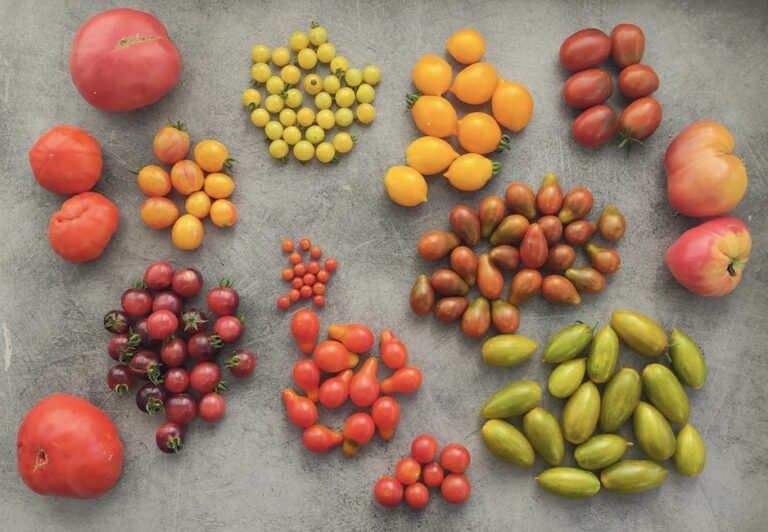
Cherry tomatoes are known for their distinct physical characteristics and growth habits. One of the most notable features is their size, typically ranging from 1 to 2 inches in diameter. They have a round or oval shape, with some varieties being more elongated than others. The color of cherry tomatoes can vary greatly, depending on the specific variety, but common hues include red, yellow, orange, and even purple.
In terms of growth habits, cherry tomato plants are generally compact and bushy, making them ideal for small gardens or containers. They produce a high yield, often resulting in multiple harvests throughout the growing season. Some cherry tomato varieties can produce up to 100 pounds of fruit per plant, although this number can vary depending on factors like soil quality, climate, and sunlight exposure.
One key advantage of cherry tomatoes is their relatively quick maturation period, typically taking around 60-70 days from sowing seeds to harvest. This makes them a great choice for gardeners with limited space or a short growing season.
Characteristics of Beefsteaks
Beefsteaks are one of the most popular tomato varieties among gardeners and chefs alike. When it comes to their physical characteristics and growth habits, beefsteaks are quite distinct from cherry tomatoes.
These large tomatoes typically grow up to 12-16 ounces (340-450g) in weight, with some varieties reaching sizes of over two pounds! Their shape is often more rounded and symmetrical than cherry tomatoes, with a slight indentation on the top where the stem meets the fruit. Beefsteaks can range from bright red to deep purple, yellow, or even bi-colored, depending on the specific variety.
In terms of growth habits, beefsteak plants are generally indeterminate, meaning they’ll continue to grow and produce new fruit throughout the season. They require a trellis or other support system to keep them upright and promote healthy growth. With proper care, a single beefsteak plant can yield 10-20 pounds (4.5-9 kg) of fruit per season, making it an excellent choice for home gardeners looking to harvest large quantities of fresh tomatoes.
One key thing to note is that beefsteaks tend to be more sensitive to temperature fluctuations and require consistent moisture levels to produce well.
Climate and Soil Requirements
To grow cherry tomatoes and beefsteaks successfully, you’ll want to consider their distinct climate and soil requirements. Let’s break down what each variety needs in terms of ideal growing conditions.
Cherry Tomato Climate Preferences
When it comes to growing cherry tomatoes, understanding their ideal climate conditions is crucial for optimal yields. In general, cherry tomato plants thrive in temperatures between 65°F and 85°F (18°C and 30°C). They can tolerate some heat but may become stressed if temperatures consistently exceed 90°F (32°C).
Cherry tomatoes require full sun to produce well, with a minimum of six hours of direct sunlight per day. However, they also appreciate some afternoon shade in warmer climates to prevent scorching.
Humidity levels also play a significant role in cherry tomato growth. While they can adapt to average humidity, optimal growth occurs when the relative humidity is between 40% and 60%. This range allows for healthy photosynthesis and water uptake.
To replicate these conditions, consider growing your cherry tomatoes in a spot that receives morning sun and dappled afternoon shade. You can also use row covers or other shading materials to protect them from intense midday heat.
Beefsteak Climate Preferences
Beefsteaks are warm-season crops that thrive in temperate climates with moderate temperature fluctuations. Ideally, they grow best in temperatures between 65°F (18°C) and 85°F (29°C), making them a natural fit for USDA Hardiness Zones 3-9. During the day, beefsteak plants require full sun to produce an abundance of fruit, so choose a location that receives at least six hours of direct sunlight.
However, be mindful of scorching temperatures above 90°F (32°C), which can lead to blossom drop and reduced yields. Conversely, temperatures below 55°F (13°C) can slow down growth and delay fruit production. Relative humidity levels between 40% and 60% are also essential for maintaining optimal transpiration rates and preventing fungal diseases.
To replicate these ideal conditions in your garden, consider using row covers or black plastic mulch to regulate soil temperature and retain moisture. This will not only promote healthy plant growth but also ensure that your beefsteak crop reaches its full potential. By understanding the specific climate requirements of beefsteaks, you can better prepare your garden for optimal production.
Soil Conditions for Both Varieties
Both cherry tomatoes and beefsteaks have unique requirements when it comes to soil conditions. Cherry tomatoes prefer well-draining soil with a slightly acidic pH between 6.0 and 7.0. They thrive in areas with high organic matter content, which can be achieved by incorporating compost or manure into the soil. Beefsteaks, on the other hand, require deeper root growth, so they need well-draining soil with a slightly alkaline pH between 6.5 and 7.5.
In terms of nutrient content, both varieties benefit from a balanced diet of nitrogen, phosphorus, and potassium (NPK). However, cherry tomatoes are more sensitive to extreme temperatures and moisture fluctuations, making it essential to maintain consistent soil moisture levels. Beefsteaks are relatively drought-tolerant but still require regular watering to prevent cracking.
To determine the ideal soil conditions for your garden, consider getting a soil test done. This will provide you with information on pH levels, nutrient content, and other factors that affect plant growth. Based on the results, make adjustments to create an optimal growing environment for both varieties.
Growth Patterns and Support
As you tend to these two tomato varieties, understanding their unique growth patterns is crucial for providing adequate support. Let’s explore how to tailor your care for optimal results.
Cherry Tomato Pruning Techniques
When it comes to promoting healthy growth in cherry tomato plants, pruning is an essential technique that can make all the difference. Whether you’re growing indeterminate or determinate varieties, there are several pruning techniques worth exploring.
For indeterminate cherry tomatoes, which will continue to grow and produce fruit throughout the season, a “topping” technique can be effective. This involves removing the top two sets of leaves on the plant, just above the first true leaves, to encourage a bushy growth habit and prevent over-vigorous growth. Prune back about one-third of the new growth each week or whenever you notice it becoming too long.
For determinate cherry tomatoes, which have a predetermined height and will stop growing once they reach that point, a “pinching” technique can be used. This involves removing the tips of the new growth to encourage lateral branching and promote fruiting.
Keep in mind that pruning should always be done with clean and sharp tools to avoid spreading diseases.
Beefsteak Plant Structure and Support
Beefsteak plants are known for their sprawling habit and heavy fruit loads, which can make them vulnerable to damage from wind and moisture. The structure of these plants typically features a sturdy stem with large leaves that provide support for the numerous branches. However, as the plant grows, it may become necessary to provide additional support to prevent damage.
One way to achieve this is through staking. You’ll want to choose a sturdy stake that’s at least 6 feet tall and gently tie the plant to it using soft material like twine or a tomato clip. Be sure to leave some flexibility in the ties so the plant can still move with the wind.
Another option is trellising, which involves providing a structure for the plant to grow along. You can use a trellis or even a fence to provide support and promote vertical growth. This not only helps to save space but also keeps the fruit off the ground, reducing the risk of rot and disease.
Pest and Disease Management
Effective pest and disease management is crucial for both cherry tomato and beefsteak varieties, as they’re susceptible to similar issues when grown side by side. We’ll explore prevention methods and control measures to keep your crop healthy.
Common Pests Affecting Both Varieties
When it comes to pest management for cherry tomatoes and beefsteaks, there are several common pests that target both varieties. One of the most notorious pests is the hornworm, a large green caterpillar that can cause significant damage to plants. These pests feed on leaves, stems, and fruit, and can be difficult to spot due to their camouflage.
Aphids and whiteflies are also major concerns for both cherry tomato and beefsteak growers. Aphids are small, soft-bodied insects that feed on plant sap, while whiteflies are tiny, flying insects that suck plant juices. Both pests can spread diseases and weaken plants over time.
To manage these pests, it’s essential to maintain good garden hygiene practices, such as removing weeds and debris, which can attract pests. Regularly inspect your plants for signs of infestation, and use organic or integrated pest management (IPM) strategies whenever possible. For example, introducing beneficial insects like ladybugs or lacewings can help control aphid and whitefly populations.
Managing Diseases in Cherry Tomatoes and Beefsteaks
When it comes to managing diseases in cherry tomatoes and beefsteaks, it’s essential to know what to look out for. Both varieties are susceptible to fungal infections like powdery mildew and septoria leaf spot, which can cause white or gray powder to form on the leaves. These infections thrive in humid environments and can quickly spread if left untreated.
Bacterial spot is another common issue that affects both cherry tomatoes and beefsteaks. Caused by Xanthomonas bacteria, it appears as small, dark spots on the fruit and leaves. To prevent bacterial spot, ensure good air circulation around your plants, remove any infected foliage or fruits, and avoid overwatering.
Prevention is key when it comes to managing diseases in these varieties. Practice crop rotation, maintain proper soil pH, and use resistant cultivars whenever possible. Regularly inspect your plants for signs of disease and treat promptly with copper-based fungicides or bactericides if necessary. By taking proactive steps, you can minimize the risk of disease and enjoy a healthy harvest of cherry tomatoes and beefsteaks.
Harvesting and Yield Expectations
When it comes to cherry tomatoes and beefsteak tomatoes, how much fruit can you expect to harvest from your garden? Let’s dive into yield expectations for both varieties.
Timing and Frequency of Cherry Tomato Harvests
When it comes to cherry tomato harvests, timing is crucial for optimal flavor, texture, and color. Typically, you can expect cherry tomatoes to be ready for harvest about 60-90 days after sowing. However, the exact time will depend on factors such as climate, soil quality, and specific variety.
One way to determine if your cherry tomatoes are ready is by checking their color. They should have developed a deep red or yellow hue, depending on the variety. Another indicator is the texture – ripe cherry tomatoes will be slightly soft to the touch but still firm enough to hold their shape.
In addition to these visual cues, you can also check for flavor maturity. Ripe cherry tomatoes will have a sweet, tangy taste and a hint of acidity. To harvest your crop at its peak, aim to pick them in the morning when they’re at their coolest temperature. Avoid picking too early or late, as this can affect flavor and texture.
It’s worth noting that cherry tomatoes are more susceptible to over-ripening than beefsteak varieties. If you notice a significant change in color or softening of the skin, it’s best to harvest them immediately to prevent spoilage.
Beefsteak Harvest Timing and Expected Yields
When it comes to harvesting beefsteaks, timing is everything. To ensure you get the most out of your crop, you need to know when to pick them at their peak flavor and quality. Here are some key indicators to look for: size, color, and overall texture.
Fruit size is a good indicator that your beefsteak is ready to be harvested. Beefsteaks typically take longer to mature than cherry tomatoes, requiring around 70-80 days from sowing. As they approach maturity, check the fruit regularly for any signs of over-maturity, such as soft spots or a decrease in firmness.
Color-wise, a fully ripe beefsteak will have a deep red or purple hue, depending on the variety. Avoid picking them too early, as this can affect their flavor and texture. Check the stem end for a slight give when pressed gently – this is a sign that the fruit is ready to come off the plant.
In terms of yields, you can expect around 5-7 beefsteaks per plant, although some varieties may produce more or less depending on factors like climate, soil quality, and farming practices. To maximize your harvest, ensure your plants receive adequate light, water, and nutrients throughout their growth cycle.
Frequently Asked Questions
Can I grow cherry tomatoes and beefsteaks together in the same garden bed?
Yes, it’s possible to grow both varieties together, but make sure to provide adequate space for each plant and consider their different growth patterns and support needs. Cherry tomatoes are more compact and require less support, while beefsteaks need staking or caging due to their larger size.
What if I accidentally bring home a cherry tomato plant that’s been infected with disease? Can I still save it?
No, it’s best to discard the infected plant to prevent the spread of disease. If you notice any signs of infection during the growing season, remove the affected leaves or branches and treat the remaining plants with organic fungicides.
How do I know if my cherry tomato plant is receiving enough sunlight for optimal growth?
If your cherry tomato plant is not getting at least 6 hours of direct sunlight per day, it may struggle to produce fruit. Consider moving it to a sunnier location or supplementing with grow lights during the winter months when natural light is scarce.
Can I use the same pruning techniques for both cherry tomatoes and beefsteaks?
While some pruning techniques are universal, cherry tomato plants require more frequent pruning due to their high production rates and compact growth. Beefsteak plants, on the other hand, need less pruning but may benefit from selective removal of lower leaves to promote air circulation and prevent disease.
What’s a good rule of thumb for when to harvest beefsteaks? Should I wait until they’re fully ripe?
A good rule of thumb is to harvest beefsteaks when they reach 90-100% of their expected size, even if they’re not yet fully ripe. Allowing them to continue growing may compromise flavor and texture, while harvesting too early can result in underripe fruit.