
Growing your own vegetables can be incredibly rewarding, but some plants are more finicky than others. If you’re eager to try something new in your UK garden, chayote is definitely worth considering. This versatile squash-like vegetable has gained popularity worldwide for its unique taste and versatility in cooking. However, many growers are unsure if it will thrive in the UK’s temperate climate.
In this comprehensive guide, we’ll walk you through everything you need to know about growing chayote in your UK garden. We’ll explore whether chayote is suitable for your local climate, how to prepare the perfect soil, and effective techniques for managing pests that might threaten your crop. With these insider tips, you can enjoy a bountiful harvest of this nutritious vegetable right in your own backyard.
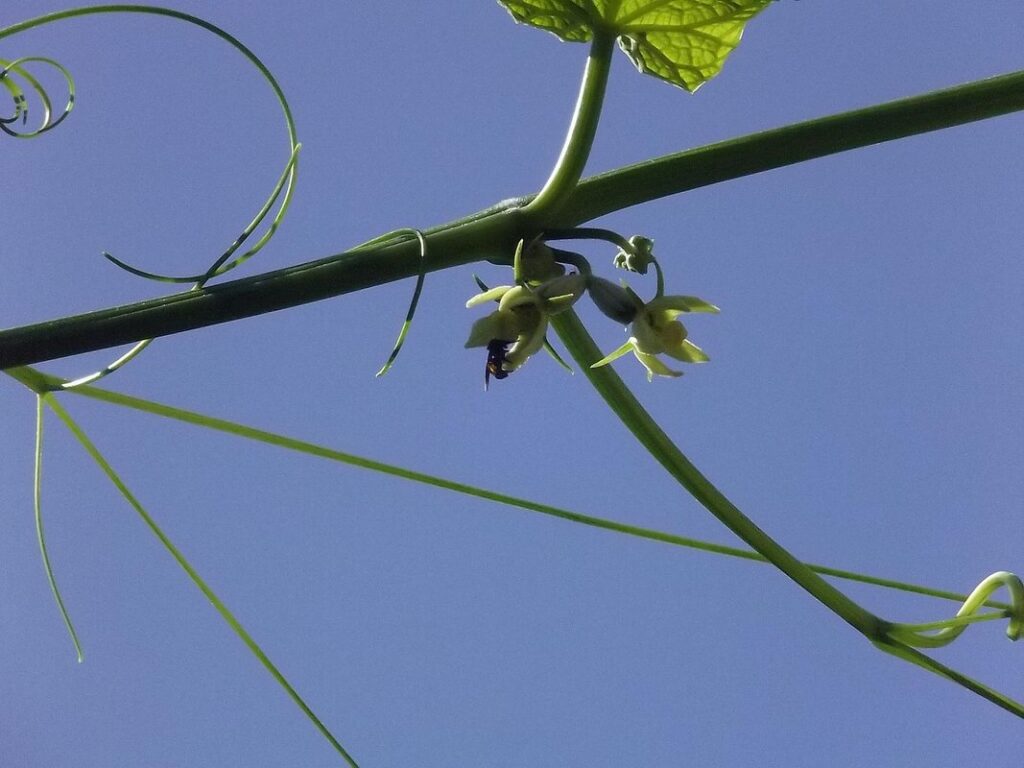
Understanding Chayote
Before we dive into growing chayote, let’s take a closer look at what makes it such an interesting and versatile vegetable to cultivate in your UK garden.
What is Chayote?
Chayote is a versatile and lesser-known vegetable that has been gaining popularity among gardeners and home cooks alike. Native to Mexico and Central America, this squash-like fruit has been cultivated for over 7,000 years. It’s also known as “vegetable pear” due to its shape and size, which can range from small to large.
Chayote is a member of the Cucurbitaceae family, which includes other popular vegetables like cucumbers, melons, and squash. Its uses are diverse, making it an excellent addition to any garden or kitchen. In Mexico, where chayote originated, it’s often used in traditional dishes such as soups, stews, and stir-fries. The fruit can be eaten raw or cooked, and its flavor profile is a mix of artichoke, cucumber, and squash.
In terms of culinary uses, chayote can be used in various ways: sliced raw in salads, grilled or sautéed as a side dish, or even pickled for added crunch. Its tender flesh can also be boiled or roasted like other starchy vegetables. With its unique flavor and texture, chayote is an exciting ingredient to experiment with in your cooking.
Benefits of Growing Chayote
Growing chayote can be a fantastic decision for gardeners and indoor plant enthusiasts in the UK. One of the main reasons to cultivate this versatile vegetable is its climate suitability. Chayote thrives in temperate climates with mild winters, making it an ideal choice for British growers. Its hardy nature allows it to tolerate some frost, although prolonged exposure should be avoided.
Chayote also offers numerous nutritional benefits that make it a great addition to any garden or indoor space. It is rich in vitamins A and C, potassium, and fiber, making it an excellent source of essential nutrients for a healthy diet. The plant’s high water content also makes it an ideal choice for those looking to grow low-maintenance vegetables.
In the UK, chayote can be grown as a container crop, allowing growers to control soil quality and moisture levels. This flexibility makes it perfect for indoor spaces with limited room for large gardens.
Choosing the Right Variety
When growing chayote in the UK, selecting the right variety is crucial for success. You’ll want to consider factors such as hardiness and climate tolerance when making your choice.
Popular Varieties for UK Climates
When growing chayote in the UK, it’s essential to choose varieties that thrive in the country’s temperate maritime climate. While there are several options available, some popular and productive varieties for UK climates include ‘Chayotino’, ‘Verna’, and ‘Seeds of Change’. These varieties have been bred specifically for cooler temperatures and shorter growing seasons.
‘Chayotino’ is a popular choice among British growers due to its hardiness and adaptability. This variety has a relatively compact growth habit, making it ideal for smaller spaces or containers. It produces an abundance of fruit throughout the summer months, with each plant yielding up to 20 chayotes per season.
‘Verna’, on the other hand, is known for its high yields and resistance to disease. This variety is slightly more vigorous than ‘Chayotino’ but still manageable in most UK gardens. It requires minimal support and can thrive in a range of soil types. Growers in areas with milder winters may be able to harvest Verna’s fruit year-round.
When selecting a chayote variety for your UK garden, consider the specific growing conditions you have available. Choose a variety that suits your climate, space constraints, and desired yield.
Factors Influencing Chayote Selection
When selecting a chayote variety for your garden, there are several factors to consider. Personal preference plays a significant role, as some varieties may have unique characteristics such as flavor, texture, or color that appeal to you.
If you’re limited by space constraints, compact or dwarf varieties like ‘Compacta’ or ‘Mini Mite’ might be suitable options. These smaller plants require less maintenance and can thrive in containers or small gardens. In contrast, larger varieties like ‘Laguna’ or ‘Tatume’ are ideal for bigger spaces and can produce more fruit.
Desired harvest timing is another crucial consideration. Some chayote varieties mature faster than others, such as the ‘Early Harvest’ variety that takes approximately 90 days to reach maturity. This option is perfect for gardeners who want to enjoy their harvest sooner rather than later. However, if you prefer a longer growing season, other varieties like ‘Long Season’ or ‘Green Globe’ may be more suitable.
Additionally, consider factors such as disease resistance and hardiness when selecting a chayote variety for your UK climate. Some varieties are more resistant to common pests and diseases in the region, which can help minimize maintenance efforts.
Preparing the Soil and Climate
Before planting, it’s essential to prepare your UK garden for chayote growth by creating a favorable soil environment and climate conditions that mimic its native habitat. This section will walk you through these crucial steps.
Understanding Chayote’s Growing Requirements
Chayote is a tropical plant that requires specific conditions to thrive. In the UK’s temperate climate, it can be challenging to replicate these conditions. However, by understanding chayote’s growing requirements, you can create an optimal environment for your plants.
Firstly, temperature is crucial. Chayote prefers temperatures between 18-25°C (64-77°F), with a tolerance of up to 30°C (86°F) during the summer months. However, it’s essential to provide some protection from frost, as temperatures below 10°C (50°F) can cause damage.
Lighting is also vital for chayote growth. These plants require bright, indirect light, but direct sunlight should be avoided, especially in warmer climates. East- or west-facing windows are ideal, providing the necessary light while protecting your plants from scorching.
Watering and soil type are equally important. Chayote prefers well-draining soil with a pH between 6.0 and 7.0. Water your chayote sparingly, as overwatering can lead to root rot. Aim for moist but not waterlogged conditions. By providing the right balance of temperature, light, water, and soil, you can encourage healthy growth in your UK chayote garden.
In terms of specific care, make sure to fertilize your chayote regularly during the growing season with a balanced fertilizer (10-10-10). Pruning is also essential for maintaining shape and promoting new growth.
Soil Preparation Techniques
Preparing the soil for chayote cultivation is a crucial step to ensure optimal growth and yields. In the UK’s temperate climate, soil preparation becomes even more critical due to the region’s variable weather conditions. To improve drainage, aeration, and nutrient levels, you can implement the following techniques:
One of the most effective methods is incorporating organic matter into the soil. This can be achieved by adding compost or well-rotted manure, which not only improves soil structure but also provides essential nutrients for chayote growth. For example, a 10cm layer of compost added to the topsoil can significantly enhance water retention and reduce soil compaction.
You can also loosen the soil using a fork to improve aeration. This process allows roots to breathe easily, reducing the risk of root rot and other diseases. It’s essential to avoid over-tilling, as this can damage the soil structure and lead to erosion.
By implementing these simple yet effective techniques, you’ll be well on your way to creating an ideal environment for chayote growth in the UK.
Planting and Caring for Chayote
Now that you’ve learned how to grow chayote from seed, let’s move on to planting and caring for your newly acquired chayote vines in your UK garden. This section will guide you through the essential care tips.
Optimal Sowing Conditions and Depth
When sowing chayote seeds in the UK, it’s essential to get the conditions right to ensure optimal growth and prevent common issues like overgrowth or poor root development. Chayote prefers a well-draining soil mix with a pH between 6.0 and 7.0, so make sure your potting mix meets these requirements.
For sowing depth, plant the seeds about 1-2 cm deep in the soil, depending on their size. Sowing too deeply can lead to poor root development or even rot, while shallow sowing may cause the seedlings to dry out quickly. A good rule of thumb is to plant the seeds at a depth that’s about one and a half times their diameter.
As for spacing, chayote vines need support as they grow quite vigorously. Plant multiple seeds 20-25 cm apart in small pots or containers with adequate drainage holes. This will give them enough room to spread out without becoming too tangled. Keep the soil consistently moist during the first few weeks after sowing, and then gradually reduce watering as the plants mature.
Watering and Pruning Techniques
Watering chayote plants can be a bit tricky, especially during the UK’s unpredictable weather. Overwatering is one of the most common mistakes gardeners make when caring for their chayotes. Signs of overwatering include yellowing leaves, droopy stems, and an unappealing slimy texture on the skin of the fruit. On the other hand, underwatered plants will exhibit wilted or dry leaves, and a slow growth rate.
To avoid these issues, it’s essential to understand your chayote plant‘s watering needs. Water them when the top 1-2 inches of soil feels dry to the touch. This typically translates to once a week during spring and summer, but reduce this frequency in autumn and winter as the plant requires less moisture.
As for pruning, regular maintenance will encourage bushy growth and promote fruiting. Remove any dead or diseased leaves or stems immediately, and trim back overgrown branches by one-third. After harvesting the main crop, you can also prune the plant to maintain its size and encourage new shoots. This will ensure a healthy, productive chayote plant that will continue to thrive throughout the growing season in your UK garden.
Pest and Disease Management
To grow a healthy and thriving chayote crop, it’s essential to learn how to prevent common pests and diseases that can harm your plants. We’ll cover effective management strategies for these threats.
Common Pests Affecting Chayote in the UK
As you grow chayote in your UK garden, it’s essential to be aware of the common pests and diseases that can affect this delicate crop. Aphids are one of the most prevalent pests, feeding on sap and causing curled or distorted leaves. These tiny insects multiply quickly, so regular monitoring is crucial. To control aphid populations, use neem oil or insecticidal soap, spraying them thoroughly on both sides of the leaves.
Slugs and snails can also cause significant damage to chayote plants, especially at night when they’re most active. Use copper tape around planters or raised beds to deter these slimy pests. Additionally, keep your garden free of debris and weeds, as slugs and snails often hide in these areas.
Diseases like powdery mildew and root rot can also affect chayote crops. Powdery mildew appears as a white, powdery coating on leaves, while root rot causes the plant to wilt and die. To prevent these issues, ensure good air circulation around plants, avoid overwatering, and use organic fungicides if necessary.
Keep an eye out for any unusual symptoms or damage to your chayote plants, and take swift action to address any potential problems before they spread.
Organic Methods for Managing Infestations
When it comes to managing infestations on your chayote plants, it’s essential to adopt organic methods that not only protect your crop but also the environment and beneficial organisms. One of the most effective ways to prevent pest infestations is by maintaining a healthy plant population. This can be achieved by providing optimal growing conditions, such as sufficient light, water, and nutrients.
However, if an infestation does occur, there are several organic methods you can use to control pests without harming beneficial organisms or the environment. For example, neem oil is a natural insecticide that can be used to control aphids, whiteflies, and other soft-bodied insects. Mix neem oil with water according to the product’s instructions and spray it on the affected areas of your plants.
Another effective method is introducing beneficial insects such as ladybugs or lacewings, which feed on pests. You can also use physical barriers like fine mesh or fine netting to prevent pests from reaching your plants.
Harvesting and Using Chayote
Now that you’ve successfully grown your chayote, it’s time to reap what you’ve sown and learn how to harvest and use this versatile vegetable in a variety of delicious dishes.
Identifying Maturity Signs
Determining when chayotes are ripe can be a bit tricky, but there are some telltale signs to look out for. Typically, chayotes undergo a series of color and texture changes as they mature. A fully ripe chayote will have developed a creamy yellow or beige skin that’s slightly soft to the touch. Avoid harvesting green or firm chayotes, as they may not be ready yet.
As the fruit ripens, it’ll start to develop small, shallow ridges on its surface, similar to a pumpkin. This is a good indication that the chayote is close to being ready for harvest. Gently press the skin; if it yields slightly to pressure but still feels firm, it’s likely ripe.
To be certain, check the stem end of the chayote. A mature chayote will have a dry, woody stem that breaks easily with minimal effort. If the stem is green or pliable, the fruit may not be fully developed yet. With practice and attention to these subtle signs, you’ll become more confident in identifying ripe chayotes for harvest.
Culinary Uses and Preservation Methods
Fresh chayote is a versatile and nutritious addition to many dishes. When cooked, it has a buttery flavor and can be used as a substitute for summer squash, such as zucchini or yellow crookneck. It’s also a great source of vitamin C and potassium.
One way to preserve the nutritional value of fresh chayote is through canning. This method involves boiling the chayote in water or a brine solution, then packing it into jars with added salt and acidic ingredients like lemon juice. Canned chayote can be stored for up to 12 months in a cool, dark place.
For a quicker preservation method, freezing is an option. Simply peel, chop, and blanch the chayote in boiling water for 2-3 minutes before placing it in an airtight container or freezer bag. Frozen chayote can be stored for up to 8 months.
Dehydrating is another effective way to preserve fresh chayote. Slice or dice the fruit thinly, then dry it in a dehydrator or by spreading it on a baking sheet and placing it in a low-temperature oven (150°F/65°C). Dried chayote can be stored for up to 6 months.
Note: Before attempting any preservation method, ensure you follow proper food safety guidelines.
Frequently Asked Questions
Can I grow chayote indoors if I don’t have a garden?
Yes, with proper lighting conditions, you can successfully grow chayote in a container indoors. Ensure it receives at least 4-6 hours of direct sunlight or invest in grow lights to mimic natural light. Water and care for your indoor chayote as you would outdoors.
How often should I water my chayote plant during the growing season?
Water your chayote regularly, but avoid overwatering. Check the soil moisture by inserting a finger into the soil up to the first knuckle. If dry, it’s time to water again. Typically, water once a week in warm weather and every 10-14 days in cooler conditions.
Are there any specific varieties of chayote that are more suitable for UK climate zones?
Choose varieties like ‘Patois’ or ‘Chayote Blanco’, which are bred specifically for European climates and tend to thrive in temperate conditions. Research the specific growing requirements for your chosen variety to ensure optimal results.
Can I grow multiple plants together, or do they require separate spaces?
While chayotes can benefit from companion planting, overcrowding can hinder growth and lead to disease transmission. Keep individual plants at least 60-90 cm apart to allow for proper air circulation. If you plan to grow in a smaller space, start with a single plant.
How long does it take for chayote to mature after sowing the seeds?
After sowing seeds, expect around 3-5 weeks of growth before the vines start producing flowers and edible fruits. Once the fruit is about 10-15 cm in length, you can begin harvesting, which typically takes another 1-2 weeks.