
If you’re considering ways to reduce your carbon footprint or improve soil health, two terms you may have come across are charcoal and biochar. While often used interchangeably, these two materials have distinct differences in their production, uses, and environmental benefits. Charcoal is typically created through a process of burning organic matter at high temperatures, resulting in a lightweight, porous material primarily used for barbecue or water filtration. Biochar, on the other hand, involves pyrolyzing biomass to produce a stable, long-lasting carbon-rich substance that can be applied to soil to enhance fertility and sequester carbon. In this article, we’ll delve into the key differences between charcoal and biochar, exploring their uses, benefits, and potential environmental impact. By understanding the unique characteristics of each material, you can harness their sustainable potential for agriculture, energy, and more.
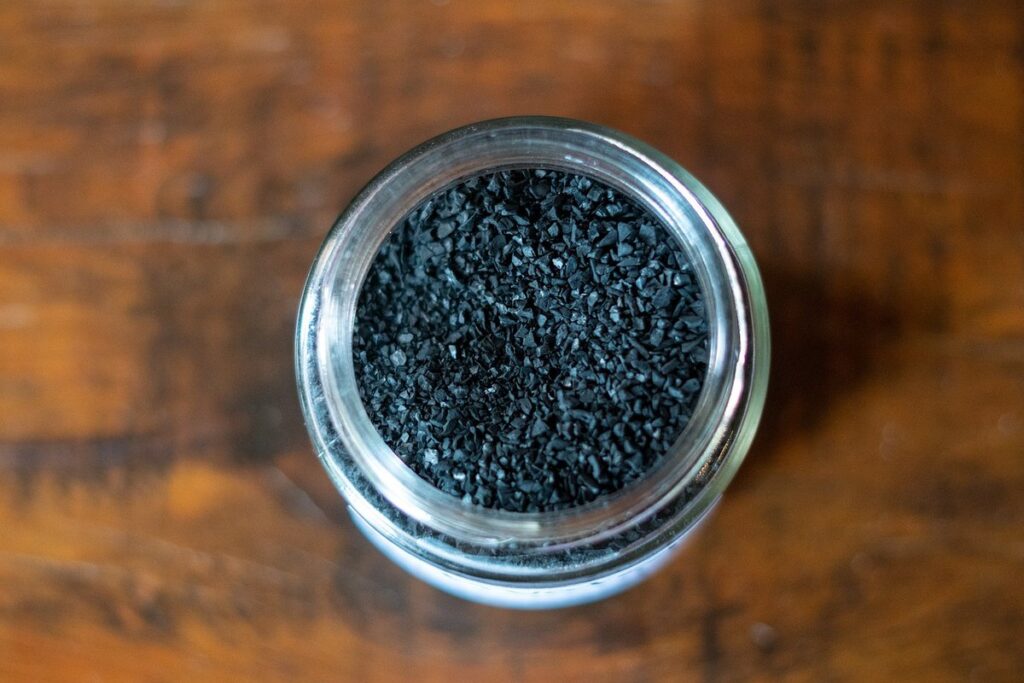
What is Charcoal?
Let’s start by exploring what charcoal actually is, and what sets it apart from its more sustainable counterpart, biochar. We’ll dive into the basics of charcoal production.
Definition and History of Charcoal
Charcoal has been used for centuries, dating back to ancient civilizations where it was valued not only for its ability to remove impurities from water and air but also as a fuel source. At its core, charcoal is defined as the carbon-rich residue left behind after incomplete combustion of organic materials such as wood, bone, or plant material.
In its most basic form, charcoal is essentially pure carbon, produced through a process called pyrolysis where high temperatures are applied to drive off volatile compounds and leave behind a porous, lightweight solid. This unique composition makes it highly effective at absorbing impurities, which is why it’s commonly used in water filtration systems, as a component in air purifiers, and even as a cooking fuel.
From a historical perspective, charcoal was first produced by ancient Egyptians around 4000 BC, where it was used primarily for culinary purposes. The Greeks and Romans later adopted similar methods to create charcoal, often using it in combination with wood fires for heat and light. Today, charcoal remains a popular choice for a variety of applications, from BBQ grilling to industrial water treatment processes.
Types of Charcoal
When it comes to charcoal, there are several types available, each with its own unique characteristics and benefits. One of the most well-known types is activated charcoal, which has been treated to increase its surface area and absorption capabilities. This makes it an ideal choice for water filtration systems and medical applications.
Another popular type is bamboo charcoal, which is made from sustainably sourced bamboo and is often used in air purification systems. It’s also commonly used as a natural remedy for odor control and insect repellent.
Hardwood charcoal, on the other hand, is made from slow-burning hardwoods like oak or ash. It’s often used in cooking and grilling due to its high heat retention properties. However, it’s worth noting that hardwood charcoal may release more pollutants into the atmosphere than other types of charcoal.
It’s essential to choose a type of charcoal that aligns with your needs and preferences. For example, if you’re looking for a natural air purification solution, bamboo charcoal might be the best choice. In contrast, activated charcoal is ideal for water filtration systems or medical applications. By understanding the different types of charcoal available, you can make an informed decision about which one to use in your specific situation.
Environmental Impact of Charcoal Production
The environmental impact of traditional charcoal production methods is a pressing concern. When trees are cut down for charcoal production, it can lead to deforestation and loss of biodiversity. In some parts of the world, entire forests have been cleared to make way for charcoal production sites. This not only contributes to climate change but also displaces communities that rely on these forests for their livelihood.
Moreover, traditional charcoal production involves burning wood in low-oxygen conditions, which releases large amounts of carbon dioxide and other pollutants into the atmosphere. According to estimates, a single ton of charcoal generates around 2 tons of CO2 emissions. This not only contributes to climate change but also affects local air quality, making it difficult for people to breathe.
To mitigate these effects, many organizations are promoting sustainable charcoal production methods that involve re-growing trees after harvesting and using renewable energy sources to power the production process. As a consumer, you can make a difference by choosing sustainably sourced charcoal or exploring alternative options like biochar.
What is Biochar?
So, what exactly is biochar and how does it differ from charcoal? Let’s break down the basics of biochar and explore its unique properties.
Definition and Benefits of Biochar
Biochar is a type of charcoal that has been around for centuries, but its unique properties and benefits have only recently gained widespread recognition. So, what exactly is biochar? Simply put, it’s a form of charcoal that’s created from organic materials like wood or crop waste through a process called pyrolysis, which involves heating the material in the absence of oxygen.
Unlike regular charcoal, which is often used for grilling and barbecue purposes, biochar has several distinct benefits. For one, it’s incredibly durable – studies have shown that some biochars can remain stable in soil for hundreds or even thousands of years. This means they can provide long-term carbon sequestration benefits, helping to mitigate climate change.
Another key benefit of biochar is its ability to improve soil health. By adding biochar to your garden or farm, you can increase the nutrient-holding capacity of your soil, reduce erosion, and even enhance plant growth. Some farmers have reported significant increases in crop yields after using biochar – a testament to its potential as a sustainable agricultural tool. With its numerous benefits and long-lasting effects, it’s no wonder that interest in biochar is growing rapidly around the world.
History of Biochar Use
Biochar has been around for thousands of years, with evidence suggesting its use dating back to ancient civilizations. The indigenous people of the Amazon rainforest, known as the Ticuna, used biochar as a soil amendment over 2,000 years ago. They would create it by burning organic materials and then mixing it into their crops’ soil, which allowed for improved fertility and water retention.
This practice has been replicated across various cultures throughout history, including in ancient China, Africa, and Europe. The Vikings even used biochar to fertilize their crops during the Middle Ages. Modern applications of biochar are diverse, ranging from carbon sequestration initiatives to agricultural uses. In fact, many farms now incorporate biochar into their soil management strategies to enhance crop yields and reduce greenhouse gas emissions.
Some examples of modern biochar applications include using it as a supplement in compost tea, adding it to potting mixes for improved plant health, and even incorporating it into building materials to create more sustainable structures. As the world continues to grapple with climate change, understanding the history and potential of biochar is more relevant than ever.
Production Methods for Biochar
Biochar production methods vary widely, but they all share a common goal: to create a stable, carbon-rich material that can be used for soil enrichment and other applications. One of the most well-known methods is pyrolysis, which involves heating biomass in the absence of oxygen to produce a high-quality biochar. This process typically occurs at temperatures between 400-1000°C, resulting in a highly porous and reactive material.
Gasification, another popular method, uses a lower temperature range (around 500-900°C) and an oxidizing agent to convert biomass into a gas that can be used as fuel or converted back into biochar. Hydrothermal carbonization, on the other hand, employs high pressure and heat to produce a char from biomass, often with minimal oxygen.
Each of these methods has its advantages and disadvantages, but they all offer unique benefits for biochar production. When choosing a method, consider factors such as energy efficiency, equipment costs, and the desired properties of the final product.
Key Differences Between Charcoal and Biochar
Now that we’ve explored what charcoal and biochar are, let’s dive into the key differences between these two carbon-rich materials. This distinction is crucial for understanding their benefits and uses.
Physical Properties
When it comes to physical properties, charcoal and biochar exhibit some notable differences that set them apart. Density is one such property where charcoal typically has a higher density than biochar, ranging from 0.4-1.6 g/cm3 compared to biochar’s 0.1-0.5 g/cm3. This difference in density affects their handling and storage requirements.
Porosity is another key physical property that distinguishes the two materials. Biochar generally has a higher porosity than charcoal, which allows it to hold more water and nutrients within its structure. This increased porosity also enables biochar to facilitate better root growth and nutrient uptake by plants when used as a soil amendment.
Surface area plays a crucial role in determining the reactivity of both charcoal and biochar. Biochar typically has a larger surface area than charcoal due to its higher microporosity, which enables it to interact more effectively with microorganisms in the soil. This increased surface area also contributes to biochar’s ability to retain and release nutrients over time.
In practical applications, understanding these differences can help you choose between using charcoal or biochar for specific purposes. If you’re looking for a material to use in cooking or water filtration, charcoal might be a better option due to its higher density and lower porosity. However, if you want to use it as a soil amendment to improve soil fertility and structure, biochar’s higher porosity and surface area make it the more suitable choice.
Chemical Composition
When it comes to chemical composition, charcoal and biochar have some key differences that set them apart. Charcoal is primarily composed of carbon (80-90%), with smaller amounts of hydrogen, oxygen, nitrogen, and other elements. It has a relatively low pH level, typically ranging from 6 to 8, which makes it slightly acidic.
Biochar, on the other hand, also contains high levels of carbon (around 70-80%), but its composition is more complex due to the presence of minerals and nutrients. The pH level of biochar can vary widely depending on its source materials and production process, ranging from highly alkaline (pH 10) to acidic (pH 5). One of the key differences between charcoal and biochar lies in their cation exchange capacities (CECs), which measure their ability to attract and hold positively charged ions.
Biochar typically has a much higher CEC than charcoal due to its complex organic structure. This property allows it to act as a soil amendment, improving fertility and reducing nutrient leaching. In contrast, charcoal’s lower CEC limits its use in agriculture. Understanding these differences is essential for choosing the right product for your specific needs.
Environmental Performance
When it comes to environmental performance, charcoal and biochar have distinct differences. While both are derived from organic materials, their production processes and interactions with the environment set them apart. Charcoal, for instance, is often produced through high-temperature pyrolysis, which can lead to the release of greenhouse gases like carbon dioxide and methane.
Biochar, on the other hand, is created through a lower-temperature process that preserves more of the organic material’s nutrients and carbon content. This results in improved soil fertility and reduced emissions. Studies have shown that biochar can retain up to 90% of its original carbon content over long periods, making it an attractive option for carbon sequestration.
To put this into perspective, consider a field study where biochar was applied as a soil amendment. Over two years, the researchers observed significant reductions in greenhouse gas emissions and increased crop yields. The benefits of biochar’s environmental performance are clear: by choosing biochar over charcoal, you can support more sustainable agriculture practices that benefit both your land and the planet.
Applications and Uses for Charcoal and Biochar
Now that we’ve explored the differences between charcoal and biochar, let’s dive into some real-world applications of these eco-friendly materials. We’ll examine various uses for both charcoal and biochar.
Agricultural and Horticultural Uses
When it comes to agricultural and horticultural uses, charcoal and biochar have distinct benefits that can improve crop yields and soil health. While both can be effective soil amendments, their unique properties make one more suitable for specific applications. Charcoal, with its high porosity and surface area, is often used as a soil conditioner to improve water retention and reduce erosion. It can also increase the availability of nutrients to plants by acting as a slow-release fertilizer.
Biochar, on the other hand, has been shown to have long-term benefits for soil health. By sequestering carbon in the soil, biochar can help mitigate climate change while improving soil fertility and structure. Research suggests that using biochar can increase crop yields by up to 20% and reduce fertiliser application rates by as much as 30%. When choosing between charcoal and biochar, consider your specific agricultural needs: if you’re looking for short-term soil improvements, charcoal might be the better choice; but if you’re seeking long-term benefits and want to contribute to a more sustainable farming practice, biochar is an excellent option.
Water Filtration and Purification
When it comes to purifying water, both activated charcoal and biochar have proven to be effective solutions. Activated charcoal is often used as a standalone filter to remove impurities and contaminants from water. Its porous structure allows it to attract and trap heavy metals, chlorine, and other pollutants, making the water safe for drinking. In fact, studies have shown that activated charcoal can remove up to 99% of lead from contaminated water.
Biochar, on the other hand, is often used in conjunction with other filtration methods to enhance the overall effectiveness. Its unique properties allow it to attract and hold onto contaminants, effectively removing them from the water. Biochar can also help improve the water’s taste and odor by absorbing volatile organic compounds (VOCs) and chlorine.
One of the key advantages of using biochar for water filtration is its ability to retain its effectiveness even after multiple uses. This makes it a more sustainable option compared to activated charcoal, which may need to be replaced regularly.
Energy Generation and Storage
As we explore the various applications of charcoal and biochar, it’s essential to consider their potential as sustainable energy sources or storage mediums. Both materials have shown promise in this regard, but it’s crucial to understand their differences and limitations.
Charcoal, for instance, can be used directly as a fuel source. It burns more efficiently than wood due to its high carbon content and low moisture levels, making it an attractive option for cooking and heating applications in areas with limited access to traditional energy sources. However, charcoal production often relies on non-sustainable practices like deforestation, which undermines any potential environmental benefits.
Biochar, on the other hand, has been shown to have a higher energy density than charcoal and can be used as both an energy storage medium and a carbon sequestration tool. When produced from waste biomass, biochar can reduce greenhouse gas emissions by up to 70% compared to traditional fossil fuels. This makes it an attractive option for renewable energy applications.
To maximize the energy-generating potential of charcoal or biochar, consider the following:
• Use high-quality materials: Opt for sustainably sourced biomass or hardwoods for biochar production, as these tend to have higher carbon contents.
• Implement efficient production methods: Invest in techniques that minimize waste and optimize energy output, such as slow-pyrolysis or gasification processes.
• Combine with other technologies: Pair charcoal or biochar with solar panels, wind turbines, or geothermal systems for a hybrid renewable energy solution.
By understanding the potential of charcoal and biochar as sustainable energy sources, we can better harness their benefits while minimizing environmental impacts.
Case Studies and Real-World Examples
Let’s take a closer look at how charcoal and biochar are being used in real-world applications to see their practical benefits firsthand. We’ll explore some fascinating examples that showcase their potential.
Successful Implementation of Biochar in Agriculture
Successful implementation of biochar in agriculture has led to impressive results worldwide. In Kenya, for instance, farmers using biochar saw a 50% increase in crop yields and a corresponding rise in income. This is largely due to the unique properties of biochar that enhance soil fertility and water retention.
One key advantage of biochar is its ability to reduce greenhouse gas emissions from agricultural activities. By sequestering carbon in soils, biochar helps mitigate climate change while improving soil health. For example, a study conducted in Brazil found that applying 5 tons of biochar per hectare resulted in a significant reduction in nitrous oxide emissions.
To successfully implement biochar in your farm, it’s essential to consider the following factors: the type and quality of biochar used, the rate of application, and the frequency of renewal. A general rule of thumb is to apply 1-2% of biochar to soil annually, depending on the specific needs of your crops and soil conditions.
Farmers can also experiment with different types of biochar, such as wood-based or agricultural waste-derived, to find what works best for their specific climate and soil type. By doing so, they can unlock the full potential of biochar and reap its benefits in terms of increased yields and improved soil health.
Charcoal-Based Projects for Sustainable Development
One of the most significant applications of charcoal is its use in sustainable development projects. Charcoal-based initiatives have been instrumental in poverty alleviation and climate change mitigation efforts worldwide.
In Rwanda, for instance, a program utilizing charcoal production as a means to reduce deforestation has seen remarkable results. Local communities were trained to produce biochar from agricultural waste, which was then used as a soil amendment. This not only reduced greenhouse gas emissions but also improved crop yields by up to 30%. The project not only benefited the environment but also provided income opportunities for over 1,000 families.
In other parts of Africa, charcoal is being utilized in small-scale agriculture projects. By using charcoal as a natural pest control and soil conditioner, farmers are able to increase their yields while reducing chemical usage. This approach has been particularly effective in areas with limited access to resources, where every bit counts.
To replicate such success, consider the following steps:
• Identify local agricultural waste sources
• Develop partnerships with community groups or NGOs
• Provide training on biochar production and application
• Monitor project impact through regular assessments
Conclusion and Future Directions
As we wrap up our exploration of charcoal and biochar, let’s take a closer look at what these alternatives can do for you in the long run. We’ll explore next steps to consider.
Recap of Key Findings
In reviewing our discussion on charcoal and biochar, it’s clear that these two terms are often used interchangeably but have distinct meanings. Charcoal is a porous form of carbon produced through the incomplete combustion of organic materials, whereas biochar is a type of charcoal created from biomass in a low-oxygen environment. One key difference lies in their production methods: while charcoal can be generated using various techniques, including traditional kilns and modern industrial processes, biochar’s creation relies on specific conditions that preserve its carbon-rich structure.
The benefits associated with each substance also vary significantly. Charcoal is commonly used for water filtration, air purification, and even as a cooking medium due to its high surface area and chemical reactivity. Biochar, on the other hand, has gained attention in recent years for its potential role in mitigating climate change through carbon sequestration. Its unique properties allow it to retain nutrients and microorganisms, promoting soil health and fertility when used as a soil amendment.
When deciding between charcoal and biochar, consider your specific needs: if you require a substance with high chemical reactivity or need water filtration capabilities, charcoal might be the better choice. However, for projects focused on carbon sequestration or improving soil quality, biochar offers more targeted benefits.
Recommendations for Future Research and Implementation
As we conclude our exploration of charcoal and biochar, it’s essential to consider future research directions and implementation strategies for optimizing their production and use. One area that warrants further investigation is the development of scalable and cost-effective methods for producing high-quality biochar.
To address this challenge, researchers could explore innovative technologies such as pyrolysis or gasification, which can enhance efficiency and reduce costs. Additionally, exploring the potential applications of biochar in various industries, including agriculture, water filtration, and construction, could lead to new revenue streams and increase its adoption.
Another crucial aspect is the standardization of production protocols and quality control measures for both charcoal and biochar. This would enable consumers to make informed decisions and ensure that these products meet specific standards. By investing in research and development, we can unlock the full potential of these carbon-rich materials and reap their numerous benefits.
Frequently Asked Questions
Can I use charcoal as a substitute for biochar in my garden?
No, it’s not recommended to use charcoal as a direct substitute for biochar in your garden. Charcoal can be too fine and may leach micronutrients from the soil over time, whereas biochar is designed to retain nutrients and improve soil fertility.
How long does biochar last in the soil?
Biochar is known for its long-lasting properties and can remain stable in the soil for hundreds or even thousands of years. However, its effectiveness can be affected by factors like temperature, moisture levels, and soil composition. Regular monitoring and maintenance may be necessary to optimize its benefits.
What are some common mistakes to avoid when implementing biochar in my agricultural practices?
Some common pitfalls include overloading the soil with too much biochar, failing to mix it properly with other fertilizers or amendments, and neglecting to monitor its effects on soil pH levels. It’s essential to follow recommended application rates and consult with experts if you’re new to biochar use.
Can I make my own charcoal at home for personal use?
Yes, making charcoal at home is possible, but it requires specialized equipment and knowledge of the pyrolysis process. Home-made charcoal may not meet commercial standards, and its quality can be inconsistent. For large-scale or agricultural applications, it’s generally recommended to source high-quality biochar from reputable suppliers.
How do I know if the biochar product I’m considering is sustainable and environmentally friendly?
Look for certifications like ISO 14001 (Environmental Management System) or the International Organization for Standardization’s sustainability standards. Research the manufacturer’s policies on sourcing, production methods, and environmental impact. Opt for products with clear labeling and transparency about their composition and intended use.