
Ceramic plant saucers have become an essential element in modern home decor, not just for their functionality but also for adding a touch of elegance to any room. As an indoor plant enthusiast, you’re likely aware that using the right type of saucer can make all the difference in keeping your plants healthy and thriving. But with so many options available, it can be overwhelming to choose the perfect one. In this article, we’ll explore the benefits of ceramic plant saucers, from improved watering systems to enhanced aesthetics. We’ll also provide tips on how to select the right size and style for your home, as well as discuss alternatives to traditional ceramic options that are gaining popularity. By the end of this guide, you’ll be equipped with the knowledge to choose the perfect ceramic plant saucer for your indoor plants.
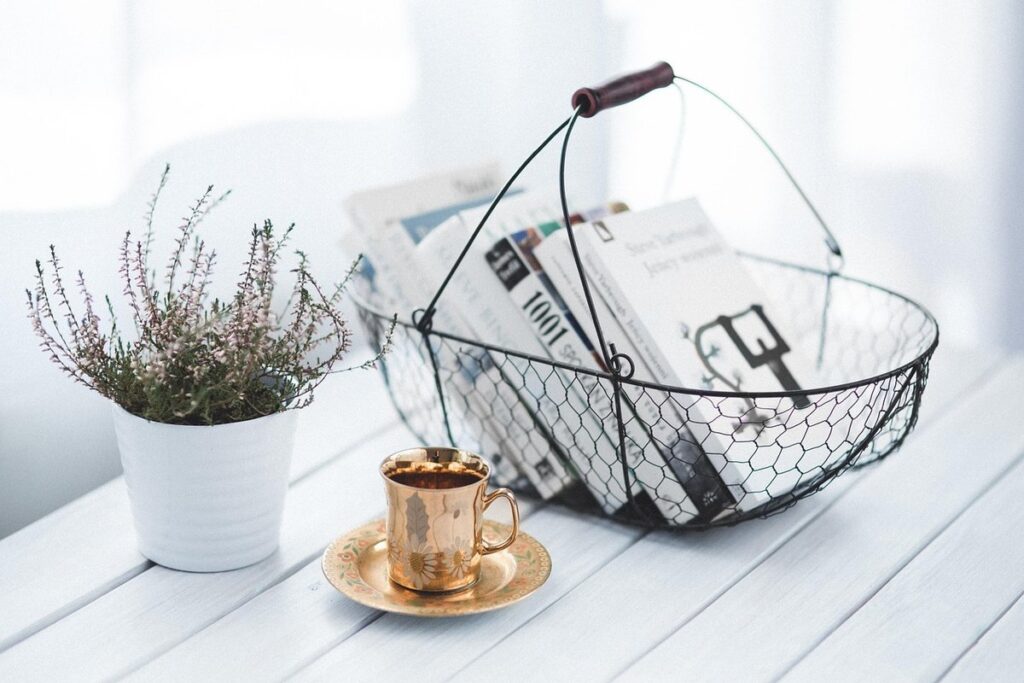
Benefits and Advantages of Using Ceramic Plant Saucers
Using ceramic plant saucers can bring a multitude of benefits to your plants, including improved drainage and reduced water splashing. Let’s explore these advantages in more detail.
Improved Watering System
One of the most significant advantages of using ceramic plant saucers is their ability to improve the watering system. Gone are the days of watching water spill over onto your furniture or floor, thanks to the design of these clever saucers.
A well-designed ceramic saucer will allow excess water to drain back into the pot, reducing the risk of water logging and root rot. This is especially important for plants that require a lot of moisture, as it helps prevent overwatering. For example, peace lilies are notorious for being finicky about their watering needs, but with a ceramic saucer, you can rest assured that excess water will be properly drained.
In addition to preventing water spillage, ceramic plant saucers also make it easier to maintain your plants. By allowing excess water to drain away from the roots, you’ll find that your plants are less prone to disease and pests. This means fewer trips to the nursery for pest control or fungicides, and more time spent enjoying the beauty of your indoor garden.
By choosing a high-quality ceramic saucer, you can create a healthier, happier environment for your plants to thrive in.
Enhanced Aesthetics
When it comes to adding a touch of elegance to indoor spaces, ceramic plant saucers can be a game-changer. Not only do they serve as a functional element for your plants, but they also bring a unique aesthetic appeal that can elevate the overall look and feel of any room.
One of the key benefits of using ceramic plant saucers is their versatility in complementing various decorating styles. Whether you have a modern minimalist space or a cozy traditional living room, there’s a ceramic plant saucer to match your unique taste. For instance, sleek and simple designs work beautifully with contemporary decor, while ornate patterns can add a touch of sophistication to more classic settings.
Incorporating ceramic plant saucers into your home decor is easier than you think. Start by selecting a few key pieces that resonate with your personal style, then experiment with different placements around the house. Place them on a coffee table or side table for added visual interest, or use them as a base for a beautiful potted plant on a windowsill. By doing so, you’ll not only add a touch of elegance to your space but also create a cohesive look that reflects your personality and taste.
Durability and Long-Lasting Use
One of the standout benefits of ceramic plant saucers is their exceptional durability and long-lasting use. Unlike other materials, ceramics are resistant to scratches, chips, and fading, ensuring that your saucer remains functional for years to come. This means you can confidently place it on any surface without worrying about damage.
Ceramic saucers can withstand regular use, even in areas with high foot traffic or moisture levels. For instance, if you have a busy living room where family members and pets often gather, a ceramic saucer is an excellent choice. Its durability will allow it to withstand accidental spills, water splashes, and other potential hazards.
To maximize the lifespan of your ceramic plant saucer, remember to clean it regularly with mild soap and water. This simple maintenance routine will prevent stains and mineral deposits from forming on the surface. By choosing a high-quality ceramic saucer, you’ll enjoy years of trouble-free use and a beautiful, well-kept plant display that adds charm to any room in your home.
Types of Ceramic Plant Saucers Available in the Market
When shopping for ceramic plant saucers, it’s essential to consider various options that suit your needs and preferences, such as size and design. From modern designs to rustic finishes, there are numerous styles to choose from.
Traditional Ceramic Saucers
Traditional ceramic saucers have been a staple in homes for centuries, and for good reason. Their classic design exudes elegance and sophistication, making them suitable for various plant types and spaces. Whether you’re a seasoned gardener or a beginner, traditional ceramic saucers are an excellent choice.
One of the primary benefits of traditional ceramic saucers is their versatility. They come in a range of shapes, sizes, and colors to match any decor style. For instance, if you have a minimalist space, a simple white saucer would complement your aesthetic perfectly. On the other hand, if you’re looking for something more ornate, a brightly colored or patterned saucer can add a pop of color to your room.
Their classic design also means that traditional ceramic saucers are incredibly easy to pair with any plant type. From small succulents to large ferns, these saucers work seamlessly with most plants. Additionally, they’re made from high-quality materials, ensuring durability and water resistance.
When choosing a traditional ceramic saucer, consider the style of your home, the size of the plant, and your personal preferences. With their timeless design and versatility, it’s no wonder why traditional ceramic saucers remain a popular choice among plant enthusiasts.
Modern and Contemporary Designs
In modern and contemporary homes, ceramic plant saucers are no longer just about functionality; they’re also a statement piece. To cater to different tastes and preferences, designers have introduced innovative designs and unique patterns that can elevate the aesthetic of any room.
From geometric shapes and bold colors to minimalist and monochromatic styles, there’s something for everyone in modern ceramic plant saucers. For instance, if you have a bohemian-themed living space, consider a saucer with an intricate floral pattern or a vibrant color scheme. On the other hand, if your style is more sleek and modern, opt for a simple and clean design with neutral tones.
To incorporate these designs into your home decor, think about the overall look and feel you want to achieve in your space. Consider pairing bold-patterned saucers with solid-colored plants or vice versa. You can also use them as a statement piece by placing a dramatic saucer on a console table or coffee table. Remember, the right ceramic plant saucer can add visual interest and personality to any room, making it a thoughtful addition to your home decor.
Handmade and Artisanal Options
For those who appreciate unique pieces of art, handmade and artisanal ceramic saucers are an excellent choice for adding a personal touch to their home decor. These one-of-a-kind creations often feature intricate designs, patterns, and craftsmanship that set them apart from mass-produced alternatives.
When shopping for handmade or artisanal plant saucers, you might find pieces with distinct glazing techniques, hand-painted motifs, or sculpted shapes. Each piece is a reflection of the artist’s skill and attention to detail, making every purchase a special find. To incorporate handmade ceramic saucers into your home decor, consider pairing them with potted plants that have a similar aesthetic or style.
If you’re looking for ways to mix and match these unique pieces with more minimalist designs, try combining a handmade saucer with a simple terracotta pot or a sleek planter. This blend of contrasting styles can add visual interest to your space while showcasing the beauty of handmade craftsmanship.
Choosing the Right Size and Shape for Your Plants
When selecting a ceramic plant saucer, it’s essential to consider the size and shape of your plants to ensure proper drainage and a beautiful display. This section will guide you through choosing the right fit for each type of plant.
Considerations for Small Plants
When it comes to small plants, choosing the right saucer is crucial to ensure they receive proper drainage and stability. A saucer that’s too large can cause water to collect around the plant, leading to root rot and other issues.
For compact or small plants, look for saucers with a diameter of 4-6 inches. This size range allows for sufficient drainage while keeping the saucer from overwhelming the plant. If you have a particularly tiny plant, consider a saucer as small as 3-4 inches in diameter. When it comes to shape, avoid shallow saucers that can collect water and cause problems. Instead, opt for a deeper saucer with a rounded or sloping bottom to promote healthy drainage.
When selecting a saucer for your small plant, also consider the material and weight of the saucer itself. A heavier saucer will be more stable on its own, but if you have delicate planters or fragile surfaces, look for a lighter option that still provides adequate support.
Large Plant Saucers
When it comes to larger plants, a well-crafted ceramic saucer is essential for maintaining even moisture levels and preventing waterlogging. Large plant saucers provide a stable base for bigger pots, allowing for better drainage and air circulation around the roots.
These larger saucers can accommodate more substantial plants, which in turn require more extensive root systems. By providing ample space for the roots to breathe, large ceramic saucers help prevent water from accumulating in the soil. This reduces the risk of overwatering and subsequent root rot.
To choose a suitable large plant saucer, consider the pot size and the type of plants you’re using it for. A general rule of thumb is to select a saucer that’s at least 1-2 inches larger than the pot diameter. For example, if your plant pot measures 12 inches in diameter, opt for a saucer with an outer rim diameter of 14-16 inches.
By investing in a high-quality large ceramic saucer, you can enjoy healthier plants and reduced maintenance requirements over time. Remember to clean your saucers regularly to prevent the buildup of debris and bacteria that can compromise plant health.
Tips for Cleaning and Maintaining Ceramic Plant Saucers
To keep your ceramic plant saucers looking their best, follow these easy tips for cleaning and maintaining them to prevent water damage and mineral buildup. Regular maintenance is key!
Simple Cleaning Techniques
Cleaning and maintaining your ceramic plant saucer is crucial to keep your plants healthy and thriving. You can easily do this using everyday household items. To start, mix 1 tablespoon of baking soda with 2 tablespoons of white vinegar to create a paste. Apply the paste to the interior and exterior of the saucer, making sure to cover all surfaces evenly.
Let it sit for about an hour before rinsing it thoroughly with warm water. This mixture is effective in removing any stubborn stains or mineral deposits that may have built up over time. For tougher stains, you can repeat the process a few times until they are completely gone.
Another option is to use a gentle dish soap and a soft-bristled brush to scrub away any debris or stains. Make sure to rinse the saucer thoroughly with warm water after cleaning. It’s also essential to sanitize your ceramic plant saucer by soaking it in a mixture of equal parts water and white vinegar for about 10-15 minutes.
Regular cleaning will not only keep your saucer looking its best but also prevent the growth of bacteria and mold that can harm your plants.
Regular Maintenance Schedules
To keep your ceramic plant saucer in top condition and prevent damage, it’s essential to stick to a regular maintenance schedule. This involves more than just occasional wiping down with a damp cloth; rather, it requires consistent effort to ensure the longevity of your ceramic pot holder.
Here are some tips for scheduling regular maintenance:
* Daily: Wipe away any water that may have accumulated in the saucer after watering or rainfall with a soft, dry cloth. This prevents water spots and mineral deposits from forming.
* Weekly: Mix equal parts water and white vinegar in the saucer to remove dirt and grime buildup. Let it sit for 10-15 minutes before rinsing thoroughly.
* Monthly: Use a gentle ceramic cleaner to scrub away stubborn stains and food residue. Rinse with warm water, then dry thoroughly.
Remember to also check your saucer’s glaze regularly, as some may be more prone to chipping or cracking than others. By establishing a consistent maintenance routine, you can enjoy your beautiful ceramic plant saucer for years to come.
Alternatives to Ceramic Plant Saucers: Materials and Options
If you’re looking for a break from traditional ceramic plant saucers, there are plenty of alternative materials to explore, such as metal, wood, and even repurposed containers. Let’s dive into some creative options.
Plastic and Resin Saucers
When considering alternatives to ceramic plant saucers, plastic and resin options often come into play. While they may offer a more lightweight and affordable alternative, it’s essential to weigh the pros and cons before making a decision.
Plastic saucers are generally inexpensive and easy to find in most gardening stores. However, their durability is limited, and they can become brittle over time, cracking under the weight of a heavy plant. They also tend to stain easily, requiring more frequent cleaning. Moreover, plastic saucers can retain heat from the sun, potentially scorching your plant’s roots.
Resin saucers, on the other hand, are often marketed as a more eco-friendly and durable option. While they may be less prone to cracking than plastic, they can still suffer from the same issues with staining and retaining heat. Additionally, resin saucers tend to be heavier than ceramic ones, which can make them difficult to move around.
In contrast, ceramic plant saucers offer a unique combination of durability, weight, and ease of cleaning. They can withstand harsh weather conditions and are generally more resistant to stains and scratches. When choosing the right saucer for your plants, consider investing in a high-quality ceramic option that will provide long-term benefits for both you and your plants.
Wooden and Wicker Planters
Wooden and wicker planters offer an attractive alternative to traditional ceramic saucers. Not only do they bring a natural, earthy aesthetic to your home, but they’re also more sustainable than their ceramic counterparts. Wooden planters, made from reclaimed or sustainably-sourced wood, can add warmth and character to any space. Wicker planters, on the other hand, are often crafted from recycled materials and offer a light, airy feel.
When choosing wooden or wicker planters, consider the style of your home and the overall look you’re trying to achieve. For example, a rustic wooden planter can complement a country-chic decor, while a woven wicker planter might suit a more modern, coastal vibe. To keep your plants healthy and thriving in these types of planters, make sure to drill drainage holes in the bottom to prevent waterlogged soil.
In addition to their aesthetic appeal, using wooden or wicker planters can also reduce waste and support eco-friendly practices. By opting for sustainable materials, you’ll be doing your part to minimize your environmental impact.
Frequently Asked Questions
Can I use ceramic plant saucers for outdoor plants as well?
Yes, many ceramic plant saucers are designed to be weather-resistant and can be used for both indoor and outdoor plants. However, it’s essential to check the specific product description or manufacturer’s recommendations before making a purchase.
How do I ensure my ceramic plant saucer is properly sized for my large plant?
To choose the right size of ceramic plant saucer for your large plant, measure the diameter of the pot and add 2-3 inches. This will give you enough room for excess water to drain without overflowing.
Can I use a single ceramic plant saucer for multiple plants in a planter box?
Yes, you can use a single ceramic plant saucer for multiple plants in a planter box, but make sure it’s designed for the weight and size of the combined pots. Also, ensure that excess water will drain properly without pooling.
How often should I clean my ceramic plant saucers to prevent bacterial growth?
It’s recommended to clean your ceramic plant saucers every 1-2 weeks with mild soap and warm water. This will help prevent bacterial growth and keep the saucers in good condition for a longer period.
Can I use a ceramic plant saucer if my pot has a built-in drainage system?
Yes, you can still use a ceramic plant saucer even if your pot has a built-in drainage system. The saucer will provide additional protection against water spills and help with evaporation, but make sure to adjust the amount of water accordingly based on the pot’s drainage design.