
When planning your garden, one crucial decision is choosing the right materials for your raised bed. Two popular options are cedar and pine, but which one is best for you? Both have their advantages and disadvantages, making it essential to consider durability, cost, and environmental impact before making a choice.
In this comprehensive guide, we’ll delve into the pros and cons of using cedar versus pine for your raised beds. We’ll explore how each material holds up over time, the financial implications of each option, and what’s best for the environment. By the end of this article, you’ll have a clear understanding of which wood is right for your gardening needs and budget.
Understanding the Basics
To start building a strong foundation, let’s cover the fundamental differences between cedar and pine as raised bed materials. This will set you up for informed decisions in your garden project.
What are Cedar and Pine?
When it comes to building raised beds, one of the most crucial decisions you’ll make is choosing the right type of wood. Two popular options are cedar and pine, but what exactly do these woods have to offer?
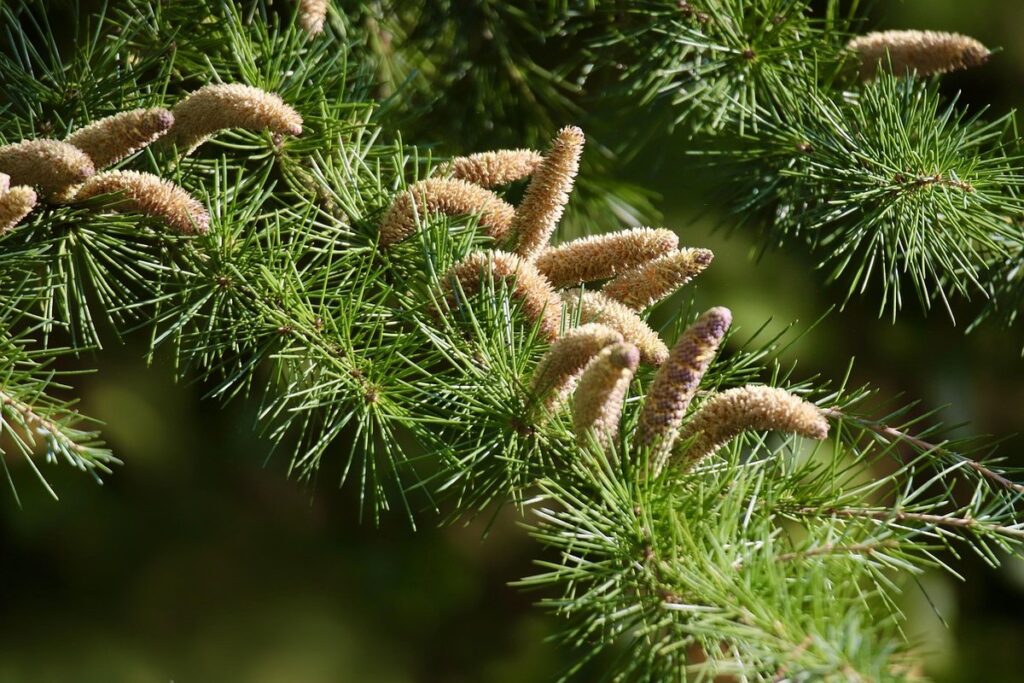
Cedar is a softwood that originates from the Atlas Cedar tree (Cedrus atlantica), primarily grown in North Africa and the Mediterranean region. Its distinctive reddish-brown color and pleasant aroma make it a favorite among gardeners and woodworkers alike. Cedar is naturally resistant to rot, decay, and insects, which makes it an excellent choice for outdoor projects like raised beds.
Pine, on the other hand, is also a softwood that comes from various pine tree species found in North America and Europe. It’s known for its lightweight, low cost, and ease of use. However, pine wood tends to be softer and more prone to warping than cedar. Despite this, many gardeners opt for pine due to its affordability and availability.
Understanding the origins and characteristics of these two woods will help you make an informed decision when choosing between cedar and pine for your raised bed project.
Benefits of Using Wood in Raised Beds
Using wood in raised beds offers several benefits that make it an attractive option for gardeners. For one, wood is incredibly durable and can withstand various weather conditions without breaking down. This means that with proper maintenance, a wooden raised bed can last for many years, even decades.
Another advantage of using wood is its ease of construction. Compared to other materials like metal or plastic, wood is relatively lightweight and easy to work with. This makes it perfect for DIY projects and gardeners who want to build their own raised beds without breaking the bank.
Wood also offers natural resistance to pests and diseases, which can be a significant concern when growing plants in raised beds. For example, cedar wood is known for its natural oils that repel insects and other pests, making it an excellent choice for raised beds.
Common Types of Cedar and Pine for Raised Beds
When it comes to building raised beds, two popular types of wood come to mind: cedar and pine. However, within these categories, there are several subtypes that offer unique properties and uses.
Western red cedar is a highly prized choice for raised beds due to its natural resistance to rot, decay, and insects. Its distinctive aroma also helps repel pests. Another type, Eastern white cedar, is known for its durability and ability to withstand harsh weather conditions. On the other hand, pine wood, specifically White pine, is an affordable option with a soft texture that’s easy to work with. However, it may require more maintenance than cedar due to its susceptibility to rot.
Redwood and Atlas cedar are also popular options for raised beds, offering a similar blend of durability and resistance to moisture. When choosing between these types of wood, consider your budget, climate, and desired lifespan of the bed. If you’re looking for a low-maintenance option, White pine might be the way to go. But if you want a more durable choice that can withstand harsh weather conditions, Western red cedar is an excellent choice.
Durability Comparison: Cedar vs Pine
When it comes to building a raised bed, choosing durable materials is crucial for longevity and low maintenance. Let’s dive into how cedar and pine compare in terms of durability.
Rot Resistance: A Key Factor
When it comes to building raised beds, rot resistance is a crucial factor to consider. Both cedar and pine are popular choices for their durability and longevity, but they have distinct differences when it comes to resisting decay.
Cedar, in particular, has natural oils that repel insects and fungi, making it highly resistant to rot and decay. These oils also give cedar its distinctive aroma and unique color. Western red cedar is especially prized for its resistance to rot and insect damage, with some studies showing it can last for up to 20 years without significant degradation.
Pine, on the other hand, is more susceptible to rot and decay due to its softer wood and higher moisture content. While pine can still be used for raised beds, it may require more maintenance and repairs over time. To mitigate this issue, you can treat pine with a waterproof sealant or use pressure-treated pine.
When choosing between cedar and pine for your raised bed, consider the climate and environment where the bed will sit. If you live in an area prone to high humidity or heavy rainfall, cedar may be the better choice due to its superior rot resistance.
Insect Resistance: How Well Do They Fare?
When it comes to raised beds, insect resistance is a crucial factor to consider. Both cedar and pine have natural oils that repel insects, but their effectiveness varies greatly.
Cedar, being the more durable option, has exceptional resistance to termites and other wood-boring insects. Its oil content, specifically cedrol and thujaplicin, acts as a powerful deterrent, making it an ideal choice for raised beds. In fact, cedar has been shown to be up to 100 times less susceptible to termite damage compared to pine.
Pine, on the other hand, is more prone to insect attacks, particularly from carpenter ants and powderpost beetles. While some types of pine, like southern yellow pine, have a higher resistance level than others, it still lags behind cedar in terms of durability. To minimize pest issues with pine, consider using preservatives or sealants that contain insecticides. However, keep in mind that these treatments may compromise the wood’s natural beauty and longevity.
If you’re building raised beds, opt for western red cedar for its superior resistance to insects. Its low maintenance requirements make it an excellent choice for gardeners who want a hassle-free growing experience.
Weathering and Maintenance Requirements
When choosing between cedar and pine for raised beds, it’s essential to consider their weathering performance over time. Western red cedar is renowned for its natural resistance to rot, decay, and insect damage. As it weathers, cedar develops a silvery-gray patina that can add character to your garden bed. This process typically takes several years, but the wood remains durable and resistant to moisture.
In contrast, pine is more prone to warping, cracking, and discoloration as it weathers. Pressure-treated pine may contain chemicals that help resist rot and insect damage, but these treatments can also leach into the soil over time. To maintain either material, regularly inspect your raised beds for signs of wear or damage. For cedar, simply sweep away debris and reapply a water-resistant finish as needed. Pine requires more frequent maintenance, including sealing with a waterproof stain or sealant to protect it from moisture.
Regular cleaning and maintenance can help extend the lifespan of both materials, but cedar’s natural durability makes it a more low-maintenance option for raised beds.
Installation and Construction Considerations
When building your raised bed, understanding the installation and construction requirements of cedar and pine is crucial to ensure a sturdy and long-lasting structure. We’ll explore the specific considerations for each material here.
Design and Planning Tips
When designing and planning raised beds using cedar or pine, it’s essential to optimize space and ensure proper drainage. To make the most of your garden bed, consider a rectangular shape with clean lines, allowing for easy access from all sides. Measure your available space carefully before cutting any wood, taking into account the mature size of the plants you’ll be growing.
When planning for drainage, make sure to slope the beds slightly (about 1-2% gradient) to prevent water accumulation and root rot. You can also add a layer of gravel or broken pottery at the bottom of the bed to improve drainage further. Keep in mind that pine is more prone to warping than cedar due to its higher moisture content, so be sure to use a proper wood conditioner or sealant if using pine.
In terms of space optimization, consider incorporating trellises or vertical planters for vining plants like peas, beans, or tomatoes. This will not only save space but also add visual interest to your garden bed. Make sure to leave enough space between each raised bed for easy maintenance and access.
Building and Assembling the Frame
When it’s time to build and assemble the frame of your raised bed, you’ll want to keep in mind that both cedar and pine can be used. However, there are some key differences to consider.
Cedar is a more durable option and requires fewer screws due to its natural resistance to rot and insects. This means you may need fewer tools, such as drill bits and screwdrivers, when building with cedar. You’ll also want to use a miter saw or circular saw for precise cuts, especially if you’re creating curved or angled frame components.
On the other hand, pine is often less expensive but requires more screws and nails due to its softer nature. When working with pine, it’s essential to have a reliable tape measure on hand to ensure accurate cuts and prevent mistakes during assembly. A pneumatic nailer can be beneficial for quickly attaching frame components made from pine.
Keep in mind that you’ll need a sturdy foundation, such as a level surface or existing garden bed, before starting your raised bed frame project. Whichever type of wood you choose, take the time to properly measure and cut each piece to ensure accurate assembly and prevent future issues with your raised bed’s structural integrity.
Finishing Touches: Adding Soil and Plants
When it’s time to add soil and plants to your raised bed, you’ll want to make sure you’re doing so safely and effectively. This is particularly important when working with cedar or pine, as both materials can have unique considerations.
For cedar, it’s essential to note that the oils in the wood can be toxic to certain plants. To avoid this issue, consider using a barrier between the soil and the cedar slats. You can achieve this by adding a layer of landscape fabric or a thin sheet of plastic before filling with soil. This will prevent the oils from leaching into the soil and harming your plants.
As for pine, it’s generally safe to plant directly into the wood without any additional precautions. However, keep in mind that pine is softer than cedar and may require more frequent replacement over time. When preparing your bed, make sure to choose a well-draining potting mix specifically designed for raised beds. This will help prevent waterlogged soil and root rot.
Cost Comparison and Budgeting
When planning your raised bed project, understanding the costs associated with cedar versus pine is crucial for making an informed decision that fits within your budget. Let’s break down the cost comparison between these two popular options.
Initial Costs: A Breakdown of Cedar and Pine Prices
When it comes to building raised beds, one of the most significant upfront costs is the material cost. Both cedar and pine are popular choices for raised bed construction, but they differ significantly in terms of pricing.
Cedar wood tends to be more expensive than pine, with prices ranging from $2 to $5 per board foot, depending on the grade and quality of the wood. In contrast, pine is generally cheaper, costing between $1 to $3 per board foot. For a typical raised bed measuring 4′ x 8′, this translates to a cost difference of around $20 to $40.
In addition to material costs, labor costs should also be factored into your budget. If you’re planning to build the raised beds yourself, you’ll need to consider the time and effort required for cutting, assembling, and installing the wood. However, if you hire a professional contractor, their labor costs can add significantly to your overall expenses. To give you a better idea, here’s a rough estimate of labor costs: $100 to $300 per day for a single person.
To minimize initial costs, consider using reclaimed or recycled cedar instead of fresh cut wood. You can also look into pine boards that have been treated with preservatives, which may be cheaper than untreated pine.
Long-Term Value: Considering Maintenance and Replacement Costs
When it comes to raised beds, long-term value is just as important as initial costs. To make an informed decision, you need to consider not only the upfront expenses but also maintenance requirements, replacement costs, and potential repairs. Let’s break down the long-term value of cedar and pine.
Cedar, being a naturally resistant wood, requires less maintenance than pine. It can withstand harsh weather conditions without deteriorating quickly, which means you won’t have to worry about replacing it frequently. In fact, a well-maintained cedar raised bed can last for up to 20 years or more. However, the initial cost of cedar is higher than pine.
On the other hand, pine requires more maintenance due to its susceptibility to rot and insect damage. You’ll need to treat it regularly to extend its lifespan, which can add to your overall expenses. While the initial cost of pine is lower, you may end up spending more in the long run on repairs and replacements.
To get the most out of your raised bed investment, consider budgeting for maintenance and replacement costs upfront. For cedar, plan for a higher initial investment but fewer long-term expenses. For pine, factor in regular maintenance and potential repairs to ensure it lasts as long as possible. This will help you make an informed decision based on your specific needs and budget.
Tips for Budget-Friendly Construction
When building raised beds with either cedar or pine, it’s essential to keep costs in mind. Here are some creative ideas for repurposing materials and reducing waste to help you save money.
Repurpose old pallets or wooden crates to create the frame of your raised bed. This not only saves on lumber costs but also reduces the amount of waste sent to landfills. You can also upcycle old fencing, decking, or even a discarded door to use as the back or sides of your raised bed. Consider using reclaimed wood for the bottom and back panels to add an extra layer of sustainability.
To minimize waste when working with cedar or pine, plan your design carefully and make precise cuts. Use leftover materials for smaller projects, like building planters or birdhouses. If you have any scraps left over, consider donating them to friends, family, or local gardening groups.
Consider the long-term benefits of using reclaimed wood or repurposed materials, not just their upfront cost savings. Not only will you be reducing waste and promoting sustainability, but you’ll also create a unique and eco-friendly raised bed that’s sure to impress your fellow gardeners.
Environmental Impact and Sustainability
As you weigh the pros and cons of using cedar versus pine for your raised beds, let’s take a closer look at how these materials impact the environment. This matters when choosing what to use in your garden project.
Sourcing and Harvesting Practices: What to Look For
When selecting cedar or pine for raised beds, it’s essential to consider the environmental impact of your choice. This starts with understanding the importance of sustainable forestry practices and responsible sourcing methods.
Look for certifications like the Forest Stewardship Council (FSC) logo, which ensures that the wood comes from responsibly managed forests that prioritize biodiversity and minimize harm to ecosystems. You can also check if the supplier adheres to the Programme for the Endorsement of Forest Certification (PEFC), another globally recognized standard for sustainable forestry.
When sourcing your cedar or pine, opt for locally grown and harvested options whenever possible. This reduces transportation-related carbon emissions and supports local economies. Consider visiting your nearest nursery or hardware store to inquire about their sourcing practices and ask for guidance on making a more environmentally friendly choice.
Check the wood’s origin and ensure it doesn’t come from endangered or vulnerable forests. You can also choose reclaimed or recycled cedar, which not only reduces waste but also has unique character that adds charm to your raised bed.
End-of-Life Disposal: A Guide for Both Woods
When it’s time to dispose of your cedar or pine raised bed at the end of its useful life, consider eco-friendly options that minimize waste and support a more sustainable gardening practice. Composting is an excellent way to repurpose both woods. Cedar can be composted, but it may not break down as quickly as other materials due to its natural oils.
For pine, however, you’ll want to ensure it’s fully decomposed before adding it to your compost pile. This might involve checking with your local waste management services for guidelines on processing and disposing of pine. If your raised bed is in decent condition but no longer usable, consider repurposing or upcycling the wood.
You can also explore recycling options through local woodworking shops, community centers, or online platforms that specialize in wood recycling. These programs will accept both cedar and pine, ensuring that materials are properly processed and reused.
Eco-Friendly Alternatives to Cedar and Pine
When it comes to raised beds, traditional cedar and pine are often top choices for their durability and natural resistance to rot. However, both of these materials have environmental drawbacks that might not be immediately apparent. For instance, the harvesting process for cedar can be destructive, causing deforestation in certain regions. Similarly, the production process for pressure-treated pine involves chemicals like arsenic, which can leach into soil and harm microorganisms.
Fortunately, there are eco-friendly alternatives to these materials. Recycled plastic lumber, for example, is made from post-consumer waste and offers similar durability without the environmental impact. Another option is reclaimed wood, sourced from salvaged buildings or trees that have fallen naturally. This material not only reduces waste but also adds character to your raised bed.
Consider exploring composite materials made from a mix of recycled plastic and natural fibers like bamboo or cornstarch. These alternatives not only reduce waste but can also withstand harsh weather conditions. When shopping for an eco-friendly alternative, look for certifications like FSC (Forest Stewardship Council) or Greenguard Gold, which ensure the material meets rigorous environmental standards. By choosing a sustainable option, you’ll create a healthier environment for your plants and contribute to a more environmentally friendly gardening practice.
Conclusion: Choosing the Right Wood for Your Raised Bed
Now that you’ve weighed the pros and cons of cedar and pine, it’s time to consider what type of wood is best suited to your raised bed project. We’ll help guide you through the selection process.
Recap of Key Points
In conclusion, when it comes to choosing the right wood for your raised bed, understanding the key differences between cedar and pine is crucial. We’ve discussed at length their durability, with cedar taking the lead due to its natural resistance to warping and rotting. Cedar also boasts impressive insect-resistance properties, making it a great choice for areas prone to pests.
Pine, on the other hand, has shown to be more susceptible to weathering and requires regular maintenance to maintain its appearance. However, pine is often less expensive than cedar, which can make it an attractive option for budget-conscious gardeners.
Installation requirements also vary between the two woods, with cedar generally requiring fewer coats of sealant due to its natural oils. When considering the environmental impact, both options have their pros and cons, but cedar is generally a more eco-friendly choice due to its slow growth rate and natural resistance to pests and rot. Ultimately, your decision will depend on your specific needs and priorities, so be sure to weigh these factors carefully when making your choice.
Final Thoughts on Making an Informed Decision
When making your final decision between cedar and pine for your raised bed, take a moment to reflect on what matters most to you. Consider your budget – are you looking to splurge on high-quality cedar or opt for the more affordable pine? Think about your lifestyle too – do you have young children or pets that might be tempted to gnaw on your garden structure?
It’s also essential to consider your personal values and priorities. Do you prefer a low-maintenance option, or are you willing to invest time in sealing and treating your wood to extend its lifespan? Perhaps you value the aesthetic appeal of cedar’s natural beauty over pine’s more rustic look.
Ultimately, the decision comes down to weighing these factors against each other. Take the time to weigh the pros and cons of each option, and don’t be afraid to ask for advice from gardening experts or friends with experience building raised beds. By doing so, you’ll make an informed choice that suits your unique needs and preferences, ensuring a beautiful and thriving garden for years to come.
Frequently Asked Questions
Can I use reclaimed or recycled cedar for my raised bed?
Reclaimed or recycled cedar can be a great option, especially if you’re looking to reduce waste and minimize your environmental impact. However, ensure the material is properly processed and free of any hazardous chemicals. Reclaimed cedar may also have inherent characteristics that affect its durability and performance.
How do I protect my pine-raised bed from rot and decay?
To prolong the life of your pine raised bed, apply a waterproof sealant to protect against moisture and humidity. Regularly inspect the wood for signs of damage and perform maintenance tasks as needed. Consider using a fungicide specifically designed for garden applications to help prevent rot and decay.
Can I mix cedar and pine wood in my raised bed frame?
While it’s technically possible to mix cedar and pine, it’s not recommended due to their different properties and durability. Cedar is more resistant to rot and insects than pine, which may compromise the integrity of your raised bed if used together. For optimal performance, stick with one type of wood or choose a hardwood alternative.
How do I determine the actual cost of cedar versus pine for my project?
When comparing costs between cedar and pine, factor in not only the initial purchase price but also long-term expenses like maintenance, repairs, and potential replacements. Consider the durability and lifespan of each material to make an informed decision that balances your budget with your gardening needs.
What are some common mistakes to avoid when using wood for raised beds?
Some common pitfalls include inadequate preparation, poor construction, and insufficient maintenance. Be sure to properly prepare the site, follow proper building techniques, and perform regular upkeep to extend the life of your wood-raised bed. Regularly inspect for signs of damage or wear to address issues promptly.