
When it comes to growing delicious and nutritious cauliflower in your garden, proper spacing and care are crucial for achieving those perfect, tender florets. But let’s be honest, cauliflower cultivation can be a bit tricky, especially if you’re new to gardening. Choosing the right variety, preparing the soil just so, and knowing exactly when to water and harvest – it’s a lot to keep track of! In this article, we’ll dive into the essential tips and tricks for growing amazing cauliflower. From selecting the perfect spacing to harvesting at peak perfection, we’ll cover everything you need to know. Whether you’re a seasoned gardener or just starting out, get ready to unlock the secrets of successful cauliflower cultivation with our expert guidance on spacing, soil prep, watering, and more!
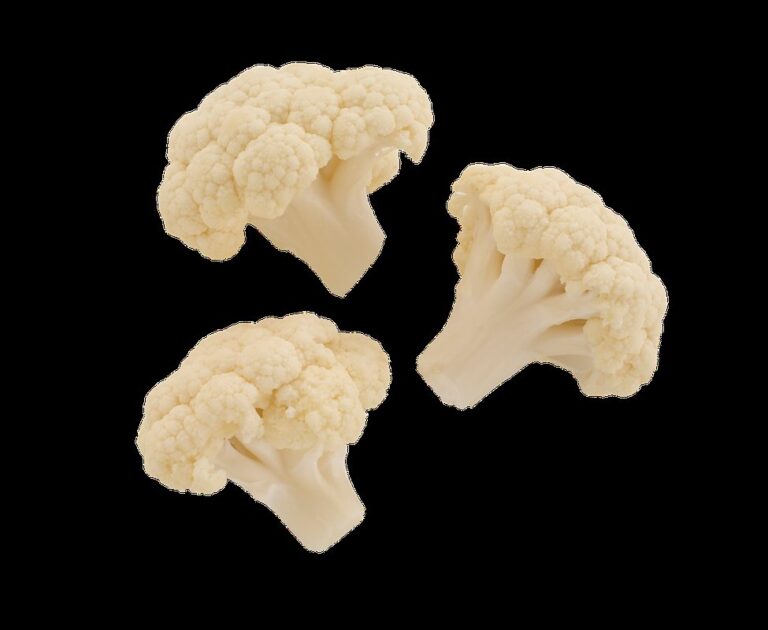
Understanding Cauliflower Plants
To grow healthy and productive cauliflower plants, it’s essential to understand their unique characteristics and requirements. Let’s take a closer look at what makes these plants tick.
Characteristics of Cauliflower Plants
When growing cauliflower, it’s essential to understand its basic characteristics. Cauliflower plants are cool-season crops that belong to the Brassica family, which also includes broccoli and kale. They have a unique growth habit, typically maturing in 50-70 days after sowing. The plants grow into compact heads, about 6-8 inches (15-20 cm) in diameter, with tightly packed florets.
One of the key characteristics of cauliflower is its sensitivity to temperature extremes. Ideal temperatures for cultivation range from 60°F to 75°F (15°C to 24°C), making them a great crop for spring and fall seasons. In hot weather, cauliflower can bolt, or go to seed, which affects head formation and quality.
Cauliflower plants also require consistent moisture, particularly during the head-forming stage. Aim for about 1 inch (2.5 cm) of water per week, either from rain or irrigation. By understanding these characteristics, you’ll be better equipped to provide your cauliflower plants with the right conditions for optimal growth and head formation. This knowledge will also help you make informed decisions when it comes to spacing and care.
Choosing the Right Variety
When it comes to growing cauliflower, one of the most important decisions you’ll make is choosing the right variety for your climate and desired harvest period. With so many options available, it can be overwhelming to select the perfect type.
There are several main types of cauliflower, including white, green, orange, and purple. White cauliflower is a classic choice and grows well in most climates. Green cauliflower, on the other hand, is more resistant to heat and humidity, making it ideal for warmer regions. Orange and purple varieties are also gaining popularity due to their unique colors and flavors.
When selecting a variety, consider your climate zone and desired harvest period. If you live in an area with short growing seasons or experience frequent frosts, choose a variety that matures quickly (around 50-60 days). For longer growing seasons, opt for a variety that takes around 70-80 days to mature. Some popular varieties include ‘Snow Crown’, ‘Violetto’, and ‘Graffiti’. Consider factors such as disease resistance, growth habits, and flavor preferences when making your final decision.
In addition to choosing the right variety, also consider seed quality and germination rates when planting. This will ensure you get off to a strong start and maximize your harvest. By selecting the perfect cauliflower variety for your needs, you’ll be well on your way to growing a bountiful crop that’s sure to please!
Preparing the Soil
Before planting cauliflower, it’s essential to prepare the soil properly. This involves testing the pH levels to ensure they’re within the optimal range of 6.0-7.0 for cauliflower growth. You can purchase a DIY soil test kit or send a sample to a laboratory for analysis.
If your soil test reveals that your pH is too high or low, you’ll need to adjust it accordingly. Adding lime will increase the pH level, while peat moss or sulfur will decrease it. It’s also crucial to add essential nutrients like nitrogen, phosphorus, and potassium to the soil. You can use a balanced fertilizer or individual components based on your soil analysis results.
Remove any weeds or debris from the planting area to prevent competition for resources and potential diseases. Till the soil gently to create a smooth surface, allowing you to plant cauliflower crowns or seeds at the right depth. This groundwork will set your plants up for success, ensuring they receive the necessary support to thrive throughout their growth cycle.
When choosing a fertilizer, select one specifically designed for Brassicas like cauliflower, and follow the recommended application rates to avoid over-fertilization.
Cauliflower Spacing: The Key to Healthy Plants
When it comes to growing healthy cauliflower plants, proper spacing is crucial for air circulation and sunlight penetration. Let’s dive into the ideal spacing requirements for a bountiful harvest.
Why Proper Spacing Matters
Overcrowding your cauliflower plants can have severe consequences on their health and productivity. When plants are too close together, they’re more susceptible to disease, as moisture and spores can easily spread from one plant to another. This is especially true for diseases like powdery mildew and downy mildew, which thrive in humid environments.
Reduced yields are another issue that arises when cauliflower plants are overcrowded. As the plants compete for resources like light, water, and nutrients, their growth will be stunted, resulting in smaller heads or even complete failure to produce a harvestable crop. Additionally, overcrowding can also lead to lower quality cauliflower, as the plants may become distorted or develop an unpleasant flavor.
To avoid these issues, it’s essential to give your cauliflower plants enough space to grow. A general rule of thumb is to plant them 18-24 inches apart in rows that are at least 2-3 feet wide. This allows for proper air circulation and helps prevent disease from spreading. By providing adequate spacing, you’ll be rewarded with healthier, more productive plants that yield delicious, high-quality cauliflower.
Recommended Spacing Guidelines
When it comes to cauliflower spacing, one of the most critical factors for healthy plants is giving them enough room to breathe and grow. The type of cauliflower you’re growing will play a significant role in determining the ideal spacing. For example, compact or dwarf varieties can thrive in as little as 18-24 inches between plants, while larger-headed varieties require around 30-36 inches.
For companion planting, consider pairing cauliflower with nitrogen-fixing friends like beans or peas to enhance its growth. On the other hand, avoid planting cauliflower alongside members of the Brassica family, such as broccoli or kale, as they share similar pests and diseases. Some popular companion plants for cauliflower include marigolds, nasturtiums, and calendula, which repel aphids and other pests.
To give your cauliflower the best chance at success, keep in mind that over-crowding can lead to reduced yields, increased disease susceptibility, and a higher risk of pest infestations. By leaving enough space between plants, you’ll allow for good air circulation, make it easier to inspect for problems, and promote healthy growth throughout the season.
Factors Affecting Spacing Needs
When it comes to cauliflower spacing needs, several factors come into play that can impact plant health and yield. One of the primary considerations is climate. In areas with hot summers, cauliflower plants may need more space to breathe and prevent overcrowding, which can lead to fungal diseases and reduced head size.
Soil type is another critical factor. For example, if you’re growing in a heavy clay soil, you’ll want to give your cauliflower plants slightly more space than in a well-draining sandy loam. This allows roots to grow freely without becoming waterlogged or oxygen-starved.
Available sunlight also plays a significant role. If your garden receives full sun for most of the day, you can plant cauliflower closer together, as they’ll be less susceptible to disease and will produce larger heads. In partial shade, however, plants may need more space to photosynthesize effectively and prevent overcrowding.
In general, cauliflower spacing needs vary depending on these factors; a good rule of thumb is to provide at least 24 inches between each plant in well-draining soil with adequate sunlight.
Planting Cauliflower: Tips and Techniques
When it comes to growing cauliflower, proper planting techniques can make all the difference. In this section, we’ll share expert tips on how to plant cauliflower successfully.
When to Plant Cauliflower
When it comes to planting cauliflower, timing is everything. The optimal planting time varies depending on your region and climate. In general, cauliflower prefers cooler temperatures between 60°F and 70°F (15°C and 21°C). In areas with mild winters, you can plant cauliflower in early spring or late summer/early fall.
In regions with frost dates, it’s essential to wait until the soil has warmed up and the threat of frost has passed. For example, if your area typically experiences a last frost date in late March or early April, you can start planting cauliflower around mid-to-late April. In areas with hot summers, consider planting cauliflower in the fall when temperatures begin to cool down.
To determine the best planting time for your region, check the average temperature and frost dates for your area. This will help you plan accordingly and ensure optimal growth conditions for your cauliflower crop. Keep in mind that cauliflower is a cool-season crop, so it thrives in temperatures between 40°F and 70°F (4°C and 21°C).
Planting Seeds or Seedlings
When it comes to planting cauliflower, you have two main options: direct seeding or transplanting seedlings. Both methods have their advantages and disadvantages.
Direct seeding involves sowing seeds directly into the garden bed. This method is ideal for small gardens or areas with poor soil quality, as it allows for better root development in the existing soil. To direct seed, sow cauliflower seeds 1-2 inches deep and 18-24 inches apart. Keep the soil consistently moist during this period to promote germination.
Transplanting seedlings, on the other hand, is a great option for larger gardens or areas with good soil quality. Seedlings provide an earlier start to the growing season, but they require more care during the transplant process. When transplanting, handle the roots gently and avoid disturbing the root ball. Space seedlings 18-24 inches apart to allow for proper air circulation.
Regardless of which method you choose, make sure the soil is well-draining and has a pH between 6.0 and 7.0. This will give your cauliflower plants the best chance at healthy growth and development.
Care After Planting
After planting your cauliflower crop, it’s essential to provide proper care for optimal growth and health. Watering is crucial during this stage, as newly planted cauliflower seedlings need consistent moisture to establish a strong root system.
Water your cauliflower plants when the top 1-2 inches of soil feels dry to the touch. Avoid overwatering, which can lead to fungal diseases and root rot. A general rule of thumb is to provide about 1 inch of water per week, either from rainfall or irrigation.
Fertilization is also vital during this stage. Side-dress with a balanced fertilizer (10-10-10 NPK) once the seedlings have 4-5 leaves. This will promote healthy growth and development. You can also use a high-phosphorus fertilizer (10-20-10 NPK) to encourage fruiting and flowering.
Regular pest management is another critical aspect of care after planting. Keep an eye out for common pests like aphids, whiteflies, and spider mites. Use organic or integrated pest management methods whenever possible to minimize the risk of chemical residues on your crop.
Watering and Feeding Cauliflower Plants
To keep your cauliflower plants healthy, it’s essential to know when and how to water and feed them properly, which we’ll cover in the following steps.
Watering Requirements
When it comes to cauliflower plants, consistent moisture is crucial – especially during those critical growth stages. Watering requirements can vary depending on factors such as climate, soil type, and the specific variety of cauliflower you’re growing.
To ensure your cauliflower plants are receiving the right amount of water, it’s essential to measure soil moisture regularly. One method is to insert a finger into the soil up to the knuckle; if the soil feels dry, it’s time for watering. You can also use a moisture meter or a probe to get an accurate reading.
Adjusting your irrigation schedule accordingly will make all the difference in promoting healthy growth and preventing common problems like yellowing leaves and poor head formation. Aim to provide about 1-2 inches of water per week, either through rainfall or supplemental irrigation. Be cautious not to overwater, as this can lead to fungal diseases and root rot. By monitoring soil moisture levels and making adjustments as needed, you’ll be able to give your cauliflower plants the consistent moisture they need to thrive.
Fertilizing for Optimal Growth
When it comes to fertilizing your cauliflower plants for optimal growth, choosing the right fertilizer is crucial. You have a variety of options available, including organic and synthetic choices.
Organic fertilizers are an excellent option for gardeners who prefer a more natural approach. Compost tea, made by steeping compost in water, is a great example of an organic fertilizer that promotes beneficial microbes and improves soil structure. Another option is fish emulsion, which is high in nitrogen and phosphorus. However, be aware that some organic fertilizers can be quite strong, so it’s essential to follow the recommended application rates.
For synthetic fertilizers, look for products with a balanced N-P-K ratio (nitrogen-phosphorus-potassium). A general-purpose 10-10-10 fertilizer is a good starting point. However, keep in mind that excessive use can lead to burnout and nutrient imbalances. To avoid this, start with a low application rate and gradually increase as needed.
It’s also worth noting that cauliflower plants benefit from regular foliar feeding, which involves spraying the leaves with a balanced fertilizer solution. This provides an immediate boost of nutrients and helps prevent deficiencies.
Managing Pests and Diseases
As a cauliflower enthusiast, you’re likely aware that these delicious plants are susceptible to various pests and diseases. Managing these issues effectively is crucial for optimal growth and healthy yields. Some common problems include aphids, whiteflies, and spider mites, which can be controlled using neem oil or insecticidal soap.
Diseases like powdery mildew, downy mildew, and club root are also prevalent among cauliflower varieties. To prevent these, ensure proper air circulation by providing enough space between plants (about 18-24 inches). Regularly inspect your crop for signs of disease, such as yellowing leaves or a white, powdery coating.
To develop an integrated pest management (IPM) strategy, consider the following:
* Monitor your plants regularly to catch problems early
* Use physical barriers like fine mesh to prevent pests from reaching your plants
* Practice good sanitation by removing weeds and debris that can harbor pests and diseases
* Consider companion planting with beneficial herbs like basil or mint, which can repel unwanted insects
* Apply organic controls as needed, taking care not to overuse them and harm the environment
Common Cauliflower Problems: Prevention and Solutions
You’re likely to encounter a few common issues when growing cauliflower, from pests to diseases, but don’t worry, we’ve got you covered. Let’s explore some practical solutions and prevention tips.
Addressing Common Issues
One of the most frustrating things that can happen to cauliflower enthusiasts is dealing with common problems like aphids, slugs, and club root disease. These issues not only cause damage but also lead to crop loss, wasting all your efforts.
Aphid infestations are particularly common and can be prevented by maintaining good garden hygiene. Remove weeds around the plants as they provide a shelter for these tiny pests. Use neem oil or insecticidal soap to control aphid populations, applying it at the first sign of infestation.
Slugs are another issue many growers face. To deter them, use copper tape around the plant base or hand-pick them at night when they’re most active. You can also create a barrier by spreading crushed eggshells or sharp grit around the plants.
Club root disease is more insidious and requires careful prevention measures. Test your soil to ensure it’s free from this pathogen. If you find any signs of the disease, destroy the affected plant immediately and disinfect your tools to prevent its spread. Keep your cauliflower plants well-spaced (about 18-24 inches apart) to allow air circulation and reduce moisture buildup, which can help prevent club root disease.
Monitoring Plant Health
Regular plant inspections are crucial to detect early signs of stress or disease in cauliflower plants. This allows you to take prompt action and prevent minor issues from escalating into major problems. Monitoring plant health is an ongoing process that requires attention to various aspects, including growth patterns, foliage color, and pest activity.
To monitor your cauliflower’s health effectively, use the following checklist:
• Check for discoloration or unusual changes in leaf color
• Look for signs of pests like aphids, whiteflies, or slugs
• Inspect the plant’s growth pattern: are the leaves and florets developing evenly?
• Monitor for signs of nutrient deficiencies or excesses
• Keep an eye out for disease symptoms such as powdery mildew, downy mildew, or club root
Regular inspections can be done weekly during peak growing seasons. Keep a gardening journal to track your observations and note any changes over time. This will help you identify patterns and take proactive measures to prevent problems from arising. By staying vigilant and monitoring your cauliflower’s health closely, you’ll be able to address issues early on and ensure a healthy crop.
Harvesting Cauliflower: Tips for Maximum Yield
When harvesting cauliflower, timing is everything – a few simple tips can make all the difference between a bountiful crop and underdeveloped heads. Let’s explore how to maximize your yield.
Determining Maturity
Determining when cauliflower is ready for harvest can be a bit tricky, but with the right knowledge and attention to visual cues, you’ll know exactly when it’s time to pick. First and foremost, inspect the head of the plant regularly. Look for signs of maturity such as a tight, compact cluster of white or creamy-yellow florets, which should be firmly attached to the stem. A mature cauliflower will also have a slightly sweet aroma, so give it a sniff!
In addition to visual inspection, you can perform a flavor test by cutting into one of the buds. If the inside is tender and tastes similar to a cooked vegetable, it’s ready for harvest. Keep in mind that over-maturity can result in a woody or bitter taste, so be cautious not to wait too long.
As a general rule, cauliflower typically takes 60-70 days from sowing to harvest. However, this timeframe may vary depending on factors like weather conditions, soil quality, and the specific variety you’re growing. Monitor your plants closely for these signs of maturity, and use them as guides for when it’s time to harvest your delicious homegrown cauliflower!
Hand-picking vs. Machine Harvesting
When it comes to harvesting cauliflower, you have two primary options: hand-picking and machine harvesting. While both methods can produce high-quality results, they come with their own set of benefits and drawbacks.
Hand-picking is a labor-intensive process that requires careful handling of the delicate plant to avoid damage. This method allows for greater precision in selecting the perfect head, ensuring maximum yield and quality. However, it can be time-consuming and expensive, especially for large-scale farms. With hand-picking, you’ll also need to consider factors like weather conditions, as rain or high winds may make handling the plants difficult.
On the other hand, machine harvesting uses specialized equipment designed specifically for cauliflower. This method is often faster and more cost-effective than hand-picking, but it can be rough on the plant, leading to bruising and damage. Moreover, machines can struggle with irregularly-shaped heads or those grown in tight spaces. Machine harvesting also requires a significant investment in equipment and training.
In terms of labor costs, machine harvesting is generally more efficient, as it automates much of the process. However, hand-picking allows for more control over the harvesting process, which can be beneficial for smaller farms or specialty growers looking to maintain high standards of quality.
Ultimately, whether you choose hand-picking or machine harvesting will depend on your specific needs and preferences. Consider factors like yield, labor costs, plant handling, and equipment investment before making a decision.
Post-Harvest Handling
Proper storage of harvested cauliflower is crucial to maintain its quality and extend shelf life. When it comes to post-harvest handling, many gardeners make the mistake of storing cauliflower at room temperature. However, this can lead to moisture accumulation, causing the delicate florets to spoil quickly.
To store your harvested cauliflower, choose a cool, dry place with consistent temperatures between 32°F and 50°F (0°C and 10°C). You can also use refrigeration to slow down the ripening process. Remove any excess leaves from the head, as they can absorb moisture and contribute to spoilage.
Another effective method is to store cauliflower in a breathable container or bag. This allows for airflow while keeping moisture at bay. Be sure to check on your stored cauliflower regularly, as it can still deteriorate quickly if not monitored properly. By following these simple storage tips, you’ll be able to enjoy your fresh cauliflower for longer and minimize waste.
Conclusion: Putting it All Together
Now that you’ve learned how to plant and care for cauliflower, let’s summarize the key takeaways from this comprehensive guide to ensure your success as a cauliflower grower. By reviewing these essential points, you’ll be well-prepared to enjoy a bountiful harvest.
Recap of Key Takeaways
To successfully cultivate cauliflower, it’s essential to remember key considerations from this comprehensive guide. When planning your garden layout, make sure to allocate sufficient space between individual plants, typically around 18-24 inches apart. This allows for air circulation and sunlight penetration, preventing moisture-related diseases.
When selecting a suitable location, choose a spot that receives full sun (6-8 hours of direct sunlight) and has well-draining soil. Avoid planting cauliflower in areas with standing water or where water tends to collect.
In terms of care, remember to water cauliflower consistently but avoid overwatering, which can lead to root rot. Apply a balanced fertilizer once a month to promote healthy growth and flower production. Additionally, be mindful of common pests like aphids, slugs, and snails, and take action promptly if you notice any infestations.
By keeping these key points in mind, you’ll be well on your way to successfully growing delicious cauliflower in your garden.
Next Steps in Your Cauliflower Journey
Now that you’ve mastered the art of cauliflower spacing and care, it’s time to put your newfound knowledge into action. As you prepare for your next growing season, take a moment to reflect on your goals and objectives. What do you want to achieve with your cauliflower crop? Are you looking to increase yields, improve quality, or enhance the overall appearance of your plants?
Start by reviewing your garden or farm layout, taking note of any areas that may benefit from adjustments in spacing or care practices. Identify specific challenges you’ve faced in the past and brainstorm ways to overcome them. For example, if you’ve struggled with overcrowding, consider implementing a more efficient row rotation plan.
Develop a clear plan for implementing best practices on your own farm or garden. Set realistic targets for yourself and break down larger goals into smaller, manageable tasks. This might involve creating a detailed planting schedule, investing in specialized equipment, or seeking guidance from experienced growers. By taking a thoughtful and intentional approach to cauliflower care, you’ll be well on your way to harvesting a bountiful and thriving crop.
Frequently Asked Questions
What if I notice pests or diseases on my cauliflower plants despite proper spacing and care?
Monitor your plants regularly, and take action immediately if you spot any issues. Use organic or integrated pest management (IPM) techniques to control infestations, such as introducing beneficial insects or applying targeted fungicides. Prune affected areas and maintain good air circulation to prevent further damage.
Can I grow cauliflower in containers, and what are the specific requirements?
Yes, cauliflower can thrive in containers. Choose a large pot with at least 12-18 inches of depth, filled with well-draining soil mix. Provide adequate spacing between plants, and ensure sufficient sunlight (at least 4-6 hours direct sun) and water supply. Fertilize regularly, but avoid overwatering to prevent root rot.
How do I determine if my cauliflower is ready for harvest?
Check the size and color of the head, which should be a deep purple or white depending on the variety. Gently lift the leaves to inspect the underside, where the head should be firm and compact. Harvest when the head is between 6-8 inches in diameter, as over-maturity can cause the florets to become tough and fibrous.
Can I grow multiple varieties of cauliflower together, or will they compete for resources?
No, it’s generally not recommended to grow different varieties of cauliflower together, especially if they have distinct spacing requirements. This can lead to overcrowding, increased disease susceptibility, and reduced yields. Instead, plant each variety separately according to its specific spacing guidelines.
How often should I check on my cauliflower plants during the growing season?
Regular monitoring is crucial for successful cauliflower cultivation. Check your plants every 1-2 weeks during the growing season (about 50-70 days after sowing), looking for signs of stress, pests, or diseases. Adjust watering and fertilization schedules as needed to maintain optimal growth conditions.