
Germinating carrot seeds can be a challenging process, but with the right conditions and techniques, you’ll be on your way to growing healthy, crunchy carrots. Whether you’re a seasoned gardener or just starting out, understanding how to germinate carrot seeds successfully is crucial for achieving high yields.
Carrot seed germination requires specific optimal conditions, including temperature, moisture, and light exposure. However, even with ideal settings, issues can still arise due to poor seed quality or inconsistent growing environments. That’s why it’s essential to learn the best practices for selecting healthy seeds, as well as troubleshooting common problems that may hinder your growth.
In this ultimate guide, we’ll walk you through everything you need to know about carrot seed germination, from choosing the right seeds to overcoming common obstacles. By following our expert advice and strategies, you’ll be well on your way to successfully growing delicious carrots in no time.
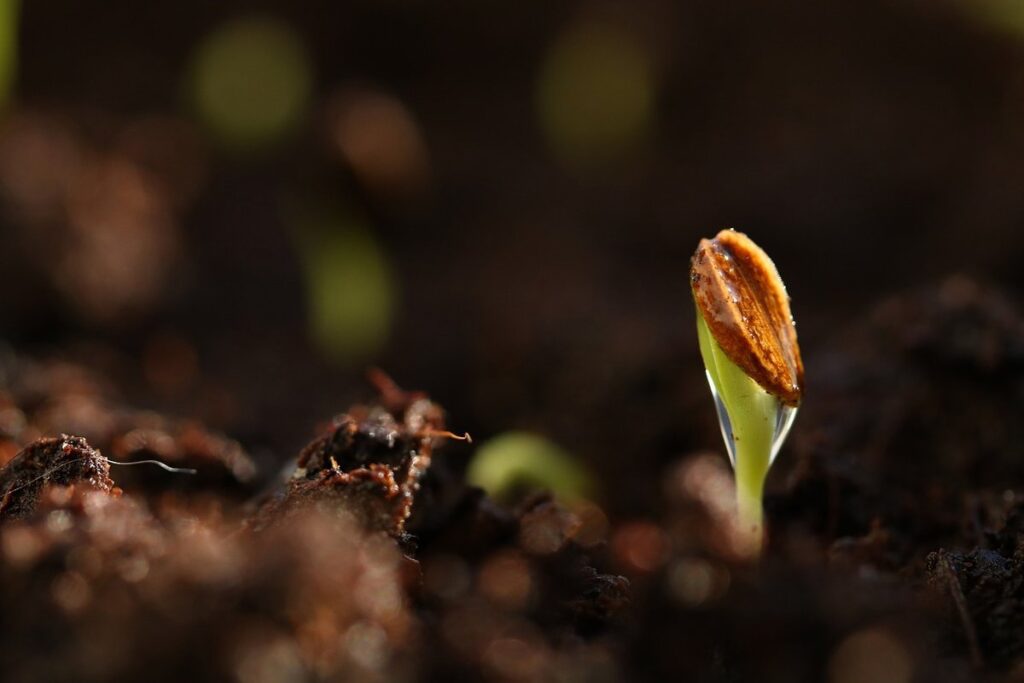
Understanding Carrot Seed Germination
To ensure successful carrot seed germination, it’s essential to understand how temperature and moisture levels impact the process. Let’s dive into these critical factors together.
Factors Affecting Germination
Carrots seeds require a delicate balance of environmental factors to germinate successfully. Temperature plays a significant role, with optimal germination temperatures ranging between 18-22°C (64-72°F). Below 10°C (50°F), germination is significantly slowed, while above 25°C (77°F) it may be inhibited.
Light exposure also affects germination, with some research suggesting that even low light conditions can slow down the process. However, complete darkness can lead to delayed or even reduced germination rates. Soil moisture is another crucial factor, as seeds require consistent but not waterlogged conditions to sprout.
Oxygen availability is often overlooked but is essential for healthy root development and subsequent growth. Well-draining soils with adequate aeration help prevent root rot and promote better germination outcomes. Understanding these environmental factors can significantly improve your chances of successful carrot seed germination, allowing you to cultivate a thriving crop.
Optimal Conditions for Germination
To ensure optimal conditions for carrot seed germination, it’s essential to provide the right temperature range. Carrot seeds typically require a consistent temperature between 60°F (15°C) and 75°F (24°C) to germinate successfully. Temperatures above or below this range can lead to reduced germination rates or even complete failure.
In terms of water requirements, carrot seeds need a fine mist of water for optimal germination. Avoid overwatering, as this can cause the seeds to rot before they have a chance to sprout. Aim to maintain a consistent moisture level in the soil, allowing the top 1-2 inches (2.5-5 cm) of the growth substrate to dry slightly between waterings.
A good quality potting mix or seed starting mix is also crucial for successful germination. These mixes are specifically designed to provide optimal drainage and aeration, reducing the risk of overwatering and promoting healthy root development. Some growers even use a specialized seed coating or treatment that can enhance germination rates by up to 20%.
Preparing Carrot Seeds for Germination
Before you can get your carrot seeds germinating, you need to prepare them properly. This involves a few simple steps that will help increase their chances of successful germination.
Seed Selection and Storage
When selecting carrot seeds for germination, it’s essential to prioritize quality over quantity. Healthy seeds are more likely to produce robust seedlings with better yields. To identify high-quality seeds, look for those that are plump, firm, and free of visible damage or cracks.
Avoid seeds with mold, mildew, or any signs of physical stress. It’s also crucial to choose seeds from reputable suppliers or breeders who specialize in carrot varieties suitable for your region. Store-bought seeds may have been exposed to extreme temperatures, humidity, or handling during transportation, which can compromise their viability.
To maintain seed viability and ensure optimal germination rates, store seeds properly in a cool, dry place away from direct sunlight. Airtight containers like glass jars or sealed packets are ideal for storing carrot seeds. Keep them at 40°F to 50°F (4°C to 10°C) until you’re ready to sow them. Never store seeds in basements, attics, or areas prone to moisture, as this can lead to reduced germination rates.
Seed Stratification Techniques
Seed stratification is a crucial process that helps break dormancy and promotes healthy growth in carrot seeds. This technique involves simulating winter conditions to mimic the natural environment, tricking the seeds into thinking they have already gone through a cold period. By doing so, seed stratification can increase germination rates, reduce time to emergence, and improve overall plant vigor.
There are several methods of seed stratification, including:
* Cold stratification: storing seeds in a refrigerator at 35-45°F (2-7°C) for 30-60 days
* Light stratification: exposing seeds to light for a specified period to simulate winter conditions
* Chemical treatments: using gibberellin or other chemicals to break dormancy
Some gardeners also use a combination of these methods. For example, you can store your seeds in the refrigerator for 30 days and then expose them to light for another 7-10 days before sowing. It’s essential to note that seed stratification is not always necessary, as some carrot varieties are non-dormant or have shorter germination periods. Research specific requirements for your seed variety to determine if stratification is beneficial.
The Germination Process: Stages and Timeline
Now that you have a basic understanding of carrot seed germination, let’s dive into the stages and timeline involved in bringing your seeds to life. You’ll see how it all unfolds over time.
Seed Imbibition and Absorption
When carrot seeds are exposed to water, they begin the process of imbibition, which is essential for germination. Imbibition is the initial stage where the seed absorbs water through its outer layers, causing it to swell. This process usually occurs within 24-48 hours after soaking. As the seed absorbs water, its cells start to plump up, making it ready for growth.
During imbibition, the seed coat becomes softer and more permeable, allowing for efficient water uptake. If the soil is too dry or lacks sufficient oxygen, this process can be hindered, leading to poor germination rates. In ideal conditions, the seed will have absorbed enough moisture to break dormancy within 2-3 days.
To promote effective imbibition, make sure to keep the soil consistently moist but not waterlogged. A well-draining potting mix with adequate aeration is crucial for healthy root development and successful germination. For example, using a potting mix specifically designed for seed starting can help create an optimal environment for carrot seeds to absorb water efficiently.
Radicle Emergence and Root Development
As carrot seeds begin to sprout, one of the most critical stages is the emergence of the radicle, also known as the primary root. This tiny white root grows downward from the seed, anchoring it in place and establishing a foundation for the developing plant. The radicle’s role is crucial, as it absorbs water and nutrients from the surrounding soil, providing energy for the growing carrot seedling.
During this stage, the radicle typically emerges within 1-3 days after germination, depending on factors such as temperature, moisture, and seed quality. It’s essential to ensure adequate soil moisture during this period, as the radicle is sensitive to drought conditions. Overwatering can also be detrimental, so it’s crucial to strike a balance.
A robust root system is vital for healthy carrot growth. The radicle will soon develop into a network of fine roots that absorb water and nutrients more efficiently. To promote optimal root development, maintain consistent soil moisture, provide adequate temperature (around 70-80°F), and avoid compacting the soil around the seedlings. By understanding and supporting this critical stage, you’ll be well on your way to cultivating healthy, productive carrot plants.
Factors Influencing Germination Rate
To ensure successful carrot seed germination, it’s essential to understand the various factors that influence the rate at which seeds sprout. Temperature, moisture, and light are among the key variables to consider.
Temperature-Related Factors
Temperature plays a significant role in determining the germination rate of carrot seeds. Different varieties have optimal temperature ranges for germination, and deviating from these can significantly impact seedling development. For example, the ‘Little Finger’ variety germinates best between 68°F to 72°F (20°C to 22°C), while ‘Danver’s Half-Long’ prefers a slightly cooler range of 65°F to 70°F (18°C to 21°C).
Temperatures above or below these ranges can slow down or even prevent germination. For instance, seeds exposed to temperatures above 85°F (29°C) may experience reduced germination rates due to increased water loss and heat stress. Conversely, prolonged exposure to low temperatures can cause seed dormancy, making it challenging for seeds to germinate.
When storing carrot seeds, maintaining a consistent temperature between 40°F to 50°F (4°C to 10°C) is essential. This range helps preserve the seeds’ viability and ensures they remain dormant until optimal conditions for germination are met. By understanding the ideal temperature ranges for your specific variety, you can create an environment conducive to successful carrot seed germination.
Water Availability and pH Levels
When it comes to carrot seed germination, two crucial factors that can greatly impact its success are water availability and pH levels. Water is essential for the germination process as seeds rely on it to break dormancy and initiate growth.
However, too much or too little water can be detrimental. Seeds need consistent moisture but not excessive amounts that might lead to rot or other problems. A general rule of thumb is to maintain the soil at about 70-80% of its capacity, allowing for adequate moisture while preventing overwatering. You can achieve this by watering your seedlings gently but thoroughly once a day.
pH levels also play an important role in carrot seed germination. Carrots prefer slightly acidic to neutral soil with a pH between 6.0 and 7.0. If the soil is too alkaline or acidic, it may hinder seed growth. To adjust pH as needed, you can mix in organic matter like compost, which not only improves the structure of the soil but also helps to balance its pH.
Common Issues Affecting Carrot Seed Germination
Carrot seed germination can be unpredictable, and understanding common issues is crucial to overcoming challenges and achieving success. This section will explore the most prevalent problems growers face.
Seedling Disorders and Diseases
Seedling disorders and diseases can significantly impact carrot seed germination, reducing yields and affecting crop quality. One common issue is root rot, caused by overwatering or poor soil drainage. Symptoms include soft, mushy roots and a sour odor. To prevent root rot, ensure good air circulation around the plants and avoid watering too frequently.
Damping off is another disease that can afflict carrot seedlings. It’s characterized by yellowing leaves, stunted growth, and eventually, the seedling collapses. Prevention methods include using sterile soil, maintaining high humidity, and providing adequate light. If you notice damping off symptoms, remove affected plants immediately to prevent the spread of disease.
Nutrient deficiencies can also hinder seed germination. For example, a lack of potassium can cause stunted growth and yellowing leaves. Ensure your seeds receive a balanced diet by using a well-fertilized potting mix or supplement with a balanced fertilizer according to the manufacturer’s instructions. Regularly inspect your plants for signs of nutrient deficiency, such as yellowing or distorted growth.
Environmental Stressors and Pests
Environmental stressors can have a significant impact on carrot seed germination. Extreme temperatures, for example, can slow down or even halt the germination process. Carrot seeds typically require a temperature range between 60°F and 75°F (15°C to 24°C) to germinate optimally. Temperatures above 85°F (29°C) can cause seeds to dry out, while those below 50°F (10°C) can lead to poor germination.
High humidity can also be detrimental to carrot seed germination. While seeds need moisture to germinate, excessive humidity can cause fungal diseases and root rot. It’s essential to maintain a balance between adequate moisture and air circulation.
Pests like carrot rust flies, aphids, and spider mites can harm seeds or young seedlings during the germination process. To manage these pests, use fine mesh row covers or fine netting to keep them away from your crop. Regularly inspect your plants for signs of infestation and treat promptly if necessary.
Keep in mind that different regions have unique pest profiles, so research the common pests in your area before planting.
Optimizing Carrot Seed Germination for Commercial Growers
As a commercial grower, you’re likely looking for ways to boost your carrot yields and improve germination rates. This section will explore proven techniques to optimize seed germination in your operation.
Large-Scale Germination Methods
For commercial growers looking to optimize carrot seed germination on a large scale, automated systems and precision agriculture practices are game-changers. These methods enhance efficiency, productivity, and minimize waste, ultimately saving time and resources.
Automated germination systems use controlled environments, such as temperature-regulated greenhouses or hydroponic facilities, to create ideal conditions for seeds to sprout. These environments can be precisely monitored and adjusted in real-time to ensure optimal germination rates. For instance, some commercial growers use LED grow lights to provide the perfect spectrum of light for carrot seedlings.
Precision agriculture practices also play a significant role in large-scale germination. This approach involves using data analytics and sensors to monitor soil moisture, temperature, and pH levels, ensuring that seeds receive exactly what they need to thrive. By leveraging technology to make informed decisions about when to plant and how much water to apply, growers can significantly reduce waste and increase yields.
Incorporating these methods into your commercial growing operation requires a significant investment in equipment and training. However, the long-term benefits are undeniable: increased efficiency, reduced waste, and higher-quality crops.
Tips for Successful Germination in Home Gardens
As a home gardener, you’re likely no stranger to the thrill of watching seeds sprout into vibrant carrots. However, successful germination requires more than just scattering seeds on soil and waiting for results. To optimize carrot seed germination in your own plots or containers, follow these practical tips.
Firstly, choose a location with full sun and well-draining soil to give your carrot seeds the best chance at success. Most home gardeners prefer to grow carrots in raised beds or containers filled with a mix specifically designed for root vegetables.
Next, prepare the soil by loosening it to a depth of about 12 inches. This will help prevent any compacted layers that might hinder seedling growth. Sow seeds thinly and evenly, covering them with a layer of fine soil that’s around 1/8 inch deep. Keep the soil consistently moist during the first few weeks after sowing, but avoid overwatering.
Finally, be patient! Carrot seeds can take anywhere from 7 to 14 days to germinate, depending on factors like temperature and moisture levels. Don’t rush to conclusions if you don’t see sprouts emerging immediately – it’s not uncommon for carrot seedlings to appear a bit later than expected. By following these guidelines, you’ll be well on your way to growing healthy, delicious carrots in your home garden.
Conclusion: Maximizing Carrot Seed Germination
Now that you’ve learned the intricacies of carrot seed germination, it’s time to put your newfound knowledge into practice and maximize those seeds’ potential for growth.
Recap of Key Takeaways
As we reach the end of this comprehensive guide on carrot seed germination, let’s take a moment to recap the key takeaways. By now, you should have a solid understanding of what it takes to successfully germinate carrot seeds in various settings.
First and foremost, optimal conditions play a crucial role in carrot seed germination. This includes providing seeds with adequate light, temperature, and moisture. Specifically, carrots prefer a consistent temperature between 70-85°F (21-29°C), while maintaining a relative humidity of 50-60%. These conditions can be replicated using a propagation tray or a well-ventilated greenhouse.
Preparing the soil for carrot seed germination is also essential. This involves selecting a fine-textured potting mix, sowing seeds at a depth of about 1/8 inch (3 mm), and maintaining a consistent moisture level. Avoid overwatering, as this can lead to rot and poor germination rates.
In addition to these fundamental principles, we’ve covered various troubleshooting strategies for common issues that may arise during the germination process. These include dealing with poor light conditions, temperature fluctuations, and pests or diseases affecting the seeds.
To apply these takeaways effectively, consider implementing a few key practices in your carrot seed germination routine:
• Sow carrot seeds at the optimal depth to promote even growth and prevent seedlings from becoming leggy.
• Monitor temperature and humidity levels closely to ensure they fall within the recommended ranges.
• Use a propagation tray or greenhouse to replicate optimal conditions for large-scale germination.
• Regularly inspect seeds for signs of pests, diseases, or other issues that may impact germination.
By following these guidelines and taking the time to understand the intricacies of carrot seed germination, you’ll be well on your way to achieving successful results in various settings.
Frequently Asked Questions
How do I maintain optimal moisture levels for carrot seed germination?
Maintaining optimal moisture levels is crucial for successful carrot seed germination. To achieve this, ensure the growing medium remains consistently moist but not waterlogged. Check on your seeds daily and adjust the watering schedule as needed to prevent over- or under-watering.
What are some common issues that can affect carrot seed germination in a home garden setting?
In a home garden setting, common issues affecting carrot seed germination include poor soil quality, inconsistent temperature control, and inadequate light exposure. To overcome these challenges, invest in high-quality seeds, use a well-draining potting mix, maintain optimal temperatures between 18-22°C (64-72°F), and provide sufficient light.
Can I still achieve successful germination if my seeds are not specifically labeled as “carrot”?
While it’s ideal to use carrot seeds that are specifically labeled for germination, other varieties of Daucus carota can also be used. However, results may vary depending on the specific variety and growing conditions. If you’re unsure about the viability or type of your seeds, consider consulting with a gardening expert or conducting further research.
How long does it typically take for carrot seedlings to emerge after germination?
After successful germination, it usually takes 7-14 days for radicle emergence (root development) and another 1-2 weeks for the first set of leaves to appear. Keep in mind that this timeline can vary depending on environmental factors such as temperature and moisture levels.
Can I use a seed starting mix specifically designed for indoor plants, or do I need a custom potting mix?
For optimal results, it’s recommended to use a well-draining potting mix specifically formulated for vegetable seed germination. These mixes are typically designed to promote healthy root development and can help prevent issues like waterlogging and nutrient deficiencies that may impact germination rates.