
Olive trees have long been a staple in Mediterranean landscapes, but with the right care, you can bring this iconic tree to your own backyard – even if it’s just a small pot on a balcony or patio. If you’re looking to grow an olive tree in a container, you’re probably wondering where to start. Choosing the right variety is crucial, as some are better suited for potting than others.
In this comprehensive guide, we’ll walk you through everything you need to know about caring for your olive tree in a pot. We’ll cover topics from selecting the perfect potting mix and watering schedule to fertilization, pruning, and pest management. By the end of this article, you’ll be equipped with the knowledge to identify and troubleshoot common issues that might arise, ensuring your olive tree thrives in its new home. Whether you’re a seasoned gardener or just starting out, we’ve got you covered.
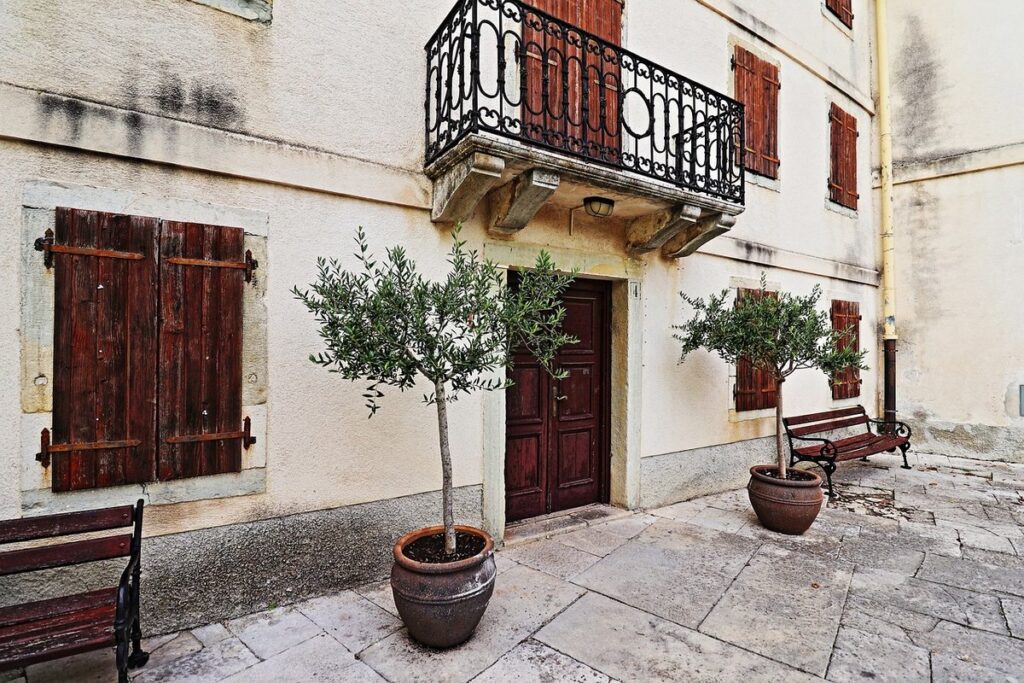
Choosing the Right Olive Tree Variety
When selecting an olive tree variety for your pot, consider factors like climate adaptability, growth rate, and fruit production to ensure a thriving plant that meets your needs. This selection will set the stage for a successful potted olive tree experience.
Selecting Dwarf or Compact Varieties
When it comes to growing olive trees in pots, selecting the right variety is crucial for success. Dwarf or compact olive tree varieties are ideal for container gardening because they naturally produce smaller growth habits and require less maintenance. These varieties are specifically bred for small spaces and patio gardens, making them perfect for urban gardeners.
One of the key characteristics of dwarf or compact olive trees is their compact root system. This means they have a smaller root spread than standard varieties, which makes them ideal for containers where roots can become pot-bound if not properly managed. Another advantage of these varieties is that they require less pruning and training to maintain a desired shape.
Some popular dwarf or compact olive tree varieties include ‘Arbequina’, ‘Koroneiki’, and ‘Frantoio’. These trees are naturally smaller, with a maximum height of around 6-8 feet (1.8-2.4 meters), making them perfect for small spaces. By choosing a dwarf or compact variety, you can enjoy the benefits of growing an olive tree in a pot without worrying about it outgrowing its container.
Considering Climate and Hardiness Zones
When selecting an olive tree variety for potting outdoors, it’s crucial to consider its ability to thrive in your local climate and hardiness zone. This ensures the tree can withstand extreme temperatures, frost, and sunlight conditions.
To determine the best olive tree variety for your area, consult a map of the USDA Hardiness Zones. These zones range from 2 (coldest) to 13 (warmest), with Zone 11 being the warmest in Hawaii. For example, if you live in California, which falls within Hardiness Zones 5-10, choose a variety that can tolerate temperatures between -10°F and 90°F (-23°C to 32°C).
Some popular olive tree varieties suitable for different hardiness zones include ‘Arbequina’ (tolerant of Zone 7-9) and ‘Koroneiki’ (Zone 8-11). Always check the specific hardiness range for each variety to ensure it can withstand your local climate conditions. By selecting a variety adapted to your area, you’ll enjoy healthy growth and fruit production from your olive tree potted outdoors year-round.
Preparing the Pot for Planting
Before you start planting your olive tree, it’s essential to prepare its pot with a well-draining mix and the right size container. This ensures a healthy start for your potted olive tree.
Soil Selection and Repellency
When it comes to growing olive trees in pots, selecting the right soil is crucial for their health and well-being. A well-draining potting mix specifically designed for olive trees can make all the difference between a thriving tree and one that’s struggling to survive.
Look for a potting mix that contains perlite or vermiculite, as these will help to prevent waterlogged soil and root rot. You can also consider adding a small amount of sand or grit to improve drainage even further.
In addition to selecting the right potting mix, it’s also essential to take steps to prevent pests like nematodes and root knot nematodes from getting established in your olive tree’s roots. Nematodes are microscopic worms that feed on plant roots, causing damage and stunting growth. To prevent infestations, make sure to disinfect any new potting mix before using it, and avoid reusing soil from other pots.
Some gardeners also swear by adding a small amount of crushed rock or broken pottery to the potting mix to help deter nematodes.
Fertilizing Before Planting
When fertilizing before planting an olive tree in a pot, it’s essential to choose a high-quality fertilizer that promotes healthy growth and development. Organic options are a great choice for container-grown olive trees as they release nutrients slowly and promote beneficial microbial activity in the soil.
For organic fertilizers, consider using fish emulsion, alfalfa meal, or kelp meal. These products provide essential micronutrients like nitrogen, phosphorus, and potassium that support root development and fruiting. You can apply these fertilizers at a rate of 1-2 pounds per 10 gallons of potting mix.
If you prefer inorganic options, look for balanced fertilizers with an N-P-K ratio of 10-10-10 or 20-20-20. These will provide your olive tree with the necessary nutrients for growth and development. However, be cautious not to over-fertilize, as this can lead to burning your tree’s roots.
Before applying any fertilizer, make sure to mix it well into the potting mix according to the manufacturer’s instructions. This ensures even distribution of nutrients and prevents root burn.
Watering and Humidity Considerations
When growing olive trees in pots, it’s essential to understand how to maintain optimal watering and humidity levels to prevent root rot and ensure healthy growth. This includes adjusting your care routine based on temperature fluctuations.
Understanding Olive Tree Watering Needs
When it comes to watering an olive tree in a pot, it’s essential to understand its unique needs. Unlike trees planted in the ground, potted olive trees dry out faster due to their limited root system and exposure to wind and temperature fluctuations.
A general rule of thumb is to water your potted olive tree when the top 1-2 inches of soil feel dry to the touch. However, this can vary depending on factors such as temperature, humidity, and sunlight exposure. For example, if you live in a hot and dry climate, your olive tree may require more frequent watering (every 3-4 days) compared to cooler and more humid environments (every 7-10 days).
Keep an eye out for signs of overwatering or underwatering. Overwatered trees may develop yellow leaves, droopy branches, or soft, mushy stems, while under-watered trees may exhibit wilted leaves, dry cracks in the soil, or stunted growth. To avoid these issues, make sure to check your tree’s watering needs regularly and adjust accordingly.
Monitor temperature fluctuations as well – olive trees prefer daytime temperatures between 65-75°F (18-24°C) and nighttime temperatures around 55-65°F (13-18°C).
Maintaining Optimal Pot Humidity Levels
Maintaining optimal humidity levels around your potted olive tree is crucial for its healthy growth. When you bring an olive tree into a pot from the outdoors, it can take some time to adjust to the indoor environment. This adjustment period can be challenging for the tree, especially if your home has dry air.
One effective method for maintaining the right level of humidity is by using trays with pebbles. Fill the tray with small rocks or pebbles and add water to them. As the water evaporates, it will create a humid microclimate around the pot. This method not only maintains the ideal humidity levels but also prevents root rot.
You can also use misting systems to maintain the optimal humidity levels. These systems spray water at regular intervals, ensuring that your olive tree always has the right amount of moisture in the air. It’s essential to monitor the humidity levels and adjust the system according to your tree’s specific needs.
When using either method, it’s crucial to observe your tree closely for any signs of overwatering or underwatering. A well-cared-for potted olive tree should have a balanced humidity level between 50-60%. This will encourage healthy growth and prevent pests and diseases from thriving in the pot environment.
Fertilization and Pruning Practices
When it comes to keeping your olive tree thriving in a pot, fertilization and pruning are crucial practices that require regular attention. Let’s dive into how to get these essential tasks just right.
Regular Fertilization Schedule
When it comes to fertilizing your potted olive tree, understanding its growth stages and nutrient requirements is crucial for optimal health. As a general rule, olive trees require more frequent fertilization during the growing season (spring and summer) than during the dormant season (fall and winter).
In the spring, when new growth begins, feed your olive tree with a balanced fertilizer (10-10-10 NPK) every 2-3 weeks. This will promote healthy leaf growth and set the stage for a bountiful harvest. During the summer months, continue to fertilize every 4-6 weeks, but switch to a fertilizer high in phosphorus (10-20-10 NPK) to encourage fruiting.
As the tree enters dormancy in the fall, reduce fertilization to once every 8-12 weeks with a balanced or low-nitrogen fertilizer. In the winter, skip fertilizing altogether and let your olive tree rest. It’s also essential to follow a regular watering schedule and adjust as needed based on weather conditions.
Pruning Techniques for Potted Olive Trees
Pruning is an essential aspect of olive tree care in pots. Regular pruning helps maintain the shape and size of the tree, promotes healthy growth, and prevents pests and diseases from taking hold. When it comes to potted olive trees, proper pruning techniques are crucial due to their compact space.
To prune your potted olive tree effectively, start by removing any dead or diseased branches. This will prevent the spread of disease and encourage new growth. Next, trim back overgrown branches to maintain a balanced shape. Use sharp, clean pruning tools, such as secateurs or loppers, to make precise cuts just above a growth node.
When pruning your potted olive tree, focus on maintaining its natural shape. Remove any crossing branches that may cause damage to the surrounding area. Keep in mind that potted olive trees typically require more frequent pruning than those planted in the ground due to their smaller root system and limited space for expansion. Prune your potted olive tree every 2-3 months during the growing season to keep it healthy, full, and productive.
Pest and Disease Management
When growing olive trees in pots, it’s essential to be aware of common pests and diseases that can threaten your tree’s health, such as aphids and root rot. We’ll explore effective management strategies for these issues.
Common Pests Affecting Potted Olive Trees
When it comes to potted olive trees, pest management is crucial to ensure their overall health and longevity. Some common pests that target olive trees in pots include spider mites, mealybugs, and scale.
Spider mites are tiny, spider-like insects that feed on the sap of the tree, causing yellowing or bronzing of leaves. Mealybugs, on the other hand, secrete a sticky substance called honeydew, which can attract ants and promote fungal growth. Scale is another pest that attaches itself to the bark of the olive tree, sucking out nutrients and causing damage.
To control these pests, inspect your potted olive tree regularly for signs of infestation. Look for webbing or fine threads on the leaves, small white dots (mealybugs) or cottony masses on stems and leaves, and hard, brown patches (scale) on the bark. If you detect any of these symptoms, isolate the affected plant to prevent further spread.
To control pest infestations, use neem oil or insecticidal soap as a foliar spray. Spray the underside of leaves and branches thoroughly, making sure to cover all areas where pests may be hiding. Repeat treatments as necessary, following product instructions carefully. Remember, prevention is key – keep your potted olive tree healthy by providing optimal growing conditions, including sufficient light, water, and nutrients.
Managing Fungal Diseases in Pot-Grown Olive Trees
Fungal diseases are a significant concern for potted olive trees, particularly when it comes to root rot, leaf spot, and powdery mildew. These diseases can be caused by factors such as overwatering, poor air circulation, and high humidity.
Symptoms of fungal diseases include yellowing or browning leaves, soft or mushy stems, and a white or grayish coating on the leaves or stems. Root rot often presents with a soft, mushy texture to the roots, while leaf spot may appear as small, circular lesions on the leaves. Powdery mildew looks like a fine powder or dust on the upper surface of the leaves.
To prevent fungal diseases in potted olive trees, ensure good air circulation around your plants and avoid overwatering. Water only when the top inch of soil feels dry to the touch, and make sure your pot has drainage holes to prevent waterlogged soil. Regularly inspect your tree for signs of disease, and take prompt action if you notice any issues. Use organic fungicides or a homemade solution of 1 part milk to 9 parts water as a preventative measure.
Maintaining a healthy balance between watering and fertilizing is also essential in preventing fungal diseases.
Common Issues and Troubleshooting
Sometimes things don’t go as planned, and your potted olive tree may encounter issues. This section addresses common problems and provides troubleshooting tips to get your tree back on track.
Identifying Nutrient Deficiencies
As an olive tree grower, it’s essential to monitor your potted olive tree’s health closely. Nutrient deficiencies can be a common issue, especially when growing in containers. One of the most noticeable signs of nutrient deficiency is yellowing leaves. If you notice this symptom, don’t panic – it’s often easy to correct.
Check if your fertilizer contains all necessary macronutrients (nitrogen, phosphorus, potassium) and micronutrients (boron, copper, iron, manganese, molybdenum, sulfur). If not, consider a balanced fertilizer. However, if you’re using a slow-release fertilizer, it might be too early for a boost.
Common nutrient deficiencies in olive trees include nitrogen deficiency (yellowing leaves), potassium deficiency (brown tips), and magnesium deficiency (interveinal chlorosis). To diagnose the issue, inspect your tree’s roots – if they are circling or growing out of the container, repotting is necessary. Additionally, consider a soil test to determine nutrient levels.
When fertilizing, remember that over-fertilization can be detrimental to your olive tree’s health. Instead, provide regular doses at reduced strength to avoid burning the roots.
Addressing Root Bound Conditions
Signs of root bound conditions in potted olive trees are often evident through reduced growth and water uptake. As the tree’s roots expand beyond the confines of its pot, they may start to circle around each other, reducing the tree’s ability to absorb essential nutrients and water. When this occurs, you may notice stunted growth, wilted leaves, or a decrease in fruit production.
To address root bound conditions, it’s essential to either transplant the tree into a larger container or prune its roots. Pruning is often a more practical solution, as it allows for immediate relief without the need for extensive repotting. To do this, gently remove the olive tree from its pot and wash away any soil from the roots. Using sterile pruning shears, carefully trim away the root mass to encourage new growth.
When pruning, prioritize removing damaged or circling roots, making clean cuts just above a node (where roots meet). This will stimulate healthy root development and promote better water absorption, ultimately revitalizing your potted olive tree’s overall health and productivity.
Frequently Asked Questions
What is the ideal container size for an olive tree?
For optimal growth, choose a container that’s at least 14-16 inches deep to accommodate the olive tree’s taproot. A wider pot with good drainage will also help prevent waterlogged soil and reduce the risk of root rot.
Can I use regular potting soil for my potted olive tree?
Regular potting mixes can be too dense and may not provide enough nutrients for your olive tree. Instead, opt for a well-draining mix specifically designed for Mediterranean or citrus trees to ensure optimal nutrient uptake and prevent waterlogging.
How often should I fertilize my olive tree in the first year of growth?
During the first year of growth, fertilize your potted olive tree every 2-3 months with a balanced fertilizer (10-10-10 NPK). As your tree matures, switch to a citrus-specific fertilizer during the growing season (spring-fall) and reduce frequency to once every 4-6 weeks.
Can I bring my potted olive tree indoors during harsh winters?
While it’s possible to move your potted olive tree indoors, be aware that indoor conditions can lead to reduced growth and potentially cause pest issues. If you must bring your tree inside, ensure good air circulation, maintain optimal humidity levels (40-50%), and provide sufficient light for photosynthesis.
How do I prevent overwatering when caring for a potted olive tree?
To avoid overwatering, check the soil moisture by sticking your finger into the soil up to the first knuckle. If it feels dry, water thoroughly; if it’s already moist, wait another day or two before watering again. Regularly inspect your tree for signs of root rot and adjust your watering schedule accordingly.